Nouveautés — Découvrez les dernières arrivées dans notre catalogue. Voir →
Aperçus sur les connaissances et la culture du sabre japonais
The nihontō was never merely a weapon. The multifaceted role of the Japanese sword as the soul of the warrior, a symbol of status, and a work of art.
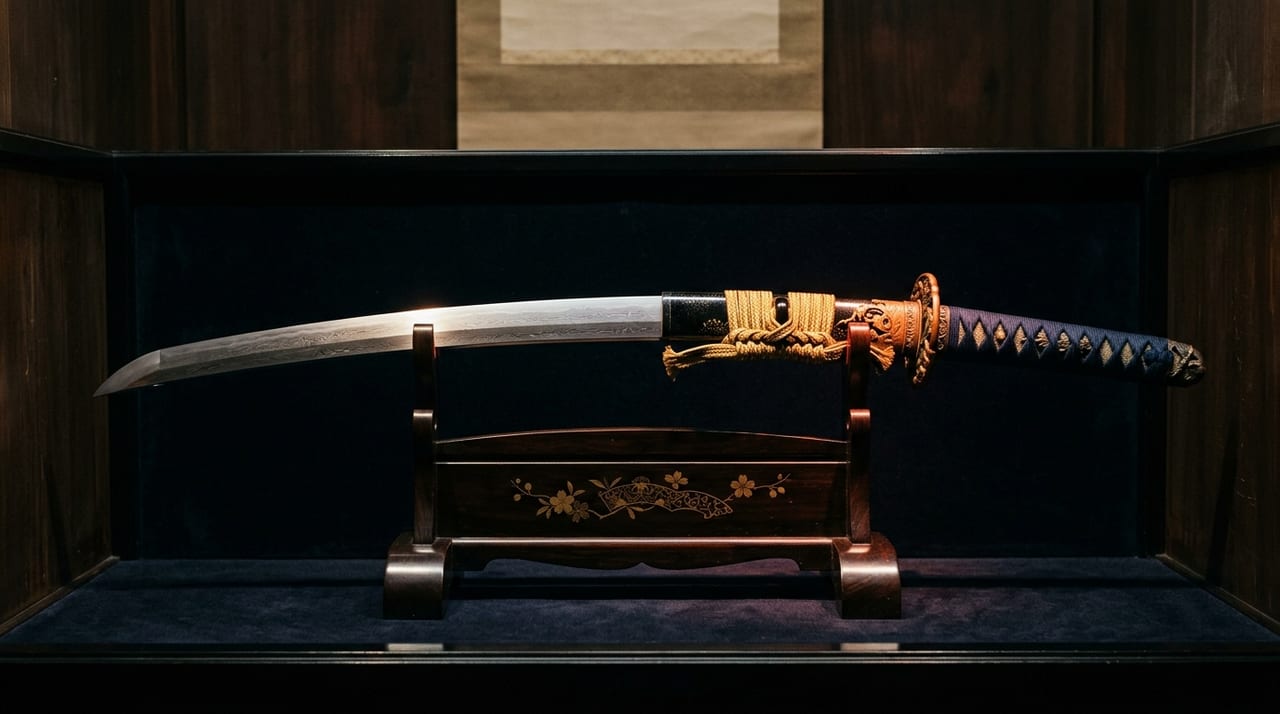
Uchigatana, tachi, and han-dachi mountings — how to choose koshirae suited to your blade's type and era.
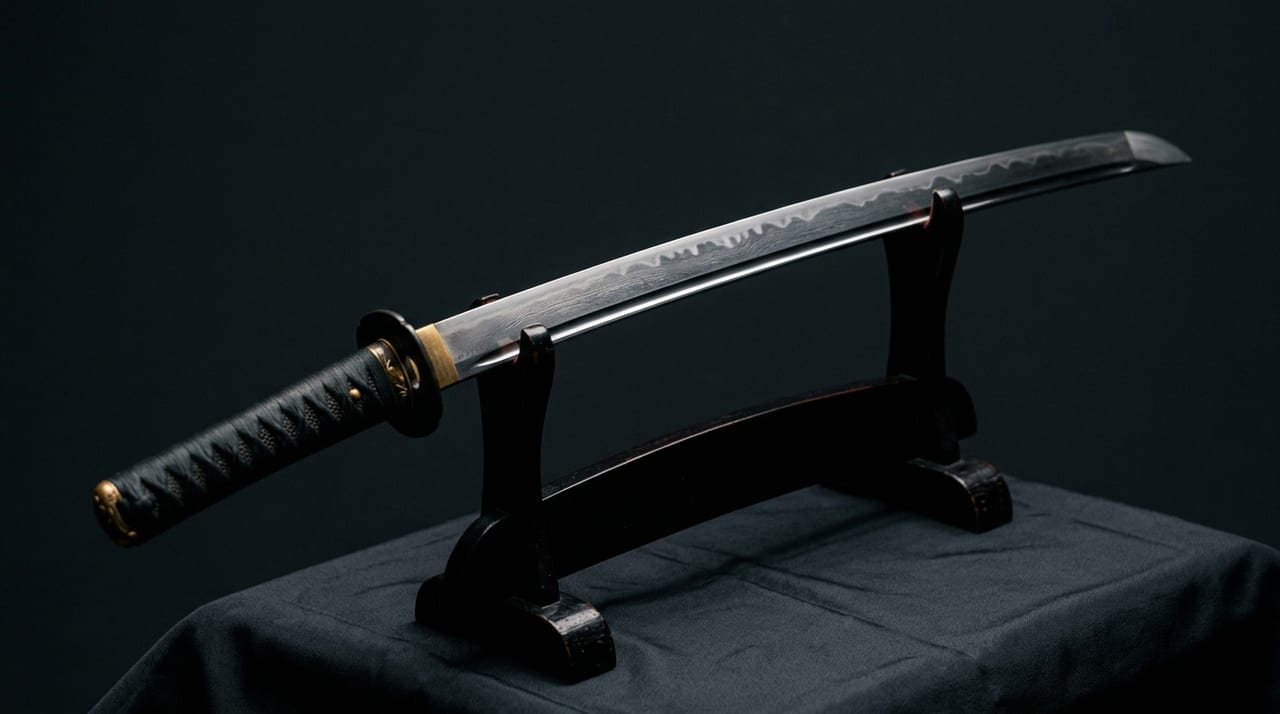
Lighting, angles, and camera settings. Practical techniques for photographing Japanese swords beautifully.
Gimei, atomei, and awasemei. Key points for authenticating nihontō and the importance of NBTHK appraisal.
Approximately 300 Agency for Cultural Affairs-certified tōshō are active across Japan. The world of gendaitō, where tradition is upheld while new forms of expression are pursued.
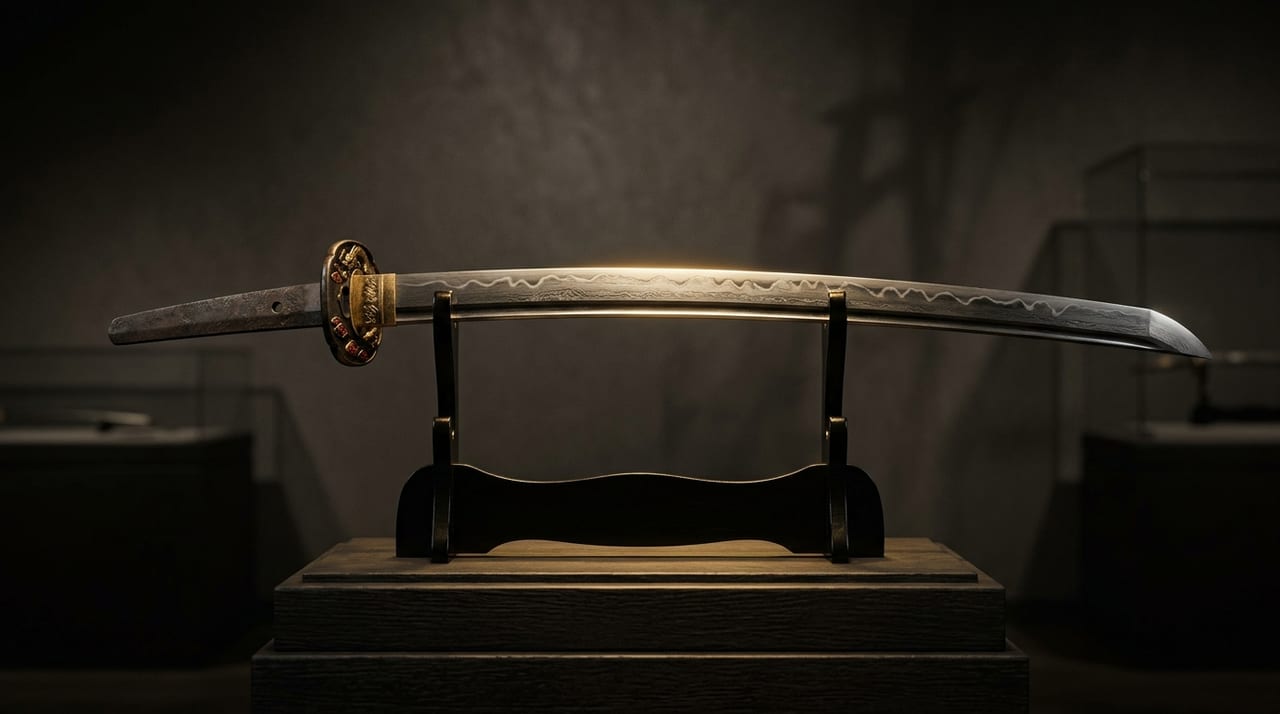
Can a broken blade, edge chips, and rust be repaired? This article explains how to approach a damaged nihontō — covering the scope and limits of what togi can restore, whether sai-ba and reforging are possible, approximate restoration costs, how to request work from a togishi, and notes on the registration certificate.
Japanese swords aren't just the Gokaden. Introducing excellent provincial smiths from Satsuma, Tosa, Echizen, Kaga and more.
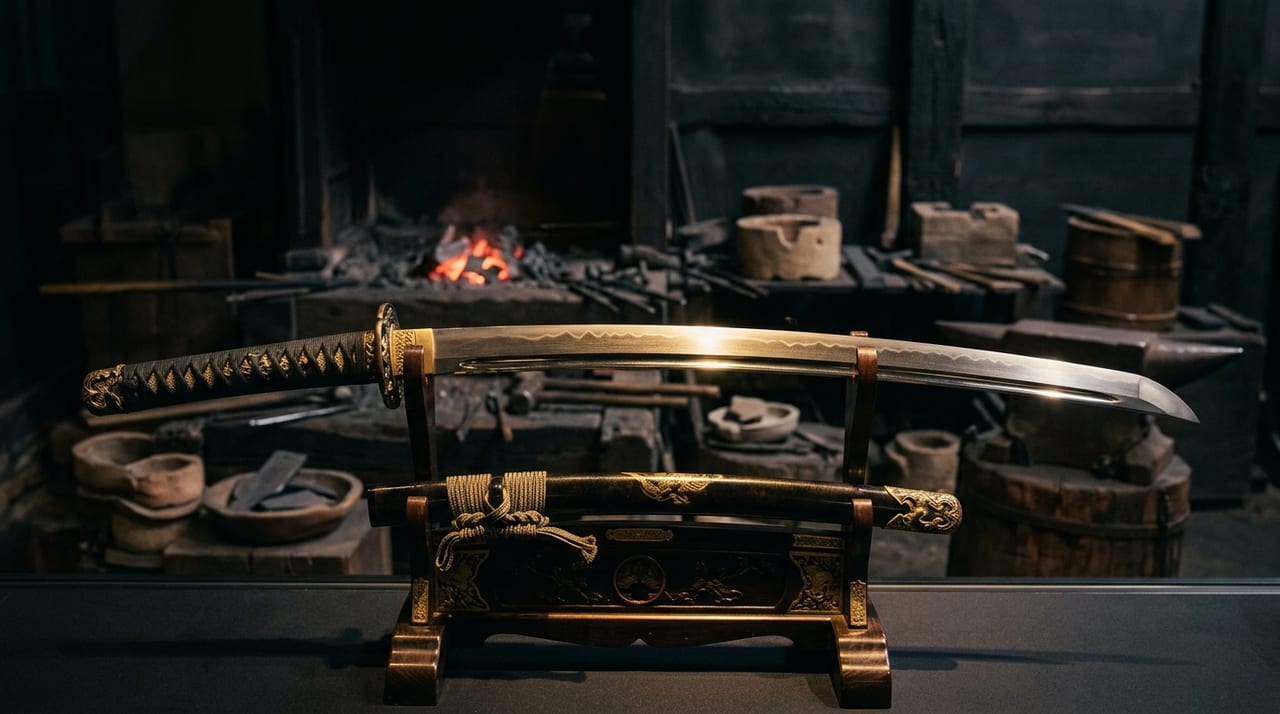
Sword stands, cases, lighting — a practical guide to displaying swords beautifully and safely at home.
The Sengoku period, an era that demanded swords in vast quantities for actual combat. The difference between kazuuchimono and masterwork swords, and how swords were used on the battlefield.
Etiquette for viewing another person's sword, the steps for drawing a sword, and manners at appreciation gatherings.
The world of new swords that flourished in Osaka during the early Edo period. A comparative analysis of two master swordsmiths: Sukehiro and Shinkai.
From Kurosawa films to Star Wars. The boundary between truth and creative expression in how Japanese swords are depicted in cinema.