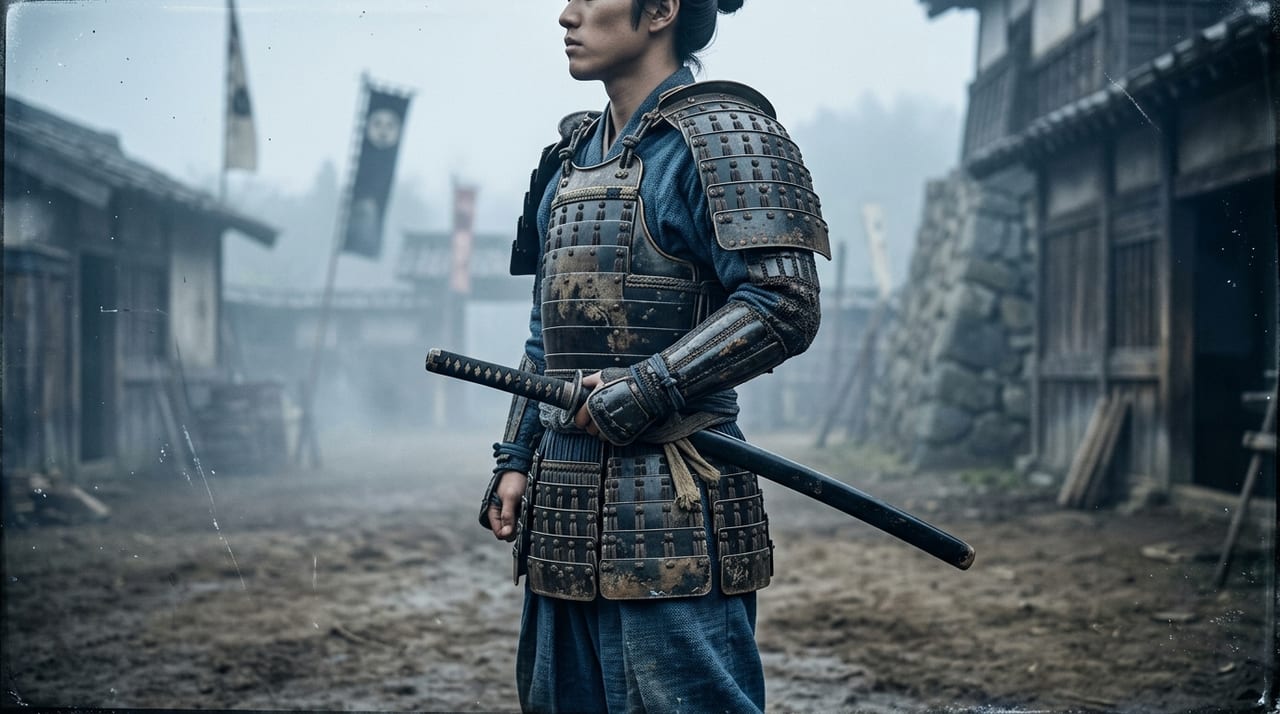
 * Image is for illustrative purposes only.
Nakaoka Shintarō
中岡慎太郎
Commander of the Rikuentai, Bridge Between the Satsuma, Chōshū, and Tosa Alliance
Description
Nakaoka Shintarō (1838–1867) was a shishi (patriot-activist) of the late Tokugawa period, a native of Tosa domain who ran about to bring about the Satchō Alliance. Shintarō, who led the Rikuentai, is often spoken of alongside Sakamoto Ryōma, who led the Kaientai. In the Ōmiya Incident (1867), he was attacked by assassins in the same place as Ryōma, and he ended his short life as a tragic hero of the late Tokugawa period.
Shintarō was born into the home of a head village official (ōshōya) in Kitagawa Village, Aki District, Tosa Province, and began his activities as a member of the Tosa Kinnōtō founded by Takechi Hanpeita. In 1863, as the suppression of the Tosa Kinnōtō grew fierce, he left his domain and took refuge in Chōshū domain, after which he ran about in activities aimed at cooperation among Satsuma, Chōshū and Tosa domains.
Shintarō's greatest achievement lies in his role as the unseen driving force behind the Satchō Alliance (1866). Satsuma and Chōshū domains had been in opposition since the Kinmon Incident (1864), but Shintarō traveled back and forth between the two domains many times and devoted himself to building trust between them. While Sakamoto Ryōma arranged meetings between Satsuma and Chōshū in the public spotlight, Shintarō piled up patient coordination and negotiation behind the scenes. With the formation of the Satchō Alliance, the military foundation for the overthrow of the shogunate was put in place, and the road to the Taisei Hōkan and the Meiji Restoration was opened.
In 1867 Shintarō organized the Rikuentai and, as its commander, prepared for military action to overthrow the shogunate. The Rikuentai was a unit that gathered ronin from Kyoto in preparation for armed overthrow of the shogunate and gave them training in Western-style rifle drill, and it is named alongside Sakamoto Ryōma's Kaientai.
In his connection with the Japanese sword, Shintarō was a samurai who received swordsmanship instruction from Takechi Hanpeita and was skilled in handling swords. In the information warfare and covert activities of the late Tokugawa period, a sword was always worn as a means of self-defense and a token of resolve. When he was struck down by assassins' blades in the Ōmiya Incident together with Ryōma, Shintarō reportedly remained conscious for two days despite serious wounds and left information about his assailants. Shintarō, who died at the age of 30, is still remembered today as one of the shishi who laid the foundations of the Meiji Restoration.