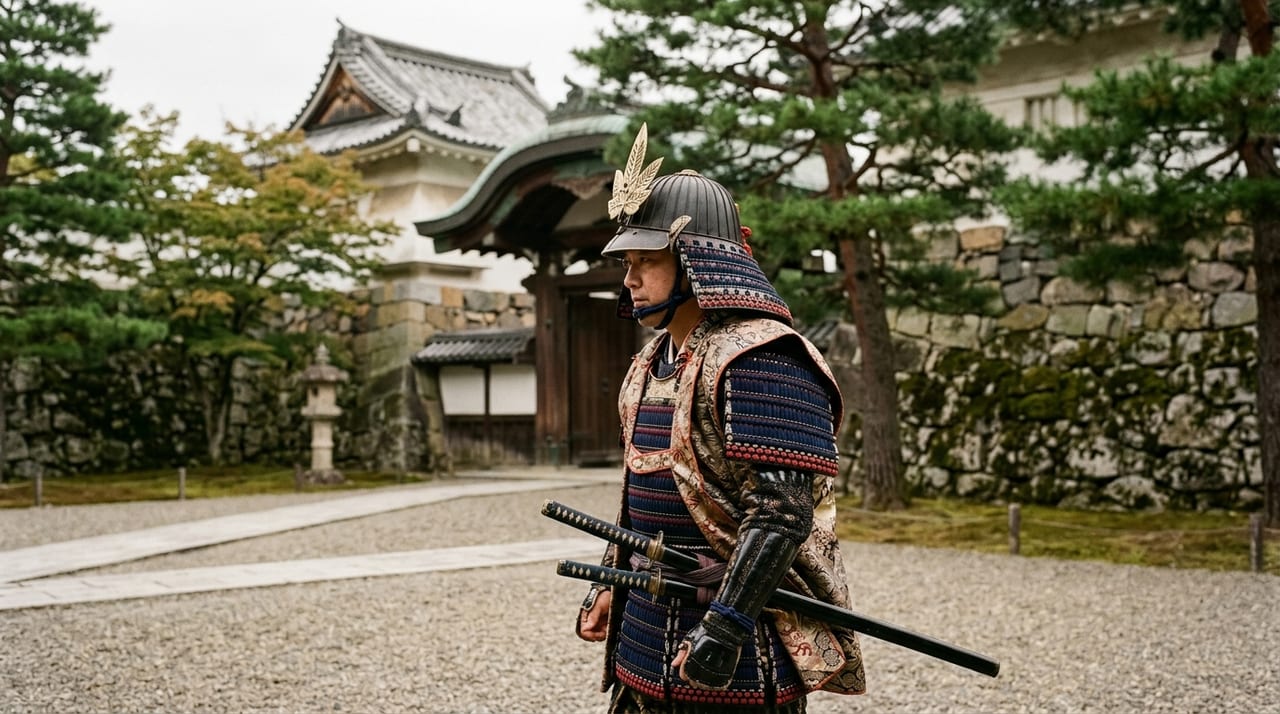
 * Image is for illustrative purposes only.
Honami Kōetsu
本阿弥光悦
Early Edo Artist and Cultural Figure Born into the Honami Family of Sword Appraisers
Description
Honami Kōetsu (1558-1637) was an outstanding artist and cultural figure representative of the early Edo period, born into the Honami family, whose hereditary occupation was polishing and appraising swords. He left original achievements in many fields, including calligraphy, ceramics, maki-e lacquer, and publishing, and is also regarded as a "Renaissance man of Japan." However, Kōetsu's father, Kōji, had withdrawn from the main family of the Honami and established a separate household, so Kōetsu is remembered more for his activities as a sukisha, a man of refined taste engaged in calligraphy, ceramics, and lacquer art, than for the sword field.
Kōetsu lived through the era of the three great heroes Oda Nobunaga, Toyotomi Hideyoshi, and Tokugawa Ieyasu, and interacted widely with samurai, court nobles, and merchants alike. He is especially known for receiving the land of Takagamine in northern Kyoto from Tokugawa Ieyasu, where he established the Honami Kōetsu village (Takagamine Kōetsu village) and formed a colony of craftsmen and artists. This village became the source of distinctive styles such as the "Kōetsu fence" and "Kōetsu maki-e" that followed.
The Honami family's hereditary occupation was the polishing, nugui (wiping and cleaning of blades), and appraisal of swords, and Kōetsu also inherited the stipend (fuchi) that his father, Kōji, had received from the Maeda family of Kaga. However, few of Kōetsu's surviving letters touch on swords, and no famous blades (meibutsu) are known to have been directly associated with Kōetsu's polishing or appraisal. The only sword said to have been owned by Kōetsu is the tantō signed Kaneuji with gold-inlaid inscription, named "Hanagatami," designated as an Important Art Object.
Kōetsu's achievements as an artist were wide-ranging. Handscrolls (emaki), calligraphy, and maki-e produced in collaboration with Tawaraya Sōtatsu became the source of the Rinpa school, and Kōetsu tea bowls occupy a special position among Raku tea bowls. His aesthetic sense had a profound influence on Japan's traditional crafts as a whole, and his achievements are still highly valued today as National Treasures and Important Cultural Properties.
Notable Swords
- Tantō signed Kaneuji with gold-inlaid inscription, "Hanagatami" (Important Art Object; said to have been owned by Kōetsu)