The Rise of Independent Tsuba Makers and School Formation: How Japan's Guard Craftsmen Became a Specialized Art Lineage
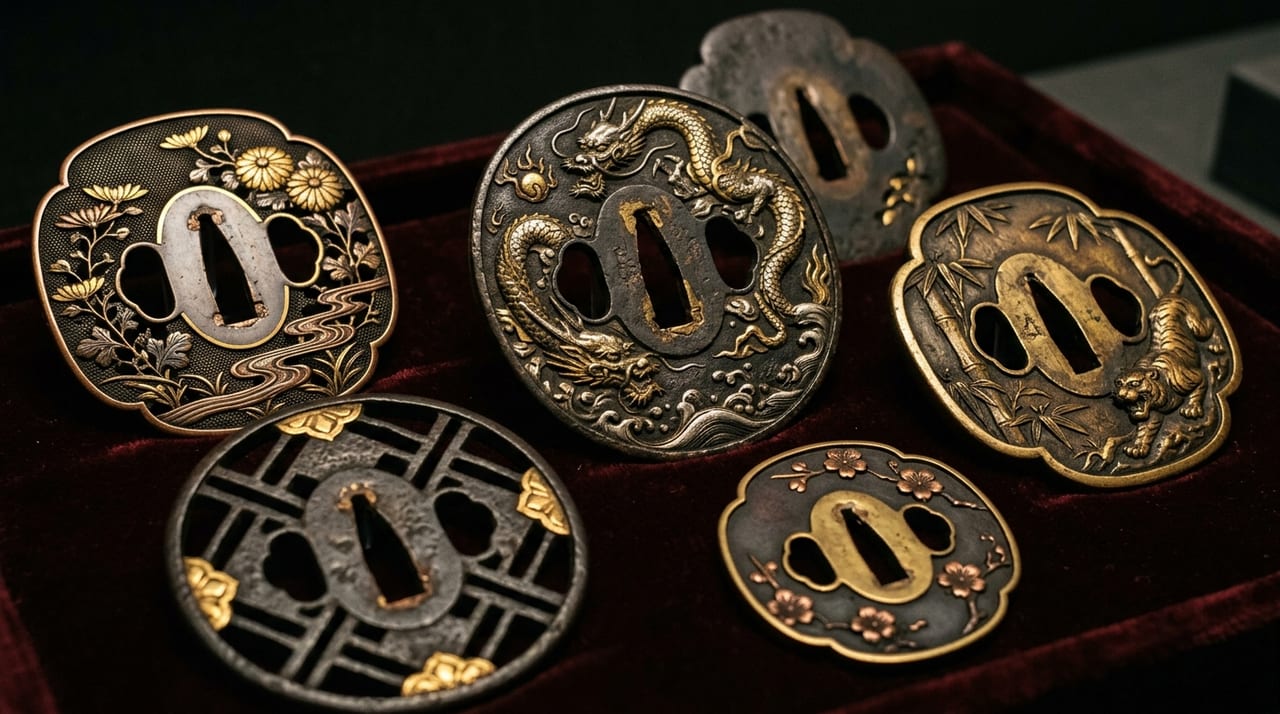 * Image is for illustrative purposes only.
Table of Contents
What Kind of Craftsmen Are Tsuba Smiths?
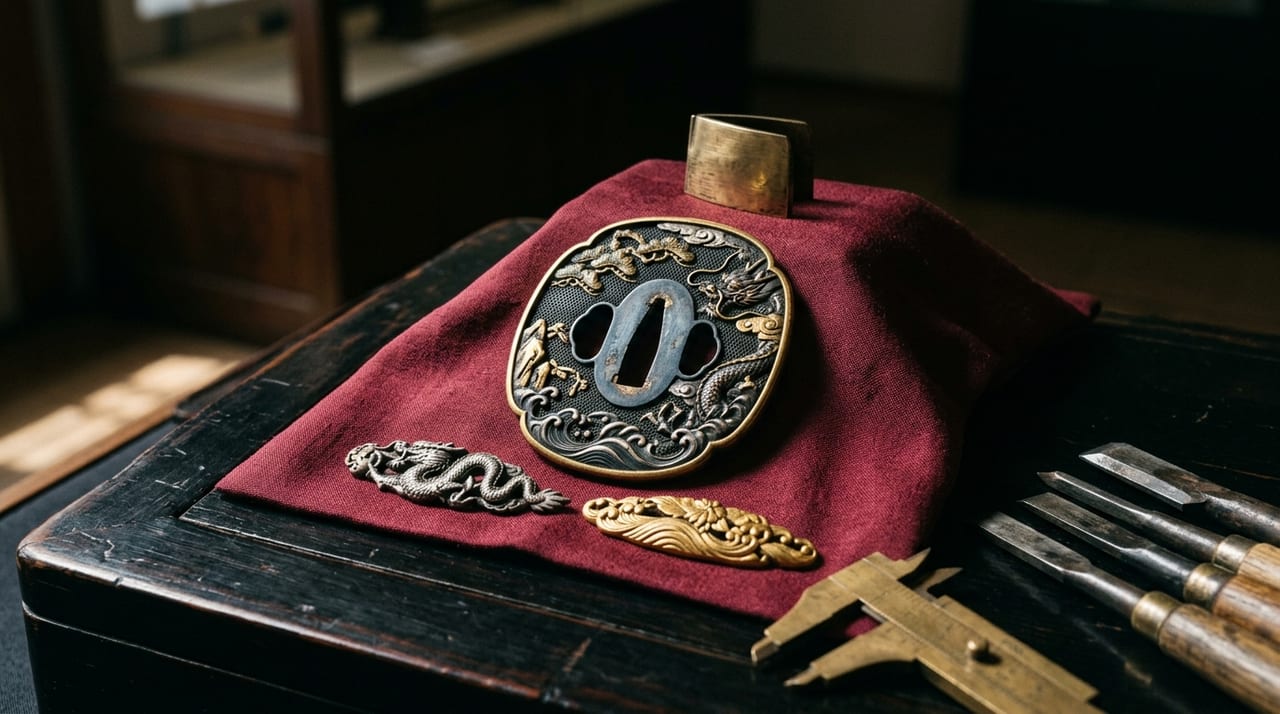
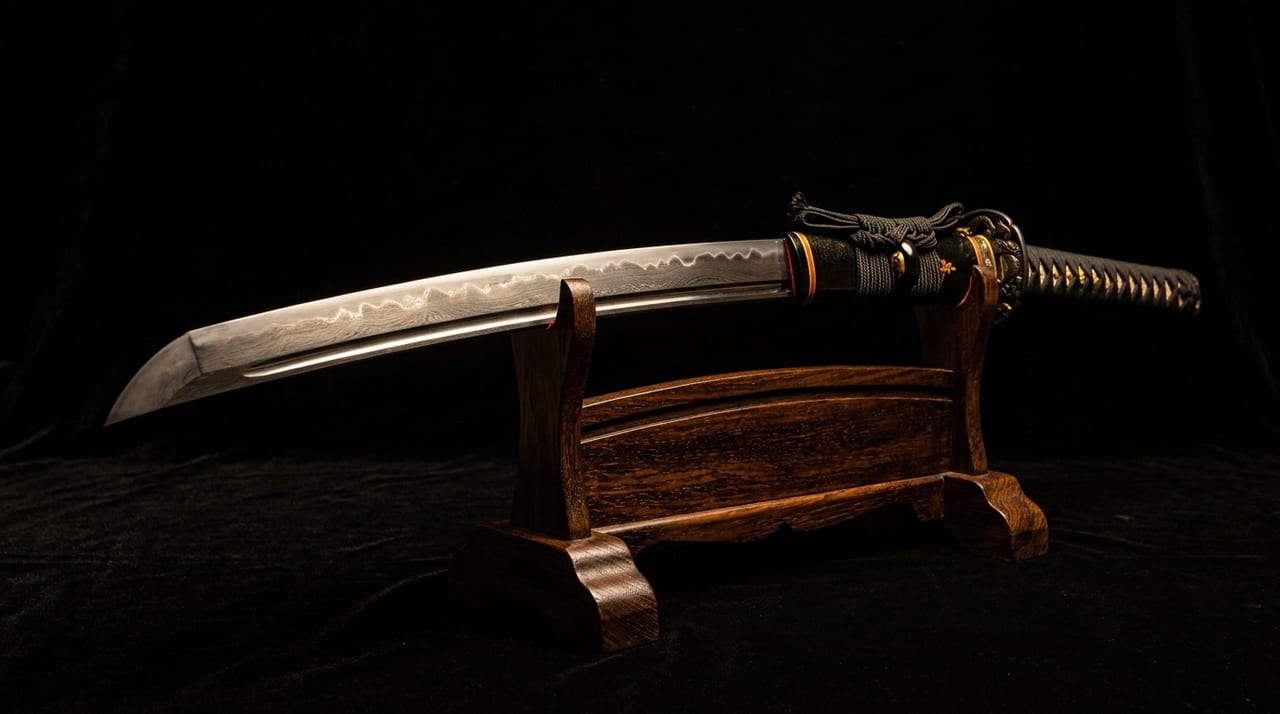
The "tsuba" of a Japanese sword is a circular or irregularly shaped metal component positioned between the blade and the hilt (tsuka), serving as a hand guard (goshu) to prevent the hand gripping the sword from sliding onto the blade. However, the tsuba in Japan has evolved beyond being merely a functional component and developed into a sophisticated work of metalcraft art. The craftsmen who specialize in making tsuba are called "tsubashi" (tsuba smith) or "tsubakō" (tsuba artisan).
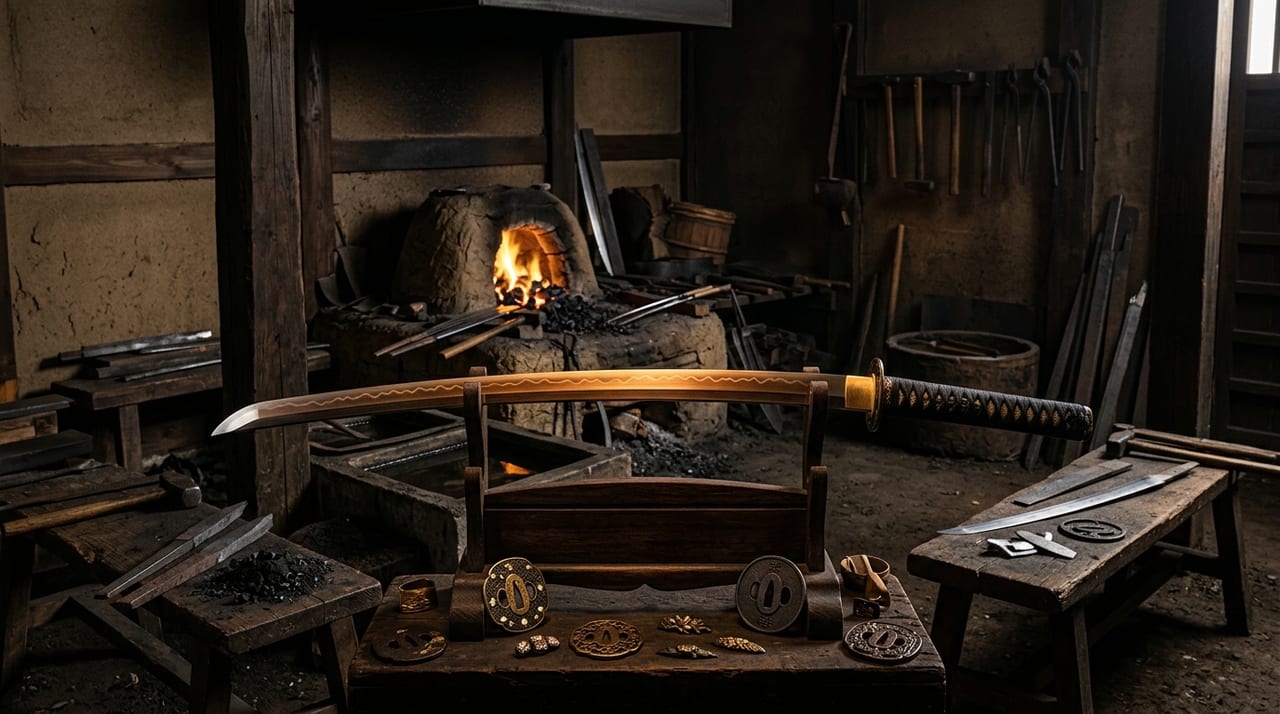
In modern times, tsubashi are recognized as specialized craft workers independent from sword making, but historically it took a long time for division of labor between tsubashi and tōkō (sword smiths) to develop.
History of the Establishment of Tsuba Smiths—Independence from Sword Smiths
Kamakura–Muromachi Period: The Era of Sideline Occupations
During the Kamakura period, tsuba were often made either by sword smiths alongside the blade itself, or by specialist metalworkers (craftsmen dealing with sword fittings in general). Tsuba from this era were called "kotouba" (old tsuba), with simple iron tsuba and shinnaritsuba (true form tsuba) predominating, and functionality prioritized over decoration.
Entering the Muromachi period, demand for sword fittings increased, and tsuba production gradually shifted toward division of labor. Groups of craftsmen called "Shoami" (who handled sword fittings in general) were established in various regions, and a trend toward specialization in tsuba production within these groups began.
Azuchi-Momoyama Period: The Birth of Professional Tsuba Smiths
Professional tsuba smiths appeared clearly in history during the Azuchi-Momoyama period (late 16th century). During this era, the tea ceremony, Noh theater, and samurai etiquette developed in complex ways, and the artistic value of sword fittings (tsuba, menuki, kogai, kozuka, etc.) increased dramatically.
During this period, "Umetada Myōju" appeared. While possessing the skills of a sword smith, Myōju elevated the creation of tsuba and sword fittings to an art form, introducing "pictorial high relief carving (takabori) and inlay work (zougan)" to tsuba—a revolutionary artisan. The appearance of Myōju became the turning point in establishing tsubashi socially as "metalcraft artists."
Early Edo Period: The Establishment of Schools and the Master-Apprentice System
After the establishment of the Edo Shogunate (1603), the aesthetic value of sword fittings was emphasized even more than the practicality of swords in the ensuing era of peace. During this period, numerous schools of tsuba smiths were established.
Gotou Clan (Gotouke): A prestigious family of sword fitting artisans continuing from the late Muromachi period. They held a privileged position as official artisans to the shogunal family and were passed down through 17 generations under the iemoto (family headship) system. They exclusively handled the creation of menuki, kogai, and kozuka (the three ornamental fittings). The first three generations followed a policy of not making tsuba, but from the fourth head, Kōjō, onward the family also produced tsuba.
Higo Metalcraft (Higo Kinkou): A group of tsuba smiths that developed under the patronage of the Kumamoto domain (Hosokawa clan). Four schools—Hayashi, Nishigaki, Hirata, and Shimizu—are known as the "Four Houses of Higo." They are characterized by a weighty aesthetic combining pierced work and high relief carving on sturdy iron tsuba.
Nara Metalcraft (Nara Kinkou): In the mid-Edo period, Sugiura Jōi, Nara Toshinaga, Tsuchiya Yasuchika, and others established the "Nara School" with a distinctive artistic metalcraft. They are regarded as the first tsuba smiths to attain the status of individual artists transcending mere tsuba making.
The Internal Structure of the Master-Apprentice System
The master-apprentice system of Edo-period tsuba smiths was operated under an "apprenticeship system (toteisei)" similar to that of sword smiths and other traditional crafts.
Apprenticeship and Training Period: Entry as an apprentice typically occurred in the early teens, and the training period was standardly 10–15 years. During training, apprentices lived in the master's workshop, gradually progressing from chores and blank making to assisting and eventually participating in actual production.
Stepwise Transmission of Techniques:
- Production of iron, copper, and alloy (shakudō and shibuichi) blanks
- Fundamentals of carving with files (yasuri) and chisels (tagane)
- Inlay techniques (zougan) (nunome and kome zougan, etc.)
- High relief and full round carving (three-dimensional relief work)
- Final polishing and coloration (niiro and chemical coloring)
The Problem of Proxy Work (Daisaku) and Signatures: In the iemoto system families like the Gotou, it was customary practice to sell apprentices' works under the master's (or family head's) signature—a practice known as daisaku (proxy work). This is also one of the reasons why authentication of "Gotou School" tsuba is difficult in modern connoisseurship.
Modern Tsuba Smiths—Certification Systems and Current Practice
In modern times, only around dozens of craftsmen throughout Japan are active as "tsubashi," and most conduct production and sales from individual workshops.
Certification Systems: The Japan Art Sword Preservation Society (NBTHK) maintains a certification system for sword smiths (tōkō), but there is no public certification system for tsuba smiths as clearly formalized as that for sword smiths. However, there are cases where tsuba smiths have been designated as "Holders of Important Intangible Cultural Properties (Living National Treasures)" (such as Suzuki Takuo), and the highest-ranking tsuba smiths are granted cultural authority.
Sales Channels and Activities: Modern tsuba smiths primarily exhibit and sell their work in the following venues.
- Consignment sales to sword specialist shops and antique dealers
- Auctions and bidding sessions specializing in sword fittings
- Solo and group exhibitions in museums and galleries
- Direct sales to overseas collectors (there are enthusiastic tsuba collectors in Europe, North America, and Asia)
The existence of tsuba smiths embodies the fact that the Japanese sword is not merely "a blade as a weapon," but rather a "comprehensive craft art" created through the division of labor and cooperation of numerous craftspeople.