The Career and Income of a Sword Polisher: The Reality of Training, Independence, and Running a Business
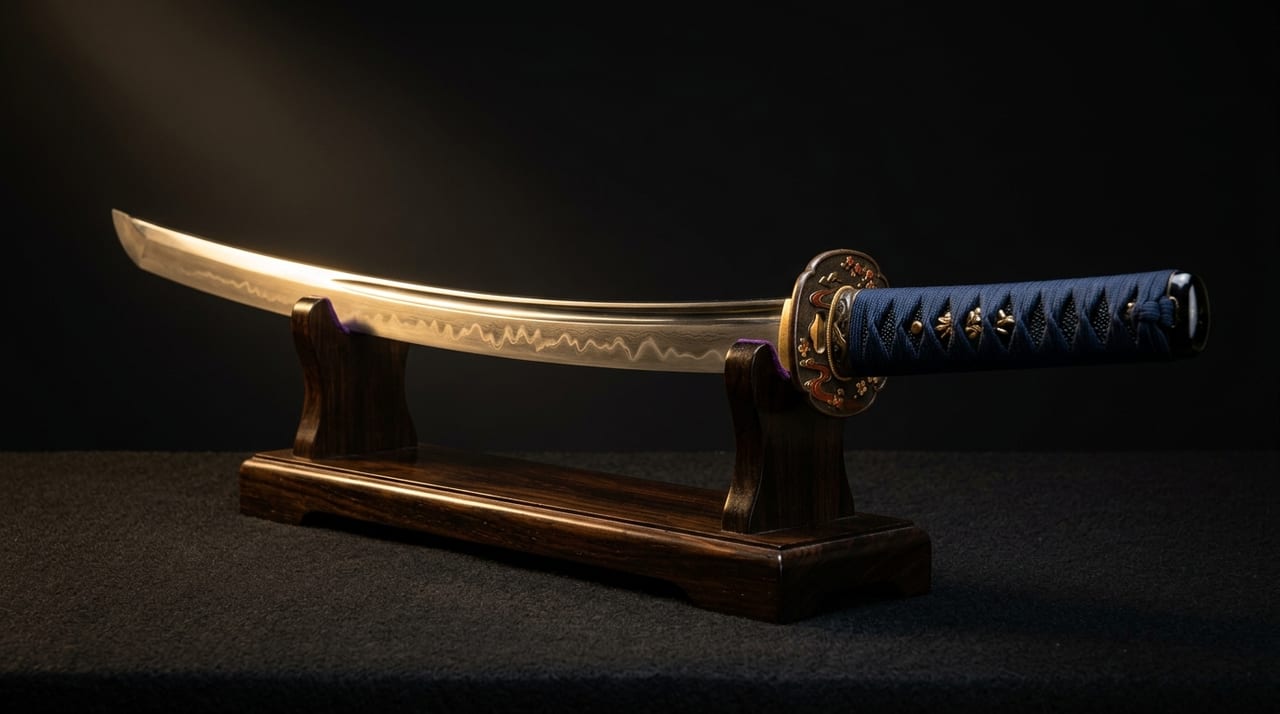 * Image is for illustrative purposes only.
Table of Contents
The Profession of Togishi—Experts Who Revive Japanese Swords
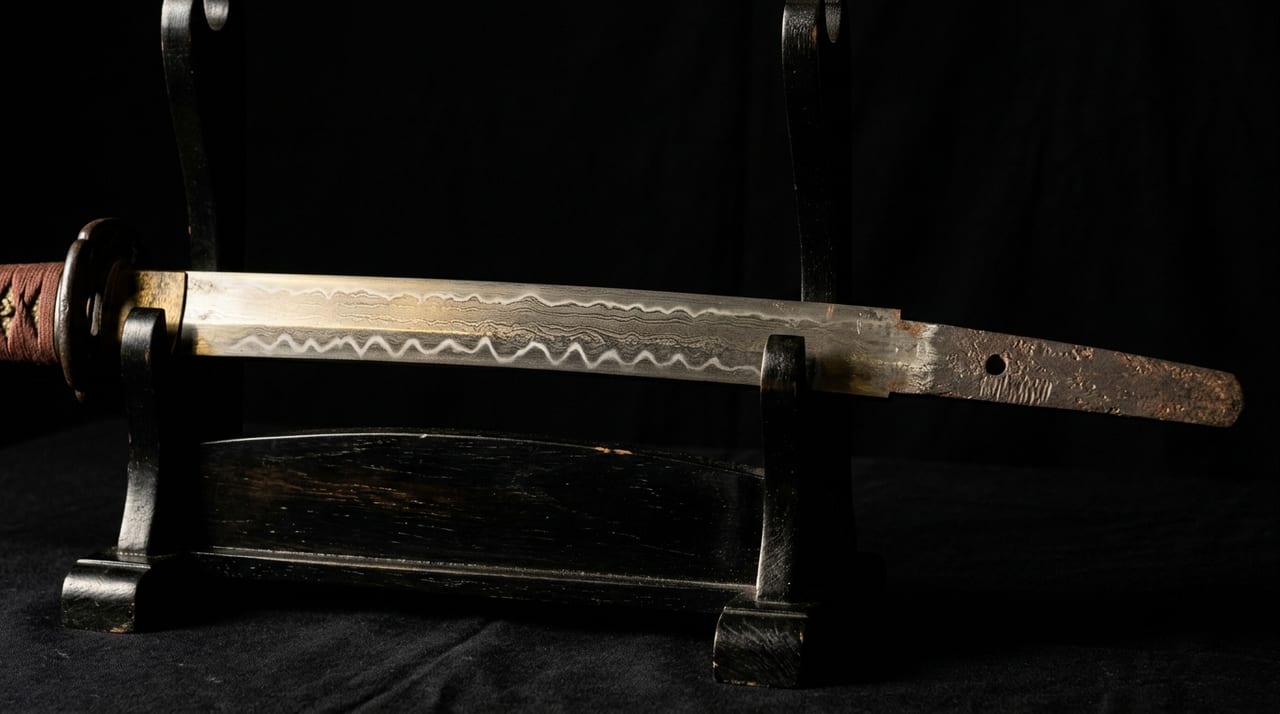
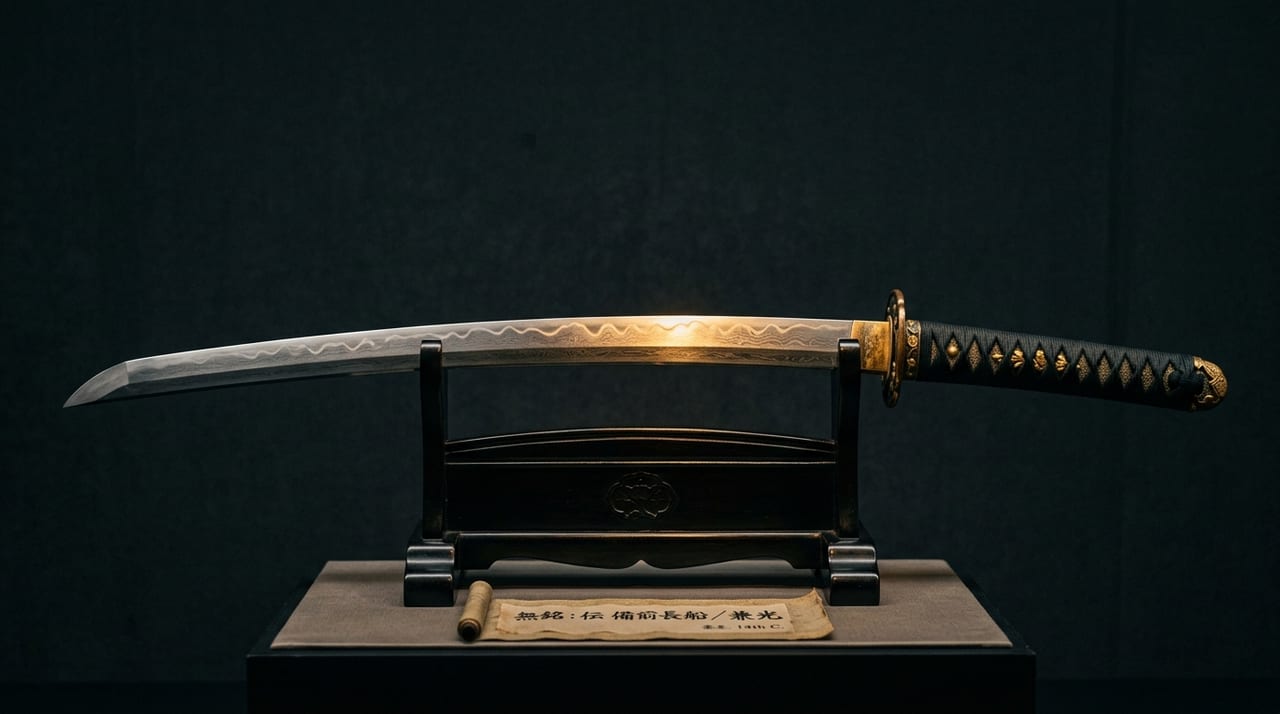
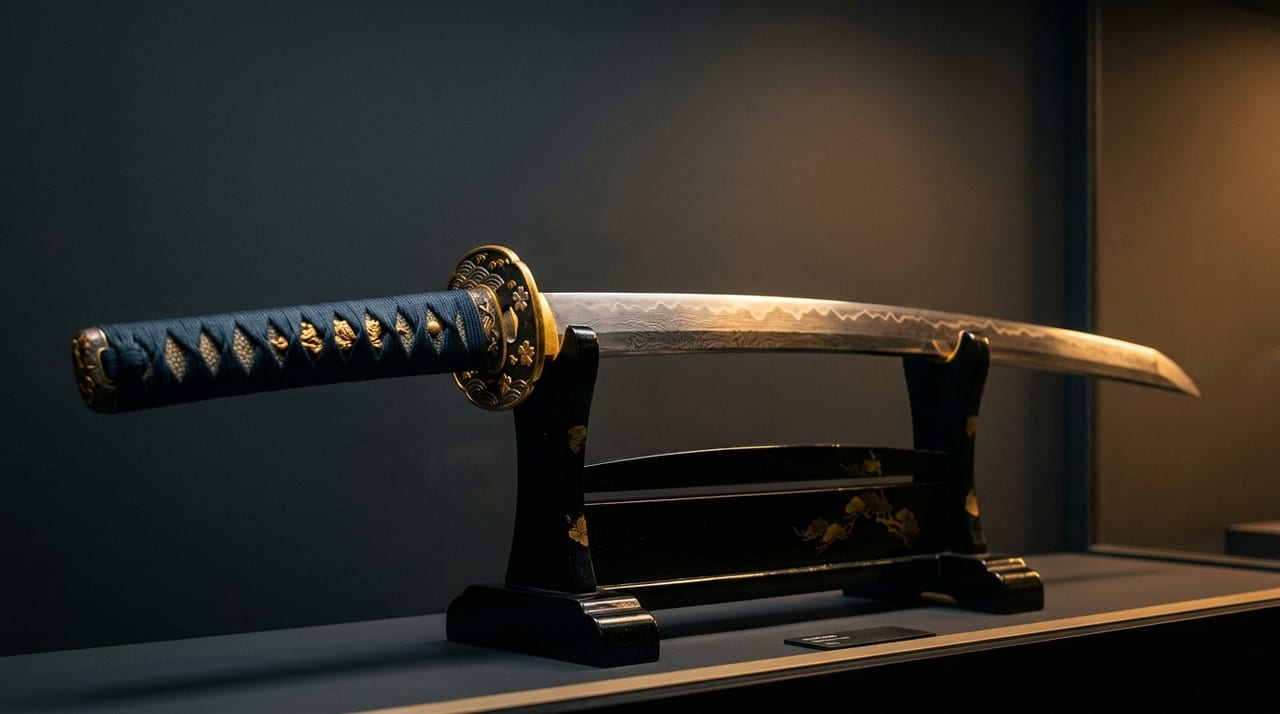
The beauty of a Japanese sword resides in the shine of the blade and the landscape of the hamon. It is a specialist craftsman called a togishi who brings out this profound beauty. Just as a swordsmith creates form by hammering tamahagane, a togishi polishes the completed blade carefully and plays the role of revealing its true nature to the world. The saying that has endured in the craftsman's world—"A sword is made by the swordsmith and finished by the togishi"—survives because these two crafts work as two wheels of a carriage.
The work of a togishi is not merely a matter of making the blade shine. The skill required is to bring out the expression of the jihada, make the utsuori stand out, and polish the blade with precision without damaging the nie or nioi that reside in the hamon. Whetstones are used progressively from rough to medium to finishing to cosmetic grades, and this is a remarkably delicate technical craft that requires the discerning eye to read the condition of the blade.
The work of a togishi is not limited to aesthetic refinement. From a polished blade, one can now read the forged skin of the jihada and the characteristics of heat treatment that appear in the hamon, providing clues for judging the skill and technical lineage of the swordsmith. For this reason, the togishi's technique has important significance not only in the appreciation of swords but also as a foundation for authentication work.
Polishing Techniques—Sashikomi Polishing and Cosmetic Polishing
Polishing is broadly divided into two representative techniques: "sashikomi polishing" and "cosmetic polishing."
| Technique | Characteristics | Appropriate Situations |
|---|---|---|
| Sashikomi polishing | A technique that does not overly emphasize the boundary between the jihada and hamon, but naturally brings out the jihada and the blade's workings as a whole | Appreciation and study of old swords |
| Cosmetic polishing | A technique that emphasizes the visual beauty by making the hamon stand out in white | Modern swords and swords for gifting |
Which technique is employed depends on the condition of the blade and the client's purpose as determined by the togishi. Sometimes both techniques are woven together in the finishing of a single blade, and the togishi's experience and aesthetic sense greatly influence the final result.
The Reality of Training—A Minimum of 10 Years
Those who aspire to become togishi must choose between either becoming a disciple of a master (senior togishi) or utilizing the togishi training system of the Nihon Bijutsu Touken Hozon Kyokai (NBTHK, Japan Art Sword Preservation Society).
Becoming a disciple of a master is the most traditional form, but in modern times the number of positions is limited, and without connections or an introduction, it is difficult even to knock on the door. The guideline for the training period is said to be: "three years just to learn how to handle whetstones, five to seven years to be able to polish a sword independently, and ten years or more to master true technique." Early in training, compensation is nearly zero, with most cases involving live-in work at the master's residence or only a daily wage or small allowance.
The NBTHK's togishi training system has a relatively systematized curriculum and is said to have a lower threshold for entry than becoming a disciple to a master. However, even after certification, one cannot immediately set up independently, and further time is needed to build a track record.
Under a master's tutelage, training begins by repeatedly conditioning the body with basic movements such as dressing the whetstones, securing the blade, and adjusting water levels. The discerning eye needed to accurately judge the condition of hamon and jihada is cultivated only through the experience of working with many blades, and this is one reason why togishi training takes such a long time.
Qualities Required of a Togishi
The work of a togishi requires not only manual dexterity but also the physical stamina to maintain the same posture for long hours, the observation skills to discern subtle changes in color and light, and the mental fortitude to endure the tension that a single moment of misjudgment could leave an indelible mark on the blade. The polishing process appears to be a series of quiet and monotonous tasks, but in reality it is a highly demanding job requiring intense concentration, as one constantly reads the condition of the blade while fine-tuning the angle and force of the whetstone. Additionally, knowledge of the history of swords and the characteristics of different schools is an indispensable element in determining an appropriate polishing approach.
Economics After Independence—A Business Model Dependent on Commissions
The income of an independent togishi is based fundamentally on piece work: unit price × number of blades. The polishing fee varies greatly depending on the condition and type of sword.
| Blade Condition | Polishing Fee Guide |
|---|---|
| Modern swords (made by contemporary swordsmiths) with shallow rust and intact form | Approximately 150,000–300,000 yen |
| Heavy polishing of old swords or swords in poor condition (so-called "major restorative polishing") | Over 500,000 yen |
The number of days required for one blade polishing ranges from several days to several weeks depending on the blade's condition. Even for skilled togishi, a realistic pace is two to four blades per month, and when converted to annual income, the following guidelines are typically given.
- Immediately after independence: Approximately 3–5 million yen
- Experienced togishi with stable clients: 6–8 million yen
- Renowned togishi: Over 10 million yen
However, there is considerable individual variation depending on the quality, quantity, and regional nature of one's clients.
The sources of requests for an independent togishi are diverse.
- Private sword collectors
- Sword dealers
- Antique dealers
- Museums
- Temples and shrines
Requests from sword dealers often center on polishing swords that have been purchased to bring them into saleable condition, while requests from individual collectors frequently involve maintenance and condition assessment of swords passed down through generations. The direction of the desired finishing changes depending on the nature of the client, so togishi must be able to handle a wide range of situations.
Busy and Slow Seasons—Before and After Sword Exhibitions and Markets
Requests to togishi are not consistent throughout the year. Times around the Shinsaku Meito Ten (New Works Excellent Swords Exhibition, held each year around autumn) sponsored by the NBTHK and before and after sword markets held across the country become busy periods, with requests from collectors and enthusiasts concentrated.
Conversely, from the rainy season through the height of summer, the work environment deteriorates due to humidity and the difficulty of managing whetstones and blades increases, so some togishi reduce their intake of orders. On the other hand, requests for sword polishing accompanying inheritance and estate settlement occur regardless of season and function as a stable source of demand.
Highly regarded togishi tend to have concentrated requests, and it is not uncommon for the completion time to require a corresponding period. Those planning submissions to exhibitions or sword markets are advised to consult with a togishi with a flexible schedule.
Relationship with Sword Dealers and Authentication
The work of togishi is closely linked to the current market for buying and selling swords. Swords with minimal polishing loss and clearly visible jihada and hamon workings are said to have stable value as art objects. Conversely, blades that have received inappropriate polishing in the past may have had their original jihada and hamon character damaged, and restoration requires advanced technique and time. In keeping the swords handled by sword dealers in a condition that can withstand appreciation and authentication, a trustworthy relationship with a togishi is an indispensable presence.
The Reality of Successor Shortage
The number of togishi, like swordsmiths, continues on a downward trend. The high barrier to skill acquisition, low income during the training period, and business instability after independence are the main factors hindering entry by younger generations. The number of NBTHK-certified togishi continues to see slight increases and decreases, and a sense of crisis that "training is not keeping up" hovers over the industry.
As the aging of sword owners leads to increased collection sorting and sales in the short term, polishing demand rises. However, long-term structural contradictions are being pointed out: it is difficult for new customer bases (young collectors) to develop.
The continuation of the togishi profession requires not merely the transmission of technique but also social initiatives to strengthen sword culture as a whole. Collaboration with museums and art galleries, enrichment of sword experience programs, cultivation of young viewers and collectors—the accumulation of such efforts forms the foundation for passing on the figure of the craftsman before the whetstone to the next generation. The lifeblood of Japanese sword culture is deeply connected to the future of the togishi profession.