Modern Practitioners of Tatara Ironmaking — The Nittoho Tatara and the Work of Contemporary Craftsmen Carrying On Traditional Smelting
 * Image is for illustrative purposes only.
Table of Contents
The Modern Revival of Tatara Ironmaking — From the Brink of Extinction to Rebirth
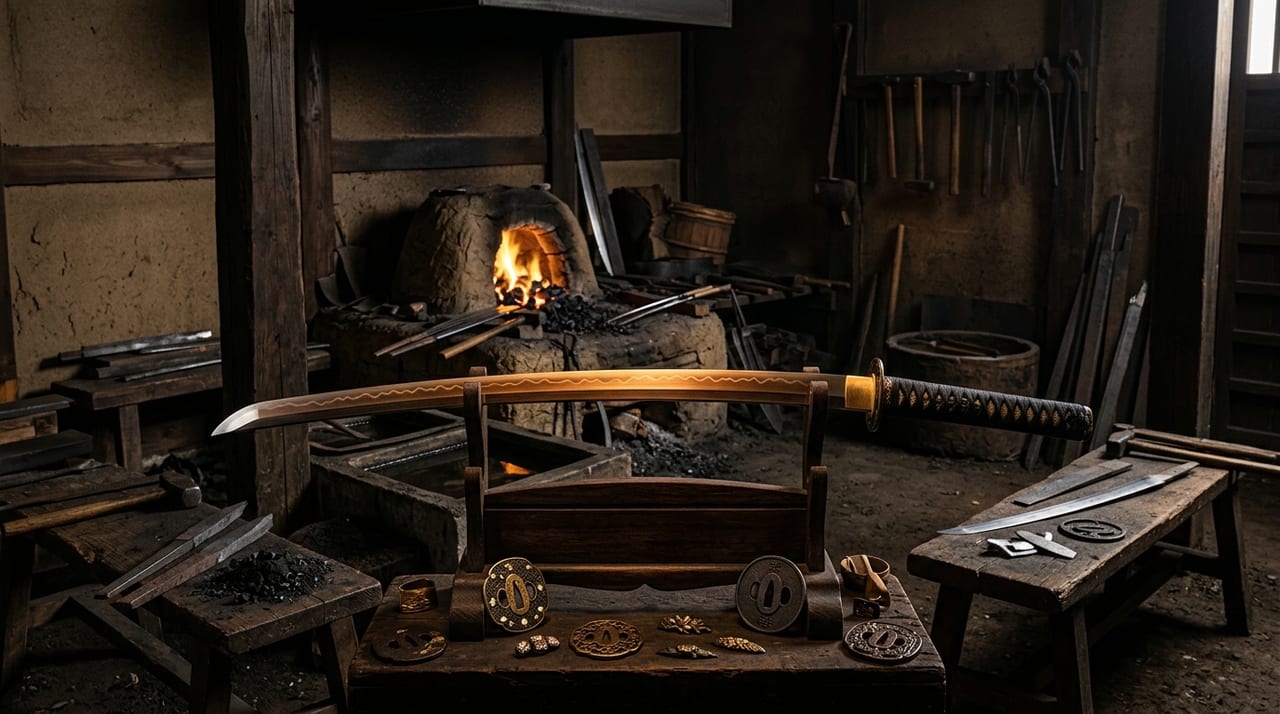
After the Meiji Restoration, the rise of modern steelmaking caused Japan's traditional smelting method, tatara ironmaking, to decline rapidly. The background to how tatara — which had seemed to vanish entirely from the country — was revived in a living form lies in the cultural demand created by the Japanese sword.
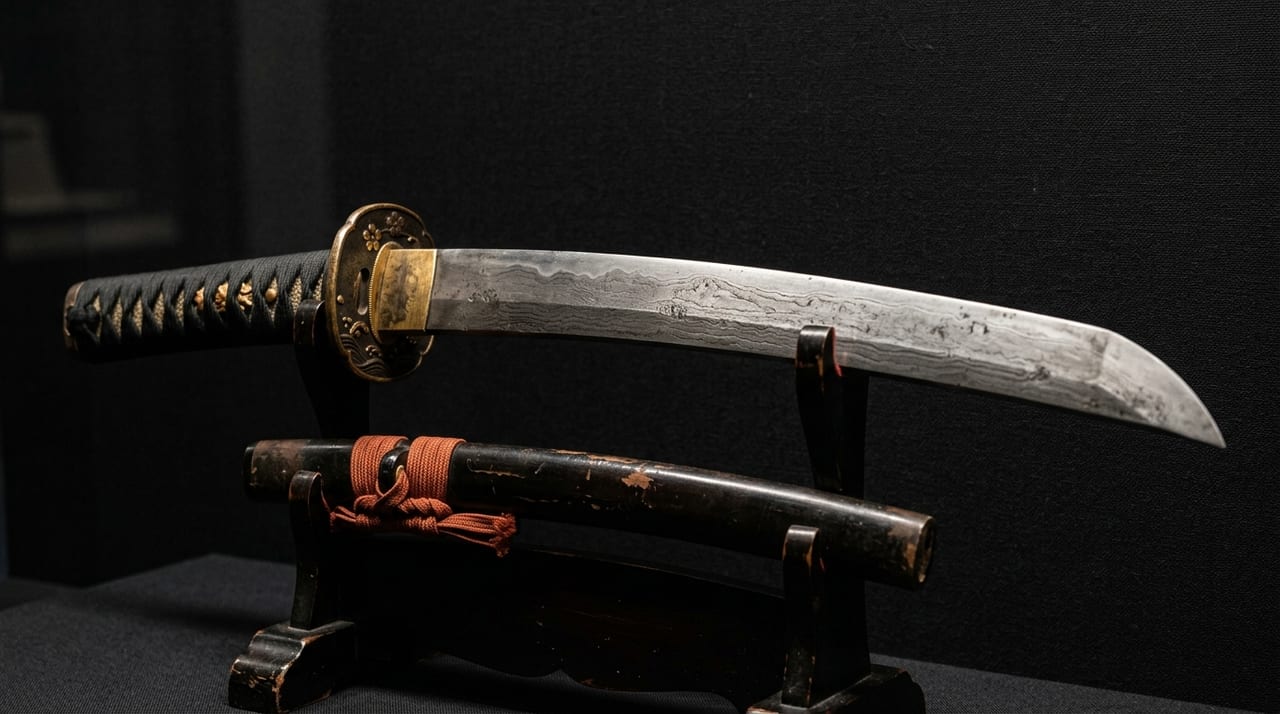
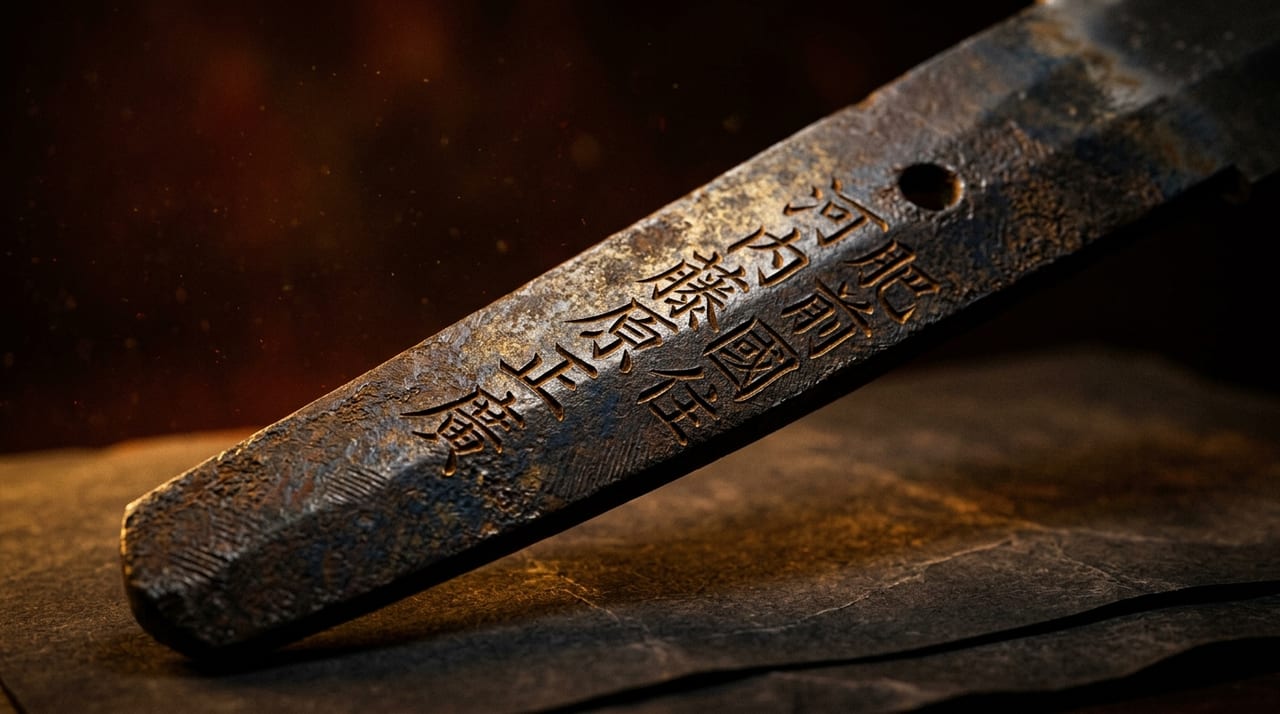
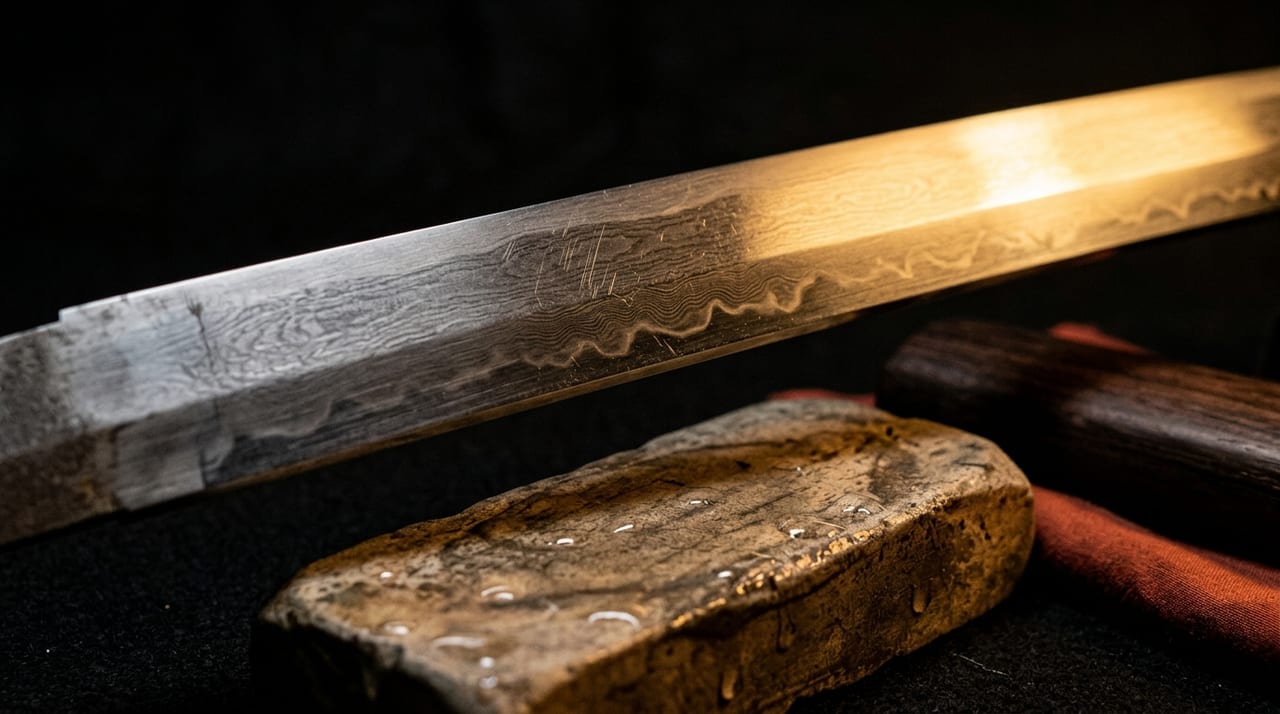
The tamahagane used in the blades of Japanese swords is produced exclusively from iron made by tatara ironmaking. The heterogeneous steel mass (tamahagane) that results from reducing and melting iron sand with charcoal inside the furnace possesses a distinctive carbon distribution and crystalline structure that cannot be reproduced by modern industrial steelmaking, and it is regarded as an indispensable material for forming the jigane and hamon of Japanese swords.
After modernization, cheap and uniform industrial iron became widely available, and the labor-intensive tatara process lost its economic rationale; furnaces across the country shut down one after another. The aging of practitioners and the contraction of raw-material supply networks compounded the problem, and there was a period when the technique was said to have come close to dying out entirely. Amid this sense of crisis, the understanding spread that in order to protect the craft culture of the Japanese sword itself, a framework for steadily continuing to produce its raw material — tamahagane — was indispensable.
It was to maintain this domestic supply of tamahagane that the Nittoho tatara (Okuizumo-cho, Nita-gun, Shimane Prefecture), operated by the NBTHK (Society for the Preservation of Japanese Art Swords), was established. What gives this endeavor its practical significance is that it does not merely recreate history, but continues to this day to produce and distribute tamahagane that practicing tōshō can actually use.
The Structure and Management of the Nittoho Tatara
The Nittoho tatara is a facility carrying the cultural mission of supplying raw materials for Japanese swords. It operates three times (three generations) each winter season (around January to February), producing and distributing approximately three tons of tamahagane annually. The reason for operating in winter is both practical — the low-humidity season makes it easier to control moisture levels inside the furnace — and seasonal, following ancient custom.
Operations are directed by the murage, the highest authority in tatara ironmaking, with a team of craftsmen working together in divided roles such as the daiku, the kokaji, and the romaeko. A single run (three days and nights continuously) produces roughly two to three tons of iron and steel, of which only about one-third to one-quarter qualifies as tamahagane of the highest grade.
The iron sand used as raw material is procured from kanna-nagashi sites and iron-sand collection points in the Chugoku Mountains, centered on Shimane Prefecture. Pine charcoal, oak charcoal, and similar types are used, and their variety and blend are important variables that affect temperature control inside the furnace. Securing a stable supply of high-quality charcoal also requires the planned felling of timber and the maintenance of forests through replanting. While the operation itself is completed over a few days, behind it lies a long-term preparation system involving the entire community, from raw-material procurement to the construction and dismantling of the furnace.
The Role of the Murage — The Technical Core of Tatara Ironmaking
The murage is the position in tatara ironmaking that demands the most advanced skill and judgment. By comprehensively assessing the state of the furnace (the takadono), the quality of the iron sand, the combustion of the charcoal, and weather conditions, and by adjusting the volume and timing of iron-sand and charcoal feeds and the volume of air blown into the furnace by the bellows (fuigo), the murage produces tamahagane of the desired quality.
In the modern Nittoho tatara, those who carry on the murage's techniques are a small group of specialists centered on practitioners who have inherited the craft of the traditional ironmaster (kanashi) families handed down through generations in the Okuizumo region. The murage's techniques are difficult to document or reduce to a manual; they are an accumulation of embodied knowledge that can only be acquired through long years of experience gained in actual operations.
There is no public qualifying examination or certification system for becoming a murage. Succession continues in a form close to apprenticeship: working under an experienced active murage over many years in actual operations, and gradually acquiring the ability to read sensory information such as the color and sound of the flames and the degree to which the iron sand has been fired. For this reason, it is said that considerable time is required before a single murage is fully trained, and maintaining an environment in which the next practitioner can continuously participate in operations is crucial to preventing a break in the transmission of the technique.
The Work of the Furnace Craftsmen — Three Days and Nights of Grueling Labor
A tatara operation is continuous work lasting three days and nights (72 hours or more). The furnace temperature reaches 1,400 to 1,500 degrees Celsius, and the work of regularly feeding iron sand and charcoal in front of it is physically grueling in the extreme.
The main tasks of the furnace craftsmen are as follows.
- Measuring and feeding iron sand
- Managing and feeding charcoal
- Observing the state of the furnace interior (judging by the color, shape, and sound of the flames)
- Operating the bellows (electric blowers are used today)
Maintaining accurate judgment and continuing to work amid the intense radiant heat emanating from the furnace demands high concentration and physical stamina.
Because it is continuous work over many hours, craftsmen rotate in shifts with rest breaks while maintaining an around-the-clock operation throughout the night. Since the work takes place in front of a high-temperature furnace and a misjudged feeding interval affects the overall state of the furnace interior, maintaining concentration becomes harder in the final stages as fatigue accumulates. For young furnace workers, gaining experience in this demanding environment is itself one part of the foundational training for those who aspire to become murage in the future.
Classification of the Tamahagane Produced and Supply to Tōshō
When the three-day-and-night operation ends, the furnace is dismantled and the kera (steel mass) is extracted in a process called kera-dashi. The kera is sorted into multiple quality grades according to carbon content, and the highest-grade tamahagane (with a carbon content of roughly 1 to 1.5 percent) is distributed to tōshō across the country through the NBTHK.
Not all of the kera can be used as tamahagane; portions whose carbon content or impurity levels are unsuitable are classified into grades other than tamahagane. Such non-tamahagane steel is not discarded, however; it is said to be used in some cases as material for everyday cutting tools and implements such as kitchen knives, and the iron resources obtained through tatara ironmaking are allocated without waste according to their intended use.
The volume of tamahagane distributed is limited, and in some cases it falls short of satisfying the demand of tōshō across Japan. Priority supply is given to particularly distinguished tōkō and to tōshō who maintain traditional forging methods, but it is not easy for emerging or younger tōshō to secure sufficient tamahagane. This is one of the material-procurement challenges that modern tōshō face.
The Succession of Traditional Ironmaking and Challenges for the Future
One of the greatest challenges facing the Nittoho tatara is the question of successors. With the aging of skilled craftsmen including the murage, training the next generation of practitioners has become an urgent priority. Efforts to discover new practitioners continue, including tatara ironmaking experience programs for young people in the Okuizumo region and opportunities to study tatara ironmaking at agricultural and forestry high schools.
Rising procurement costs for iron sand and charcoal are also a management challenge. The cost of producing tamahagane can exceed that of industrial iron by tens of times or more, and sustaining viable operations while bearing a cultural mission is far from easy. Protecting tatara ironmaking as part of Japan's cultural heritage requires understanding and support from society as a whole.
The reason this technique has continued to the present day without dying out is that the existence of the tōshō who actually use tamahagane and the organizational framework that supports them have functioned as two wheels of the same vehicle. Not only the finished Japanese sword, but the ironmaking technique that produces its raw material, is in the process of being passed on to the next generation by the hands of today's craftsmen.