Iron, Flame, and Five Years of Training — The Thorny Road Walked by the Modern Tōshō
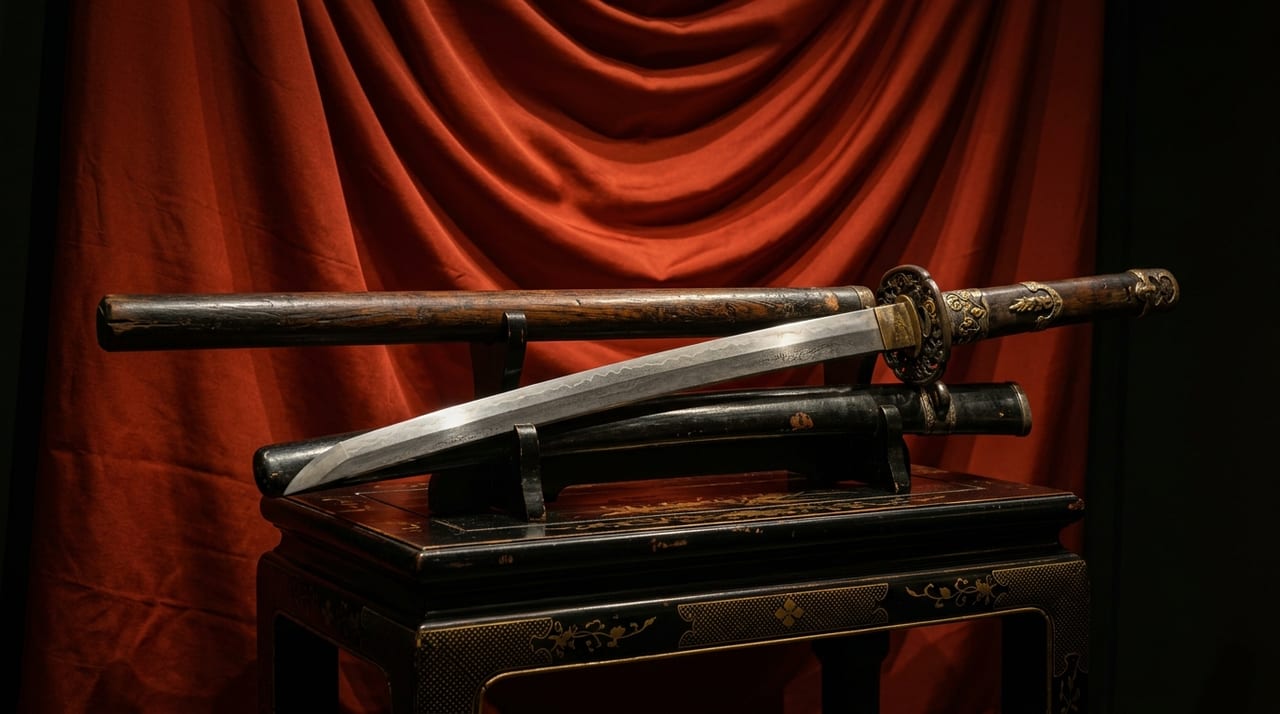 * Image is for illustrative purposes only.
Table of Contents
The Training System of the Tōshō — Difficulties in Skills Transmission and New Possibilities
The transmission of nihontō manufacturing skills presupposes the existence of tōshō as a professional role. Under a system in which approval must be obtained for each sword made, tōshō are active, but their training structure and forms of skills transmission differ greatly from modern educational systems. Direct technical transmission between master and apprentice, succession of the family trade by craftsman households, or the training of successors through apprentice recruitment — these diverse forms support the maintenance of nihontō manufacturing skills. The absence of a single, fixed entry point into training represents both a breadth of options for those who aspire to the path, and at the same time a lack of clarity about which route to choose.
Structure of the Traditional Training System
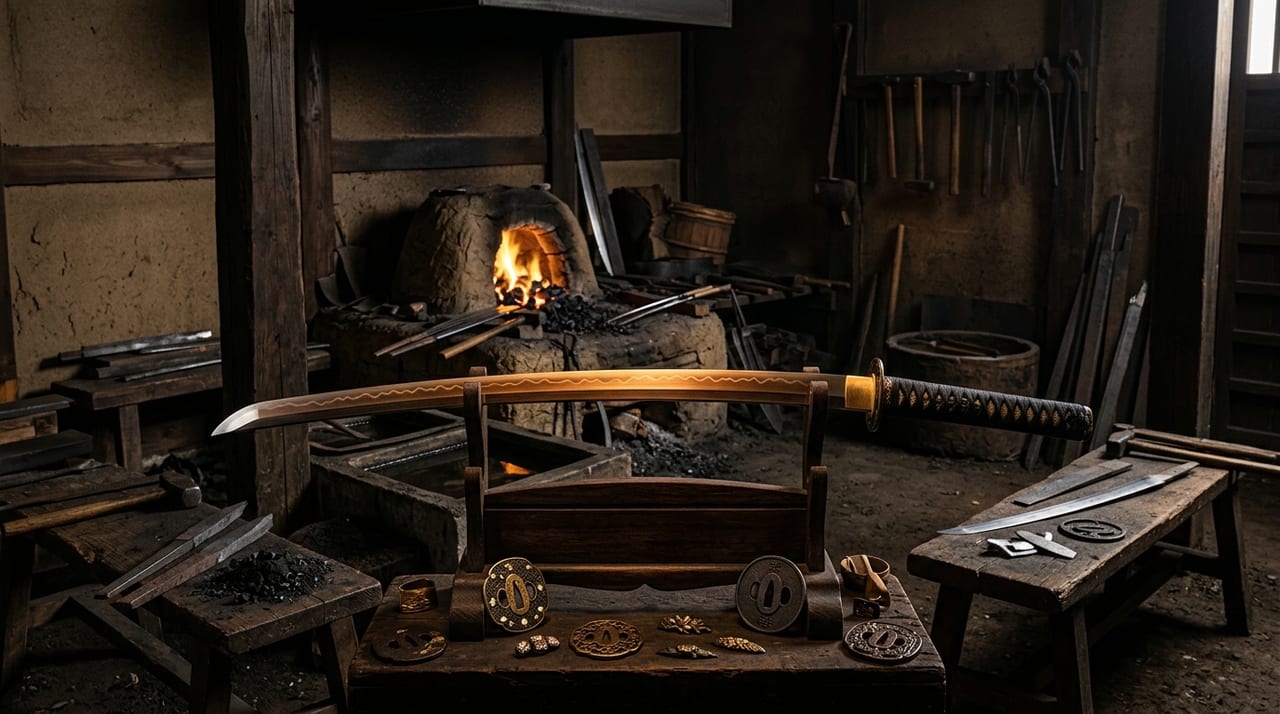
Tōshō training generally spans a long period of five to ten years. Apprentices acquire skills while engaging in daily tanren work under their master. The subtle criteria for judgment in each process — tanren, yaki-ire, togi, and so on — depend on a "sense" that is difficult to put into words. Only through the accumulation of such multisensory experiences — the movement of the hands, the color of the flame, the sound of the steel — is one first recognized as a full-fledged tōshō.
In this training system, textbooks and video materials serve only a supplementary role. What is essential is the direct acquisition through the body of skills that exist as tacit knowledge. Accordingly, shortening the training period or acquiring skills remotely is inherently difficult. The time spent beside the master gazing at the same flame and continuing to hear the same sound of steel is itself a part of skills acquisition. This point is a major characteristic that distinguishes tōshō training from other skills domains that lend themselves to systematization through manuals.
Succession of the Family Trade and the Decline in New Apprentices
Traditionally, there were many cases in which the sons of tōshō succeeded the family trade, but in the modern day the tendency for the children of tōshō to not necessarily choose family succession has grown stronger. The problems of an aging population and shortage of successors found across agriculture and traditional crafts in general are seriously affecting the tōshō profession as well.
On the other hand, young people who aspire to become tōshō do exist, but their numbers are limited. The requirements for a first production approval include having devoted oneself to refining one's skills for at least five consecutive years under a tōshō who has previously received approval and having completed the training conducted by the Commissioner for Cultural Affairs (Rules on Approval of the Production of Art Swords (e-Gov Law Search), Article 2), and the long period of training leading up to approval combined with an uncertain outlook diminishes its attractiveness as a career choice. The lack of economic stability is also contributing to the decline in young aspiring candidates. It is thought that a period during which income is difficult to earn continues throughout training, and how to secure a livelihood base can be a major source of anxiety for young people aspiring to the path.
Diversification of the Training Environment
In recent years, diversification of training formats has been progressing. Some tōshō workshops have introduced a commuter-style training system, adopting a format that provides regular instruction. In addition, tōshō training programs by public vocational training facilities and cultural heritage institutions are also being expanded.
Workshops accepting foreign apprentices are also increasing, and the barrier of nationality in skills acquisition is diminishing. The process by which sword-making techniques are transmitted beyond differences in language and cultural background is fundamentally changing the way skills transmission works. New challenges, such as language accommodation, may arise for the workshops that accept foreign apprentices, but there are also perspectives that find meaning in the act of transmitting skills across national borders.
Collaboration with School Education
Efforts to incorporate kaji techniques into the curricula of high schools and vocational schools have also begun. This provides young people who aspire to become tōshō with the opportunity to acquire basic knowledge and skills before entering training. However, how the complementary relationship between school education and training under a master is to be built remains an important challenge for the future. What can be gained at school is limited to basic knowledge and an understanding of the processes, and it is hard to conceive of this as a complete replacement for the hands-on training required to be recognized as a full-fledged tōshō.
The Use and Limits of Digital Technology
There is also a tendency for digital machine tools such as CAD and CNC to be introduced into kaji workshops, but the essential elements of sword making — tanren and yaki-ire — continue to depend on intuitive human judgment. A clear distinction is needed between the parts that can be digitized and those where craftsman skill is indispensable. For example, while peripheral tasks such as record-keeping, process management, and design assistance for tools are easy to benefit from digital technology, it is hard to imagine at the present time entrusting to machines the very judgment involved in assessing the state of the flame or the changes in the steel.
Economic Support and Institutional Improvement
In order to secure young aspiring candidates, economic support during the training period and an improvement in the social standing of the tōshō profession are indispensable. Multifaceted measures are called for, including the expansion of public scholarship programs, the development of training facilities, and support for market formation.
Opportunities to Encounter the Works of the Modern Tōshō
When thinking about the transmission of tōshō skills, the most accessible entry point for readers is the opportunity to actually encounter works produced by modern tōshō. In general, this is possible through venues such as the following.
- Exhibitions held by tōshō organizations and related groups
- Regional traditional crafts exhibitions and cultural events
- Stores specializing in nihontō
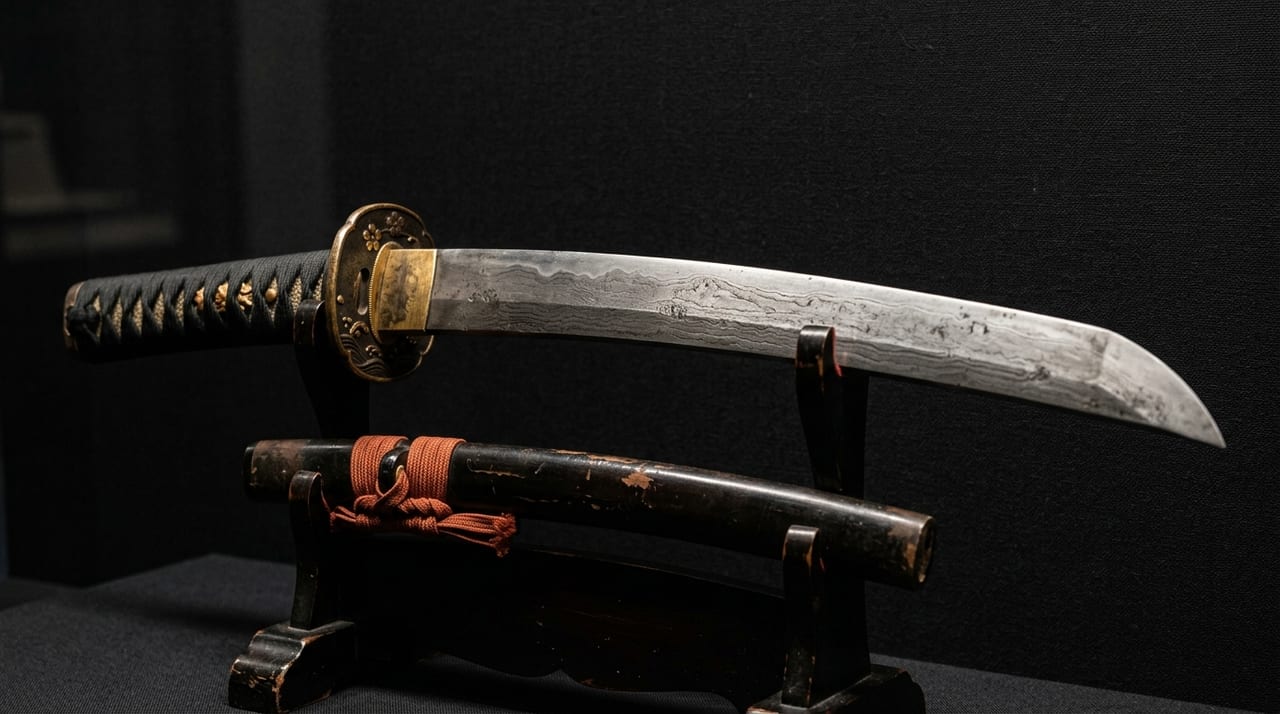
Visiting such venues and seeing the work of currently active tōshō provides a means to understand firsthand the current state of skills transmission. Moreover, since judgments regarding authenticity and quality of workmanship require specialist knowledge, it is desirable to engage with works with basic points in mind, such as checking for the presence of a kanteisho and confirming the issuing organization.
The Role of the Market in Supporting Skills Transmission
For the tōshō profession to continue to exist, it is also an important condition that a market exists in which works are actually valued and sought. Even after completing training, receiving production approval, and becoming independent, if works are not continuously accepted by the market, maintaining a workshop and taking on new apprentices becomes difficult. In that sense, the very existence of readers who take an interest in the work of modern tōshō and seek to understand the value of their works can itself be one element underpinning skills transmission.
Skills Transmission from a Global Perspective
If nihontō manufacturing skills are positioned as a common heritage of humanity in the manner of a world heritage site, then their skills transmission too must be considered from a global perspective. The mobility of trainees across national borders, international technical exchange, and the creation of technical materials in multiple languages hold the potential to function as new forms of skills transmission.