Swordsmithing Mass Production in the Sengoku Period | The Truth of How Kazuuchimono Supported the Battlefield
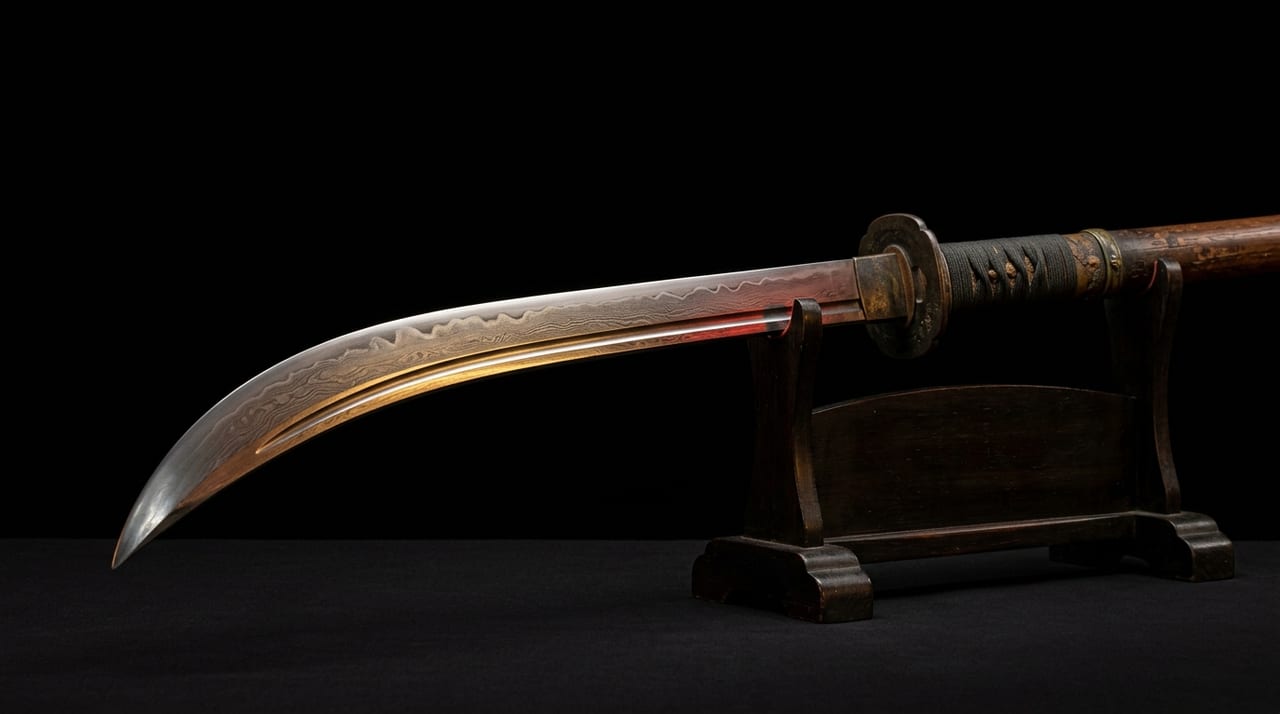 * Image is for illustrative purposes only.
Table of Contents
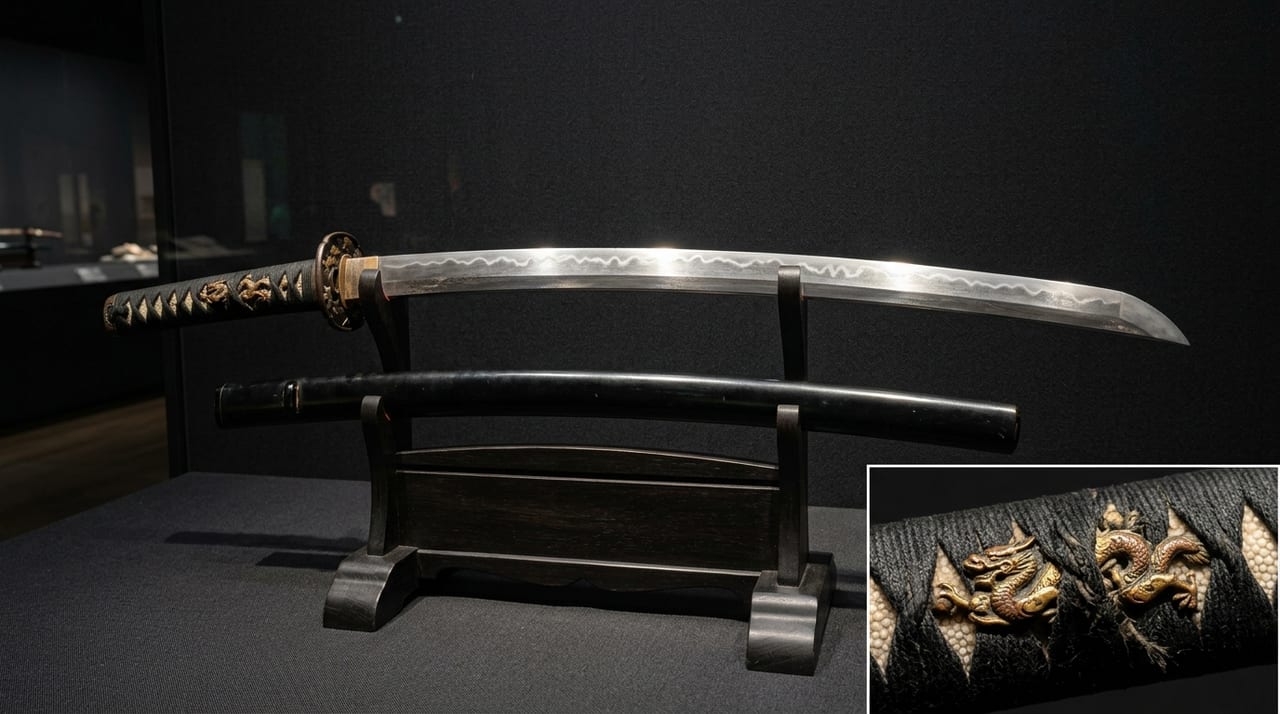
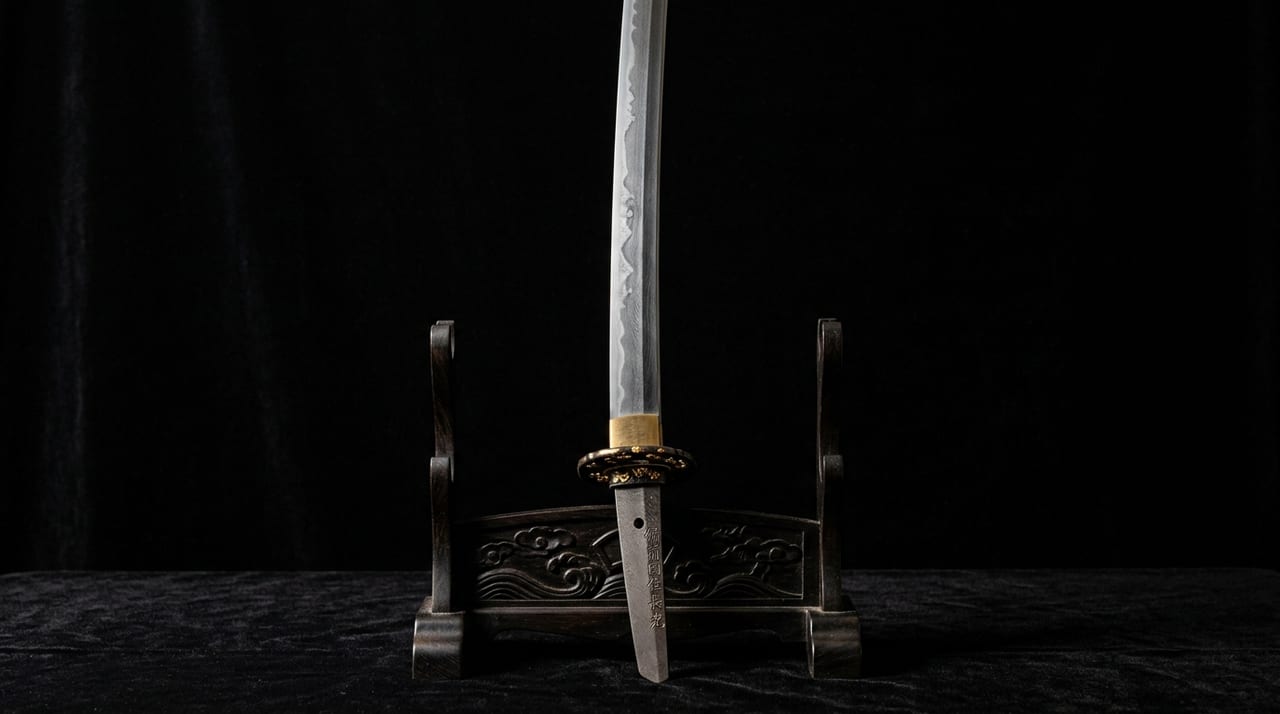
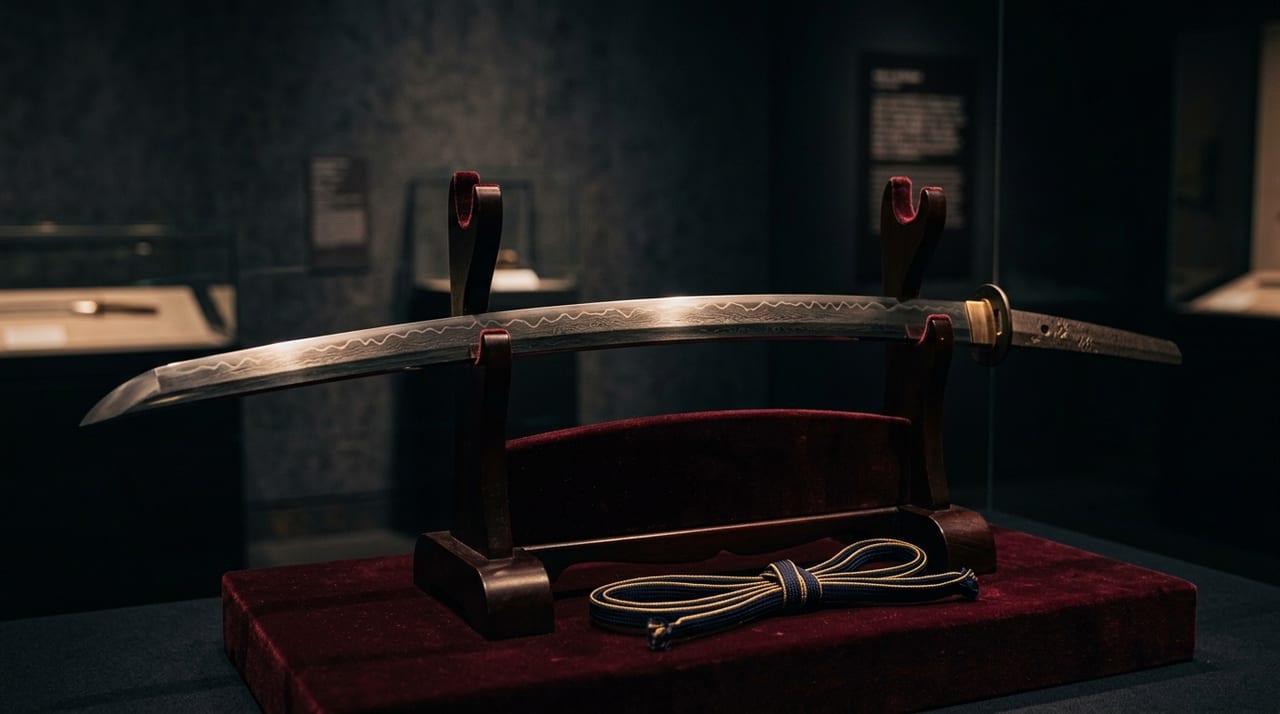
The Sengoku period (late 15th century to late 16th century) was the era of greatest warfare in Japanese history, and simultaneously a major turning point in the history of Japanese swords. In sword history, master craftsmen such as "Masamune, Yoshimitsu, and Kagemitsu" are often discussed, but in reality it was utilitarian swords called "kazuuchimono" (mass-produced swords) made in large quantities by unknown sword smiths that sustained the actual battlefields.
Why Were Kazuuchimono Needed?
Sengoku period warfare transformed from the one-on-one combat central to battles up through the Kamakura period to mass warfare involving large-scale mobilization of ashigaru and foot soldiers. In battles between daimyo, thousands to tens of thousands of soldiers needed to be mobilized, and to arm them all, the traditional method of master craftsmen forging one sword at a time could never keep pace. Thus was born the "kazuuchimono"—mass-produced swords created in short timeframes, at low cost, with practical functionality as the top priority.
Kazuuchimono generally simplified the forging process and downplayed the pursuit of ornate jigane and hamon, prioritizing practical battlefield functionality. Even if the cutting ability was merely adequate, securing the necessary quantity was what mattered most in warfare.
Mass Production System in Bizen — The Giant Workshops of Osafune
The center of mass-produced sword manufacture in the Sengoku period was Osafune in Bizen Province (present-day Setouchi City, Okayama Prefecture). Osafune had been known as a producer of fine swords since the late Heian period, but during the Sengoku period it dramatically expanded its mass-production system.
The sword smith groups of Osafune maintained a hierarchical structure of master, craftsmen, and apprentices, and operated through a division-of-labor system. By dividing processes such as forging, drawing out, quenching, and polishing among workers, they could complete swords many times faster than a single smith handling all stages. Such detailed explanations of sword-forging techniques became the foundation supporting the mass-production system of the Sengoku period. The lineage of the entire Osafune school is also explained in detail in the full history of the Bizen Osafune school.
Representative sword smiths whose names have been recorded include Sukesada, Tadamitsu, and Kiyomitsu. Swords bearing these signatures are believed to have been forged across generations by smiths with the same name, and although quality varied, many are thought to have been used on battlefields.
Mass Production System in Mino — Seki's "Kazuuchimono" Industry
Another major production center was Seki in Mino Province (present-day Seki City, Gifu Prefecture). Seki was known from the Sengoku period onward as the "town of sword smiths," with smith names such as "Seki Zenjō" and "Seki Magoroku" becoming famous. Seki's sword smiths, based in the Mino tradition, mass-produced highly practical swords.
Seki's distinguishing characteristics were its favorable geographical access to consumer markets (Owari, Ise, and Kyoto) and its supply networks for raw iron and charcoal from surrounding regions. As an industrial cluster rooted in the local area, it was able to build a large-scale mass-production system. Seki swords were supplied in large numbers to the armies of Nobunaga, Hideyoshi, and Tokugawa Ieyasu, supporting part of the unification of Japan.
Characteristics and Identification of Kazuuchimono
The characteristics of kazuuchimono, when compared to works by master craftsmen, are as follows.
- The kitae-hada is coarse, and the jigane has little luster.
- The hamon is simple, without complex gunome or choji midare.
- The kissaki shape is basic, with unclear distinction between o-kissaki and chu-kissaki.
- Signatures (mei) are omitted or the same signature appears in large quantities (such as "Sukesada" and "Kanemoto").
- The overall balance prioritizes mass production, with little individual artistic refinement.
These characteristics are also factors that led to the low aesthetic valuation of kazuuchimono as works of art. However, from historical and cultural perspectives, kazuuchimono represent precious material for understanding the realistic weaponry situation of the Sengoku period.
Historical Significance of Kazuuchimono
Kazuuchimono should not be dismissed as merely "rough swords." They have the following historical significance.
- They were the foundation enabling large-scale warfare in the Sengoku period and are essential to understanding the logistics systems and industrial organization of the era.
- On a different axis from master craftsmen's artworks, they demonstrate an important cultural transition: the "democratization of the Japanese sword."
- They were also a precursor to the division-of-labor among craftsmen and workshop-based industrial structures that developed from the early modern period onward, and as a subject covered in historical columns on Japanese swords, they are significant from an industrial history perspective.
Contemporary Evaluation of Kazuuchimono
In recent years, art historical re-evaluation of kazuuchimono has been advancing. In the past, the mainstream view held that "only works by master craftsmen constitute true Japanese swords," but recently the value of kazuuchimono as "practical Sengoku-period blades" has come to be recognized.
Museum exhibitions and research papers increasingly feature displays and analysis of kazuuchimono, and in collector markets they attract attention as entry-level products that offer authentic Sengoku-period pieces at accessible prices. For history enthusiasts and Sengoku history fans in particular, as "swords wielded by soldiers" more relatable than masterpieces by great craftsmen, they possess a unique appeal.
What Kazuuchimono Teach Us
Re-examining kazuuchimono becomes a key to understanding the history of the Japanese sword in multiple dimensions. If the brilliant works of master craftsmen represent "the sword as art," then kazuuchimono represent "the sword as tool." Only by considering both together does the full picture of Sengoku-period sword culture come into view.
When you next encounter kazuuchimono in a museum or sword shop, please imagine: "What ashigaru's hands held this blade?" Practical swords that absorbed the sweat and blood of nameless warriors and became part of history—within them is inscribed yet another story of the Japanese sword, different from that of celebrated masterpieces.