The Culture of Bundori Swords in the Sengoku Period: Post-Battle Sword Seizure and Warriors' Proof of Military Merit
 * Image is for illustrative purposes only.
Table of Contents
Bundori Customs—The Honor Culture of Sengoku Warriors
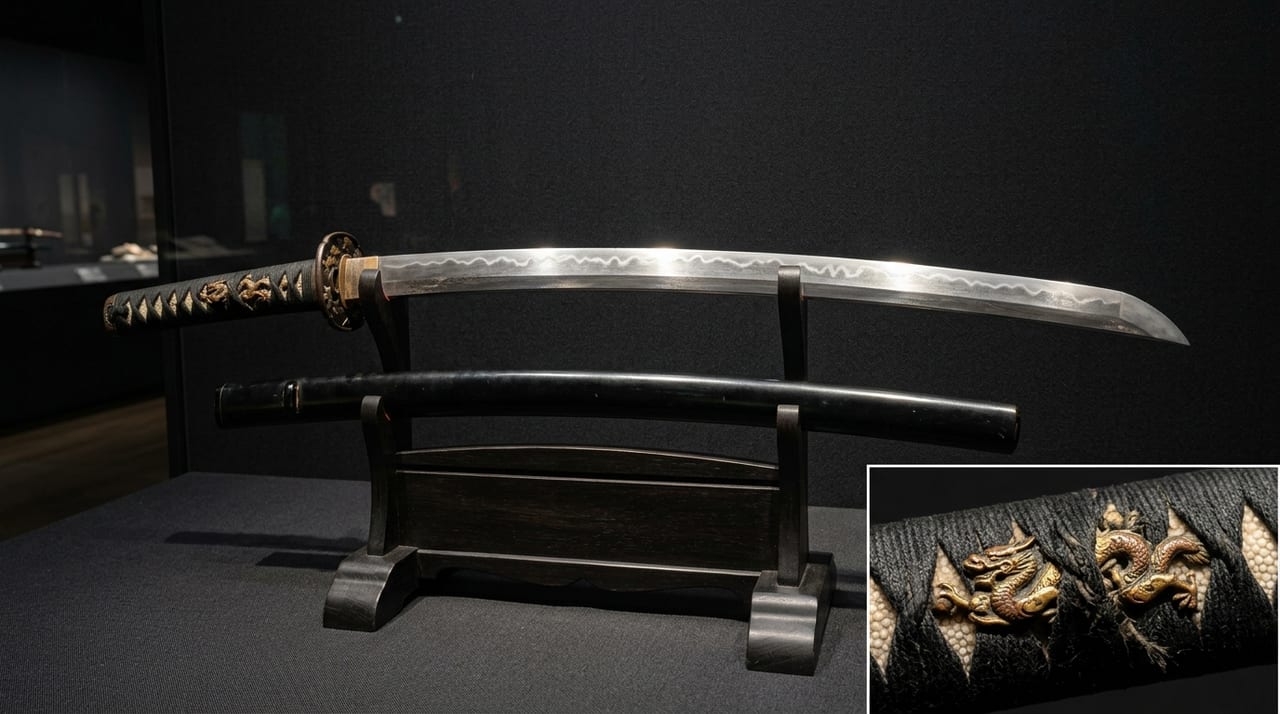
During the battles of the Sengoku period, the act of victorious warriors confiscating swords, armor, horses, and other war spoils from the defeated was called "bundori." Among these, the bundori of swords held special significance. The sword was the very identity of a warrior, and taking an enemy commander's sword was not merely obtaining a valuable item but also symbolically confiscating that warrior's prestige and power.
The custom of "bundori" was an institutionalized practice established during the Sengoku period and was clearly distinguished from mere plunder. Bundori on the battlefield was justified by the presence of witnesses and later confirmation, and was formally recognized as a war deed only after going through the process of reporting to and receiving acknowledgment from one's lord. This institutional character gave rise to records of the provenance of bundori swords.
War Deed Recognition and the Social Function of Bundori Swords
In the households of Sengoku daimyo, the recognition of war deeds was the basis for "chigyo"—that is, land stipends and promotion. Warriors submitted "kubi-chūmon" (head reports) or "senkō kakitsuke" (war deed memoranda) to their lords after battles to report their war deeds. In this process, bundori items—especially swords—functioned as important physical evidence.
Taking the head or sword of a famous commander was recognized as the greatest war deed. Defeating an enemy general in battle and bringing their head and sword was the highest honor for a warrior, and warriors had an incentive to target enemy commanders who possessed particularly valuable swords.
Some bundori swords were later returned to the warrior as a reward ("henkyu") from the lord. That is, the bundori item was first offered to the lord, and then the lord would give it back to the warrior who was the original owner. This had a ritualistic significance in strengthening the bond of the lord-vassal relationship, showing that swords functioned as a medium of trust and obligation between lord and vassal.
Famous Warlords and the Provenance of Bundori Swords
Many of the famous swords of the Sengoku period circulated through cycles of bundori, offering to the lord, and bestowal. By tracing their provenance, the relationships between warlords and power structures of the time come into view. Representative examples include the following swords.
| Sword Name | Provenance |
|---|---|
| Heshikiri Hasebe | Possessed by Oda Nobunaga and bestowed as a reward to Kuroda Kanbei (Yoshitaka/Jōsui) in 1578 (Tensho 6) (there are various theories about the origin of its name). Subsequently passed down in the Kuroda family and is currently housed in the Fukuoka City Museum as a National Treasure. |
| Honebami Tōshirō | A celebrated sword made by Awataguchi Yoshimitsu. Its ownership changed according to the transition of power through the Ashikaga shogunate, the Toyotomi family, and the Tokugawa family. |
It was not uncommon for a single sword to pass through the hands of multiple famous warlords, and its provenance itself enhanced the value of the sword. The phenomenon of meibutsu (celebrated) swords circulating through the hands of those in power became the background for forming a value category of swords called "meibutsu." Oda Nobunaga, who is said to have been particularly enthusiastic about sword collecting among Sengoku warlords, gathered celebrated swords through an active collecting activity called "meibutsu-gari" (hunting for celebrated works). The fact that Nobunaga valued swords as political and cultural capital alongside tea vessels shows the connection point between bundori culture and meibutsu collecting culture.
The Management and Distribution of Bundori Items—The Sword Economy of the Sengoku Period
How were swords gathered on the battlefield through bundori managed and distributed? I would like to consider this problem from the perspective of the sword economy during the Sengoku period.
After large-scale battles, large quantities of swords flowed from the defeated side to the victorious side. Particularly after large-scale siege warfare, the arsenals within the castle became subject to confiscation, and large quantities of swords could be placed into circulation at once. The distribution destinations of thus-captured swords were divided primarily into three categories.
- Those becoming offerings to the lord
- Those redistributed as rewards to those with merit
- Those flowing into the market through sword dealers
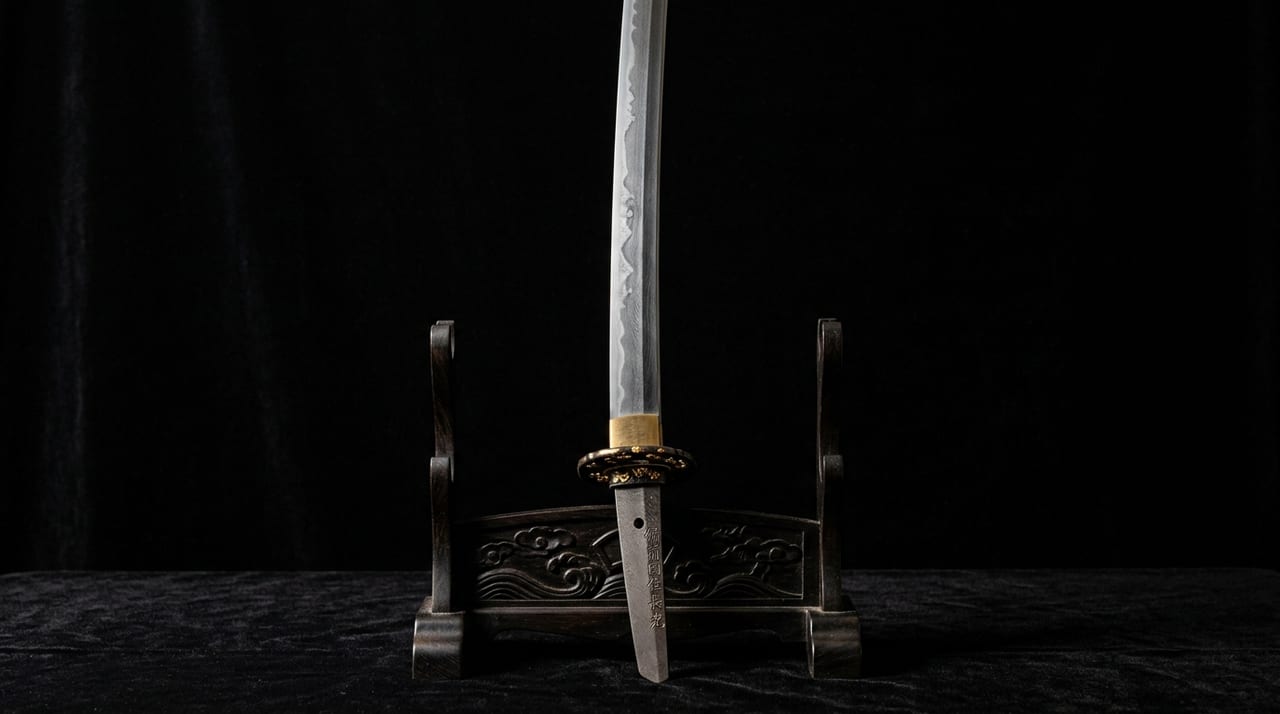
In this distribution process, the "wakizashi" played a particularly important role. Although the primary weapons used in battles were still tachi, spears, and bows and arrows at that time, the wakizashi worn constantly at the waist was a warrior's personal possession, and taking a wakizashi from the body of a defeated warrior was one of the most basic bundori practices. For this reason, the wakizashi became the most widely circulated type of sword in the bundori market after battles.
Inheritance into the Edo Period—The Transformation of Bundori Culture
When the Edo period arrived and an era of peace settled over all under heaven, actual battles disappeared and the opportunity for bundori vanished. However, the spiritual vestiges of bundori culture were inherited in various forms.
The most direct inheritance was the documentation of "swords demonstrating war deeds." During the Edo period, warrior families carefully preserved swords captured by their ancestors during Sengoku battles as family treasures and recorded their provenance in "kadensho" (family transmission records) or "yuisho-gaki" (provenance documents). Swords with a provenance such as "a sword taken by bundori from a certain warlord in a certain battle" were regarded as the finest family treasures as evidence of the family's historical glory.
Even after the Meiji-era prohibition on wearing swords, the stories of bundori swords were transmitted as important provenance information among sword collectors. In the modern sword market as well, swords with a confirmed Sengoku warlord provenance receive high evaluation. Bundori culture was a unique sword distribution system created by the turmoil of the Sengoku period and has become the source of the provenance of many celebrated swords that exist today.