Japanese Sword Culture of the Sengoku Period
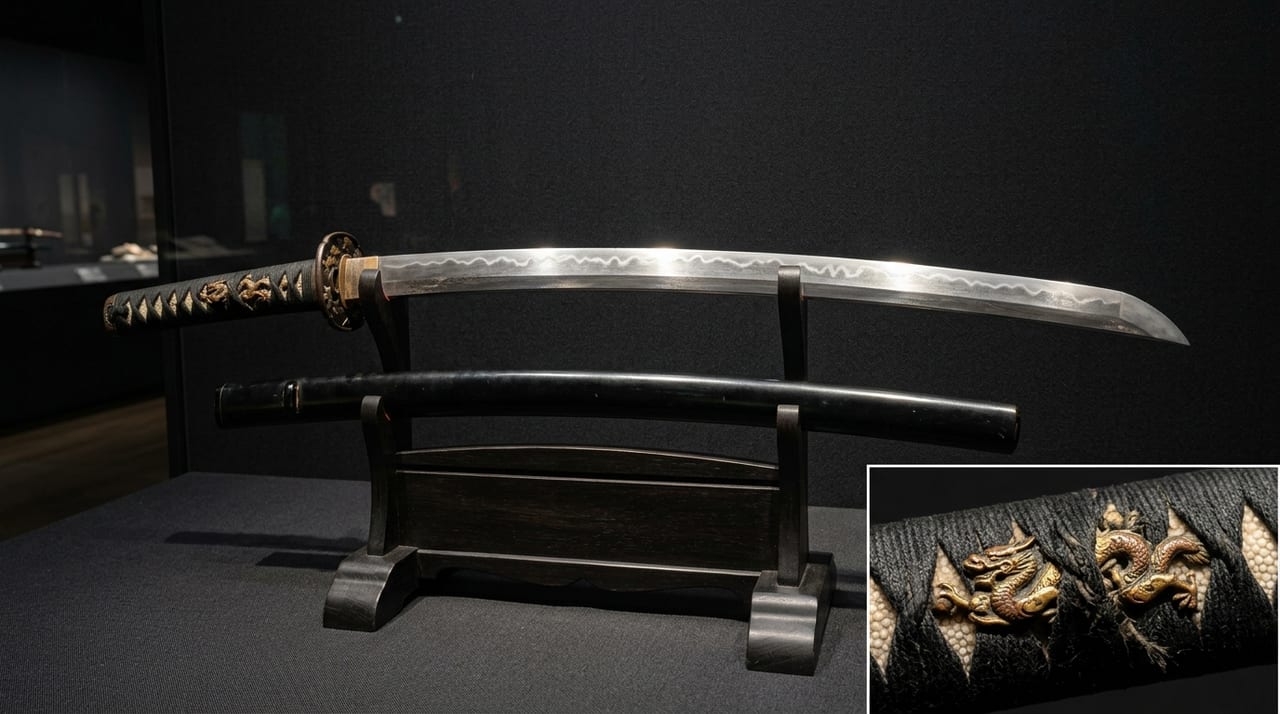 * Image is for illustrative purposes only.
Table of Contents
The Era of Warfare and Rising Demand for Swords
The Sengoku period, which began in the wake of the Ōnin War (1467), was a turbulent age spanning approximately 150 years of continuous warfare across Japan. As regional lords held sway and a culture of overthrowing superiors took hold, the sword became an indispensable weapon for samurai—a lifeline in battle—and demand for blades reached unprecedented levels.
During this era, the nature of warfare transformed dramatically. Combat shifted from aristocratic individual duels between mounted warriors to large-scale group battles centered on foot soldiers. While spears, bows, and later firearms (muskets) appeared on the battlefield, the sword remained a critical weapon for close-quarters combat and continued to be a primary arm for samurai. The massive mobilization required in Sengoku warfare created weapon demands of an entirely different scale than before, and swordsmiths throughout the land faced the new challenge of simultaneously achieving mass production and maintaining quality.
Against this backdrop, the sword culture of the Sengoku period developed in ways distinctly different from the Heian and Kamakura periods that preceded it.
The Form and Technical Characteristics of Sengoku-Period Swords
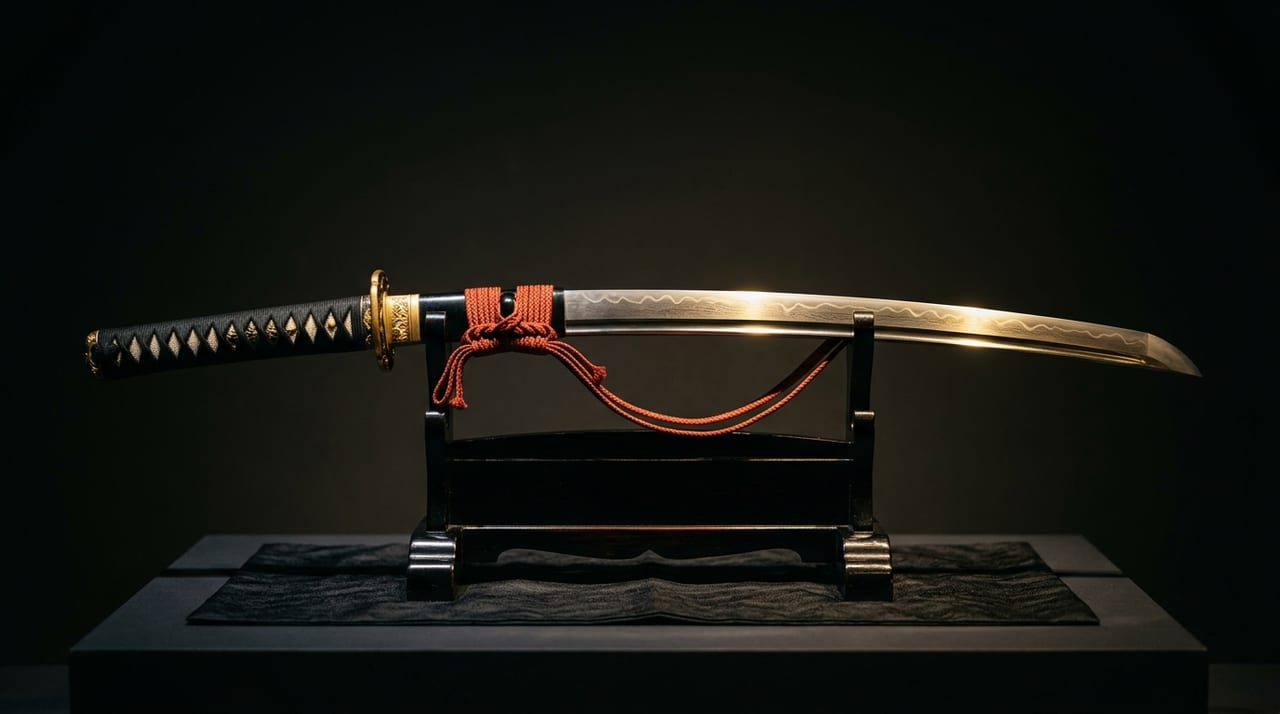
The tachi, which dominated the Heian and Kamakura periods, was worn suspended from the waist with the blade pointing downward. However, as the Sengoku period began, the uchigatana—worn thrust through the belt with the blade pointing upward—became the mainstream. This shift had practical reasons: as foot combat became more common, the convenience of the uchigatana's quick draw was highly valued.
The standard uchigatana was roughly two shaku (about 60 centimeters) in length, though swordsmiths produced blades of various dimensions tailored to individual daimyo preferences and battlefield tactics. Swords of this era, made for actual combat, required robust construction with abundant meat and a strong build. While the quality of forging was still important, practicality—a blade that neither broke nor bent and cut effectively—took precedence.
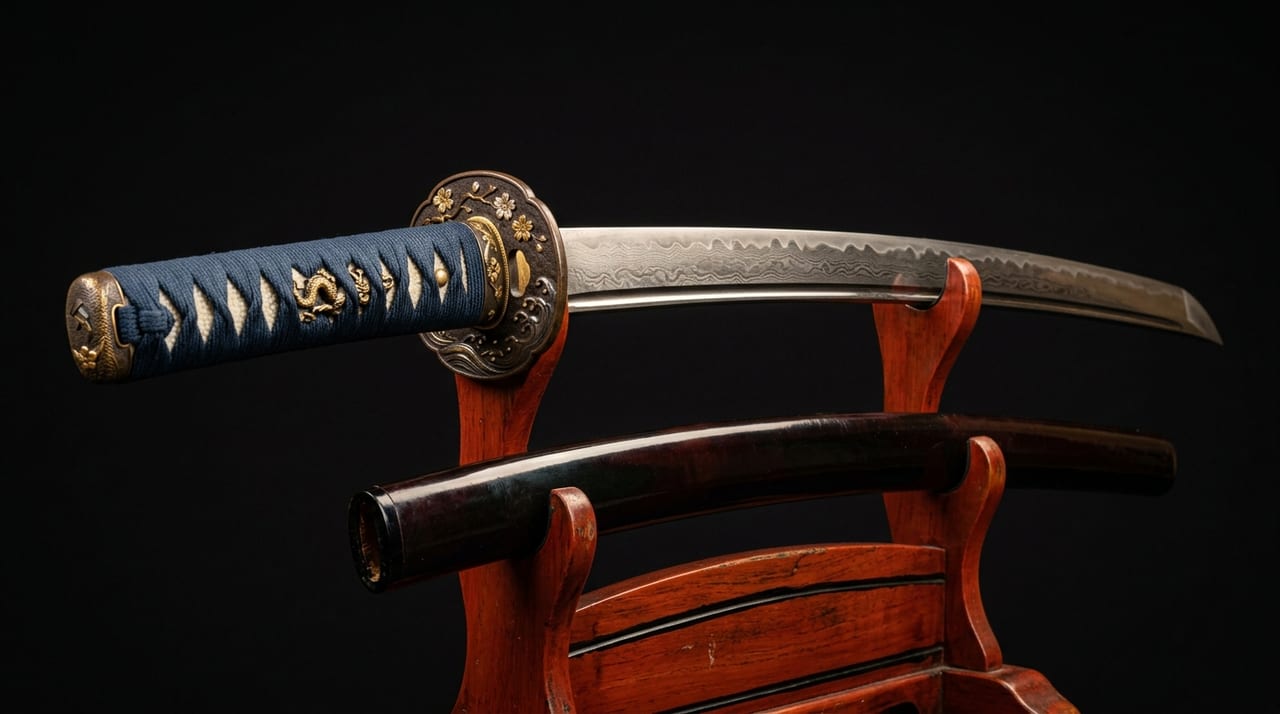
The hamon also bore the marks of the era. Diverse hamon patterns developed—such as random, gunome, and chōji—reflecting both individual smiths' artistry and regional traditions, creating rich expressions. By the late Sengoku period, mass production demands led many smiths to produce somewhat simplified finishes. This range and variety itself became a hallmark of Sengoku-period sword culture.
Major Sword-Producing Regions and Swordsmith Lineages
The foremost sword-producing regions of the Sengoku period included Bizen Province (present-day Okayama Prefecture), Mino Province (present-day Gifu Prefecture), and Sōshū (present-day Kanagawa Prefecture). The characteristics of each region are as follows:
| Region | Smiths and Production Centers | Hamon and Stylistic Features |
|---|---|---|
| Bizen Province (present-day Okayama Prefecture) | Osafune was a major sword production center continuing from the Kamakura period. Many smiths gathered there during the Sengoku period, producing large quantities of blades | Known for the chōji-midare hamon of the Bizen tradition, its style combined beauty with practicality and was widely valued |
| Mino Province (present-day Gifu Prefecture) | The city of Seki developed significantly as a sword production center. Kanemoto was widely known by the nickname "Mino no Mago-Roku," and his swords were highly regarded in subsequent generations | Characterized by the pointed gunome distinctive to the Mino tradition, producing many robust, practical blades suited for actual combat |
| Ise Province (present-day Mie Prefecture) | Muramasa left behind a notable name | Known for its sharp, keen edge |
| Sōshū (present-day Kanagawa Prefecture) | The techniques were established by Masamune from the Kamakura period | The Sōshū tradition, characterized by complex jihada and vigorous, wild hamon |
The influence of the Sōshū tradition spread throughout the country, and during the Sengoku period, smiths in each region incorporated its techniques into their own work. In this way, the sword culture of the Sengoku era developed richly as regional traditions interacted and fused with one another.
Samurai and Swords—Symbols of Status and Spirituality
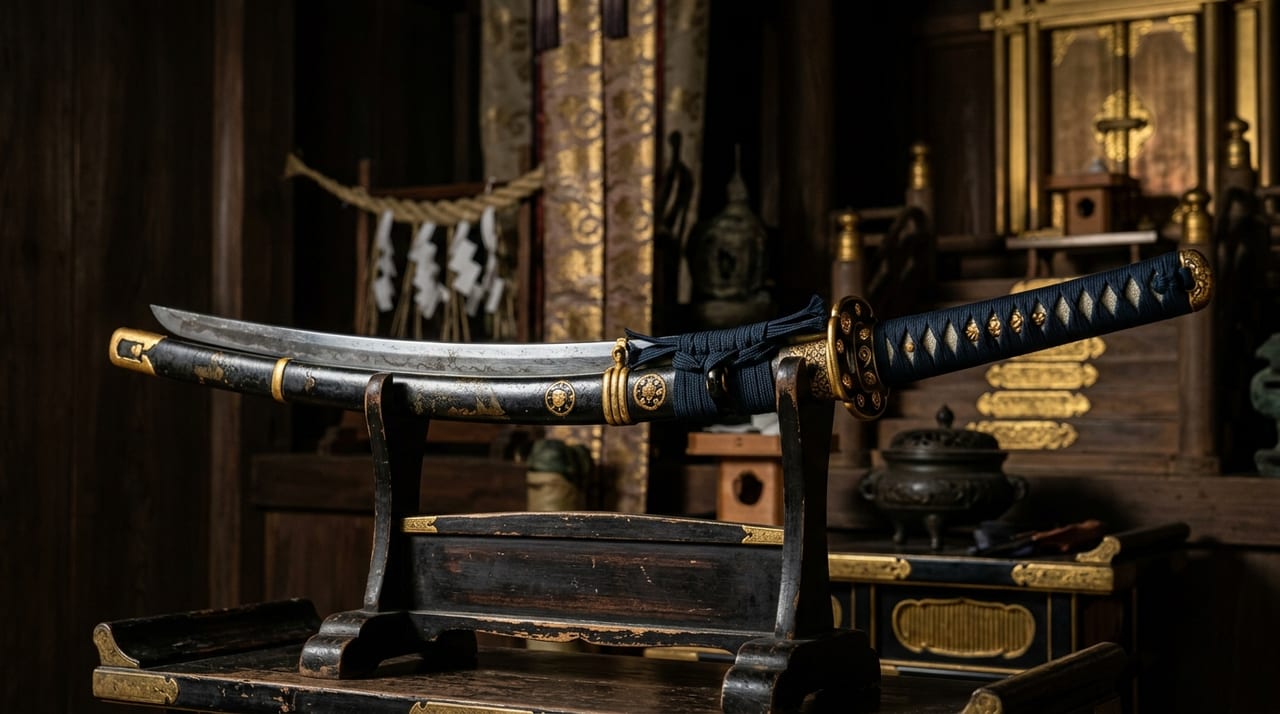
During the Sengoku period, swords transcended their role as mere weapons to embody the samurai's status and spiritual essence. A lord ruling a single castle and province would carefully preserve a renowned blade as a family treasure, and bestowing such a sword upon a retainer as a reward was far from uncommon. The exchange of celebrated swords held ritual significance, marking the establishment or strengthening of lord-vassal relationships, and swords functioned as political and diplomatic tools.
Sengoku daimyo devoted considerable effort to collecting renowned swords. Possessing an excellent blade was a mark of authority, and the culture of appreciating and evaluating swords came to be valued as part of a samurai's education. This interest in celebrated swords would later become the foundation of the sword connoisseurship and appreciation culture of the Edo period.
Moreover, the sword bore profound spiritual significance as the samurai's soul. Treating a sword with reverence was an aspect of bushido, and belief in the spiritual power residing in renowned blades was widespread. This philosophical foundation elevated the sword beyond a mere tool, becoming a major force in shaping Japan's distinctive sword culture.
Toyotomi Hideyoshi's Sword Hunt and the Transformation of Sengoku Culture
In 1588, as he stood on the verge of national unification, Toyotomi Hideyoshi issued the "Sword Hunt Edict." This policy confiscated swords, bows, and other weapons from farmers and temples, aimed at advancing the separation of warrior and peasant classes and establishing a clear distinction between samurai and commoners.
The sword hunt resulted in the collection of vast quantities of blades, many of which were melted down for other uses. At the same time, this policy institutionally established swords as the exclusive possession of samurai and positioned the sword as a mark of samurai status. Following the Battle of Sekigahara (1600) and the establishment of the Edo shogunate, the practical combat culture of Sengoku swords underwent transformation. Blades increasingly took on meaning as symbols of the samurai's status and formal dress in an age of peace.
Thus, the sword culture of the Sengoku period, containing within it contradictions between practicality and spirituality, mass production and individuality, formed a unique era of brilliance in the history of the Japanese blade. Its legacy lives on in the swords that survive to the present day.
The Value and Appreciation of Sengoku Swords in Modern Times
Sengoku-period swords continue to attract high interest from enthusiasts and researchers today. The works left behind by smiths of that era embody the tension of the times and the skill of their makers, possessing historical and cultural value that transcends mere antiques. Among extant Sengoku-period blades, some are designated as National Treasures, Important Cultural Properties, or Important Art Objects, and are displayed and studied in museums and galleries.
When appreciating and collecting swords, it is important to understand multiple complex factors: regional traditions (production-region style), swordsmith signatures, historical context, and condition of preservation. Understanding the specific historical context of the Sengoku period deepens the story that a single blade carries. The transition from tachi to uchigatana, the competition and technical exchange between regions, the social transformation brought about by the sword hunt—when approaching a sword with these historical currents in mind, one can sense the breath of an age sealed within the steel.
At toukenza's online marketplace, you can view swords from the Sengoku period and other eras accompanied by detailed explanations. Feel the weight of history and culture as you search for your treasured blade.