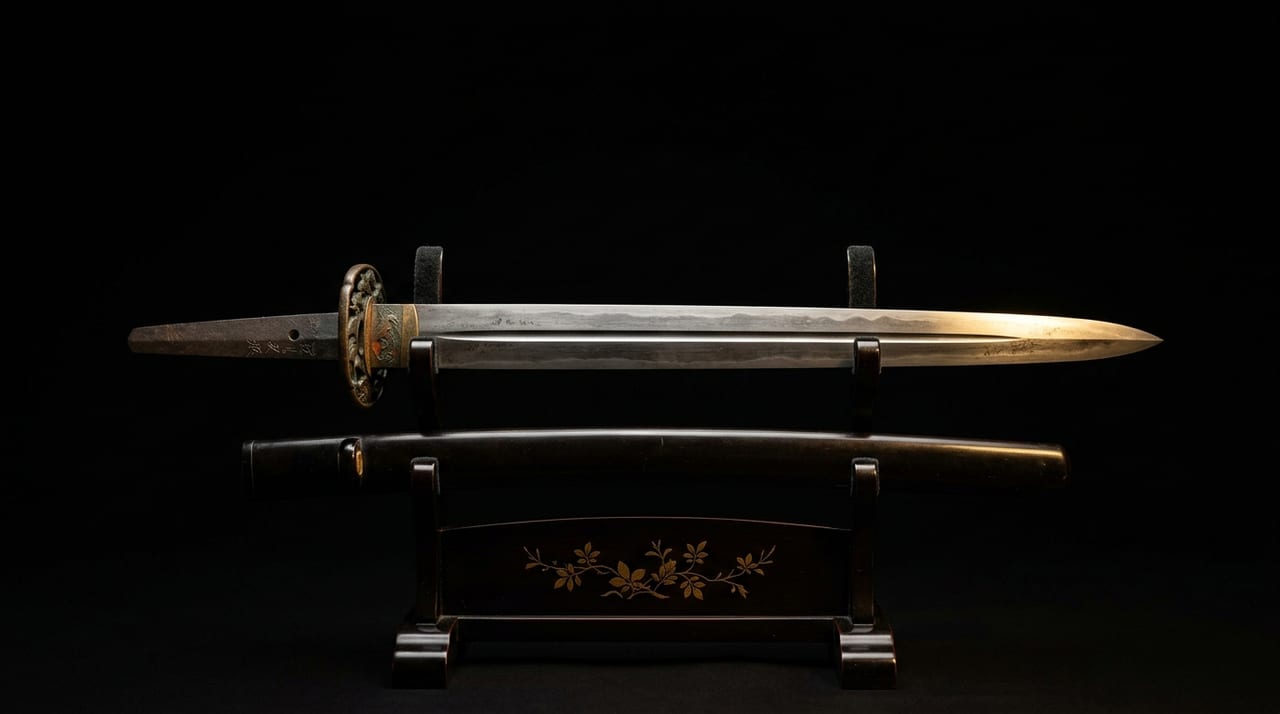
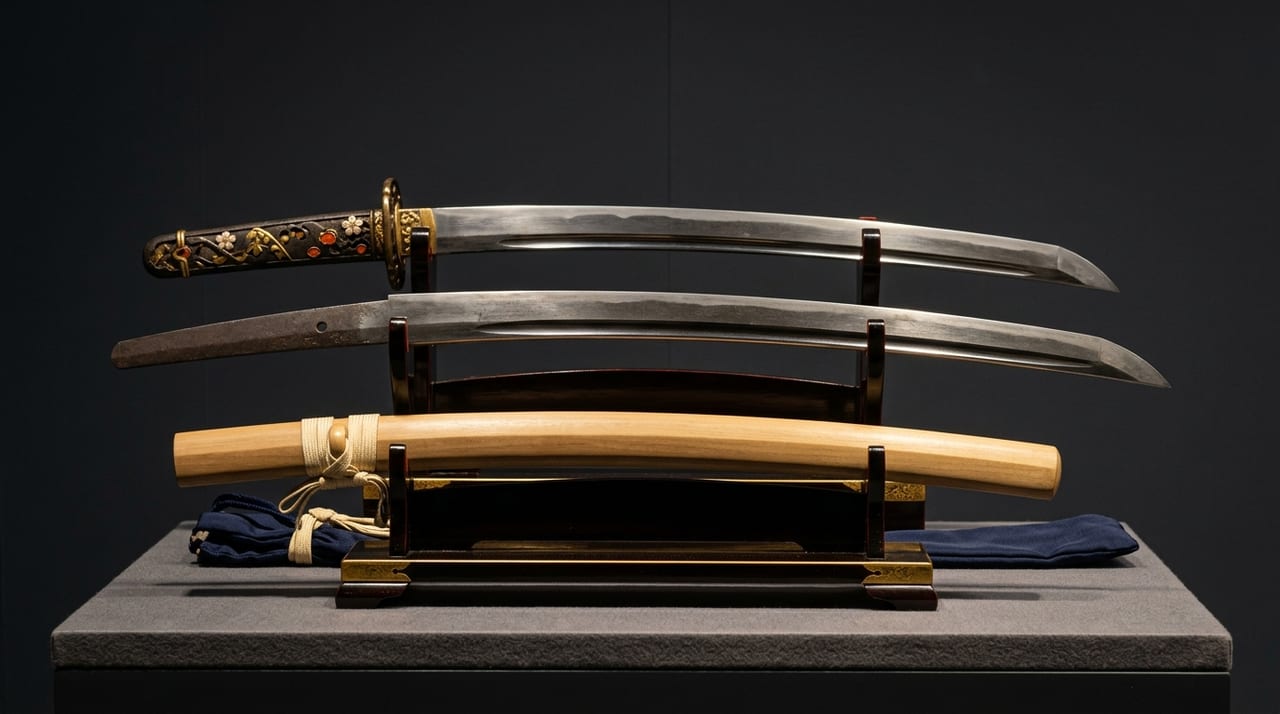
Wakizashi and Tanto: Differences in Japanese Sword Types and Uses
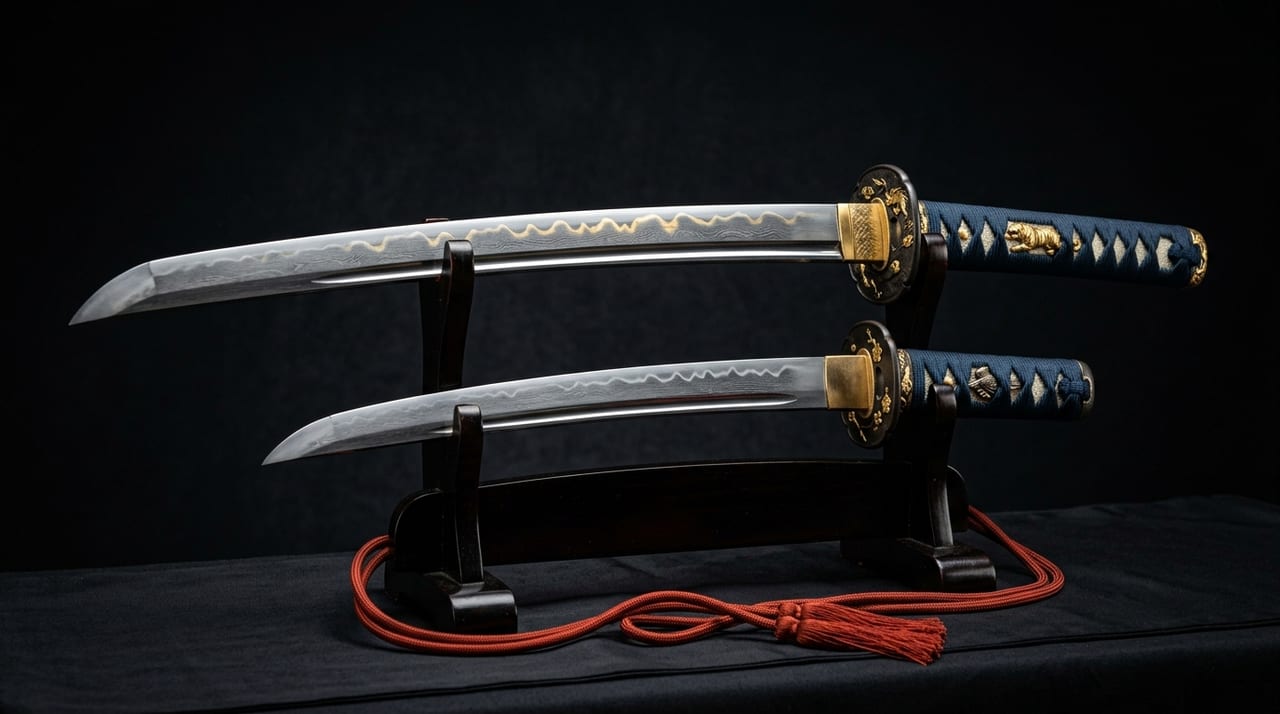 * Image is for illustrative purposes only.
Table of Contents
Wakizashi and Tanto: Types of Japanese Swords and Differences in Purpose
The world of Japanese swords is deep, and even though they are simply called "swords," many types exist. Among them, "wakizashi" and "tanto" are representative types of Japanese swords along with longer swords, but surprisingly few people truly understand the differences between them. By explaining in detail the differences between wakizashi and tanto from multiple perspectives—blade length, purpose, historical background—I hope to guide toward a deeper understanding of Japanese sword culture.
Classification Standards of Japanese Swords
The classification of Japanese swords is primarily conducted based on blade length. Based on the hassaké (the length from the tip of the blade to the root), they are classified as follows.
| Type | Blade Length | Characteristics/Background |
|---|---|---|
| tachi | 60cm or more | Originally made for use in field battles and cavalry combat |
| uchikatana | 60cm or less | Became generalized from the Muromachi period onward, along with the culture of carrying swords by wearing them on the belt |
| wakizashi | 30cm or more, less than 60cm | Primarily used for self-defense and supplementary close-range combat |
| tanto | Less than 30cm | Tool used primarily indoors and with strong ceremonial significance |
This classification standard is extremely strict, and even a 1cm difference can result in different categorization. This is an extremely important standard for understanding the history and culture of Japanese swords.
Characteristics and Purpose of Wakizashi
The character for "waki" in wakizashi refers to "side," meaning a sword carried at the side, or a sword worn at the side. The blade length of 30cm to less than 60cm is positioned between long swords and short swords, making it a highly versatile length that can respond to various situations.
Wakizashi was formally established as a status symbol of the samurai in the early Edo period. According to the Tokugawa shogunate's samurai status regulations, samurai were required to wear two swords on the belt—a long sword and a wakizashi. This was called daishō and became a symbol of the samurai. The long sword was used for close-range combat, while the wakizashi was used for defense and combat at extremely close range.
In actual combat, the tactic was to fight while maintaining distance from the enemy with the long sword, and if the enemy approached or the movement of the long sword was restricted, the wakizashi would be drawn to counter. Additionally, wakizashi excelled in indoor combat and response in limited spaces, making it an essential weapon for most samurai.
Characteristics and Purpose of Tanto
Tanto is the shortest Japanese sword, with a blade length of less than 30cm. This length is a dimension intended for use indoors and defense at close range. Tanto has multiple purposes and types.
- "Kaisōken": A short sword carried by women tucked into their belt, with aesthetics and status being stronger aspects than practical self-defense
- "Chashōtō": Used in tea ceremony rituals, for cutting papers used in tea ceremony and manipulating tools in use
- Tool for ritual suicide: Used as a means of ritual suicide when defeated in battle, representing an aspect symbolic of the tragic nature of Japanese culture
However, for modern collectors and enthusiasts, they are highly valued as objects for appreciating beautiful blade patterns, carvings, and decorations.
Differentiation of Usage in Actual Combat
During the Sengoku period's actual combat, the differentiation between wakizashi and tanto varied depending on battlefield conditions. In combat brought to close quarters through long sword fighting, wakizashi served as a secondary weapon. However, in indoor combat—such as confrontations in castle corridors or ambushes within buildings—tanto was extremely effective.
Additionally, the type of sword used was determined by the samurai's social rank. Samurai of higher status followed the convention of possessing superior wakizashi and tanto. The technique, beauty, and luxury of decoration of a sword were important indicators of the social status of its owner.
Modern Evaluation of Wakizashi and Tanto
In modern times, collectors and museums highly value wakizashi and tanto. Particularly wakizashi and tanto from older periods, such as the Muromachi or Sengoku periods, are extremely rare, and their appraised value is very high.
The beauty of wakizashi lies in its unique aesthetics distinct from long swords. Despite the shorter blade, skilled sword smiths were able to create complex and beautiful hamon. Additionally, tanto often had engravings, inlays, and other decorations, giving them high value as artistic works.
The value of wakizashi and tanto is not determined solely by age. Multiple factors are comprehensively evaluated: the mastery of the sword smith, the beauty of the hamon, the quality of the steel, and the condition of preservation. Even wakizashi from the same Edo period can differ greatly in value depending on whether the creator is a famous sword smith. Additionally, in the case of tanto, the historical background of what purpose it was used for is also an important element in value judgment.
How to Choose Wakizashi and Tanto
When beginning to collect Japanese swords, starting with wakizashi or tanto is actually a wise choice. They are easier to maintain than long swords and require less display space. Additionally, wakizashi and tanto are often less expensive than long swords, making them an accessible category for beginning collectors.
When selecting wakizashi or tanto, several points require attention.
- Preservation condition: It is necessary to check whether there is rust on the blade surface or chips on the edge
- Beauty of the hamon: The sharper and more complex the patterns of the hamon, the higher the technique of the sword smith
- Luster of the jihada: The jihada of a properly polished sword should have a unique luster
When browsing wakizashi or tanto in online catalogs, it is important to compare multiple works. By viewing multiple works from the same period and genre, you will gradually begin to see the difference between excellent works and ordinary works. Through this process, your aesthetic eye will be cultivated.
Conclusion
Wakizashi and tanto are indispensable important elements in understanding Japanese sword culture. The simple difference in blade length has a major impact on usage method, aesthetics, and historical role. For modern Japanese sword enthusiasts, understanding the differences and value of wakizashi and tanto is the first step toward deepening understanding of Japanese sword culture as a whole. If you have questions about value assessment or purchase consultation for wakizashi or tanto through our contact form, our specialized staff will provide support.