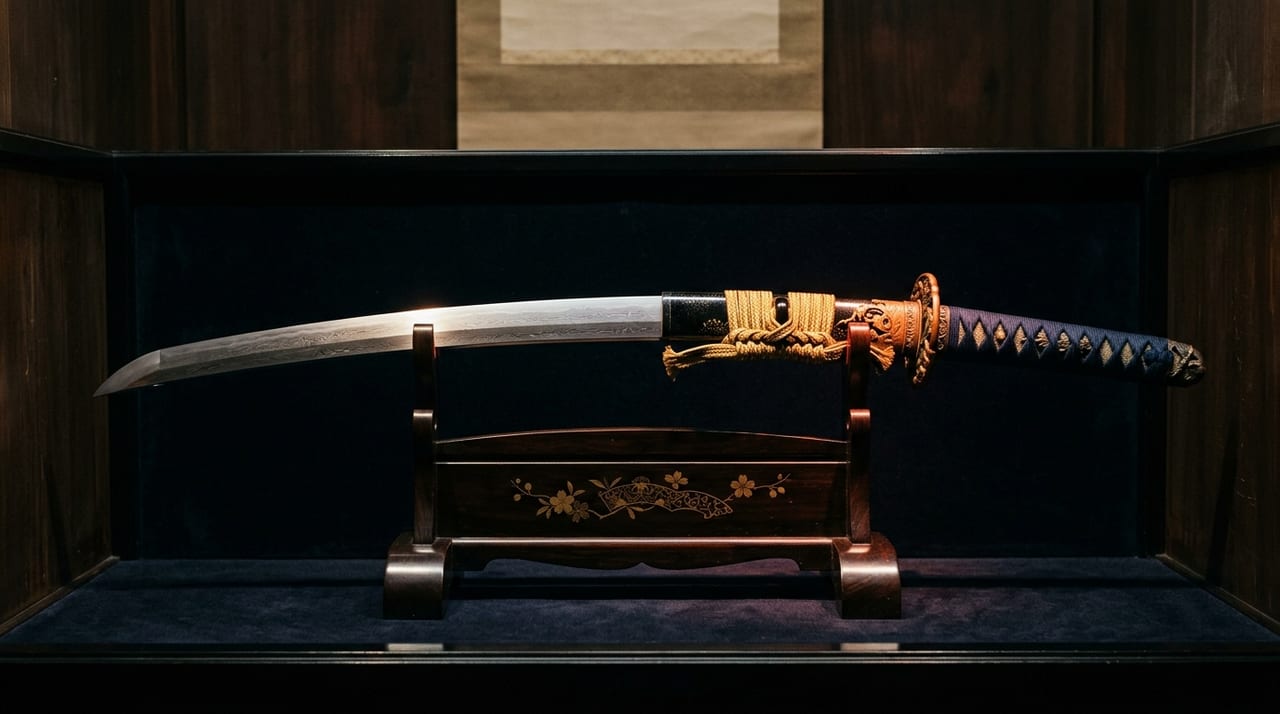
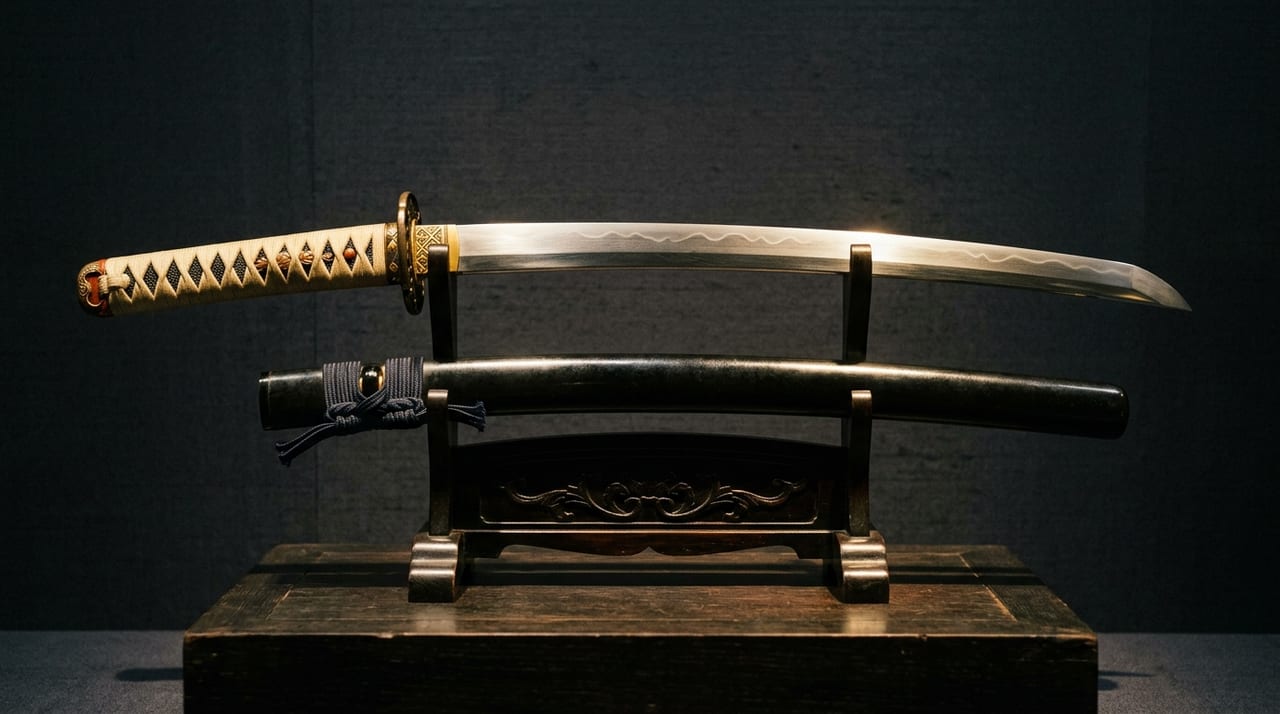
Meito and the Aesthetic Consciousness of Muromachi Samurai
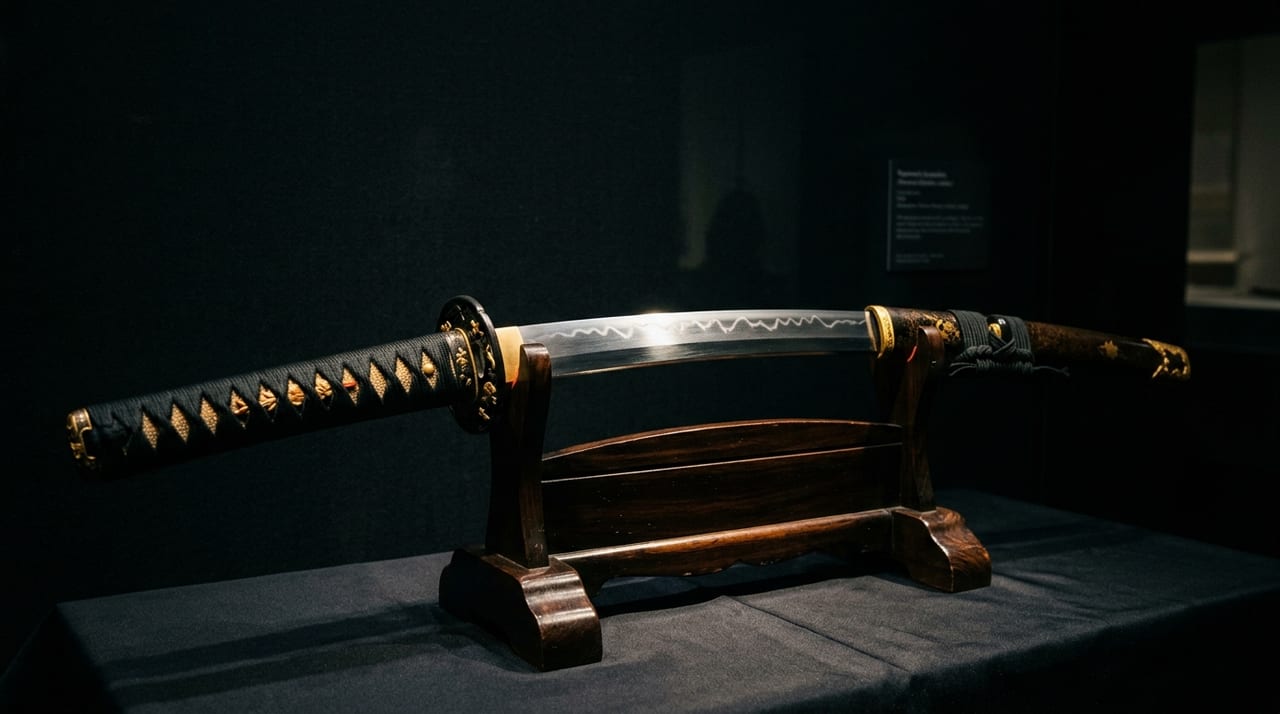 * Image is for illustrative purposes only.
Table of Contents
Masterpiece Swords of the Muromachi Period and Samurai Aesthetic Sensibility
The Muromachi period was an era in which the highest-level techniques in the history of Japanese swords blossomed. During this period spanning the 15th to 16th centuries, sword smiths successively produced masterpieces by fusing exceptional aesthetic sensibility with advanced forging techniques. The fact that many swords created in this era continue to receive the highest evaluations among museums and private collectors today is testament to their high degree of completion.
There are many reasons why swords of the Muromachi period are highly valued by collectors today.
- The sword smiths of this era were craftspeople possessing the highest level of technical skill, and the swords they created possess superior sharpness and aesthetic qualities even in modern times
- These swords have acquired the status of art possessing timeless aesthetic value, and are recognized not merely as weapons but as cultural heritage
What is the Muromachi Period?
The Muromachi period refers to a span of approximately 237 years in Japanese history from 1336 to 1573. From the establishment of the Muromachi Shogunate by Ashikaga Takauji to its fall at the hands of Oda Nobunaga, this era was a peculiar time during which political turmoil and cultural development proceeded simultaneously as a transition to the Sengoku period. From the perspective of sword production, this period marked the moment when the practical military needs of samurai and aesthetic aspirations fused at their highest level.
With the frequent occurrence of warfare, demand for swords increased dramatically. However, it was not merely a matter of quantity—qualitative improvement in swords was demanded. Excellent sword smiths devoted themselves daily to developing their craft in order to meet the demands of samurai who sought swords that were sharper, more resistant to bending, and more beautiful. This synergistic evolution is one reason why swords of the Muromachi period are highly valued.
Major Sword Smiths and Styles of the Muromachi Period
Many excellent sword smiths were active during the Muromachi period. Among them, particularly famous were the sword smiths of Bizen Province (present-day Okayama Prefecture). Bizen was long known as a center of sword forging, and during the Muromachi period this tradition deepened further.
Meanwhile, sword smiths of Soshu (Kanagawa Prefecture) were also active. The pinnacle of Soshu was undoubtedly Masamune and the sword smiths of his lineage. Although Masamune lived in the Kamakura period, his techniques exerted great influence on sword smiths of the Muromachi period.
| Lineage | Characteristics | Famous Sword Smiths |
|---|---|---|
| Bizen Swords | Wide blade bodies and elegant curvature. Hamon patterns were based on straight edges or subtle undulations, achieving a balance between durability and beauty, and continue to be highly valued today | Nagayoshi, Masukage |
| Soshu (Masamune Lineage) | Known for excellent sharpness and beautiful hamon patterns, objects of admiration for samurai | Masamune |
The Historical Context of Aesthetic Sensibility
The reason the Muromachi period pursued the beauty of swords was not merely the pursuit of practicality. This was an era in which Zen culture and chanoyu culture flourished, sharpening the aesthetic sensibility of samurai. Swords too were influenced by the cultural trends of the era.
The polished luster of the blade surface, the subtle linear beauty of the hamon pattern, and the decorative beauty of the handle and scabbard became indispensable values for samurai. The sword was no longer merely a weapon, but became a work of art demonstrating one's aesthetic sense and status. By browsing swords of the Muromachi period in online catalogs, you will fully understand the high aesthetic awareness of the sword smiths of that era.
Samurai of the Muromachi period placed emphasis on cultivating the ability to appreciate the beauty of swords. Owning excellent swords and understanding their beauty was an important element in demonstrating one's cultivation and refinement as a samurai. This cultural background drove sword smiths to pursue beauty at the highest level, and as a result, the swords of the Muromachi period became a collection of the finest masterpieces in history.
Technical Characteristics of Muromachi Period Swords
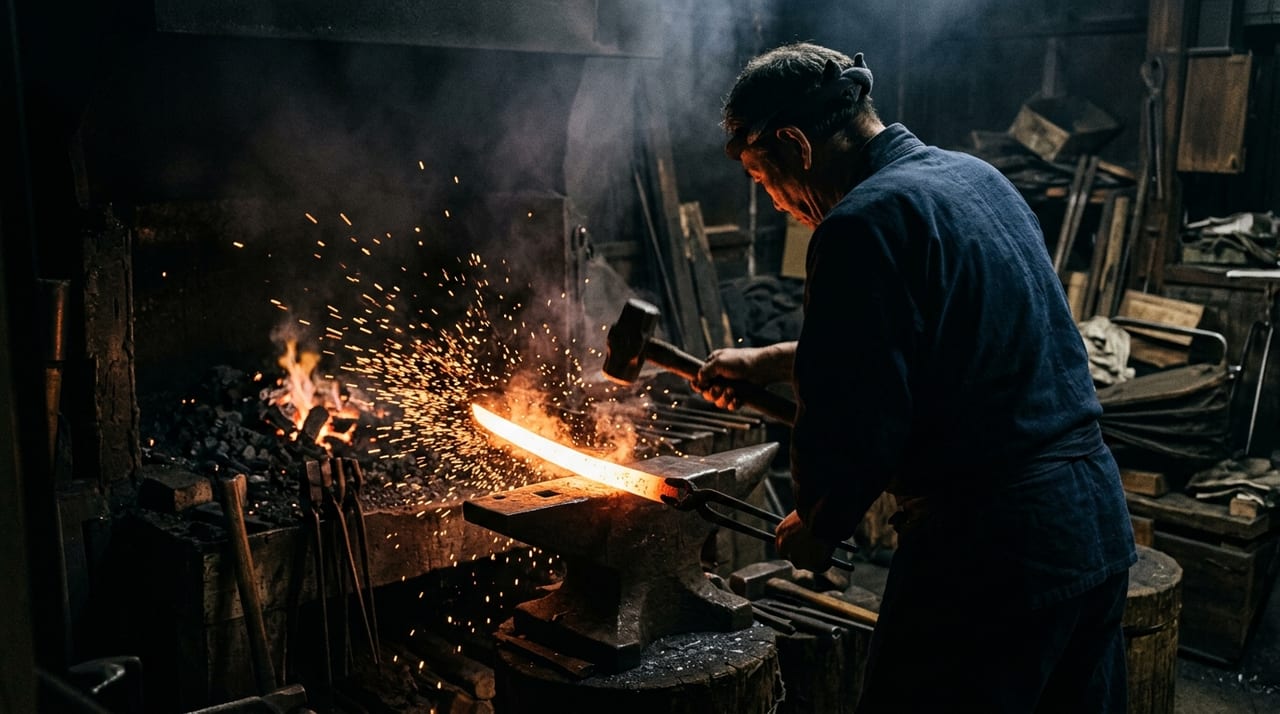
Technically, sword smiths of the Muromachi period employed sophisticated forging techniques. By precisely heating and cooling tamahagane, they created blade bodies possessing ideal hardness and flexibility. The technical refinement evident in the hamon patterns is so sophisticated that it serves as reference for modern sword smiths.
Furthermore, there was a tendency during this era for the dimensions of various parts of the sword to become standardized. This ensured consistency in quality while intensifying technical competition among sword smiths. The efforts of individual sword smiths to create swords with superior sharpness and greater beauty supported the vitalization of the sword smiths' culture of the Muromachi period.
Representative Sword Smiths of the Muromachi Period
There were many renowned sword smiths during the Muromachi period. Many schools were active, including Nagayoshi of Bizen Province, the lineage of his disciples, and the Masamune lineage of Soshu. Particularly, swords bearing era names such as Einin and Shitoku are extremely treasured and hold immense value for collectors.
These sword smiths did not merely possess technical excellence; by incorporating aesthetic sensibility into the sword as a weapon, they elevated Japanese sword culture to an art form. Each smith possessed a unique personal style such that one could identify the maker by looking at the sword.
Collecting and Appreciating Muromachi Period Swords
The reason modern collectors pursue Muromachi period swords is not merely their high degree of perfection. Muromachi period swords are products of an era in which Japanese culture flourished most abundantly, allowing one to directly experience the spirit of that age.
When purchasing a Muromachi period sword, it is important to seek the advice of a trustworthy expert. Sword authentication requires deep knowledge and experience, and there are many points difficult for an amateur to distinguish. Only by confirming that it is an authentic Muromachi period sword and understanding its preservation condition can one begin to own it with peace of mind.
Transmission to the Modern Era
The aesthetics and techniques of swords perfected in the Muromachi period exerted great influence on subsequent eras. Sword smiths of the Edo period also established their own styles while learning from the masterpieces of the Muromachi period. And modern sword enthusiasts also find in Muromachi period swords the pinnacle of their beauty and technique.
To hold a Muromachi period sword is to directly experience the advanced development of Japanese culture. Learn about Muromachi period swords online and fully savor their beauty.