Weapon Procurement and Sword Prices in the Sengoku Period: Market Rates and Procurement Realities for Swords, Spears, and Firearms Paid by Sengoku Daimyo
 * Image is for illustrative purposes only.
Table of Contents
The Sengoku-Period Weapons Market: Explosive Demand and Supply Challenges
The Sengoku period, during which warfare became endemic across Japan following the Ōnin War (1467), was a historically explosive era of weapons demand. For Sengoku daimyo mobilizing forces ranging from hundreds to tens of thousands of men, securing a stable supply of weapons was a matter of military survival.
The principal combat weapons of the Sengoku period can be divided into three broad categories. The first is bladed weapons such as swords, wakizashi, and tantō; the second is bladed polearms such as spears and naginata; and the third is firearms (matchlock guns). The procurement costs, acquisition channels, and market structures of these weapons differed greatly from one another.
Weapons prices can be confirmed in the historical record only from limited primary sources such as the revenue and expenditure records of daimyo domain lands (kurairiuchi), logistics ledgers, and trade records with weapons merchants. However, surviving sources are fragmentary, and it should be noted in advance that the prices given below are estimates based on the comparative analyses of multiple researchers.
The Price Range of Swords: From Kazuuchi-mono to Master Swordsmiths' Blades
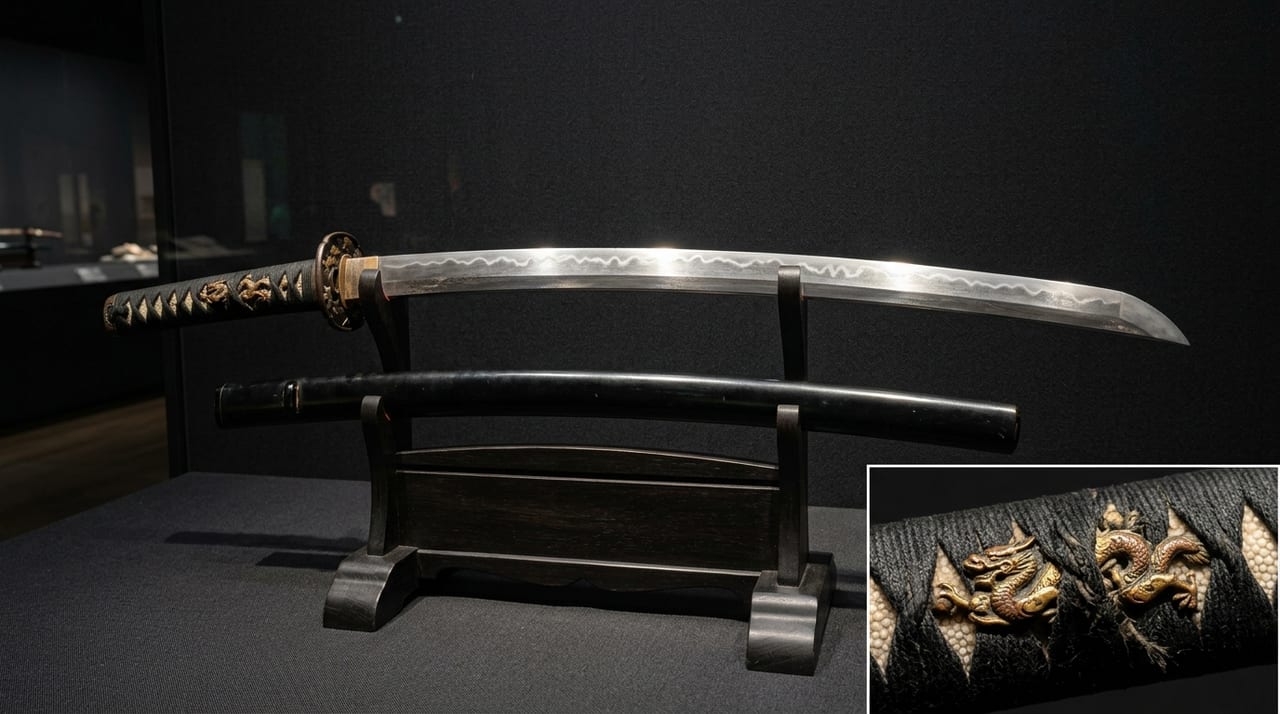
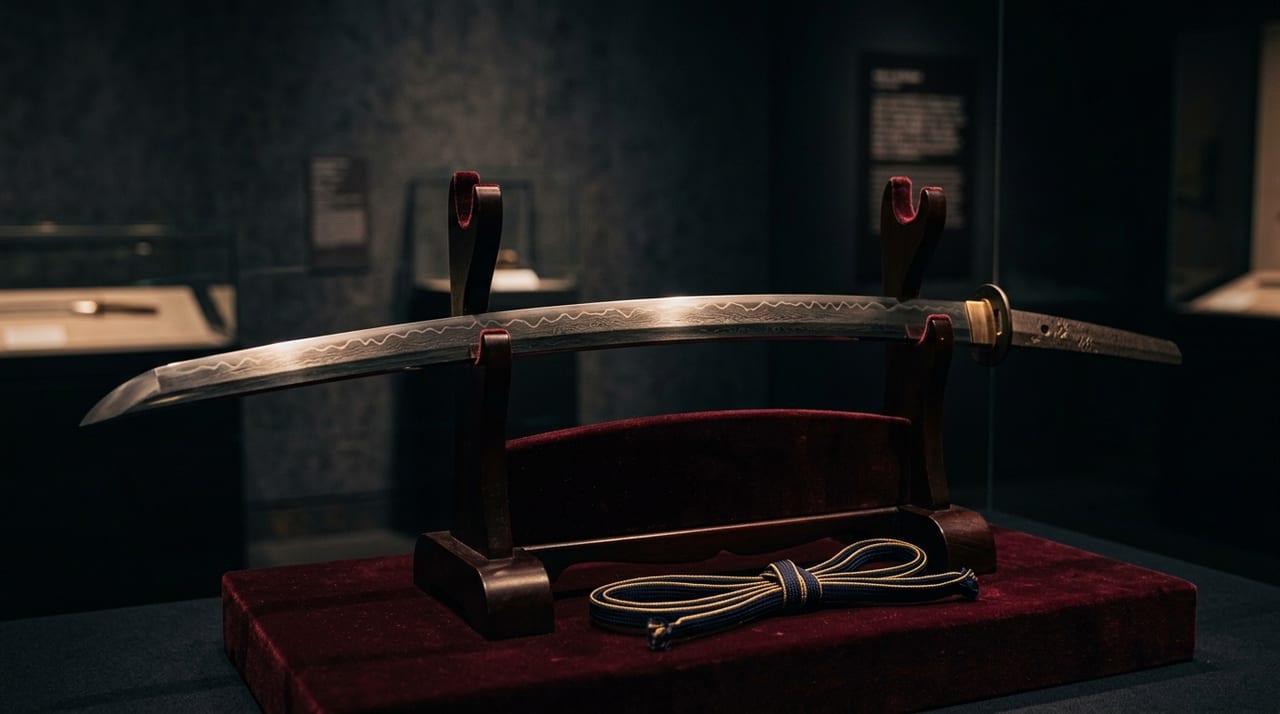
Sword prices in the Sengoku period varied by more than tenfold depending on quality.
- Kazuuchi-mono (mass-produced budget swords for ashigaru): These were low-quality swords intended for mass production; large quantities of "rush-forged" blades with greatly simplified tanren processes circulated widely. Their price was around several hundred mon (several tens of hiki) per blade, equivalent to roughly 10 to 20 shō of rice (calculated at the Sengoku-period rice price approximation of 1 kanmon ≈ 1 koku of rice). Osafune in Bizen Province (present-day Okayama Prefecture) and Seki in Mino Province (present-day Gifu Prefecture) were known as the major production centers for kazuuchi-mono.
- Mid-grade swords: Combat-ready swords that had undergone a proper tanren process, widely used as the standard equipment of warriors. The price range is estimated at roughly 1 to 3 kanmon per blade (equivalent to 1 to 3 koku of rice).
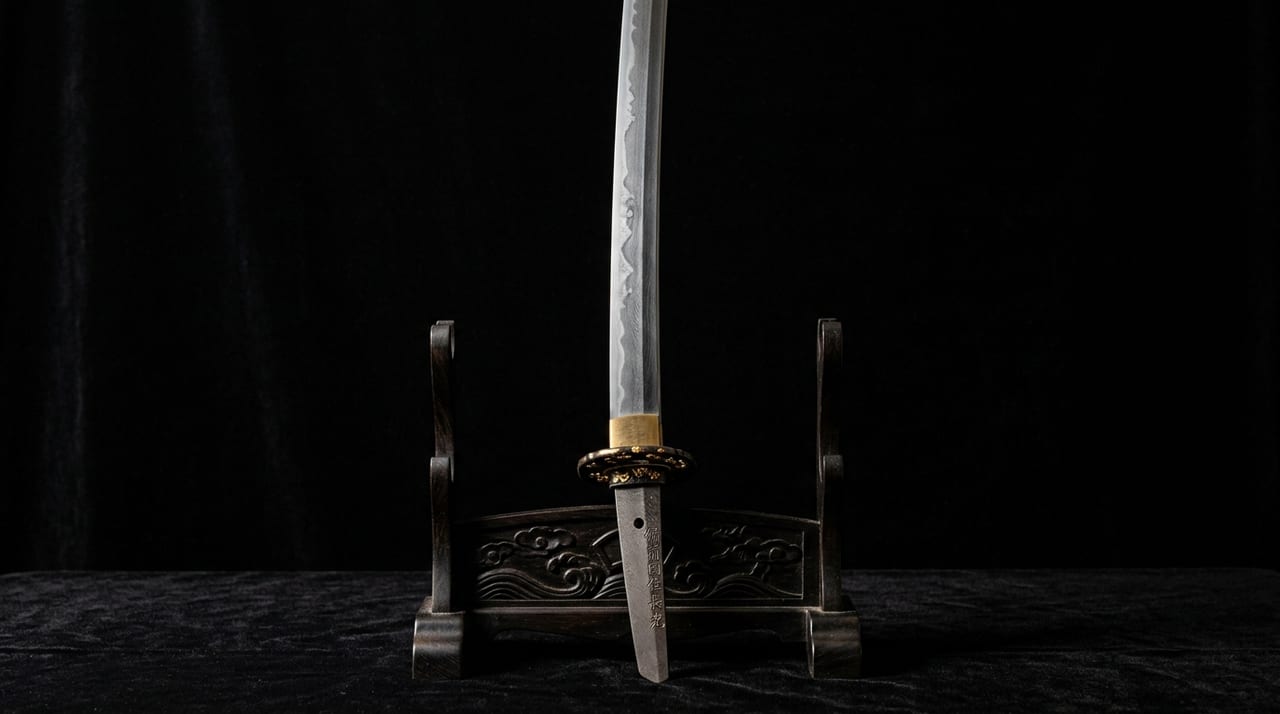
- Individually crafted blades by master swordsmiths: High-end blades bearing a tōkō's mei and carrying quality assurances are recorded as having changed hands for 10 to over 30 kanmon per blade. "Goyōtō" (official-order swords) commissioned by supreme rulers such as Oda Nobunaga, Toyotomi Hideyoshi, and Tokugawa Ieyasu from specific tōkō were such extraordinary transactions that the compensation paid to the tōkō — in the form of chigyōchi (fiefs), gold, and silver — was virtually impossible to express in monetary terms.
The Price of Spears: The Reality of Large-Scale Procurement
Spears spread explosively as the primary weapon of ashigaru during the Sengoku period. Before the Ōnin War, swords had been the core of individual armament, but by the mid-sixteenth century the collective spear-wall (yaribusuma) tactic had become dominant, making mass procurement of spears a strategic necessity.
Plain spears (suyari) were priced lower than kazuuchi-mono swords; spearheads alone are said to have circulated at prices in the range of several tens of mon to around one hundred mon. However, spears were composed of a spearhead (made by a tōkō) combined with a shaft (made by handle craftsmen or woodworkers), and the total cost varied greatly depending on the length, material, and ornamentation of the shaft.
When Sengoku daimyo procured spears in units of thousands, they are believed to have placed large advance orders with groups of tōkō in producing regions, negotiating down the unit price. The rapid growth of the kaji production centers in Bizen, Mino, and Echizen (present-day Fukui Prefecture) during the Sengoku period was driven by this mass-order demand from daimyo.
The Price of Firearms (Matchlock Guns): The Most Expensive Weapons of the Sengoku Period
After their introduction to Tanegashima in Tenbun 12 (1543), firearms spread rapidly, but prices in the early period of their dissemination were astronomically high by modern standards.
A record survives stating that Tanegashima Tokitaka, the domain lord of Tanegashima, paid "2,000 ryō of gold" when purchasing firearms from Portuguese merchants shortly after their arrival on the island (though this figure may include later exaggeration). Once domestic production began, prices fell sharply, but even during the Tenshō period (1573–1592) a single high-quality firearm is estimated to have cost around several tens to approximately 100 kanmon — several tens of times the price of a sword.
The procurement cost of ammunition (gunpowder and lead bullets) was also a factor that could not be ignored. Since the domestic production of saltpeter (shōseki), a raw material for gunpowder, was limited and supplies depended on imports from China, Korea, and Southeast Asia, sustained firearms tactics entailed enormous material procurement costs. This was one of the factors that made the "economic advantage" of Oda Nobunaga — his ability to equip large numbers of troops with firearms — all the more conspicuous.
The Compensation System for Tōkō: From Coin to Fief
The compensation paid by Sengoku daimyo to tōkō took a variety of forms depending on the era and the daimyo's economic capacity.
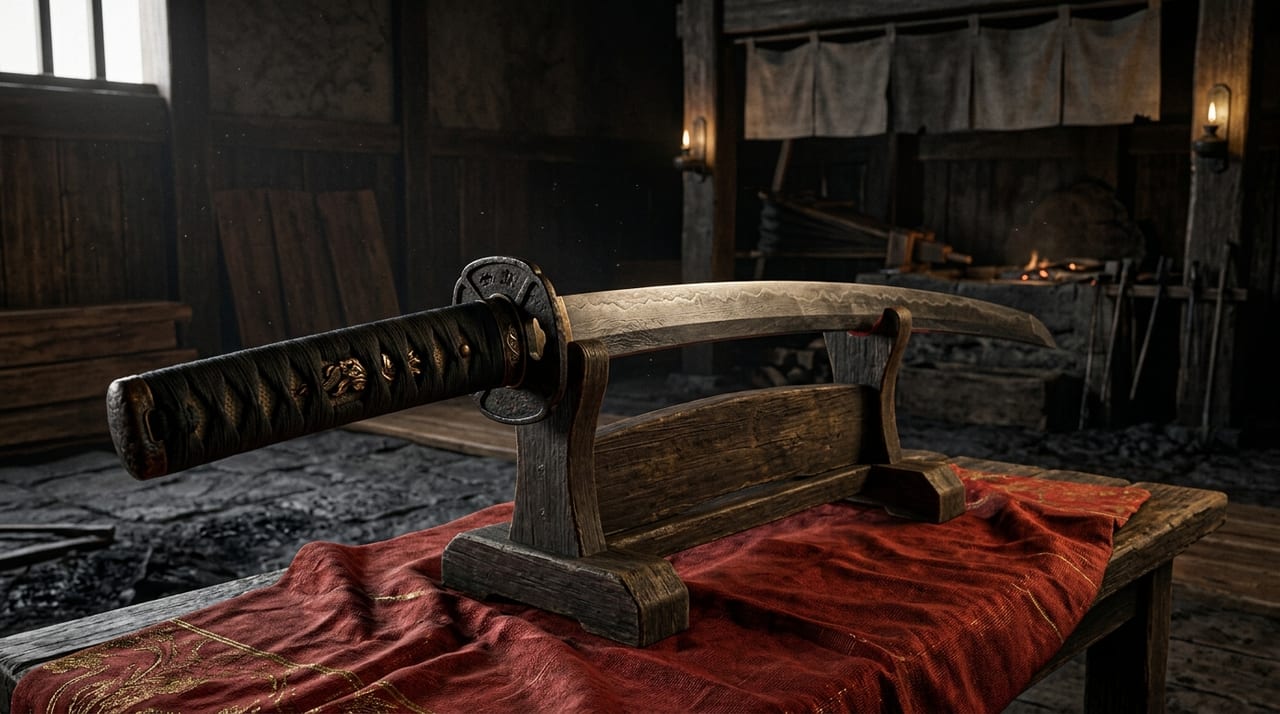
- Payment in coin and rice: For large orders of kazuuchi-mono, payment in coin or rice was made either in advance or upon delivery. In records of tōkō from Bizen Osafune receiving orders from a daimyo, a form of payment is confirmed in which a fixed quantity of iron (as material cost) and coin as a processing fee were provided.
- Grant of chigyōchi: For tōkō recognized as master smiths, compensation also took the form of granting a small chigyōchi or tax-exempt land. The case of the Echizen tōkō Yasutsugu receiving special treatment from Tokugawa Ieyasu is well known as an extension of this into the early Edo period, but the same form of arrangement was seen across the country during the Sengoku period as well.
- Provision of raw materials: Transactions also occurred in which the daimyo procured and supplied raw materials such as iron, charcoal, and iron sand, with the tōkō responsible only for the processing work. In regions far from production centers, where iron was difficult to obtain, controlling the distribution routes for raw materials became a means by which daimyo secured and bound tōkō to their service.
Weapons Smuggling and Embargoes Among Daimyo
One aspect of Sengoku-period weapons distribution that cannot be overlooked is the issue of weapons embargoes and nukeni (smuggling) among daimyo. To prevent weapons from flowing into the territories of hostile daimyo, daimyo who controlled major tōkō production centers adopted policies restricting the sale of weapons to other domains.
The Ukita clan (and before them the Urakami clan), who controlled Bizen Osafune, and the Saitō and Oda clans, who controlled Mino Seki, are said to have attempted to exercise a degree of control over the distribution channels of tōkō production centers, but in practice indirect distribution through merchants was rampant and the effect of the embargoes was limited.
Because swords as commodities are lightweight and high in value, a small number of traveling merchants could transport large amounts of value. This was the structural factor that made it impossible to fully control weapons distribution during the Sengoku period.
The Arrival of Peace and the Transformation of the Weapons Market
Following Toyotomi Hideyoshi's unification of the realm through the Odawara Campaign of Tenshō 18 (1590), and then the Battle of Sekigahara of Keichō 5 (1600) and the Summer Siege of Osaka of Keichō 20 (1615), once large-scale battles ceased, the demand for mass procurement of weapons rapidly evaporated.
In production centers that had been mass-producing budget kazuuchi-mono swords, the demand from their primary customers (daimyo and warriors preparing for battle) plummeted, forcing a reduction in production scale. At the same time, as Japan moved toward the extended peace of the Edo period, a shift in demand occurred from "swords for use in actual combat" to "swords as works of art and symbols of status."
The price structure of swords also underwent a transformation. The Sengoku-period valuation axis, which had prioritized quantity over quality, shifted in the Edo period to an artistic and cultural set of values that emphasized the beauty of jigane and hamon, the reputation of the tōkō, and a sword's provenance (yuisho). The weapons procurement economy of the Sengoku period was a historic turning point that fundamentally transformed the structure of the Japanese sword market thereafter.
Please feel free to contact us via the inquiry form.