The Ethics of Polishing: Criteria for Deciding Whether a Sword Should Be Polished
 * Image is for illustrative purposes only.
Table of Contents
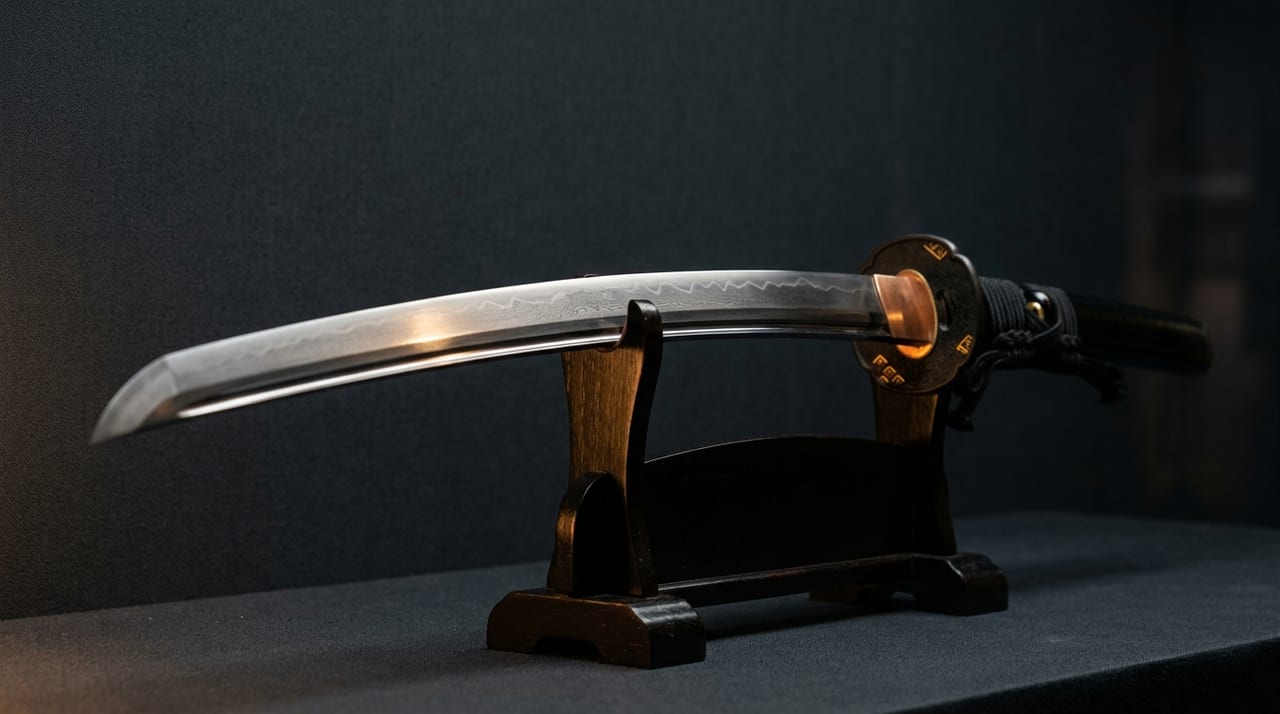
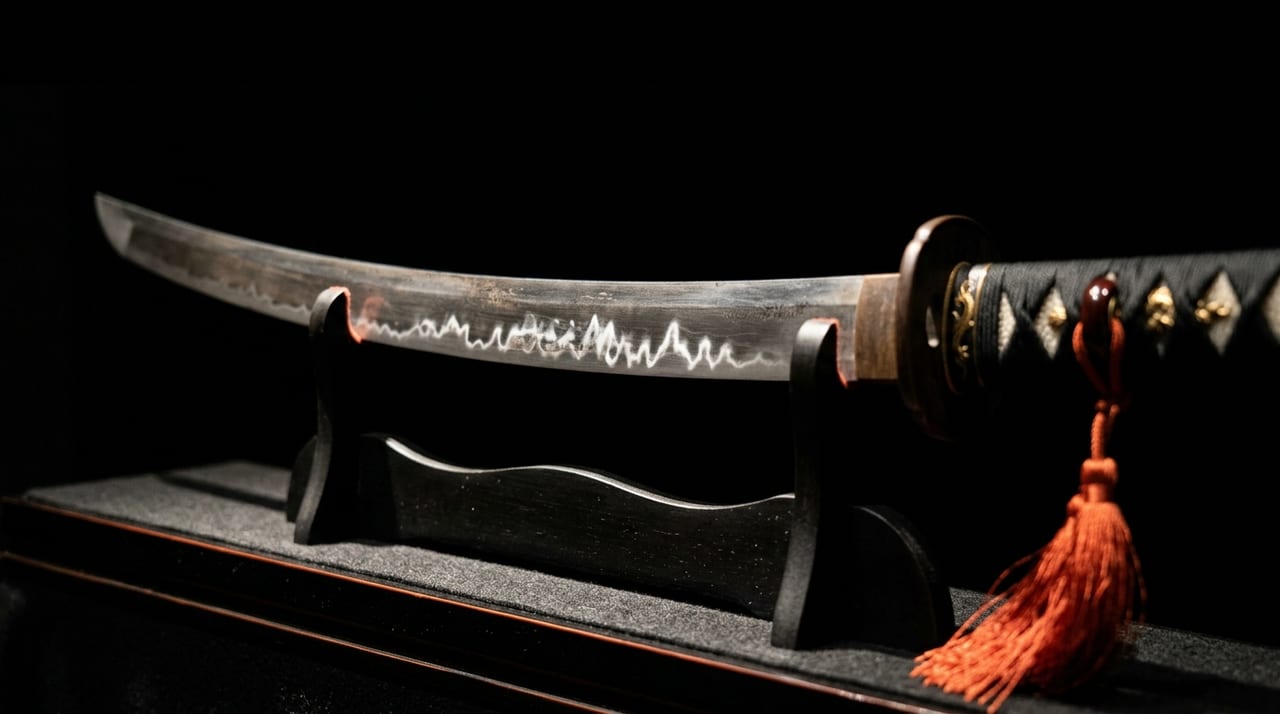
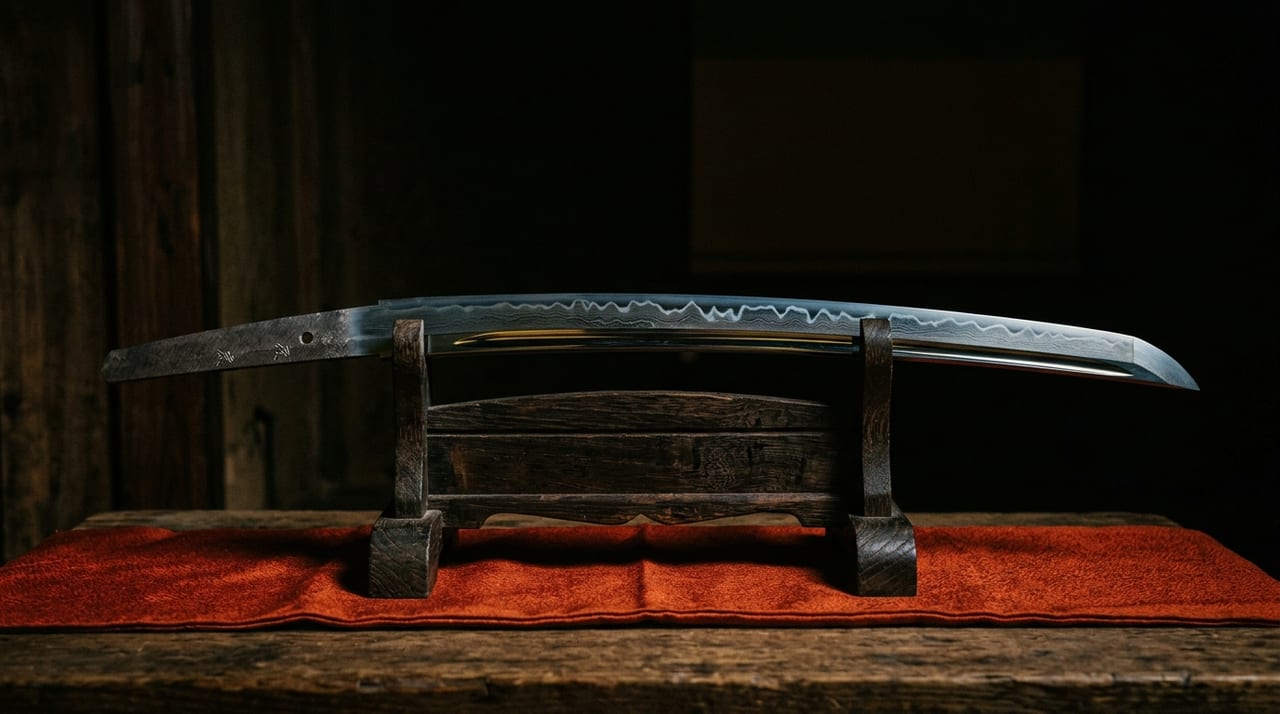
Polishing a nihontō is not simply a task of making it look beautiful. Sword polishers use traditional whetstones and advanced techniques to perform "restoration and revival of the sword" — drawing out the jihada (grain pattern of the steel), hamon (temper line), and the shape of the kissaki (point). Yet polishing is also an act of removing metal from the blade, and once iron has been ground away it cannot be restored. Polishing thus has two contradictory aspects: it "reclaims beauty" while at the same time "shortening the life of the blade."
For this reason, the ethical question of "should this sword be polished?" is frequently a subject of debate among owners, polishers, and appraisers. This article provides a detailed explanation of the thinking on polishing in the contemporary sword world and the criteria for judging whether re-polishing is appropriate.
What Is Polishing — The Boundary Between Cosmetics and Restoration
Polishing a nihontō involves two broad stages.
| Stage | Whetstones Used | Purpose / Effect |
|---|---|---|
| Shitaji-togi (foundation polishing) | Progressing through arato (rough stone), nakanagura, and nagura to progressively finer stones | Accurately shapes the jihada and the outline of the hamon, removes rust and scratches, and restores the blade's form to its proper shape |
| Shiage-togi (finishing polishing) | Natural traditional stones such as narutaki, uchigumori, hazuya, and jizuya | Delicately draws out the tonal variations of the hamon and the features visible in the jigane (steel of the blade surface) — folds, flowing grain, itame, mokume, and more |
The entire process takes even a skilled polisher one to three months, and the cost ranges from several hundred thousand yen depending on the sword's condition and grade, rising to several million yen or more for swords of jūyō bunkazai (Important Cultural Property) class. Polishing is not mere "cosmetics" but a work of restoration to reclaim the sword's original form. Yet with each polishing the blade grows slightly thinner, losing thickness and width at the edge. If a celebrated sword is polished again and again without thought, it will eventually lose its original form.
Criteria for Deciding Whether to Polish
The following points are important when deciding whether to send a sword in for togi (polishing).
The Degree of Rust Progression and Urgency
For minor rust or cloudiness, regular maintenance by the owner — uchiko and chōji oil — is sufficient. Where rust is more extensive, particularly deep tensabi or widespread rust that obscures the hamon, polishing is worth considering. However, in the case of nesabi, where rust has penetrated deep into the structural interior of the blade, traces may remain in the jigane even after polishing; in such cases it is better to seek a specialist's assessment before committing to polishing.
The Timing of the Previous Polishing and Number of Polishings
A sword that has not been long since its last polishing has less need to be polished again. Because the blade is ground down by roughly several tenths of a millimeter to 1 mm with each polishing, frequent polishing greatly depletes the sword's remaining material. If proper daily maintenance is carried out, polishing once every several decades is considered sufficient; if the current state of the polish is good, unnecessary re-polishing for the sake of appearance alone should be avoided. Keeping the number of polishings as low as possible is an important judgment in preserving the sword for the future.
Cultural Property Value and Social Responsibility
For swords designated as jūyō bunkazai (Important Cultural Property) or jūyō bijutsuhin (Important Art Object), and equally for undesignated swords of high cultural property value, polishing decisions require particular caution. These are cultural heritage for future generations — they are the patrimony of humanity before they are the private property of their owners. It is a fundamental principle that the decision on whether to polish should not be made by the owner alone; advice should be sought from multiple specialists, including the NBTHK (Society for the Preservation of Japanese Art Swords), the Agency for Cultural Affairs, and prominent polishers.
The Purpose After Polishing
The decision changes depending on the purpose of the polishing: "I want to display it beautifully for appreciation," "I want to prepare it before selling," or "I want to pass it on as a family heirloom for generations to come." If the sword is to be sold, choosing to polish with appearance in mind is a viable option; but where the purpose is long-term heirloom succession, it may be wiser to refrain from polishing and preserve the blade's remaining material. It is important to clarify the purpose beforehand and share the intended approach with the polisher.
Choosing a Polisher and Finding the Right Match
When commissioning polishing, the selection of a polisher is critically important. The ideal choice is a polisher backed by proven achievement and tradition — such as a craftsman affiliated with the Nihon Tōken Kenma Gijutsu Hozonkai, or a holder of an Important Intangible Cultural Property (Living National Treasure). Polishers also differ in their personal style and areas of expertise. Some craftsmen specialize in the delicate togi that brings out the gentle nie-deki hamon of kotō (swords made before the Muromachi period), while others excel at vividly presenting the brilliant nioi-deki hamon of Edo-period shintō and shinshintō.
Choosing a polisher suited to the period, school, and style of the sword being commissioned leads to satisfying results. When commissioning polishing for the first time, it is wise to begin with a consultation alone, listening to the polisher's assessment and explanation of their intended approach before making a decision.
The Dilemmas Facing Contemporary Polishers
Contemporary sword polishers carry a heavy responsibility as inheritors of traditional techniques. In recent years, the following issues have been discussed within the industry.
- Imbalance of supply and demand: Due to a sharp increase in commissions from overseas collectors, Japan's best polishers are constantly in high demand. Waiting periods of one to two years are not uncommon, and it has become difficult to maintain quality while meeting deadlines.
- The dilemma between short-term beauty and long-term preservation: Clients tend to want "more beautiful, more vivid" results, but experienced polishers place greater importance on "not grinding too much" in order to preserve the blade for the future. This difference in values can cause friction between clients and polishers.
- Transmission of techniques and shortage of successors: It is said that at least ten to fifteen years of apprenticeship are required before becoming an independent full-fledged polisher, and the financial hardship before income stabilizes compounds the difficulty, making it increasingly hard each year for young successors to enter the field. There is a sense of crisis within the industry that if successors are not nurtured, the traditional techniques themselves may be lost.
What to Confirm Before Sending a Sword for Polishing
Finally, here is a summary of the matters an owner should confirm before making a decision.
- Calmly assess whether polishing is truly necessary. If the issue can be addressed through regular maintenance, polishing is not needed.
- Clarify the purpose of polishing (appreciation, succession, or sale) and share the intended approach with the polisher accordingly.
- Carefully select a trustworthy polisher suited to the period and style of the sword, and never omit a prior consultation.
- For swords of high cultural property value, prioritize consulting a specialist institution.
Polishing is a technique that revives a sword, but it is at the same time an act of removing material from the blade. A single decision by the owner determines the form that sword will take for the next several hundred years. Understanding that weight and deciding with reverence is the responsibility of those who carry the nihontō into the future.