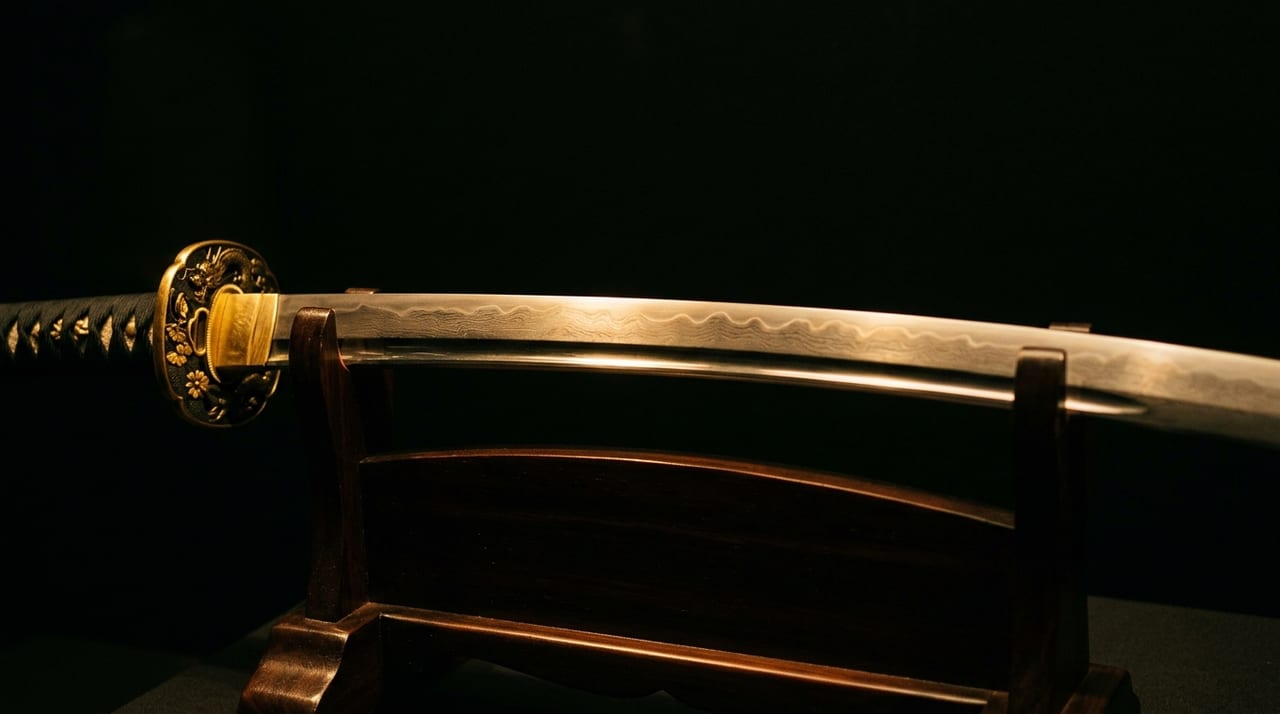
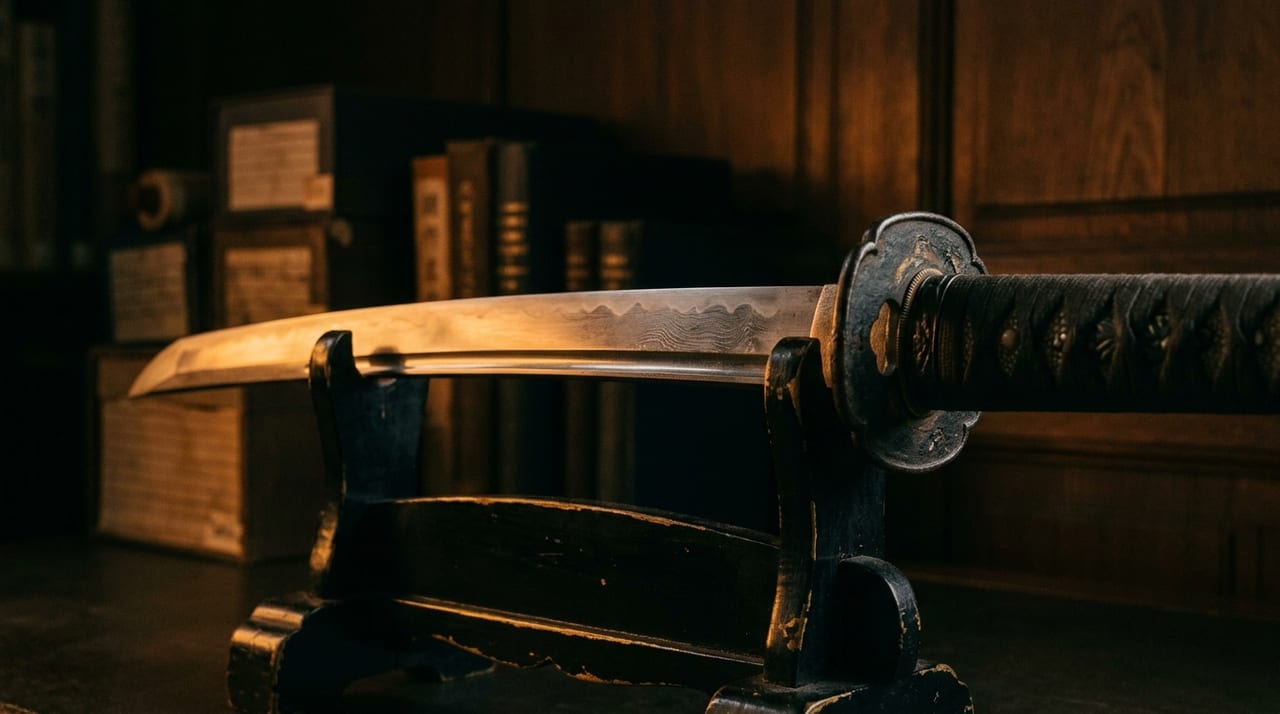
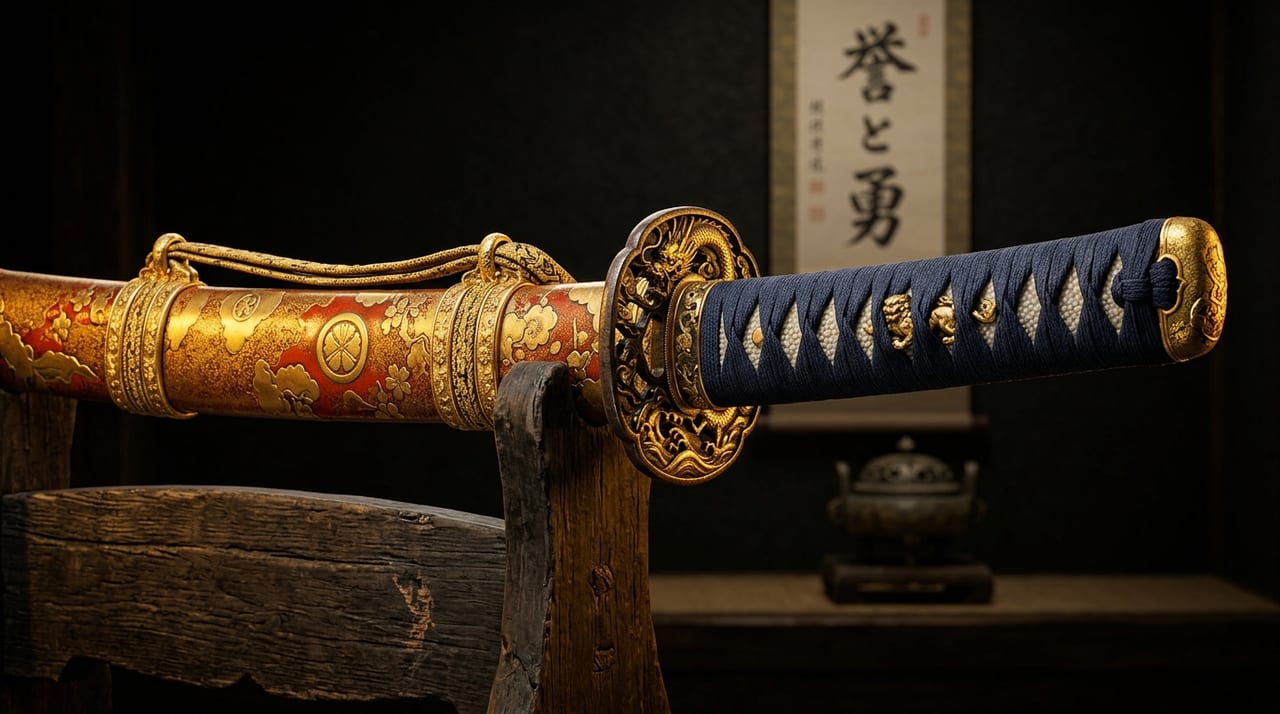
Women of the Sengoku Era and Their Swords — Princesses, Consorts, and Armed Women
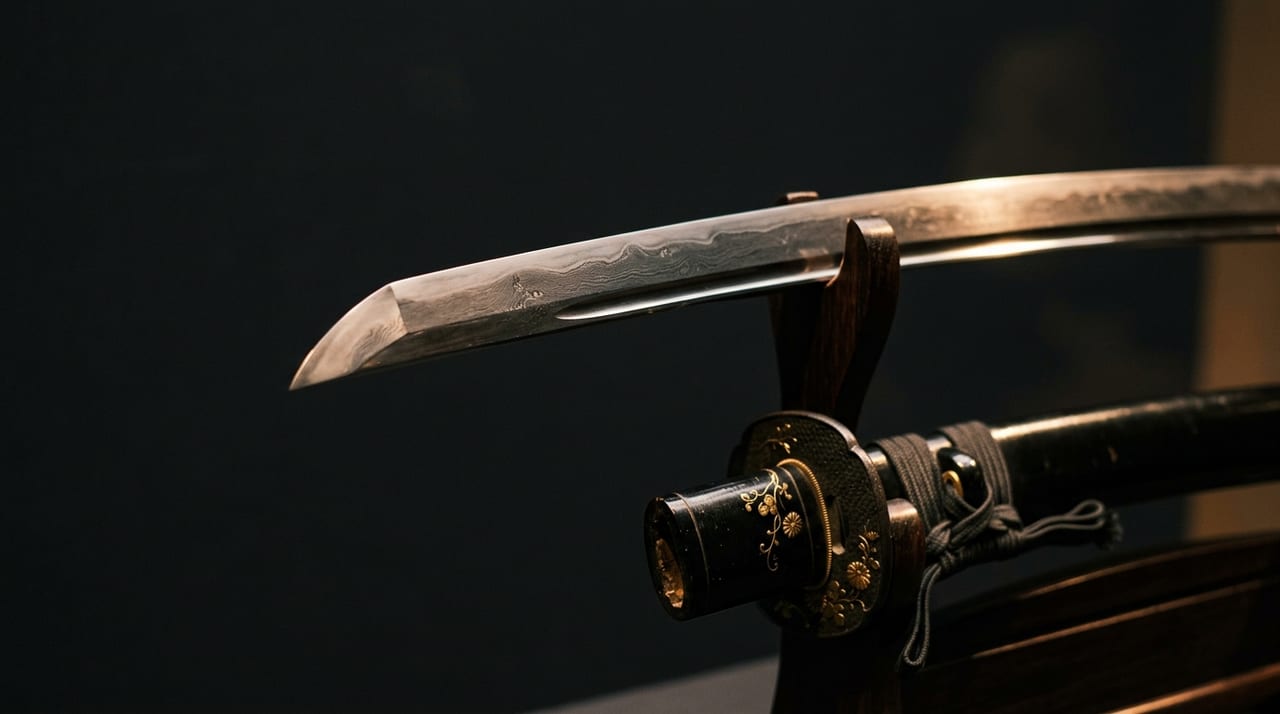 * Image is for illustrative purposes only.
Table of Contents
When one thinks of warring states Japan, images of samurai in bloody combat come to mind. Yet women living in that era also maintained deep connections with swords. Women who left their mark on history as wives, mothers, and daughters of renowned military commanders sometimes protected their own lives with swords, and sometimes participated in battles to protect their families and castles. This article explores the relationship between women and swords in the Warring States period, examining concrete historical examples.
Kaiken (Concealed Dagger)—Women's Defensive Weapon
For women of samurai families in the Warring States period, the kaiken was an indispensable part of daily life. The kaiken was a small short blade with a blade length of about 20 cm, which women carried concealed in their robes or sash. Its role was multifaceted—not merely decorative, but also a practical weapon, tool, and symbol.
- As a protective weapon—In an era of warfare, women constantly faced the danger of violence. The kaiken was used to protect oneself from armed soldiers, or to avoid the shame of capture, and even as a means to end one's own life. The samurai teaching that "women protect themselves with a kaiken" was not merely a slogan, but sometimes served as an actual guide to action.
- As a practical tool—It was also used as an everyday instrument for cutting hair, adjusting clothing, and assisting with meals.
- As a symbol—The kaiken was also a spiritual pillar for samurai women and was sometimes brought from one's natal home as a furnishing at marriage. As part of the bride's trousseau, the kaiken served a symbolic role in maintaining the woman's identity even in her husband's household.
Naginata—The Combat Weapon of Samurai Women
In the Warring States period, naginata technique was emphasized as a martial art that samurai women should master. The naginata is a weapon consisting of a curved blade attached to the end of a long pole, allowing combat that takes advantage of reach. Even women with less strength could deliver powerful attacks through the use of weight transfer and centrifugal force, making it a weapon well-suited to women.
Daughters of samurai families trained in the naginata from childhood, acquiring the "inner martial art" of defending their households. This training was not merely formal education; numerous historical records document instances where women took up arms and fought when castles faced the crisis of imminent fall.
Examples—Armed Women of the Warring States Period
Records survive of women in the Warring States period who took up arms and fought.
Ii Naotora
Though a woman, Ii Naotora succeeded to the headship of the Ii clan and governed her domain as a female land steward. As depicted in historical dramas, she is said to have sometimes wielded swords and naginata to fulfill her responsibilities as a samurai during the turbulent Warring States period.
Tachibana Ginchiyo
Tachibana Ginchiyo was the daughter of Tachibana Dōsetsu, a Sengoku daimyo of Kyushu, and succeeded her father to become a female castle lord of the Tachibana clan. She is said to have armed herself alongside women under her command to defend Tachibana-yama Castle and organized a "women's army."
Tomoe Gozen
Though Tomoe Gozen lived in the late Heian period, she was remembered as an object of admiration for samurai women of the Warring States era. As the beloved consort of Kiso Yoshinaka, she wielded the naginata on the battlefield and her story of martial prowess became a model for later female martial artists.
Myōrin-ni
Myōrin-ni was the wife of Yoshioka Akioki, a retainer of the Ōtomo clan of Bungo, and fought valiantly to protect her household after her husband's death. She is known for the anecdote of confronting the Shimazu army while defending Tsurusaki Castle and achieving victory through her wisdom and courage. She exemplifies a Warring States woman possessed of both intelligence and valor.
Women's Battles Defending Castles
Numerous historical records document instances from the Warring States period where women managed the household while the men defending the castle's inner citadel went out to battle. When castles were surrounded by enemies, women took up arms as a final line of defense.
When Gassan-Toda Castle, held by the Amago clan, fell, the women within are said to have taken up naginata and resisted until the end. Even without weapons, women played an essential role supporting battles during the Warring States period by transporting provisions and nursing the wounded on the battlefield.
Marriage and Swords—Their Role as Dowry
In samurai marriages during the Warring States period, swords were among the most important items in a bride's dowry. It was customary for a bride to bring with her family heirlooms such as tachi, katana, and kaiken passed down through generations. This carried several meanings:
- Display of the bride's family's status and wealth
- Inheritance of family treasures demonstrating the bride's lineage
- A spiritual pillar in her new household
In some prominent samurai families, specific swords were inherited as part of the bride's trousseau across generations, becoming part of the family's history.
The Legacy of Warring States Women's Sword Culture
When the Edo period began, warfare ceased and women rarely appeared on battlefields. However, the culture of samurai women carrying swords continued, and naginata technique became part of the education of samurai daughters as an element of "the way of women" (fudo), and has been passed down to the present day as "naginata" since the Meiji period.
Modern naginata is practiced by many women as a martial art and sport, but its origins lie with the armed women of the Warring States period. Remembering the existence of women who protected their own lives, defended their homes, and sometimes threw themselves into battle—hidden behind the male-centered narrative of Warring States history—serves as a key to understanding the history of Japanese swords more comprehensively.
The pride and resolve of Warring States women embodied in a single kaiken, a single naginata—this too is an important chapter in Japanese sword culture.