The Work of the Sayashi — Craft, Process, and Wood in the Making of Shirasaya and Koshirae Saya
 * Image is for illustrative purposes only.
Table of Contents
The Role of the Sayashi
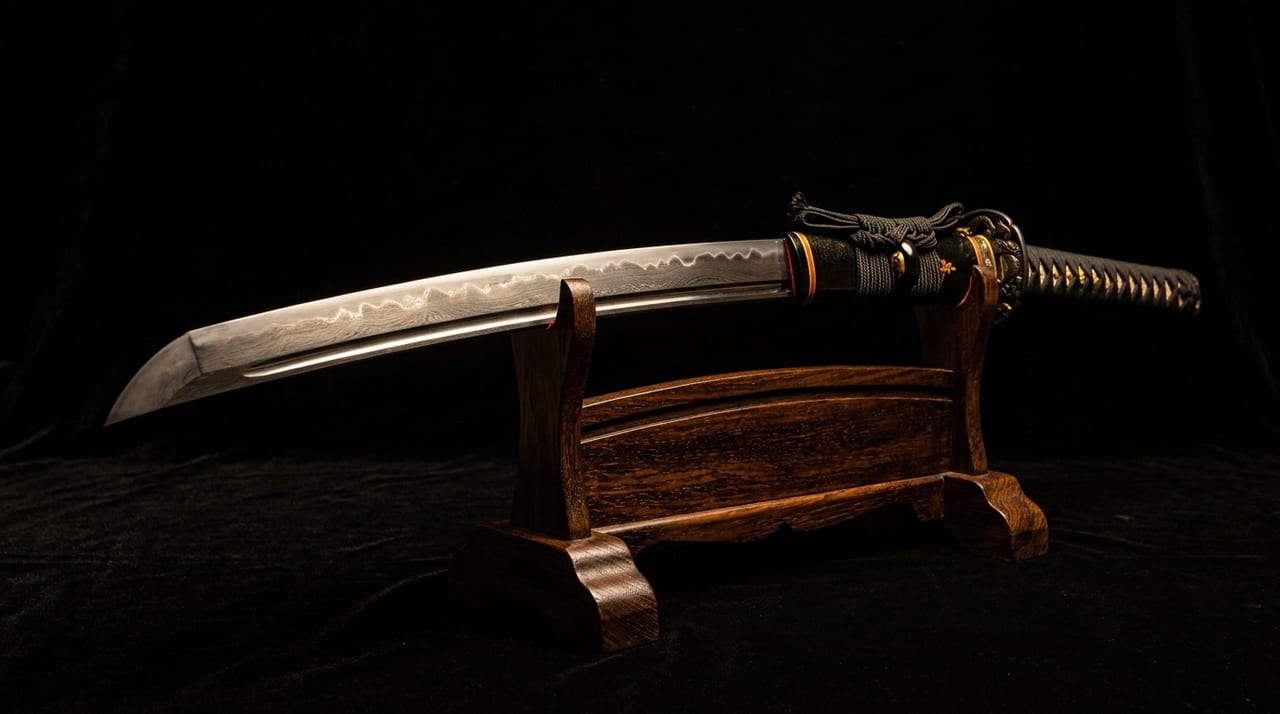
When discussing nihontō, attention tends to focus on the blade (the sword itself), but the saya that houses and protects the sword is also an indispensable element of sword culture. An artisan who specializes in making saya is called a sayashi. The sayashi's work encompasses both the functional aspect — making the safe storage, transport, and carrying of swords possible — and the decorative aspect as a work of craft art.
While a sayashi is a type of woodworker, they possess a level of specialized expertise that sets them apart from ordinary joiners and woodworkers. The saya must fit the blade with perfect precision, and exacting craftsmanship matched to the blade's sori, width, and thickness is required. In the modern era the number of sayashi is extremely small, and the transmission of their craft has become a pressing concern.
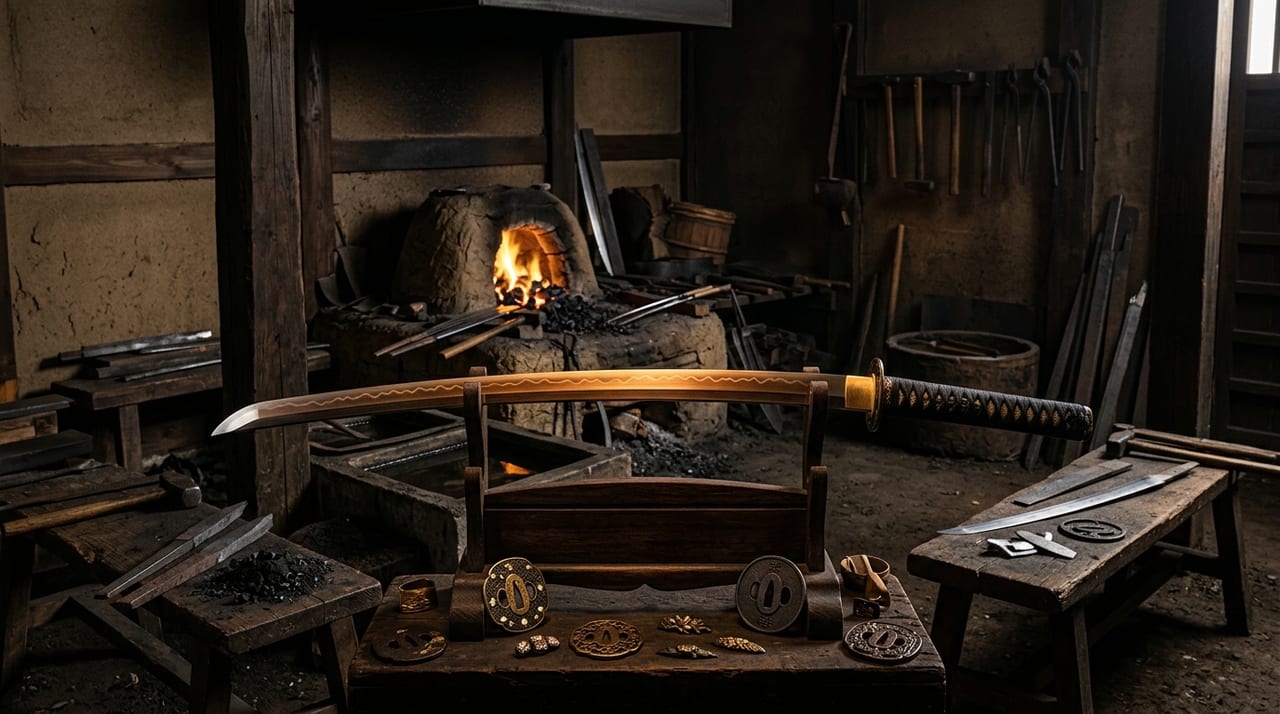
The making of a nihontō is not completed by the tōkō alone. The togishi who polishes the blade, the shirogane-shi who makes metal fittings such as the habaki, and the sayashi who makes the saya each bring their own specialized expertise together to complete a single sword. When a koshirae is to be fitted, a tsukamaki-shi who wraps the tsuka with cord or leather, a nuri-shi who applies lacquer to the saya and tsuba, and a makie-shi who applies makie are also involved. The sayashi is one of the artisans in this division of labor who works closest to the blade, and also bears the role of making the final assessment of the condition of the blade that other artisans have finished.
The Difference Between Shirasaya and Koshirae Saya
There are two broad types of saya that the sayashi makes: the shirasaya and the koshirae saya.
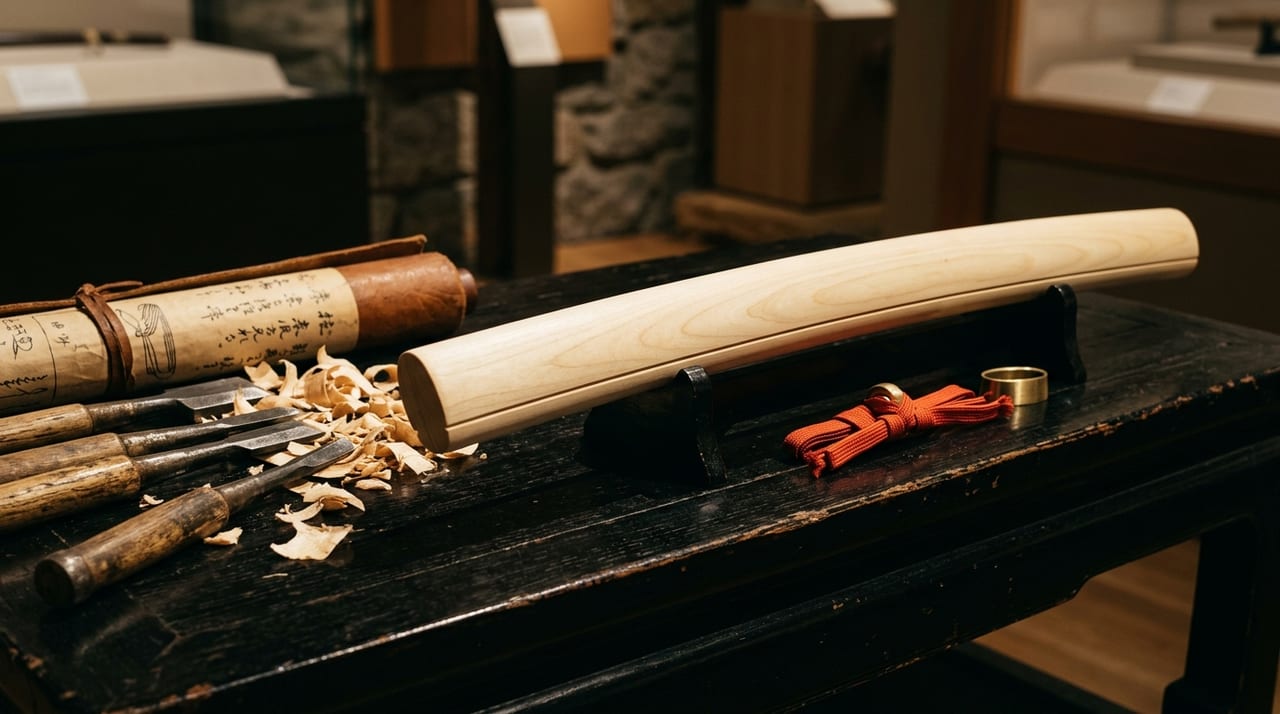
The shirasaya is a simple saya made from hō wood (hōnoki) with no lacquer or decoration. Its primary purpose is the storage and preservation of swords, and it is also called a "storage saya." The shirasaya is the most fundamental form in present-day sword preservation and management, and many of the important swords held by museums, art galleries, and collectors are housed in shirasaya.
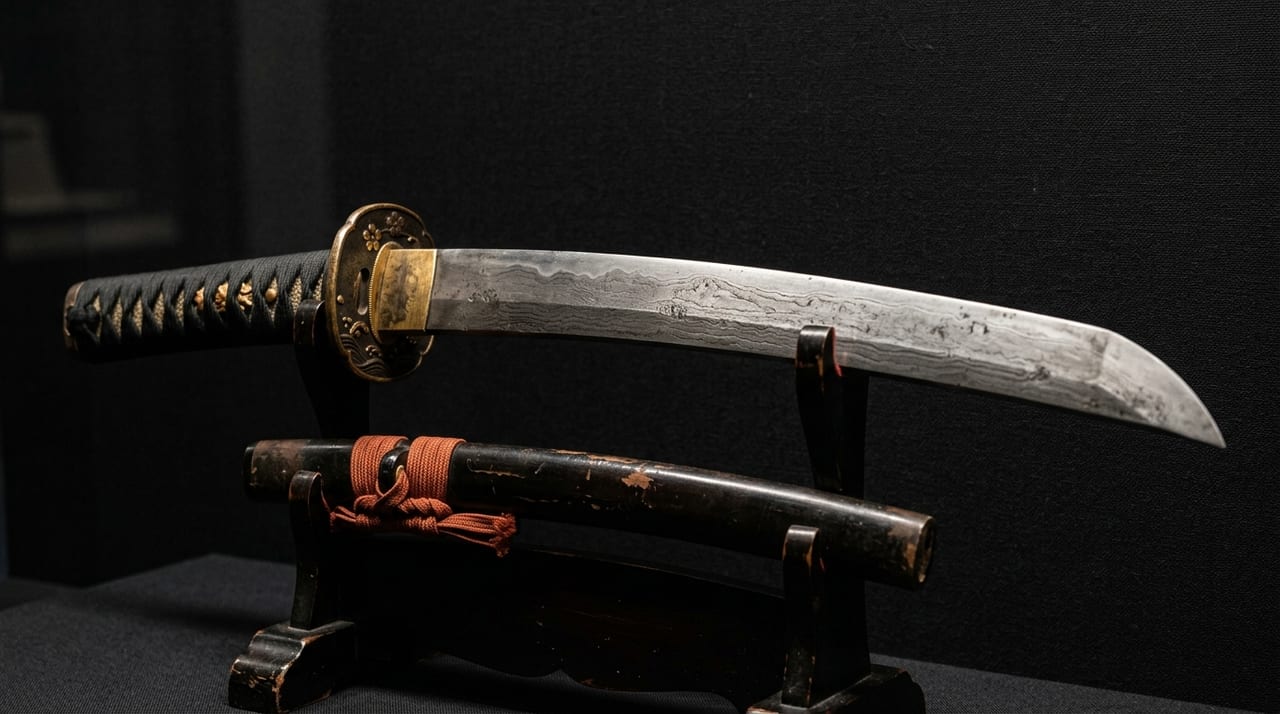
The practical saya for carrying a sword is the koshirae saya. It is adorned with various decorations such as lacquer, makie, and shell inlay, and combined with tōsōgu such as the tsuba, tsuka, and menuki to form the koshirae. It was this koshirae saya that samurai actually wore at their side, and the style differed according to the era, school, and rank of the user.
The table below summarizes the main differences between the shirasaya and the koshirae saya.
| Item | Shirasaya | Koshirae Saya |
|---|---|---|
| Primary purpose | Storage and preservation | Carrying and use |
| Material and finish | Hō wood, unfinished | Decorated with lacquer, makie, shell inlay, etc. |
| Associated fittings | Essentially no fittings attached | Full set of tōsōgu including tsuba, tsuka, and menuki |
| Current main role | Preservation of the blade, storage as a work of art | Display, recreation of sword-wearing culture, collecting |
Because the shirasaya and koshirae saya differ in purpose and structure in this way, the sayashi has the skill to employ different approaches from wood selection through to finishing depending on the nature of the commission.
The Production Process of the Shirasaya
The heart of the sayashi's work is the precise making of the shirasaya. Let us walk through the process step by step.
Wood selection and drying: The primary material for the saya is hō wood (hōnoki). Hō is soft and easy to work, yet possesses a certain strength and takes lacquer well. A uniform grain that is resistant to splitting is also an important selection criterion. The wood must be sufficiently dried before use and stabilized to prevent warping. With green or insufficiently dried wood, the saya will warp afterwards and gaps will form between it and the blade.
Wood marking and templating: The dried hō planks are roughly shaped to match the width and length of the blade. The blade is actually placed against the wood to take a template, and the form is carved out to fit precisely.
Splitting and hollowing the blade channel: The wood is split lengthwise into two halves, and the space (the blade channel) to house the blade is hollowed into the inner surface of each half. This is the core of the sayashi's craft. The gap between the blade and the saya must be minimal. If the gap is too large, the blade will move and become scratched; conversely, if the gap is too small, the sword cannot be drawn or sheathed. The fitting is refined through repeated fine adjustments until the blade slides in smoothly.
Joining and gluing: Once the hollowing is complete, the two halves of wood are brought together and bonded with a dedicated adhesive (a natural paste such as rice paste). This process demands a finish in which the join line is neat and unobtrusive.
Shaping the exterior and finishing: Once the adhesive has dried, the exterior form is refined. The balance of sori, width, and thickness is adjusted, and it is finished to an exterior form that is pleasant to the touch and follows the shape of the sword. The surface is polished smooth to complete the work.
Tools Used by the Sayashi
The sayashi's work centers on hand tools rather than power tools. When hollowing the blade channel, kogatana and chisels sharpened differently for each use are employed, advancing the carving little by little while reading the hardness and grain of the wood. Sharpening blades to maintain their cutting edge is also an important task the sayashi undertakes personally, and tools are not used straight off the shelf but adjusted to fit one's own hand and then used for many years. This relationship with one's tools is itself part of the sayashi's craft. The hollowing of the blade channel often proceeds by feel at the fingertips as much as by eye, and the precision of the finished work depends on the sensory knowledge built up through experience.
Wood Selection and Material Knowledge
For the sayashi, knowledge of wood forms the foundation of the craft. The reason hō wood has become established as the primary material is, as mentioned, because of its excellent balance of workability, strength, and affinity with lacquer; however, other woods may be chosen depending on the application.
For koshirae saya, harder woods than hō (such as cherry or maple) may also be used as a base for lacquer. For special commission pieces, prized timbers such as ebony or rosewood may be used, but these are difficult to work and become more costly.
The sayashi always takes care to secure good-quality hō timber and values long-standing relationships with timber merchants and woodsmen. Expertise based on experience is required in assessing the run of the grain, the presence or absence of knots, and the moisture content.
The Role of the Shirasaya and How to Store It
The reason the shirasaya is so valued lies in its very simplicity of construction, free of decoration. While lacquered koshirae saya are beautiful, they tend to trap moisture inside, and leaving a blade stored in one for a long period easily leads to rust. The shirasaya, by contrast, is said to work in the opposite way: the uncoated wood surface readily absorbs and releases moisture, keeping the blade in a relatively stable environment. For this reason, the practice of having a separate shirasaya made for long-term art-object storage — keeping the blade in the shirasaya rather than the koshirae — has become widely adopted.
For storage, it is considered best to keep the sword laid on its side in a well-ventilated place away from direct sunlight, high temperatures, and high humidity. Because the shirasaya itself is made of wood, repeated extremes of drying or humidity change can cause warping or gaps over time. Periodically checking how well the blade seats in the saya, and consulting a sayashi through one's sword dealer about adjustment or replacement if anything feels off, is one way to keep a sword in good condition over the long term.
The Contemporary Situation Surrounding Sayashi
Today, the number of active sayashi in Japan is extremely small; their exact count is not known, but they are estimated to number in the tens. Like tōshō (state-certified swordsmiths, for whom the Agency for Cultural Affairs recommends spending at least 15 days on a single sword, resulting in an effective practical guideline of roughly 24 swords per year — although there is no legal limit on the number), sayashi also acquire their skills through the apprenticeship system, but institutional support is limited.
Successor training programs sponsored by the All Japan Sword Dealers' Cooperative Association and the Agency for Cultural Affairs are conducted, but the difficulty of securing stable income and planning one's livelihood means that entry by younger generations is scarce. As experienced sayashi grow older, the recording and transmission of their craft has become an urgent matter.
At the same time, as interest in nihontō grows, young people who aspire to the sayashi's work are gradually appearing. Entering as an apprentice under a master and achieving independence after several years to over a decade of training is the typical career path. Commissions for shirasaya from overseas sword enthusiasts are also increasing, creating opportunities for the sayashi's craft to receive international recognition.
Commissions to sayashi are most often placed through sword dealers and sword shops, and opportunities for individuals to order directly from a sayashi are limited. For those who own genuine swords, periodically checking the condition of the shirasaya in which the blade is kept, and if any points of concern are noted — such as gaps or looseness — considering consultation with a sayashi through one's sword dealer, is one means of enjoying the sword in good condition for many years to come.