The World of Gendaitō — Swordsmiths Living in the Reiwa Era
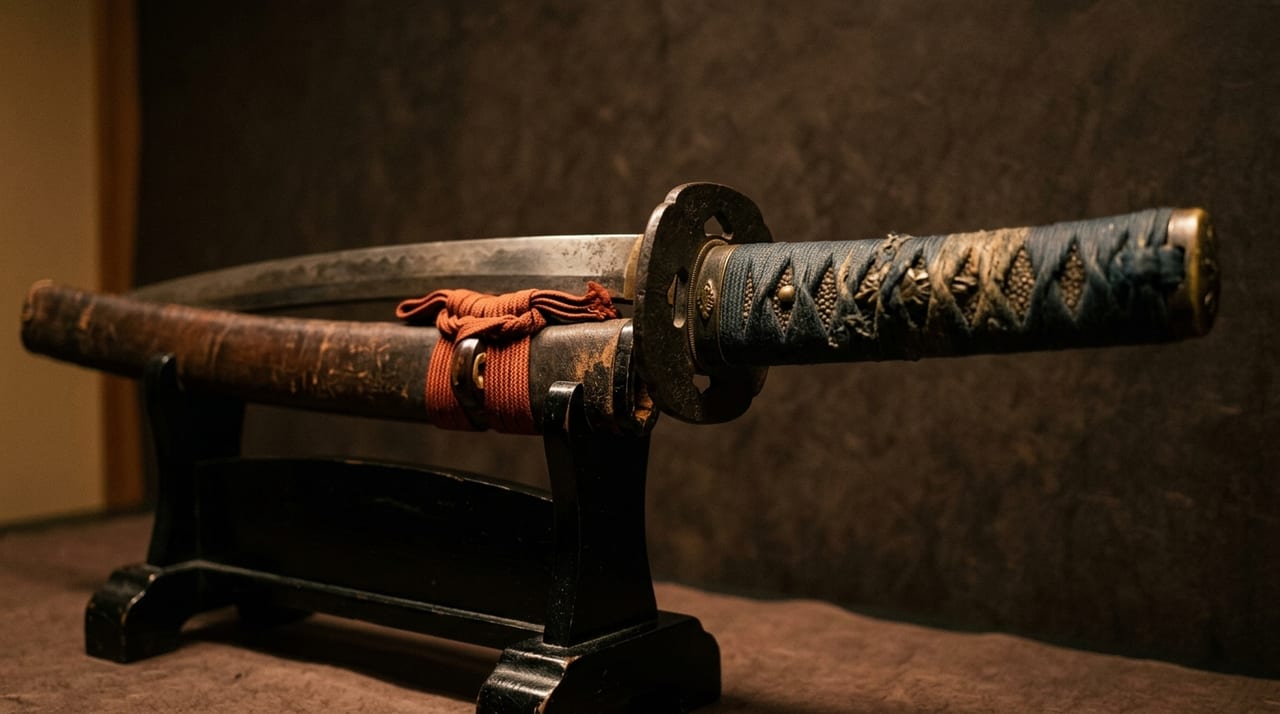 * Image is for illustrative purposes only.
Table of Contents
Approximately 300 Tōshō Living in the Reiwa Era
Approximately 300 Agency for Cultural Affairs-certified tōshō remain active in Japan today, continuing to forge blades using traditional tamahagane. In the Reiwa era, preserving the art of Japanese sword-making — a tradition spanning more than a thousand years — is not merely the handing down of the past but also an investment in the future. Today's tōshō face a dual challenge every day: faithfully adhering to traditional techniques while pursuing a beauty that meets the eye of the modern viewer.
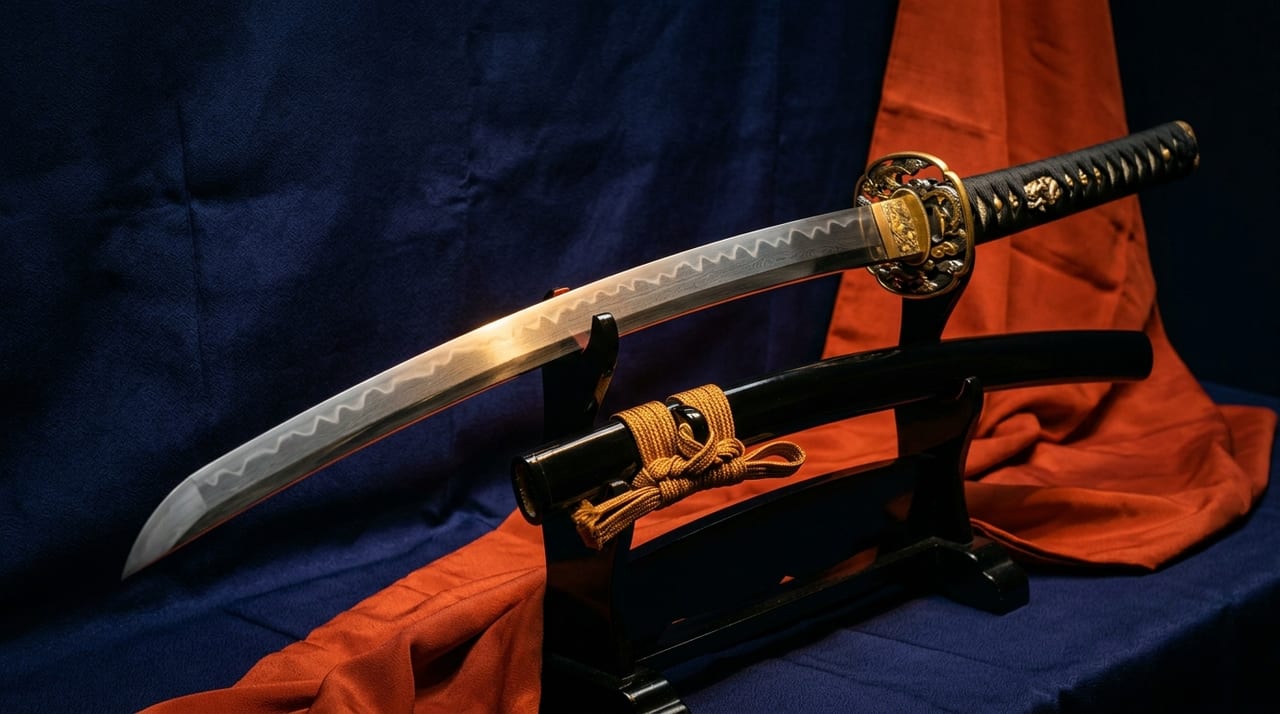
The workplaces of tōshō occupy a world at the opposite extreme from modern factories. Electricity is used only in an auxiliary role; all essential processes — smelting, tanren (forging), and yaki-ire (quenching) — are carried out with charcoal fire and hammer blows. The sound of hammers ringing through the forge and the red glow of charcoal flames present a scene little different from a kaji workshop of the Muromachi period. That this world of handcraft continues to live on in the present age may be counted as one of the miracles of Japanese culture.
Legal Framework and Certification System for Gendaitō
The Act for Controlling the Possession of Firearms or Swords and Other Such Weapons (Jūtōhō), enacted in 1958 (Shōwa 33), legally authorizes the production of nihontō as works of art. Without this law, the production of nihontō in the modern era would have been impossible. The sword culture, which had suffered a devastating blow from the postwar GHQ sword confiscation, obtained its first legal basis for existence at this moment.
The path to becoming a tōshō is demanding.
- Undertake a live-in apprenticeship under a master for a minimum of five years, learning every process of kaji through the body
- Apply to the Agency for Cultural Affairs and receive official certification as a tōshō for the first time
- Even after certification, skill is continuously assessed through annual submissions to the new-sword exhibition
During the apprenticeship period, pay is almost nonexistent and the life remains both mentally and physically grueling. As a result, many apprentices abandon their ambitions midway, and only a very small number go on to establish themselves as independent tōshō. It is a rigorous world in which even after receiving certification one must continue to demonstrate one's skill through submissions and evaluations.
Tamahagane and Tatara — The Material Foundation of Modern Sword Culture
Tamahagane produced by the tatara (traditional smelting) technique, which has been passed down in Okuizumo, Shimane Prefecture, is an irreplaceable raw material for nihontō. Tatara is an ancient smelting technique in which iron sand and charcoal are placed in a furnace (takadono) and burned over several days and nights to produce a bloom (kera) in which iron and carbon have combined. The portions of this kera with a particularly suitable carbon content are called tamahagane.
This precious tamahagane is produced only once a year, during a limited period in winter, and annual output is not large. Today's tōshō continue to refine the skill of forging limited supplies of tamahagane without waste. The transmission of tatara smelting technique and the transmission of tōshō are inseparable challenges, and only when both advance together can the continuity of nihontō culture as a whole be ensured. As of 2026, the smelting technique of the NBTHK tatara in Okuizumo has been designated by the national government as a "selected preservation technique" under Article 147 of the Act on Protection of Cultural Properties (the tools and facilities used in smelting are designated as important tangible folk cultural properties), and efforts to train successors continue.
The New Sword Exhibition — The Premier Stage Where Modern Tōshō Compete
The annual New Sword Exhibition is the premier stage on which modern tōshō compete in technique and artistry. Outstanding works are awarded many honors.
- Commissioner of the Agency for Cultural Affairs Award
- Masamune Award
- Regional block awards
These awards are not mere honors; they directly raise a tōshō's profile and the market value of their works.
Creating a piece for the exhibition is the culmination of a tōshō's entire year. They study classical styles, reinterpret them through a modern sensibility, and pour their efforts into surpassing the achievements of the great masters of the past. Judging is conducted from multiple perspectives, and overall artistry and technical skill are rigorously assessed.
- Quality of jigane (steel of the blade surface)
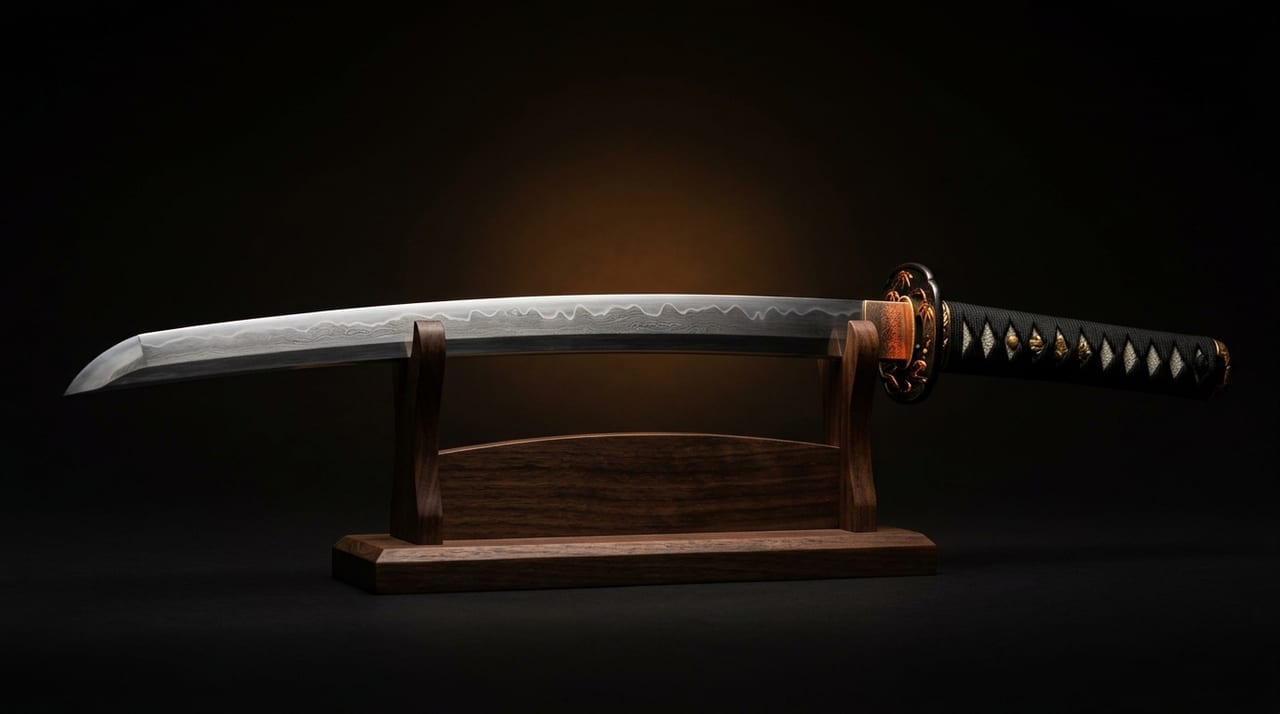
- Quality of the hamon (temper line)
- Balance of overall form and shape
Continuous submission to the exhibition and prize-winning are the most reliable proof of a tōshō's standing and ability.
The Collecting Value of Gendaitō — An Ideal Choice for Beginners
Outstanding gendaitō offer the best entry point into collecting, allowing one to obtain a genuine nihontō at a price range that is overwhelmingly more accessible than kotō (swords made before the Edo period). Kotō made hundreds of years ago continue to grow in historical value over time, and their prices rise accordingly. Gendaitō, on the other hand, have only just been made, so they are in perfect condition — the brilliance of the blade and the beauty of the jigane are unspoiled.
Furthermore, gendaitō allow the characteristics of a tōshō's style and technique to be clearly observed, making them ideal as study material for learning the technical system of nihontō. Collecting works by living tōshō carries the possibility that the value of the collection will rise along with the future appreciation of those tōshō. Starting with gendaitō and gradually expanding one's scope to include kotō is one of the most solid paths as a sword collector.
The Harmony of Tradition and Innovation — The Challenge of Modern Tōshō
It is important not only to preserve tradition but to evolve it in keeping with a new era. Modern tōshō, while maintaining deep respect for classical styles, are challenging themselves to find new expressions that appeal to contemporary aesthetic sensibilities. They are opening up the future of nihontō culture through a multifaceted approach.
- Custom-made production for sword enthusiasts
- Lectures and workshop activities to communicate the cultural value of swords
- International cultural exchange through nihontō
The work of today's tōshō is the endeavor of inheriting a thousand years of craft and expressing it as living art in the present day. As attention from both Japan and abroad grows, the movement among younger-generation tōshō to explore new forms of expression is also intensifying, and a new chapter in nihontō culture is beginning.