Koshiraeshi: The Specialist Profession — The Art and History of the Master Craftsman Who Harmonizes Tsuba, Menuki, Fuchi-kashira, Saya, and Tsuka as Overall Director of Sword Mounting
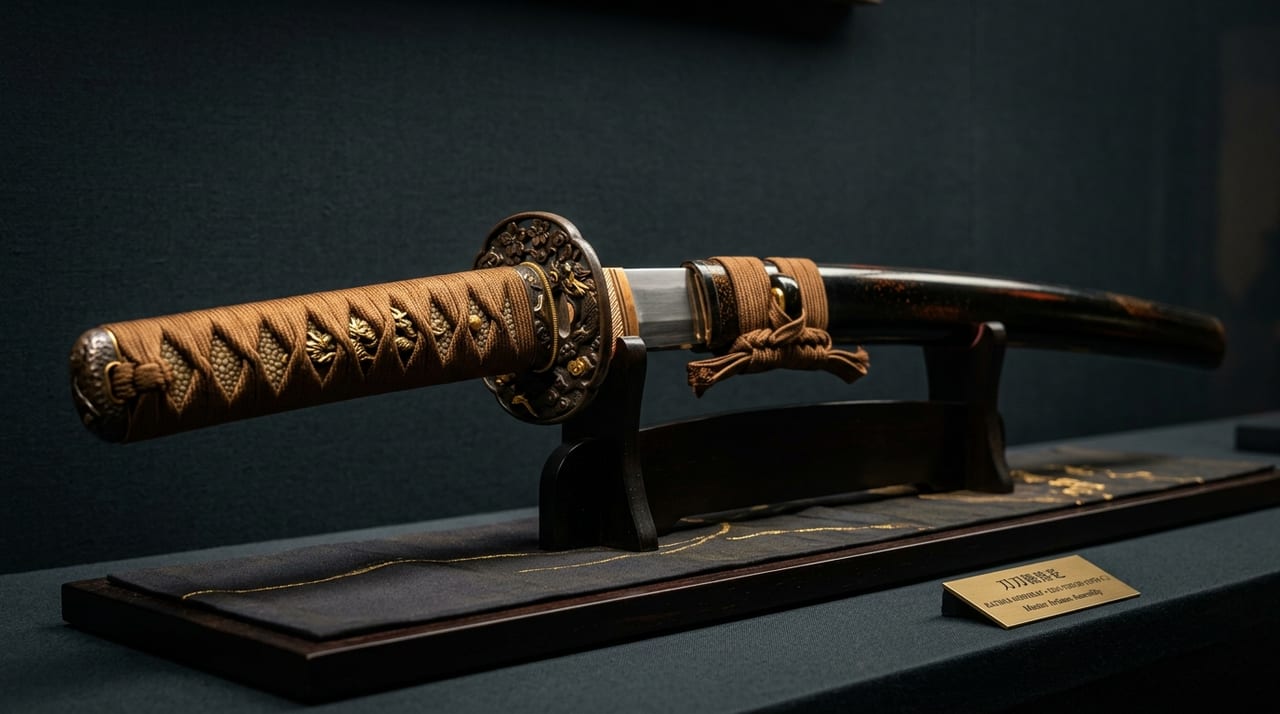 * Image is for illustrative purposes only.
Table of Contents
What Is a Koshiraeshi? — The General Producer of the Division-of-Labor Era
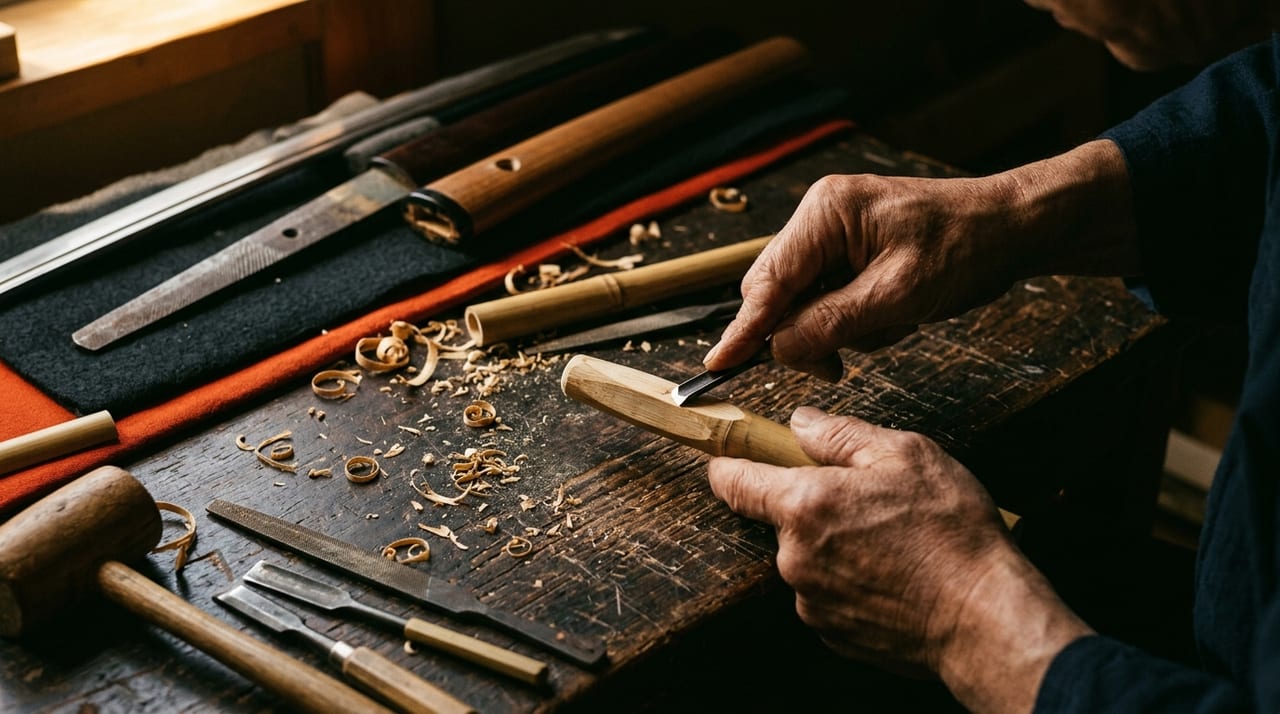
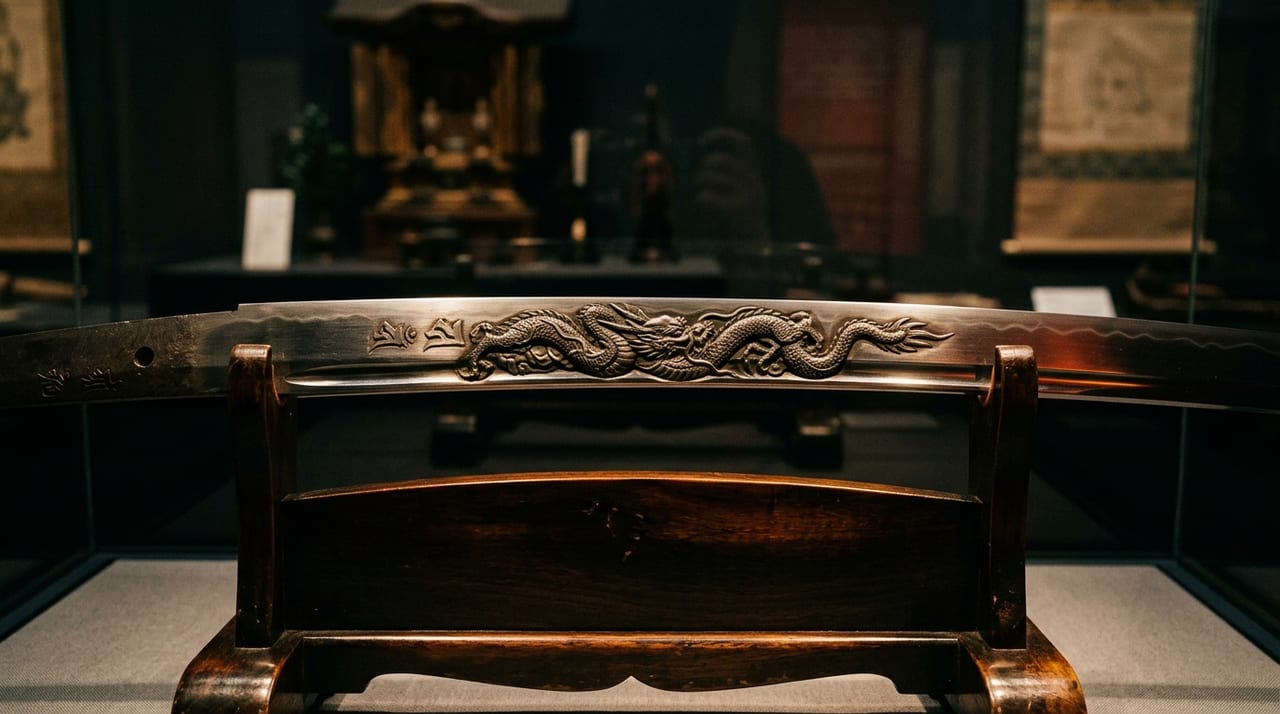
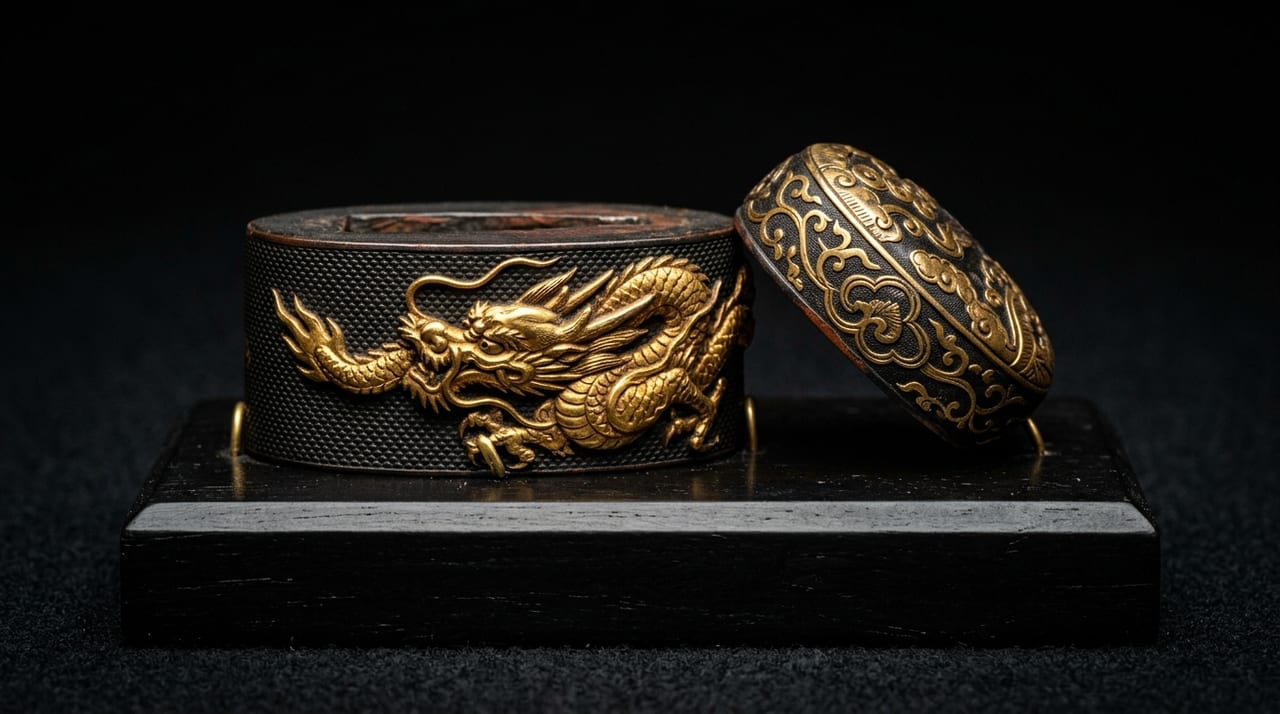
The "koshirae" of a Japanese sword is a composite work of art completed by combining numerous components — saya, tsuka, tsuba, menuki, fuchi-kashira, kozuka, kōgai, and more. While it is widely known that these are made by separate specialist craftsmen, there is surprisingly little discussion of the "koshiraeshi," the professional who integrates all of them into a single beautiful koshirae.
Among sword-mounting craftsmen, the koshiraeshi is the role that demands the broadest perspective. While mastering some form of sword-mounting technique themselves (as either a sayashi, tsukamakishi, or metal-worker), they must also be able to select and evaluate components made by other craftsmen and compose the final koshirae in keeping with the client's intent and budget. They are, in effect, the director of sword mounting — completing the beauty of a blade not as an isolated "point" but as the harmony of a complete sword.
The Division-of-Labor System of the Edo Period and the Role of the Koshiraeshi
In the Edo period, the production of tōsōgu was highly specialized.
- Sayashi: carved the saya shape from hō (Japanese magnolia) wood
- Nurishi: applied lacquer to the saya (black lacquer, vermilion lacquer, aogai lacquer, etc.)
- Tsubashi: made the tsuba by forging and engraving
- Menukishi: finished the decorative metal fittings (menuki) on the tsuka
- Fuchi-kashirashi: made the fuchi and kashira of the tsuka in metalwork
- Tsukamakishi: wrapped the tsuka with samegawa (ray skin) and braided cord
- Shiroganeshi: made metal components such as habaki and seppa
Rather than placing orders individually with each of these craftsmen, sword dealers and daimyo households would typically first commission the overall design from a koshiraeshi (or from the sword dealer themselves), who would then handle the ordering, supervision, and assembly for each craftsman.
A koshiraeshi's reputation was determined by three things: the discernment to select components, the trust relationships maintained with individual craftsmen, and the aesthetic sensibility to produce overall harmony. A celebrated koshiraeshi, backed by years of accomplishment and personal connections, was in a position to mobilize the finest craftsmen of the day.
The Technical Foundation of a Koshiraeshi — What They Make Themselves
Many koshiraeshi today also possess skills as a sayashi or tsukamakishi. The most common approach is to carry out the roughing and lacquering of the saya themselves, while sourcing metal fittings (tsuba, menuki, fuchi-kashira) through external specialists or the antique art market.
Conversely, a koshiraeshi with a metalworking background can self-produce the tsuba and menuki, while delegating the saya and tsuka to a sayashi and tsukamakishi. In either case, they share the common position of "bearing final responsibility for the overall finish."
One particularly important technique is the precision adjustment called "awase (suriawase)." The tsuba, habaki, seppa, and the koiguchi of the saya must each be adjusted to the exact dimensions of the blade, one sword at a time. Even millimeter-level misalignments can lead to saya rattle, looseness in the habaki, or scuffs on the blade, so the craft demands the seasoned skill to pare down both metal and wood to fit. The precision of this adjustment is also the single greatest difference separating a mass-produced koshirae from a one-of-a-kind piece.
The Artistic Concept of "Monogoshirae"
The most demanding aspect of a koshiraeshi's work is the design of "monogoshirae." Monogoshirae refers to the design philosophy of selecting a koshirae suited to the provenance, period, and school of the blade.
For example, fitting Edo-period menuki to a tachi from the Kamakura period is considered artistically incongruous. An ideal koshiraeshi identifies the period, school, region, and rank of the blade and selects the appropriate form of tsuba, menuki, fuchi-kashira, and saya. A koshirae conceived with an awareness of "unity as antique art" receives high evaluation both academically and artistically.
On the other hand, "distinctive koshirae that deliberately combine components from different periods and schools" also exist. Daimyo-style "unorthodox koshirae" are sometimes treasured as experimental works that foreground the individual's aesthetic vision over historical coherence. The thinking behind monogoshirae is not merely knowledge of "correct combinations," but the connoisseurship to interpret the client and the historical context.
Expertise in Repair and Restoration Koshirae
The technique particularly demanded of koshiraeshi today is the production of "repair and restoration koshirae." Many old swords held by museums, art museums, and private collectors have lost their saya or have koshirae with missing parts.
Creating new koshirae for such swords — "restoration koshirae" — begins with a research and documentation process: studying the period and school of the blade and the style of any surviving metal fittings, then selecting the most appropriate form. Unless a koshiraeshi is thoroughly versed in period-specific styles — such as the "kuro-urushi ito-maki tachi koshirae" for tachi of the Kamakura period, the "kuro-urushi uchigatana koshirae" for uchigatana of the Muromachi period, and daimyo koshirae of the Edo period — a restoration that is academically credible cannot be achieved.
Repair of existing koshirae — patching the koiguchi, restoring cracks in the saya, rewrapping the tsuka cord — is also an important part of the work, and it requires adherence to the ethics of conservation: "intervene as little as possible while respecting the original form and materials." Rather than readily replacing components with new ones, the judgement to preserve the original wherever possible reflects the true caliber of a koshiraeshi.
Koshiraeshi Today — A Specialist Profession Facing a Succession Crisis
At present, craftsmen specializing as koshiraeshi are limited in number nationwide; most are aging, and training successors has become a challenge. While tōshō — the makers of blades — are covered by a registration system with the Agency for Cultural Affairs, there is no equivalent public qualification or support system for koshiraeshi, and the instability of the income base is cited as one factor discouraging younger people from entering the field.
There are cases where some sword dealers and museums have taken it upon themselves to act as sponsors and advance the training of younger craftsmen, but comprehensive systemic organization has not been achieved. Broadly raising awareness of the koshiraeshi as a profession would be a first step toward supporting its succession.
Craftsman techniques involved in each component of koshirae are also covered in the column index for craftsmen involved in forging and sword mounting. Taking in both the blade and koshirae perspectives greatly sharpens the resolution of Japanese sword appreciation.
Summary
While the koshiraeshi holds an importance equal to that of the tōshō in the culture of Japanese swords, the reality of this role is not widely known. When sword collectors turn their attention to "the artistic quality of the koshirae, not just the blade," and come to appreciate the work of the koshiraeshi, that becomes a force that supports the succession of this profession. The next time you look at a sword, please pay attention to the harmony of the koshirae as a whole, and to the perspective of the koshiraeshi who integrated it.