Shu-nuri, Aokainuri, and Ikakeji——Lacquer Techniques Applied to Daimyo Koshirae and the Aesthetic of Sword Fittings Through the Ages
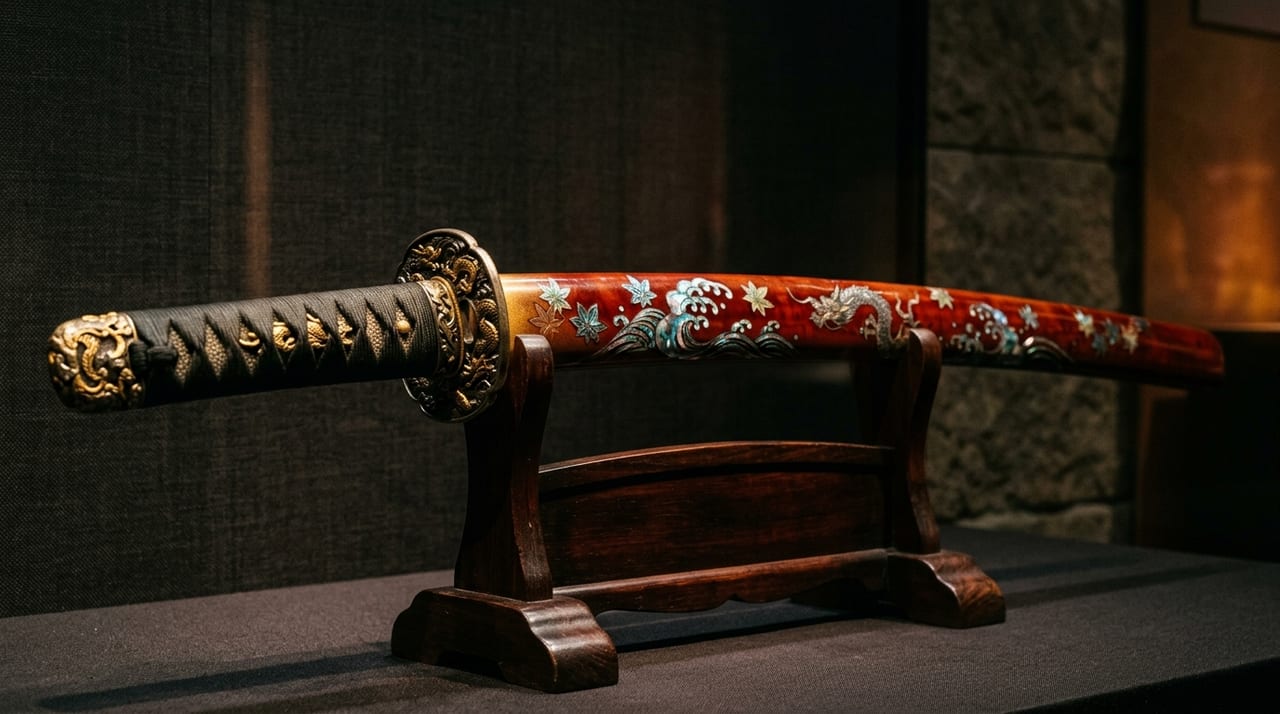 * Image is for illustrative purposes only.
Table of Contents
The Aesthetics of Japanese Swords as Told by the "Exterior" of Koshirae
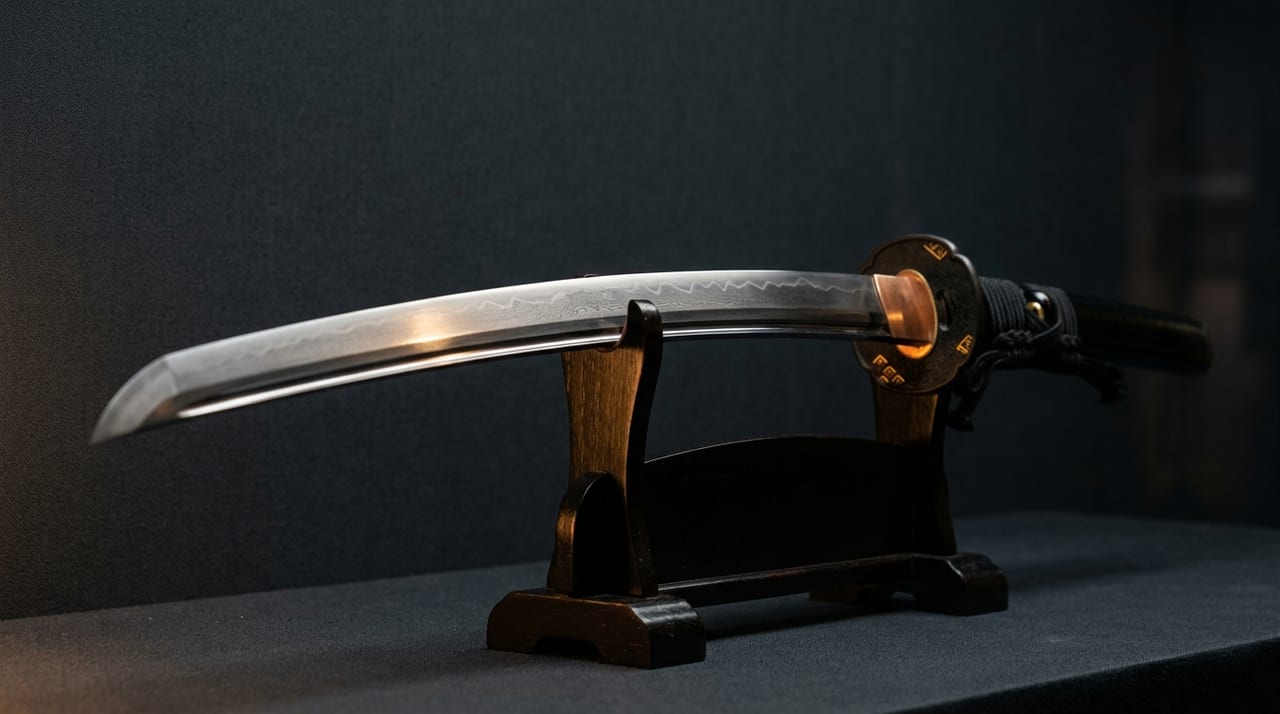
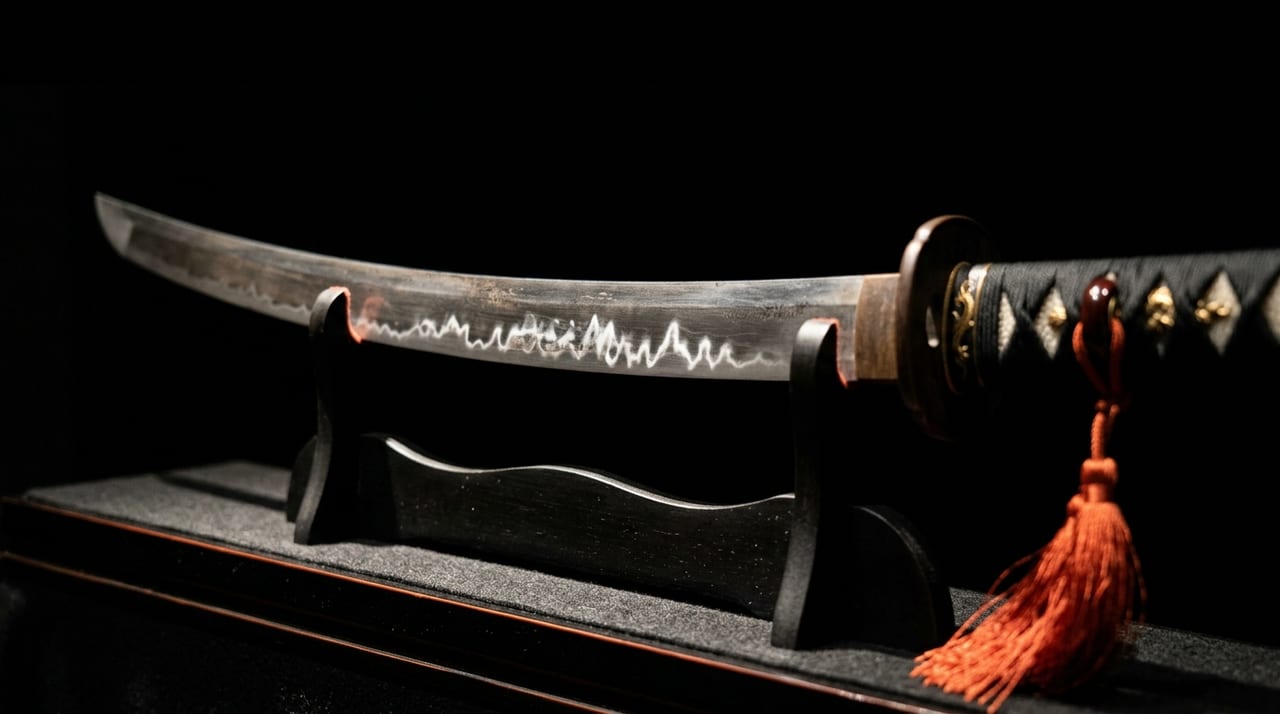
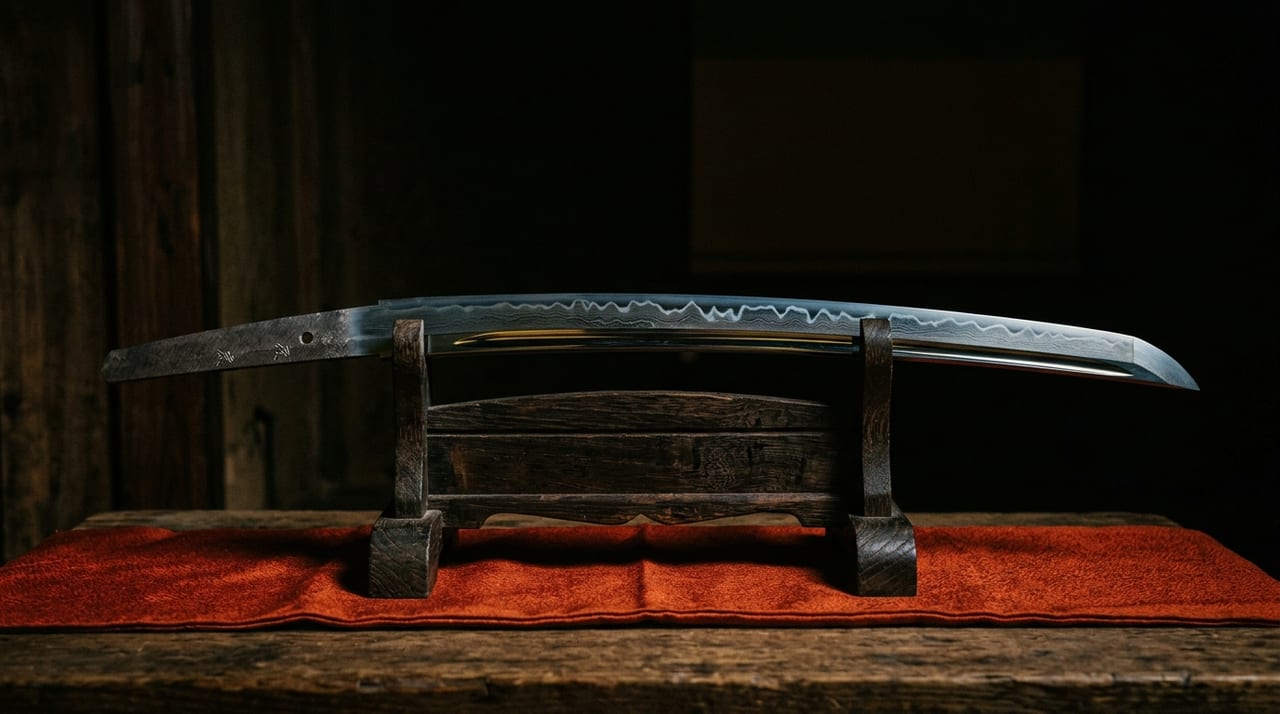
When speaking of the appeal of Japanese swords, one's gaze tends inevitably toward the hamon and jigane of the blade. Yet the artistic standard of the koshirae that envelops the blade is equally one of the crowning achievements of Japanese sword culture. In particular, the daimyo koshirae commissioned by daimyo and shoguns brought to bear the finest techniques in lacquerwork, metalwork, and textiles that existed at the time.
This article examines three representative lacquer techniques applied to koshirae — shu-nuri, aokainuri (raden), and ikakeji — and explains their artistic characteristics, historical background, and contemporary assessment.
Shu-nuri——The Dignity and Tradition of Red
Shu-nuri is a technique in which bengara (red ocher, iron oxide) or cinnabar (mercury sulfide) is mixed into lacquer to produce a vivid red hue. It is one of the oldest coloring techniques in Japanese lacquerwork, with red lacquer confirmed on excavated lacquerware from the Jōmon and Yayoi periods.
The use of shu-nuri in sword fittings dates back to the shu-nuri no tachi of the Heian period. Tachi used as ritual swords by warrior houses for offerings and awards were finished with shu-nuri over the entire saya, visually signifying their high standing.
In the Sengoku period, warriors adopted shu-nuri spear and naginata koshirae as a means of projecting an imposing presence, combining battlefield visibility with the display of authority. Entering the Edo period, the tradition of shu-nuri saya was inherited as the ritual sword of daimyo and was also prized as a commemorative or gift item from each domain.
The technical artistry of shu-nuri lies in its combination with the roiro finish. The appearance varies greatly — from a plain red to an elegant deep crimson — depending on the craftsman's mixture and skill, but the representative steps are as follows.
- Apply successive coats of red lacquer
- Polish with charcoal
- Apply a thin coat of raw lacquer and burnish with deer antler (roiro-migaki)
This produces a translucency with great depth.
Aokainuri——The Brilliance of Yako-gai and Raden
Aokainuri is a type of raden technique, a decorative method that takes advantage of the "iridescent brilliance (structural color)" found on the inner surface of shells such as the yako-gai (turbo marmoratus), abalone, and akoya-gai. Thin pieces of shell are inlaid into a lacquer ground, and transparent lacquer is applied over them and polished, producing a mysterious shimmer that shifts color from moment to moment with the angle of light.
By the Nara period, objects using the raden technique were already housed among the Shōsōin treasures, reflecting how Japan independently developed a technique introduced from the continent (Tang China). In the Heian period, raden tachi paired with court dress were treasured in aristocratic society, and by the Kamakura period the technique had spread to warrior houses as well.
The pinnacle of aokainuri in sword fittings is exemplified by works of the kin nashiji raden saya type. This combined technique places raden on a nashiji ground — a makie surface scattered with gold powder — and the Kin Nashiji Aoi-mon Raden Tachi Koshirae in the collection of the Tokyo National Museum is known as an object associated with the Tokugawa clan, regarded as one of the ultimate koshirae embodying the prestige of the shogunal house.
Contemporary aokainuri craftsmen face difficulty in obtaining yako-gai shells. Those once harvested in Okinawa and Amami have become subject to restrictions due to resource depletion, and supplies must now be imported from Fiji, Vanuatu, and elsewhere. The number of shells used for a single saya can range from several dozen to several hundred, and a production period of several months is not uncommon.
Ikakeji——A Golden Ground Laid with Gold Powder
Ikakeji is one of the foundational steps in makie technique, referring to a hira-makie ground in which gold and silver powders are densely scattered over lacquer to cover the entire surface. By literally creating a "ground laid with gold," it produces an effect whereby the designs applied on top stand out against a golden background.
It is found frequently in koshirae from the Muromachi period, surviving in forms such as the Ikakeji Matsukawabishi-mon Uchigatana Koshirae and the Ikakeji Shippō-mon Itomaki Tachi Koshirae. In the Edo period it was widely adopted for tachi koshirae produced as gifts for shoguns and daimyo, creating dignified koshirae in which family crests such as the paulownia, hollyhock, and chrysanthemum stood out beautifully against the gold ground.
The texture of the ground varies depending on the particle size of the gold powder. The variations are as follows.
- Nashiji: uses coarse gold powder (nashiji-ko)
- Kinji: finished uniformly with fine gold powder
- Hyōmon: gold foil applied
Craftsmen skillfully selected the type of powder and the layering procedure according to the intended use and level of formality.
The drawback of ikakeji is that it is prone to change. The gold powder itself does not oxidize, but the lacquer used as the binder loses transparency over time, and faded koshirae tend to turn into a "dulled gold ground." In museum conservation and restoration, maintaining a low-temperature, low-humidity environment to suppress lacquer deterioration is indispensable.
The Comprehensive Artistry of Lacquerwork in Daimyo Koshirae
A daimyo koshirae of the Edo period was a comprehensive craft object in which multiple craftsmen divided and shared the work to complete a single sword. Responsibilities were divided as follows.
| Craftsman | Responsibilities |
|---|---|
| Saya wood-shaper (sayashi) | Carves magnolia wood to form the shape of the saya |
| Lacquerer (nurishi) | Applies dozens of layers of lacquer from the base coat through the final finish |
| Makie artist | Draws designs on the ikakeji ground and adds decoration using gold powder, silver powder, and colored lacquer |
| Raden craftsman | Cuts shell pieces and inlays them |
| Metal craftsman | Finishes the tsuba, menuki, and fuchi-kashira with engraving |
| Tsuka wrapper | Completes the tsuka with ray skin and cord |
With so many craftsmen involved, it was not unusual for the completion of a single daimyo koshirae to take years. The cost was also enormous; for items presented to the shogun, the production cost is thought to have run into the hundreds of millions of yen in today's terms.
Craftsmen of Lacquered Koshirae in the Modern Age
Even today, it is said that there are only around ten craftsmen in all of Japan capable of producing lacquered koshirae. Craftsmen who have mastered both lacquerwork and sword fittings are extremely rare, and their skills face the serious challenge of a shortage of successors.
There are increasing cases of young people who have studied lacquerwork at institutions such as Tokyo University of the Arts and Kanazawa College of Art and Crafts taking an interest in sword-fitting lacquerwork. However, acquiring the techniques specific to sword fittings — such as "lacquering three-dimensional surfaces" and "processing the joints with the tsuba and habaki" — is said to require a minimum of more than ten years of training.
The existence of craftsmen who apply the finest koshirae to outstanding modern blades using traditional techniques holds an importance for the transmission of Japanese sword culture no less than that of the tōshō. For collectors to direct their attention to the lacquerwork of koshirae would also be a contribution toward the preservation and transmission of this rare craft.