The Jōkyū War and Japanese Swords: How Retired Emperor Go-Toba's Love of Swords and the Court-Shogunate Conflict Created a Turning Point in Kamakura Sword History
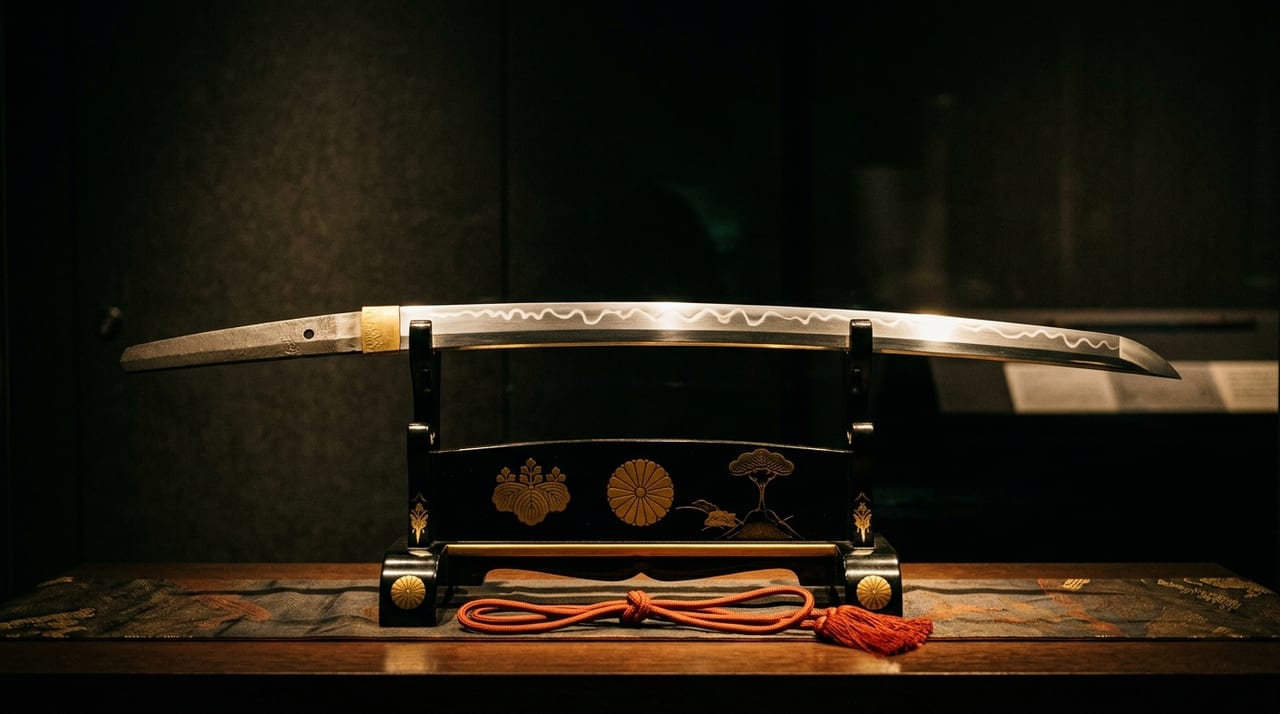 * Image is for illustrative purposes only.
Table of Contents
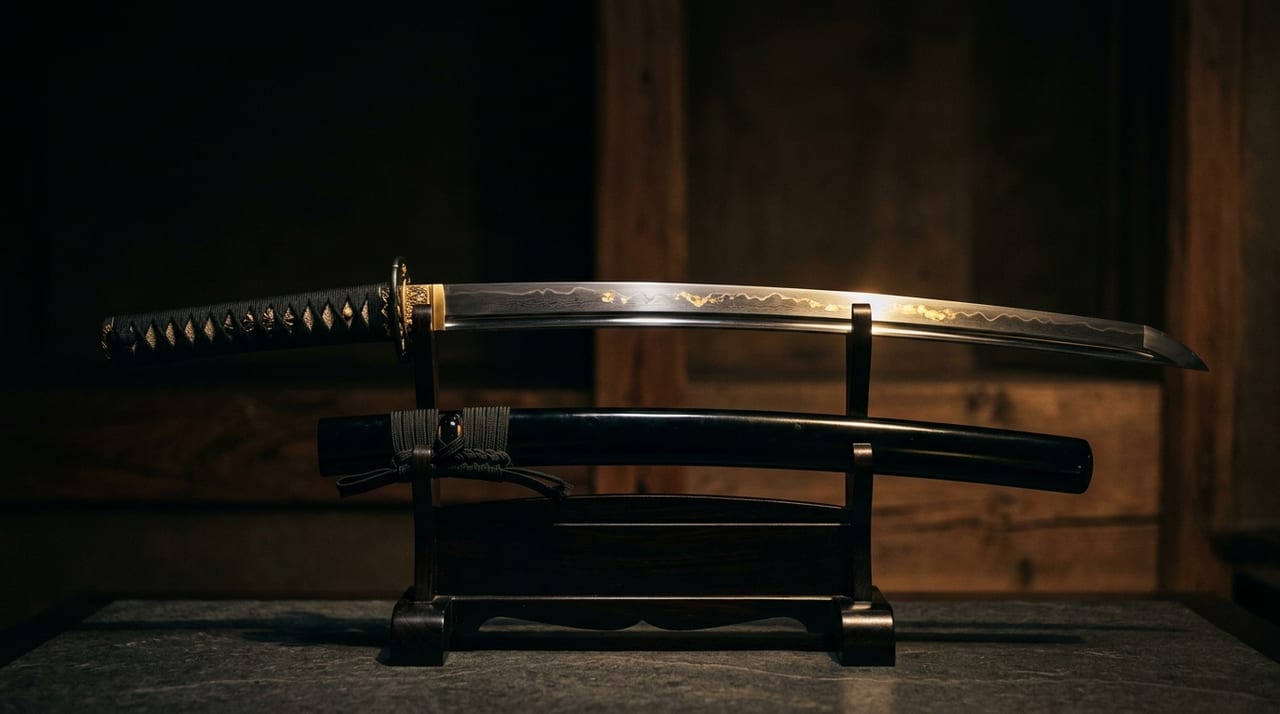
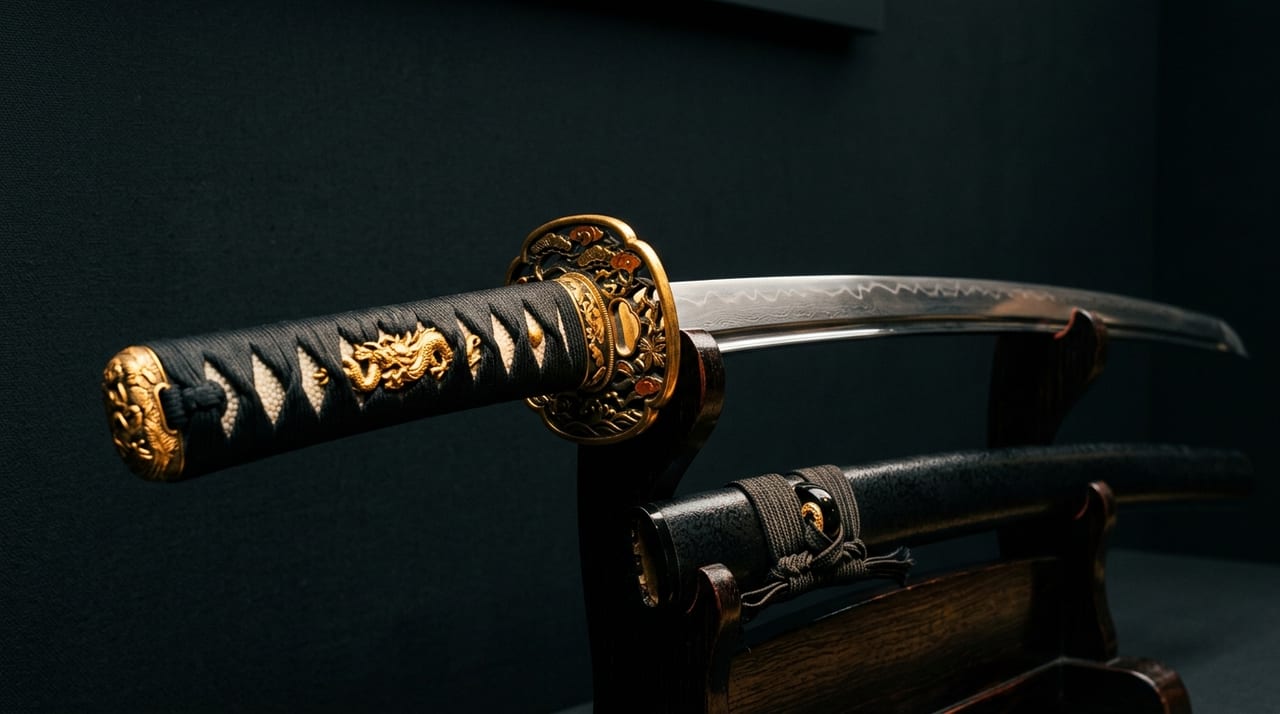
The "Jōkyū War," set in motion by Retired Emperor Go-Toba in Jōkyū 3 (1221), appears in Japanese history textbooks as a power struggle between the imperial court and the Kamakura shogunate. Seen from the history of Japanese swords, however, this event carries an entirely different meaning. Retired Emperor Go-Toba was one of the most ardent devotees of swords in all of Japanese history, and the Jōkyū War was also an event in which that devotion intersected with political action. This article re-reads the Jōkyū War as a "turning point in sword history."
Retired Emperor Go-Toba's Love of Swords: The Unprecedented Achievement of an Emperor Forging Swords Himself
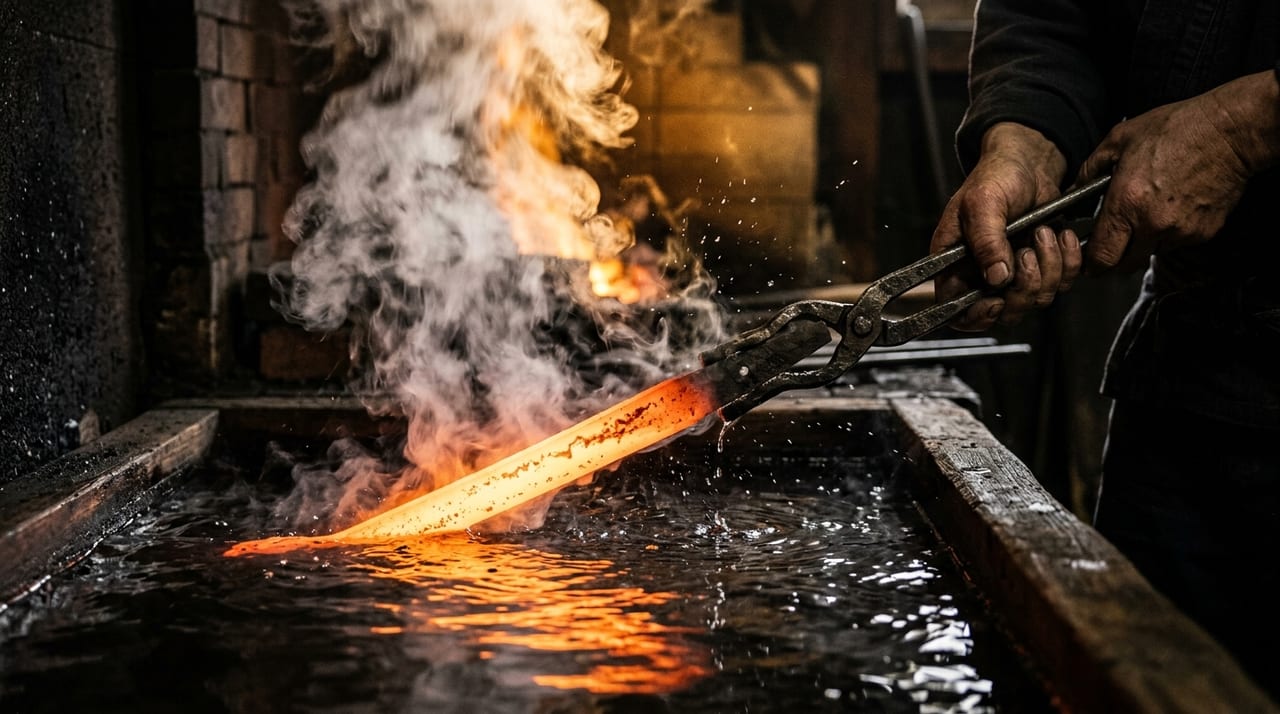
Retired Emperor Go-Toba (1180–1239) is known as a versatile ruler accomplished in waka poetry, music, kemari kickball, and the martial arts, but his passion for swords was exceptional. Remarkably, records show that he did not merely appreciate and collect swords but went so far as to establish his own smithing forge and perform smithing work himself.
Contemporary sources including the "Meigetsuki" (the diary of Fujiwara no Teika) contain descriptions of a system Retired Emperor Go-Toba established called the goban kaji (monthly-rotation smiths). Under this system, celebrated tōkō (swordsmiths) from across the country were summoned to the imperial palace on a monthly rotation to forge swords in the retired emperor's presence. The summoned smiths were called "ban kaji," and the honor was regarded as the highest distinction a tōkō could receive. The details of how this system operated are covered in Retired Emperor Go-Toba's Goban Kaji System.
Especially noteworthy are records that Retired Emperor Go-Toba personally wielded the smith's hammer. Sources contain passages to the effect that "the retired emperor himself faced the anvil and struck several blows." For an emperor or retired emperor to perform smithing work directly was unprecedented, and this demonstrates Go-Toba's extraordinary devotion to swords.
Among the tōkō he particularly favored were those of the Fukuoka Ichimonji School of Bizen. Swords of the Ichimonji School are characterized by a grand, tumultuous hamon (temper line) known as "ōfusa chōji," and Retired Emperor Go-Toba is said to have been deeply captivated by this beauty. This imperial preference became the driving force that further refined the techniques of the Bizen Ichimonji School.
The Goban Kaji System: The Court's Organization of Swordsmiths Nationwide
Retired Emperor Go-Toba's goban kaji system holds important significance in the history of Japanese swords, because it was an unprecedented attempt at "organizing tōkō from across the country under the emperor and imperial court."
The tōkō summoned as goban kaji were the finest smiths selected from among the leading tōkō of the entire country. Goban kaji whose names can be confirmed in the historical record include master smiths from major production centers such as Bizen, Yamashiro, Yamato, and Bitchū. When forging swords at the imperial palace, they are said to have been granted the honor of engraving on the nakago (tang) a mei (signature) known as "kiku ichimonji"—a signature in the shape of the chrysanthemum, Retired Emperor Go-Toba's crest. Details of the kiku ichimonji style are compiled in Kiku Ichimonji: The Pinnacle of Retired Emperor Go-Toba and the Bizen Ichimonji School.
Swords bearing this "kiku ichimonji" mei (signature) were treasured in later ages as the finest swords in the land. Among early Kamakura-period Ichimonji School works that are today designated as kokuhō (National Treasure) or jūyō bunkazai (Important Cultural Property), some are considered to be products of this system.
The goban kaji system also contributed to raising the social standing of tōkō. Until then, kaji (smiths) had low social status as "craftsmen," but the honor of forging swords in the retired emperor's presence greatly elevated the social regard for the tōkō profession. This shift in perception became the foundation for the technical advancement and social establishment of tōkō during the middle and late Kamakura period.
The Jōkyū War: The Day the Retired Emperor's Sword Policy Collapsed
In the 5th month of Jōkyū 3 (1221), Retired Emperor Go-Toba struck down Iga Mitsusue, a powerful gokenin of the shogunate, and declared war on the Kamakura shogunate. The shogunate's side, however, united under the speech of Hōjō Masako and crushed the court's army with overwhelming force. In barely one month the war ended in victory for the shogunate.
Retired Emperor Go-Toba was exiled to Oki (present-day Shimane Prefecture), and died in En'ō 1 (1239) without ever returning to the capital. This defeat fundamentally changed Go-Toba's sword policy.
Sources from after the Oki exile contain descriptions of Retired Emperor Go-Toba maintaining his interest in swords even in Oki. Some of his close attendants accompanied him into exile, and the retired emperor is said to have composed poems expressing his feelings about waka and swords. The famous poem "Ware koso wa Niijima mori yo Oki no umi no araki namikaze kokoro shite fuke" is imbued with a dignity preserved amid loneliness; according to tradition, when Go-Toba composed this poem his beloved sword was at his side.
The Disposal of Swords After the War: The Dispersal and Redistribution of Famous Swords
After the Jōkyū War, many of the famous swords that Retired Emperor Go-Toba had collected and kept were confiscated by the shogunate. The swords that had formed the core of the gyobutsu (imperial collection) of Go-Toba's palace were dispersed in the following three directions.
- Rewards for those who had rendered military merit on the shogunate's side
- Dedication to shrines and temples
- Storage in the shogunate's treasury
This "redistribution of famous swords" had long-term consequences for the history of Japanese swords. As the finest Bizen Ichimonji School pieces that Go-Toba had gathered passed after the war into the hands of eastern gokenin and warriors, Ichimonji School swords—which had until then circulated mainly in the western provinces—spread throughout the warrior society of the eastern provinces as well. This became the foundation for the "culture of collecting famous swords" in the eastern provinces from the mid-Kamakura period onward.
The goban kaji system was also abolished or rendered a dead letter after the war. As its legacy, however, the technical lineages of the tōkō who had been chosen as goban kaji were passed on in each production region. The Bizen Ichimonji School in particular transmitted through Retired Emperor Go-Toba's patronage its refined techniques to the next generation, preparing the ground for the "golden age of Bizen swords" in the late Kamakura period and the Nanbokuchō era.
Retired Emperor Go-Toba's View of Swords: Rivalry with the Warrior Houses and the Spirituality of the Sword
Retired Emperor Go-Toba's love of swords carried political and spiritual implications that went beyond mere aesthetic interest. At a time when the warrior government was taking control of the sword as "the symbol of martial power," the fact that the retired emperor personally performed smithing and organized tōkō from across the country through the goban system was an assertion that "it is the imperial court that is the rightful guardian of the sword."
Some scholars hold that one of the motives for the Jōkyū War was a sense of rivalry against the shogunate's monopolization of martial power. Retired Emperor Go-Toba's sword policy can also be interpreted as an attempt to counter the shogunate's monopoly on military force by culturally "imperializing" the martial arts. If so, the defeat in the Jōkyū War was also the court's defeat in a "struggle for authority conducted through the medium of the sword."
Conclusion: The Legacy Retired Emperor Go-Toba Left in Sword History
The Jōkyū War is remembered in political history as a victory for the shogunate and a defeat for the imperial court, but from the perspective of Japanese sword history it left the following legacy.
The goban kaji system became the foundation for raising the social standing of tōkō and refining their techniques, and fostered the flourishing of the Bizen Ichimonji School. The redistribution of famous swords after the war brought famous swords into widespread circulation in eastern warrior society. And Retired Emperor Go-Toba's own love of swords, as the earliest example of the court side emphasizing the dual nature of "the sword as both weapon and work of art," became an important passage in the process by which the Japanese sword was elevated beyond a mere weapon to become a cultural presence.