The Jōkyū War (1221) and the Japanese Sword — Retired Emperor Go-Toba's Goban-kaji and the Kiku-gosaku
 * Image is for illustrative purposes only.
Table of Contents
What Was the Jōkyū War?
In Jōkyū 3 (1221), Retired Emperor Go-Toba issued a decree and an edict ordering the destruction of Hōjō Yoshitoki, regent (shikken) of the Kamakura shogunate, and raised troops. This was the Jōkyū War, regarded as the first armed conflict between the imperial court and a warrior government. After the third shogun, Minamoto no Sanetomo, was assassinated in Kenpō 7 (1219) and the line of Minamoto shoguns came to an end, real power in the shogunate lay with Hōjō Yoshitoki, and relations between the retired emperor and the shogunate had deteriorated.
The shogunate sent armies toward Kyoto along three routes — the Tōkaidō, the Tōsandō and the Hokurikudō — under commanders including Hōjō Yasutoki and Tokifusa. The Azuma Kagami records that the shogunate's forces eventually reached 190,000 horsemen. The Kyoto side tried to hold the line at the border of Mino and Owari and at Uji and Seta, but was defeated, and the shogunate's army entered Kyoto.
After the War
In the 7th month of that year, Retired Emperor Go-Toba was exiled to Oki and Retired Emperor Juntoku to Sado, while Retired Emperor Tsuchimikado went to Tosa of his own wish (later moving to Awa). The shogunate established the Rokuhara Tandai in Kyoto to watch over the court and placed the gokenin stationed in the capital under its command. Most of the more than 3,000 confiscated estates of the Kyoto side received gokenin from eastern Japan as jitō (stewards), and the shogunate's power came to reach strongly into western Japan. The Rokuhara Tandai lasted until Genkō 3 (1333), when it was overthrown by Ashikaga Takauji and others.
Go-Toba and the Sword: the Goban-kaji and the Kiku-gosaku
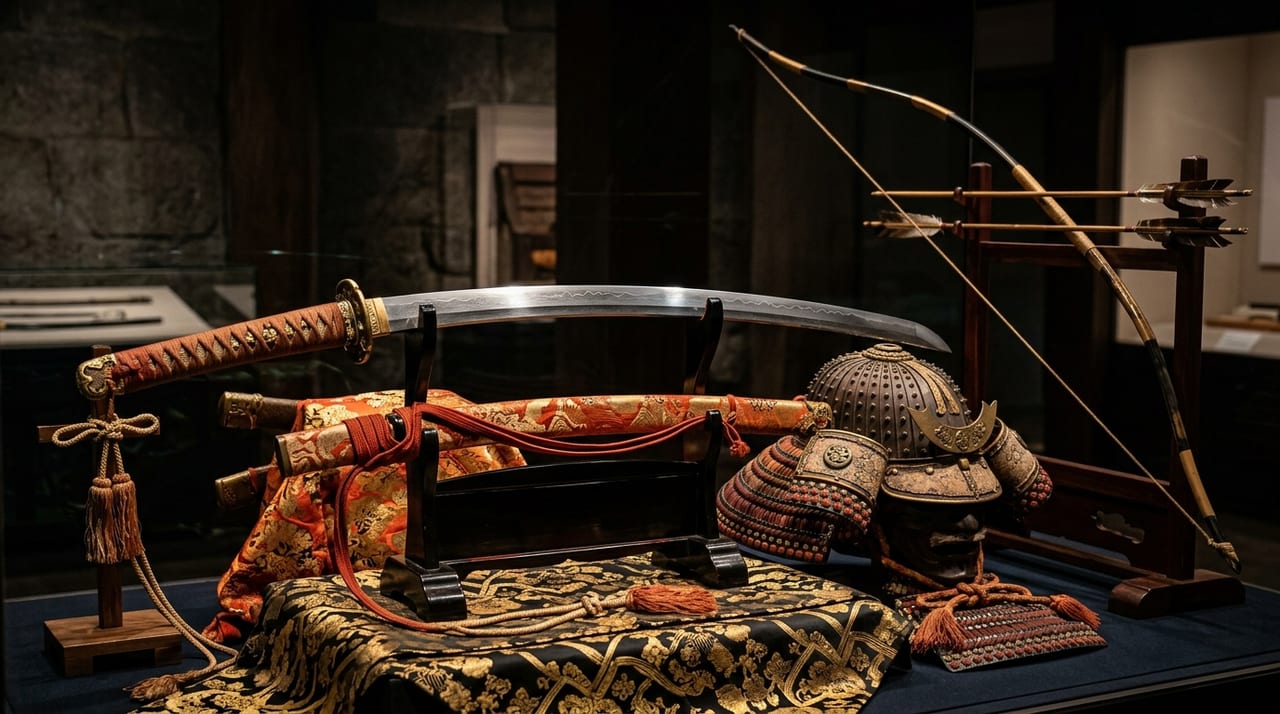
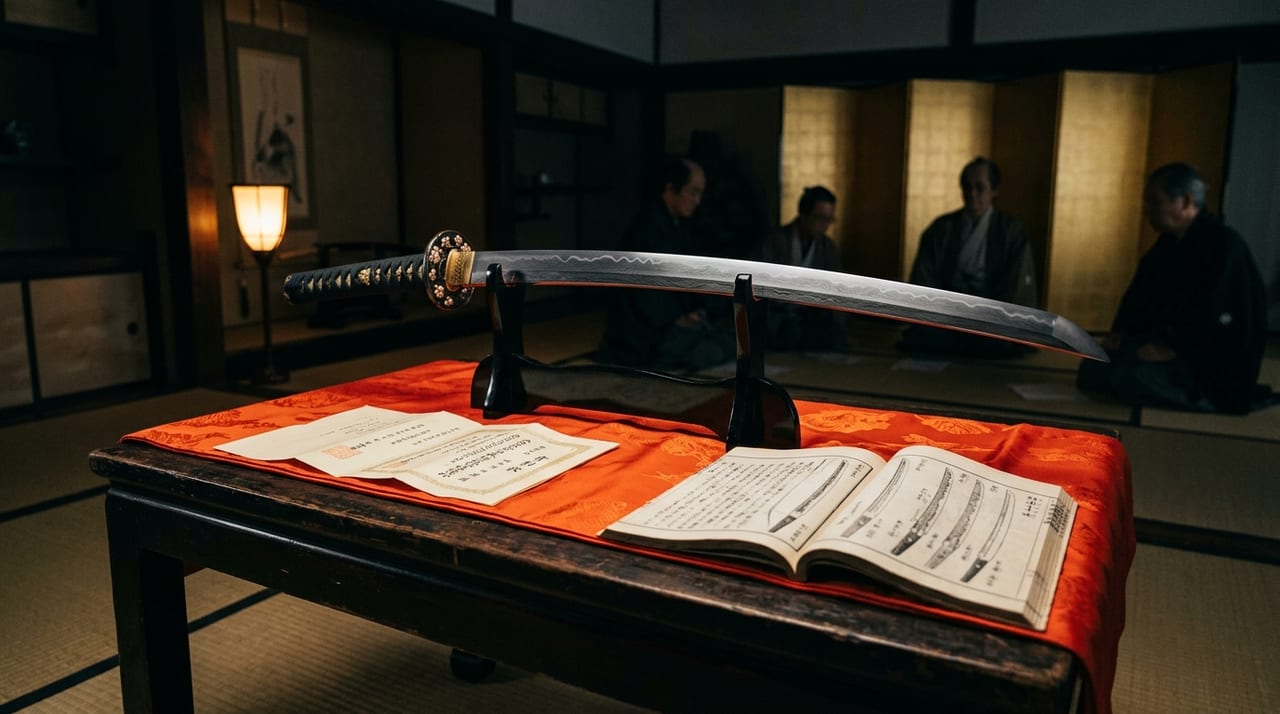
Retired Emperor Go-Toba is known for his love of swords. He is said to have summoned master smiths from Yamashiro, Bizen, Bitchū and other provinces by monthly turns to forge for him; these smiths are called the "goban-kaji" (smiths on duty). Tachi into which the retired emperor himself is said to have put the temper and on which a chrysanthemum crest was carved are called "Kiku-gosaku" or "Gosho-yaki"; among them, the "Tachi, signed (chrysanthemum crest) Kiku-gosaku" of the Kyoto National Museum and the "Tachi, unsigned, Kiku-gosaku" of the Kurokawa Institute of Ancient Cultures are designated Important Cultural Properties.
The National Institutes for Cultural Heritage describe the Kiku-gosaku as blades that Go-Toba is said to have forged himself and marked with the chrysanthemum crest to raise morale as he moved toward the Jōkyū War. The old movable-type edition of the Jōkyūki likewise states that the Gosho-yaki were made by Tsugiie and Tsuginobu with the retired emperor himself putting in the temper, and that courtiers and the guards of the northern and western quarters who enjoyed his favor received them and wore them.
The membership of the goban-kaji and the monthly roster, however, are traditions recorded in sword books such as the Kanchiin-bon Meizukushi; they do not appear in more reliable historical works, and their truth is said to be unknown. Tachi attributed as Kiku-gosaku are also said to differ in style according to the smith who assisted at the forging, some resembling the Awataguchi school of Yamashiro and others the Ichimonji school of Bizen.
The Jōkyū War in Sword History
In the history of the Japanese sword, the Jōkyū War is an event often told together with the traditions of Go-Toba's goban-kaji and the Kiku-gosaku. The story that smiths of Yamashiro, Bizen and Bitchū were gathered around the retired emperor is still introduced in sword books and exhibition texts as an anecdote of the activity of the master smiths of the early Kamakura period.