Choosing Practice and Equipment for Iai, Kendo, and Naginata — Sword Selection Strategy and Maintenance Practice by Training Stage
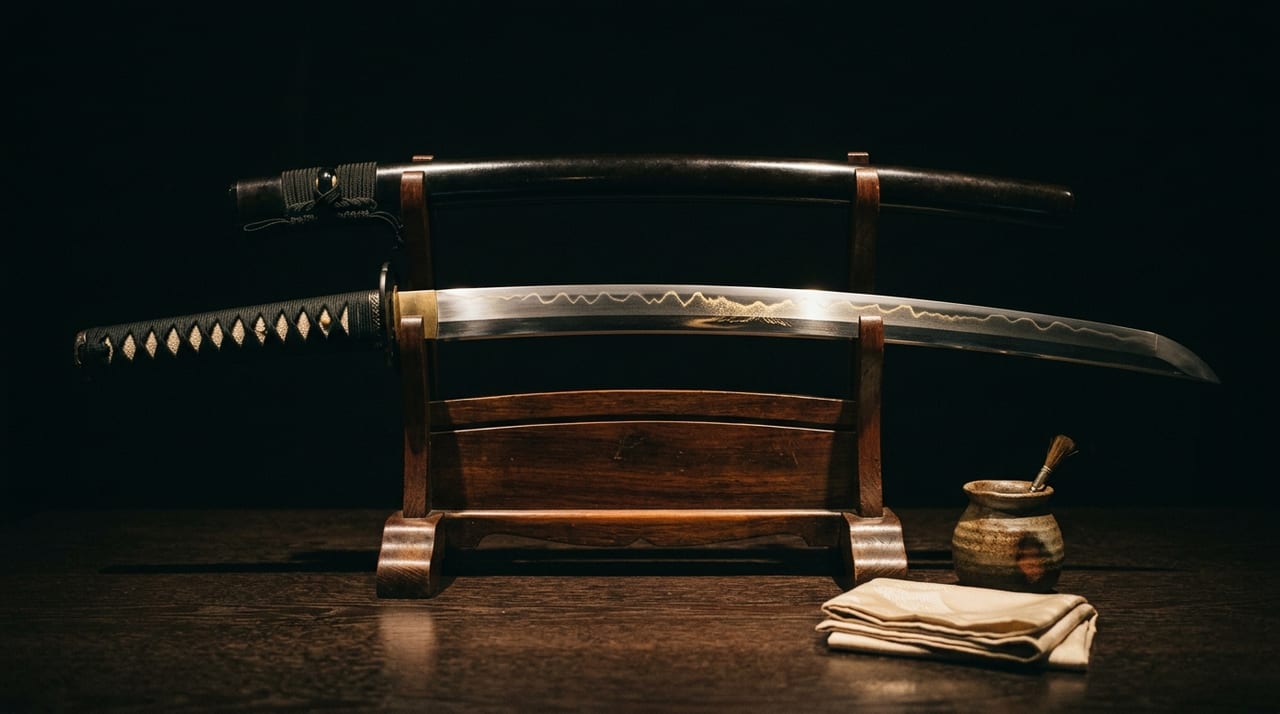 * Image is for illustrative purposes only.
Table of Contents
Characteristics of the Three Martial Arts and the Equipment Problems Practitioners Face
Iai, kendo, and naginata are all traditional martial arts deeply connected to Japanese sword culture, yet the nature of the equipment used in practice differs greatly between them. Kendo is widely practiced as a competitive martial art centered on the shinai, while iai focuses on kata practice that refines the motions of battō and nōtō using a shinken. Naginata is a martial art using a long-handled bladed weapon; today it encompasses both competitive organizations where women practitioners are the majority and schools rooted in classical martial arts.
The first question that faces anyone about to begin training is "which martial art to choose," but this is simultaneously a question of "what kind of equipment to invest in, and how much." If appropriate equipment is not selected at each stage, not only is the safety of practice compromised, but unnecessary expenditure continues. This article organizes the thinking behind equipment selection at each stage of training, as well as maintenance practices common to all three martial arts.
Equipment Selection in Iai — Choosing a Sword That Can Withstand Repeated Drawing and Sheathing
Iai is a martial art that engraves into the body, as kata, the motion of drawing a sword from the saya, cutting down an imagined opponent. Because the sequence of battō, cutting, and nōtō is repeated continuously, the precision of fit between the blade and the saya directly affects the quality of practice.
At the shoden and introductory level, many dōjō begin practice with bokutō or practice swords with a saya (mogitō) for safety reasons. Because mogitō have a metal blade but no edge, they make it easier to focus on learning kata and carry a lower risk of injury. What matters at this stage is building the framework of movement; there is no need to obtain an expensive shinken. The types of iaitō and mogitō and how to choose them are compared in Choosing Between Iaitō, Mogitō, and Shinken.
Upon entering the chūden and intermediate level and receiving permission from one's instructor, one first considers moving to a shinken. At this point, the top priority is confirming that the sword's overall length, sori, and balance point are suited to one's physique. Blade length is commonly around 2 shaku 3 sun (approximately 70 cm) to about 2 shaku 4 sun for iai, though the appropriate measurement varies by the practitioner's height and the school to which they belong. Consulting with senpai or one's instructor before purchase is strongly recommended.
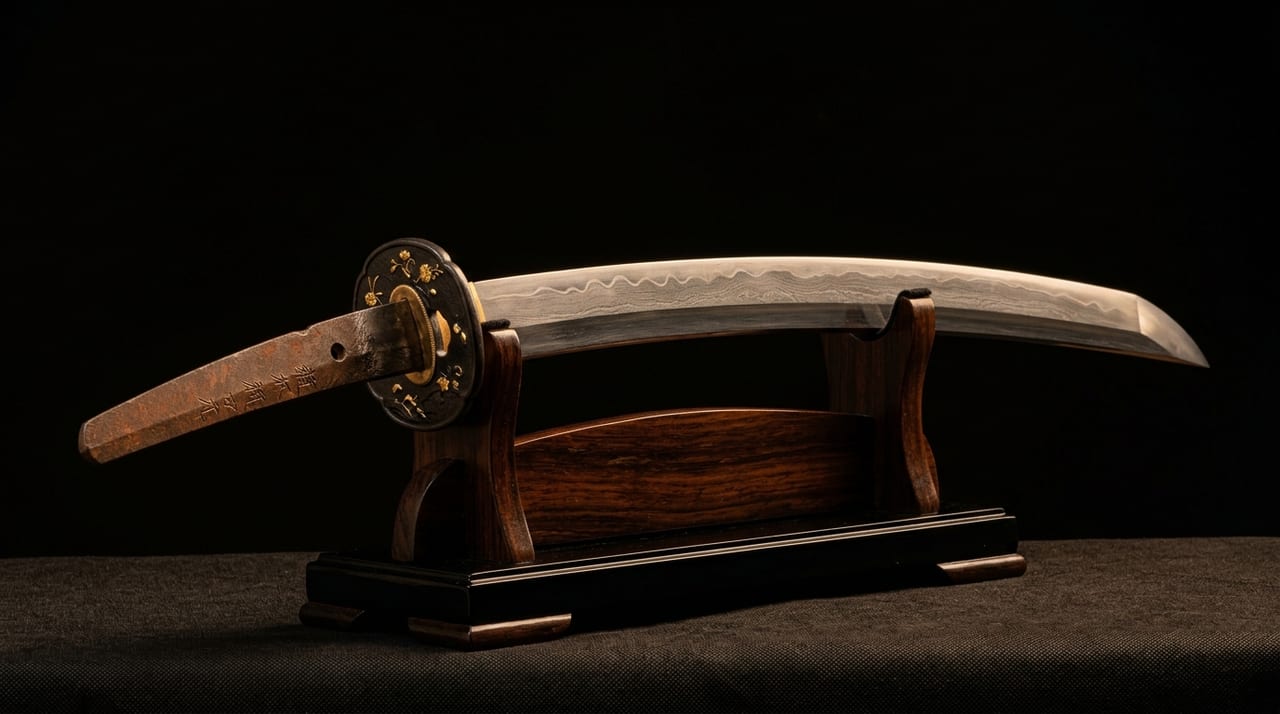
Once one begins handling a shinken, it becomes possible to experience firsthand how a sword's character — the uniformity of its forging, the shape of its sori, the appearance of its hamon — affects the feel of practice. For a newly made sword, one may commission it by communicating one's preferences to the swordsmith, though the cost is correspondingly high. When acquiring an older sword, it is essential to verify through a trusted specialist that the blade has no critical damage — breaks, large chips, or rust corrosion.
Equipment Selection in Kendo — Shinai Quality Management Determines the Level of Practice
Since kendo is a competitive martial art that does not use shinken, the center of equipment selection is choosing and maintaining the shinai. The feel of striking changes depending on the bamboo's material, machining precision, and weight balance of the shinai, and it is also a consumable whose bamboo properties change the more it is used.
Shinai have standards set by the All Japan Kendo Federation, with prescribed lengths and weights according to age and rank. Beginners often start with a shinai provided by the dōjō or school, but once training has progressed to a degree, it is good to develop an awareness of choosing a shinai suited to one's own physique. A shinai with uniform bamboo thickness and evenly placed nodes tends to give a more consistent feel when striking and aids improvement in practice.
Frequent issues in shinai maintenance are the splitting of bamboo and unevenness of the higo. After practice, smoothing out any roughness on the bamboo surface with sandpaper and applying a thin coat of oil or dedicated wax can slow the splitting of the bamboo. The sakigawa, nakayui, and tsuru wear out quickly, so their condition should be regularly checked and they should be replaced. The service life of a shinai varies greatly with practice frequency, but when practicing multiple times a week, it is not unusual for replacement to be necessary within a few months.
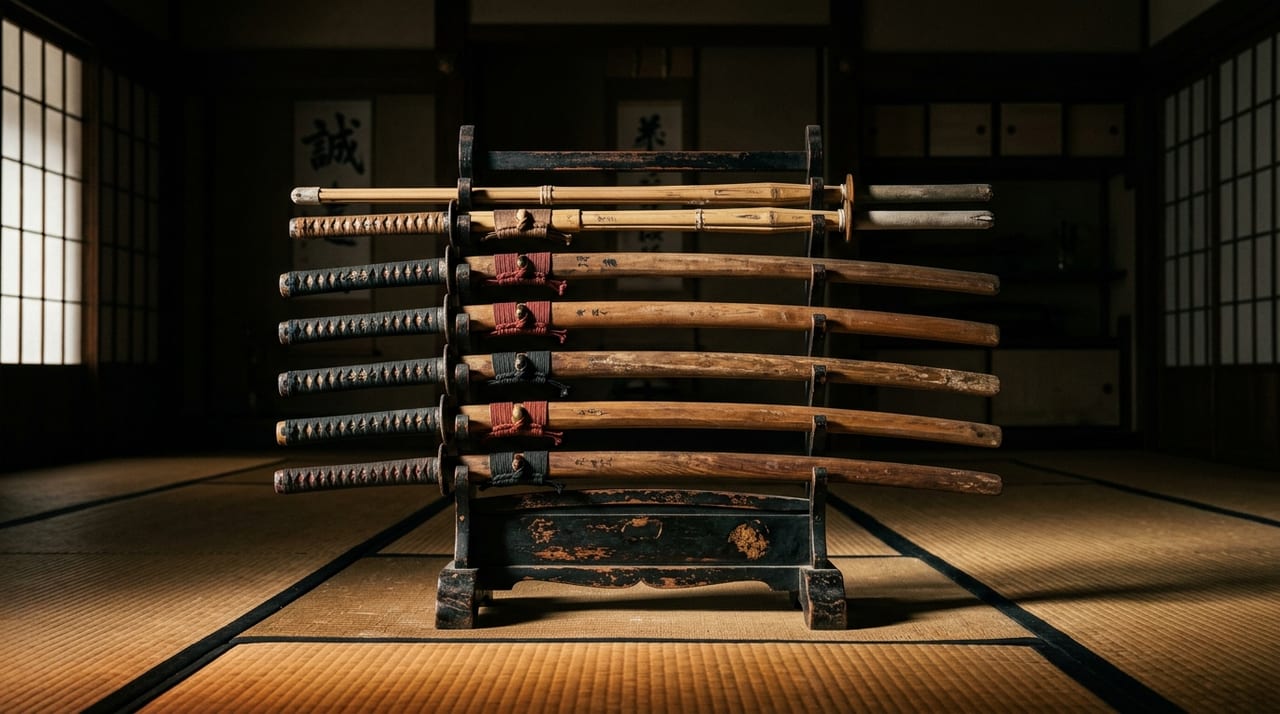
Among schools that practice classical kenjutsu or kata, there are those that train in kata using bokutō or mogitō with no edge. In such practice, the quality and balance of the wood become important, and a bokutō dedicated to kata practice may be prepared separately from one used merely for striking practice.
Equipment Characteristics of the Naginata — Maintenance Challenges Unique to a Long-Handled Weapon
The naginata is a long-handled weapon with a blade fitted to the tip of a long shaft. In competitive naginata today, bamboo practice naginata (for kakari-keiko) are the mainstream from a safety standpoint, but schools rooted in classical martial arts also use naginata with actual blades for kata practice.
The maintenance challenge unique to the naginata lies in the joint between the shaft and the blade. The shaft is often made of wood such as white oak or hō, and when drying, shrinkage, or deformation occurs through use or age, the joint tends to become loose. Checking the shaft for looseness before each practice session, and ceasing use and consulting a specialist craftsman or one's instructor if looseness is found, is an absolute safety requirement.
Since the overall length of the naginata is approximately 7 shaku (about 210–220 cm), the storage location also requires attention. Storing it in a humid location makes the shaft prone to deformation, while excessive dryness conversely causes splitting. It is desirable to stand it in an indoor location with stable temperature and humidity, or to store it in a dedicated sword stand.
The blade section of a naginata with a live edge essentially requires the same care as a Japanese sword, as a metal bladed weapon. The application of rust-preventive oil, regular wiping, and management of the storage environment are no different from those of an iaitō. If the blade chips during practice, the basic rule is not to attempt togi on one's own judgment but to request it from a togishi.
Sword Selection Strategy and Cost Considerations by Training Stage
As one's martial arts level advances, the scale of investment in equipment tends to grow. Prioritizing safety and learning efficiency at the beginner stage and only engaging with full-fledged sword equipment after advancing through stages is a rational approach common to all the martial arts.
| Level | Iai | Kendo | Naginata |
|---|---|---|---|
| Introductory | Mogitō · bokutō | Shinai (dōjō-supplied possible) | Practice naginata (dōjō-supplied) |
| Intermediate | Shinken (newly made or selected piece) | Personal shinai (multiple) | Personally owned practice naginata |
| Advanced | May also commission to preferred measurements and sori | Using multiple shinai for different purposes | Live-blade naginata (classical schools) |
Cost estimates vary greatly by martial art. Since kendo does not require a shinken, equipment costs are relatively modest, but shinai wear out at a fast pace. Iai requires a certain level of investment when acquiring a shinken, and running costs such as retogi and saya repairs continue to arise thereafter. Since the equipment required for naginata varies by school, it is important to check with the dōjō before joining.
Maintenance Practices Common to All Three Martial Arts
Regardless of the type of martial art, appropriate maintenance of swords (and equipment equivalent to swords) can be said to be the practitioner's duty. Neglecting it not only shortens the equipment's service life but also risks accidents during practice.
Managing rust-preventive oil is the most fundamental of all basics for any equipment with a blade. Because palm oil, sweat, and moisture adhere to the blade during practice, after practice the blade should be wiped with a soft cloth using uchiko and oil, then chōji oil or machine oil for rust prevention should be applied thinly and evenly. The principle is to apply oil neither too thin nor too thick; excessive oil attracts dust and becomes counterproductive.
The decision on retogi is made by assessing the condition of the edge. A shinken used in iai practice is unlikely to chip if kata practice without tameshigiri is the focus, but with long-term use the sharpness of the edge gradually diminishes. A general guideline is to have a trusted togishi check the condition approximately once a year. Since togishi differ in the stage of togi they specialize in (rough togi and finishing togi), it is advisable to inquire with multiple togishi and confirm their track records before commissioning.
Inspecting the saya, tsuka, and wrapping should ideally become a habit performed before and after each use. If the saya is cracked or sand has entered the inside, the blade will be scratched when drawn. If the mekugi in the tsuka is loose, there is a risk of the blade flying out during practice and this must absolutely not be overlooked. Replacing a mekugi is relatively easy to do, but if one is not confident, it is recommended to ask a senpai at the dōjō or a specialist.
Preparing an appropriate storage environment must not be forgotten either. Swords are averse to direct sunlight, high humidity, and sudden temperature changes. The basic practice is to store them indoors in a location with stable temperature and humidity, using a sword stand, sword bag, or sword box. Before long-term storage, apply rust-preventive oil thoroughly, and during storage check the condition and reapply oil at least once every few months.
What to Keep in Mind When Choosing a Martial Art and Selecting Equipment
Whichever of iai, kendo, or naginata one chooses, there are limits to what a beginner can accomplish when trying to select equipment alone. Each martial art has customs specific to each school or organization, and the specifications of recommended equipment often differ by dōjō. Consulting freely with one's instructor or senpai before or immediately after joining, and selecting equipment suited to one's level, is the shortcut to improvement and the best way to avoid unnecessary expenditure.
When the time comes to acquire a shinken or equipment with a live blade, it is important to obtain it from a trusted sword dealer or specialized vendor. Swords of unclear provenance may conceal legal issues (such as the presence or absence of a registration certificate) or quality problems (hidden rust, internal damage). Confirming the presence of a registration certificate (Firearms and Swords Registration Certificate) and acquiring the sword through proper procedures is the minimum responsibility of a practitioner.
Equipment is ultimately a means to martial arts training; the goal is not to collect expensive swords. However, selecting appropriate equipment at the appropriate stage and continuing careful maintenance also deepens the quality of training and one's understanding of the Japanese sword as a cultural treasure. The attitude of sincerely engaging with one's equipment is itself part of the spirit that Japanese martial arts have passed down over many years.