Sword Experience Tourism: From Boom to Hands-On Learning in Swordsmith Workshops
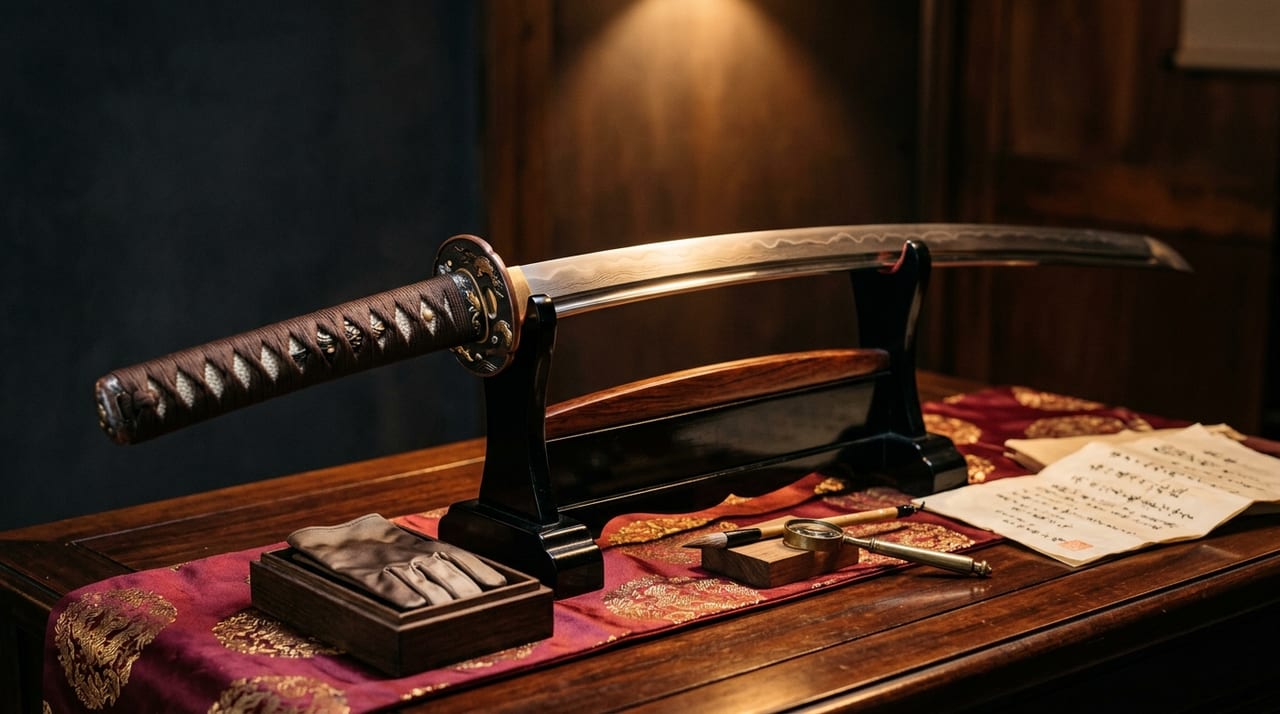 * Image is for illustrative purposes only.
Table of Contents
Shift from Sword Boom to Experiential Tourism
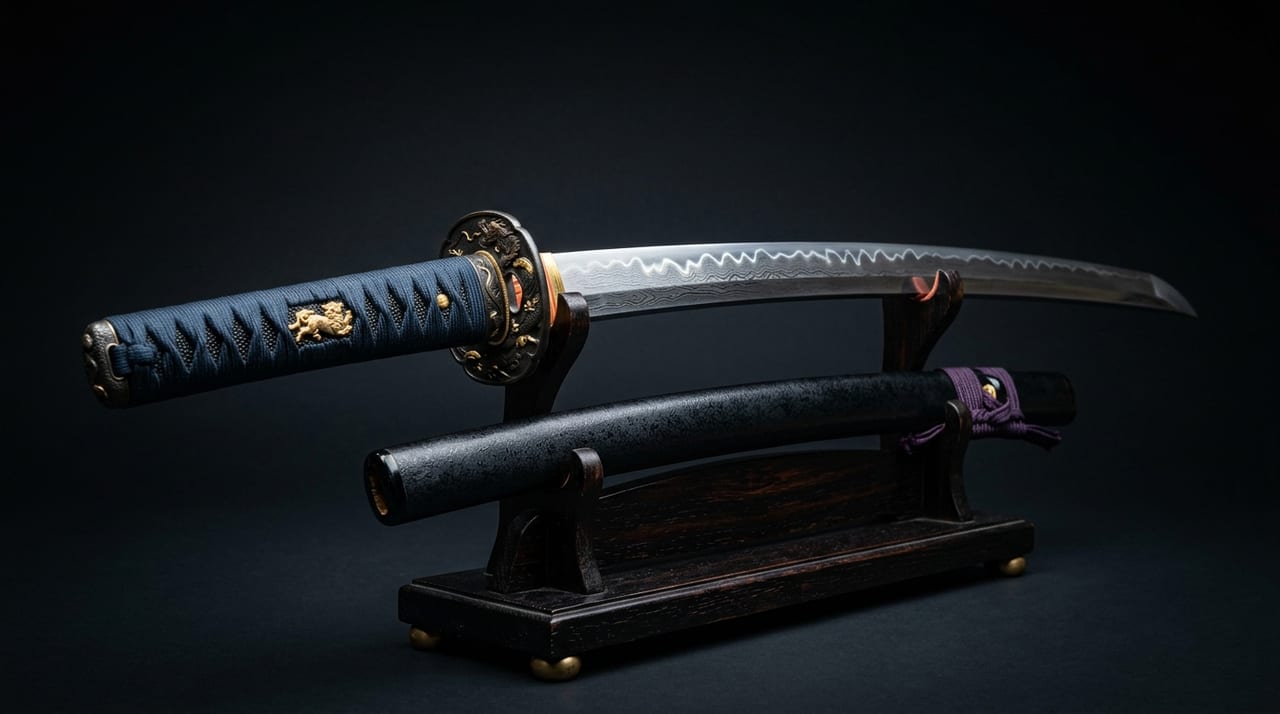
The Japanese sword boom that intensified from the 2010s onward (including the influence of the so-called "Touken Ranbu") has been gradually transitioning from a mere temporary trend to an "established cultural sphere" as of 2026. As interest in swords has grown, visitor behavior patterns have also changed dramatically. There has been a shift from traditionally passive and static appreciation—"viewing swords in museums"—to active and dynamic learning: "actually visiting sword-maker workshops and observing sword-maker techniques," and "handling swords to experience their weight and blade."
In response to this fundamental change, sword-maker workshops, Japanese sword museums, and tourism organizations across the country have been rapidly expanding experiential programs for the general public. In sword production regions such as Seki City in Gifu Prefecture, Kyoto Prefecture, and Matsue City in Shimane Prefecture, sword-smith workshops have been increasingly opened to the public, and many tourists now visit the sites where craftspeople practice their trades. Sword preservation associations and regional sword-maker guilds have also been putting effort into planning and supervising "sword experiential tours," aiming to standardize the quality of experiential programs.
Rapid Expansion of Sword-Smith Workshop Tour Programs
The most popular program is "sword-smith workshop tours." While sword-maker workshops once strictly prohibited public access, many workshops now accept visitors on a reservation basis. This change reflects the sword-makers' growing emphasis on preserving their techniques and contributing to the regional economy.
Seki City, Gifu Prefecture: Seki City is one of Japan's leading sword-manufacturing centers, and multiple sword-maker workshops accept visitors. Visitors can observe the actual process of forging and quenching red-hot tamahagane steel. At many workshops, sword-makers perform demonstrations of forging, allowing visitors to learn through all five senses: the sound of striking, the color of the flame, and the gleam of the steel. Some workshops allow visitors to learn about the evolution of forging techniques from ancient times to the present through explanations by the sword-makers.
Kyoto Prefecture: Sword-makers in Kyoto also accept workshop tours in the Kiyomizu and Higashiyama districts. Workshops known as "Kyoto sword-smiths" particularly offer programs that explain in detail the differences in manufacturing techniques for ancient swords, new swords, and contemporary swords, allowing visitors to experience that swords are still made using traditional techniques unchanged from centuries past.
Matsue City, Shimane Prefecture: The Izumo region has long been a major center of sword manufacturing. Multiple workshops in Matsue offer comprehensive "sword experiential tour" programs that combine lectures by sword-makers, forging demonstrations, and observations of sharpening and polishing processes. Some workshops also offer simplified sword-smithing experiences for beginners, allowing tourists to actually participate in part of the forging process.
Iaido and Kendo Experience and the Practical Use of Swords
Another important pillar of experiential tourism is "iaido experience" and "kendo experience." These provide valuable opportunities to use swords not merely as art objects, but as tools of martial arts. Iaido is a traditional Japanese martial art that involves a series of movements from drawing the sword, striking, and returning it to its sheath. In recent years, iaido has grown in popularity overseas, with increasing numbers of people, particularly in Western minority communities, learning Japanese bushido spirit through iaido. Domestically as well, more people interested in swords are taking up iaido, and iaido dojos across the country are opening short-term introductory experience courses.
Many dojos provide lightweight "iaito" and wooden swords so that beginners who have never handled a sword can participate safely, and can learn basic sword-drawing techniques after just a few hours of instruction. Participants report that handling an actual Japanese sword and experiencing its weight, balance, and sharpness deepens their understanding of swords, and many participants go on to continue practicing iaido.
Diversification of Museum Sword Experience Programs
Major sword museums have also shifted from traditional static exhibitions to experiential and interactive educational programs, increasing opportunities for a wider range of visitors to learn about sword culture. Major facilities such as the Japanese Sword Museum (Kyoto), Touken World (multiple locations including Aichi Prefecture), and the Japan Art Sword Preservation Association (Tokyo) offer the following programs:
- Sword Polishing Experience: Experience the process of re-polishing an old sword and restoring its original luster
- Mounting Crafting Experience: Learn the process of creating sword scabbards and handles
- Master Sword Appreciation Lecture: Expert explanation of the characteristics of National Treasures and Important Cultural Property swords with close-up viewing
- Sword Signature Reading Lecture: Learn techniques for deciphering signatures carved into swords
Coordinating with the NHK historical drama "Toyotomi Brothers!" which has been broadcast since January 2026, the Tokugawa Art Museum is holding the "NHK Historical Drama Special Exhibition: Toyotomi Brothers!" In addition to displaying swords and sword fittings used by Hideyoshi and Hideyori, symposiums and lectures on learning "the historical context of swords" are also planned.
Official Experience Guidelines and Safety Management by Sword Preservation Associations
The All Japan Sword-Smith Association and the Japan Art Sword Preservation Association have also established standardized guidelines to maintain consistent quality in experiential tourism. This simultaneously ensures participant safety and promotes correct knowledge about swords. Experiences at association-recognized workshops often cover the following:
- History and Culture of Swords: Characteristics and developmental processes of swords by era and school
- Detailed Explanation of Manufacturing Techniques: Principles and practical applications of tamahagane purification, forging, and quenching
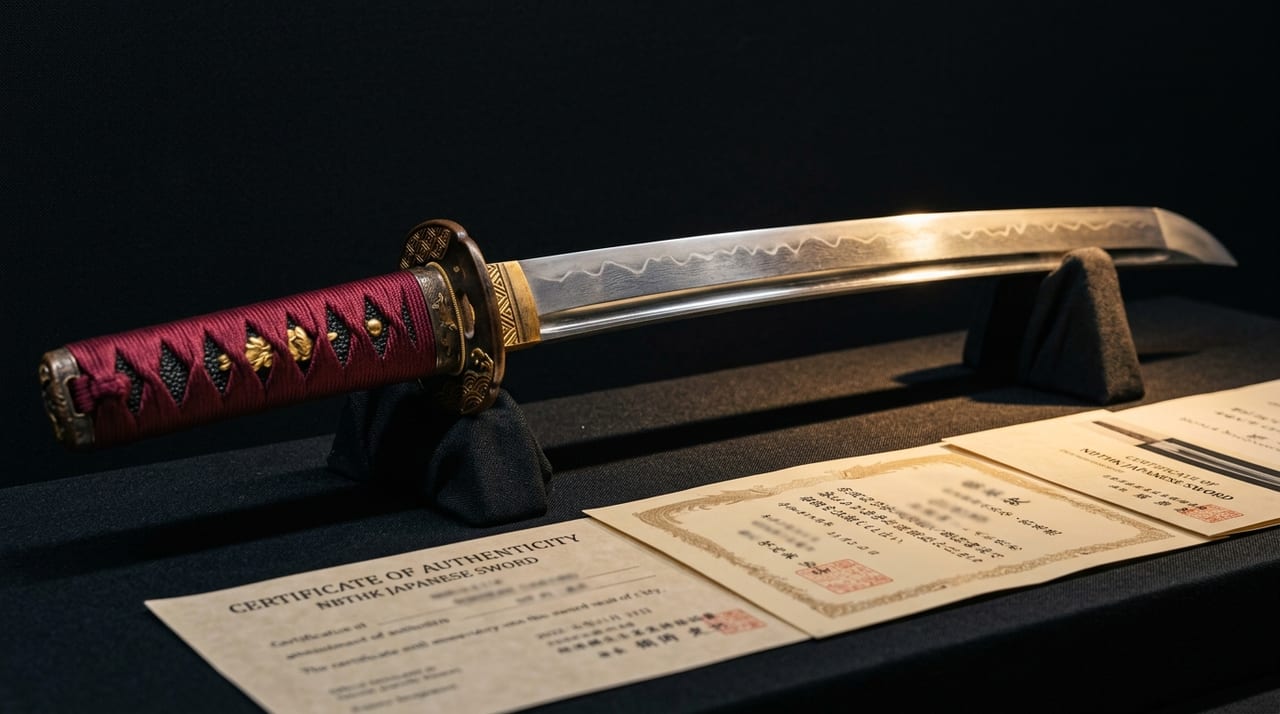
- Sword Authentication Methods: How to read signatures, standards for determining era, and how to distinguish authentic from fake swords
- Preservation and Maintenance: Methodology for maintaining sword condition and daily care
- Practical Experience: Participation in part of the sword-making process or iaido experience
International Visitors and the Expansion of Sword Experience Tourism
As sword experiential tourism has expanded, participation by international visitors has grown markedly. Particularly, Western tourists view swords not merely as weapons, but as embodiments of Japanese traditional craftsmanship and bushido spirit, and show strong interest in learning these cultural values through experience. Many workshops and museums continue efforts to remove language barriers by preparing explanatory materials and guides in English, Chinese, and German. Additionally, specialist operators of sword experiential tours have increased, and package plans including hotel-to-workshop transportation have become popular. This has created an environment where foreign tourists who are not fluent in Japanese can comfortably learn about sword culture.
Economic Ripple Effects of Sword Experiential Tourism on Local Communities
Sword experiential tourism has brought significant ripple effects to regional economies. In sword-manufacturing regions such as Seki City, Gifu Prefecture, and Matsue City, Shimane Prefecture, increased tourist numbers have led to higher sales at accommodations, restaurants, and souvenir shops, and sword tourism is now recognized as an important pillar of regional revitalization. In some regions, the formation of "sword tourism zones" centered on sword experiential tourism is underway, and development of circulating routes connecting multiple workshops and museums is progressing. This extends visitor stays and further expands the economic impact for the entire region.
Future Prospects and the Significance of Cultural Transmission
The sword boom as of 2026 has evolved from the temporary fad of anime and manga to a deeper, more rooted cultural understanding. Learning through "experience"—such as sword-smith workshop tours, iaido experiences, and museum lectures—is becoming established as a new form of sword culture. These experiential programs serve not only to deepen knowledge about swords, but also as gateways to broader cultural contexts: Japanese traditional craftsmanship, bushido spirit, and regional historical and cultural heritage. Sword experiential tourism is expected to continue growing not merely as a tourism business, but as an important means of transmitting Japanese culture to the next generation and conveying Japanese culture to international visitors.
Conclusion
The expansion of sword experiential tourism brings both democratization and deepening of sword culture. The era has arrived when swords are no longer the exclusive domain of limited classes and specialists, but when ordinary tourists and international visitors can experience the essence of swords and the depth of Japanese culture through workshop tours and iaido experiences. The coordinated efforts of sword-maker workshops, museums, and tourism organizations across the nation to inherit and promote sword culture will continue to accelerate in the future.