Iai-tō, Mogitō, and Shinken — A Complete Guide to Training Sword Types and How to Choose
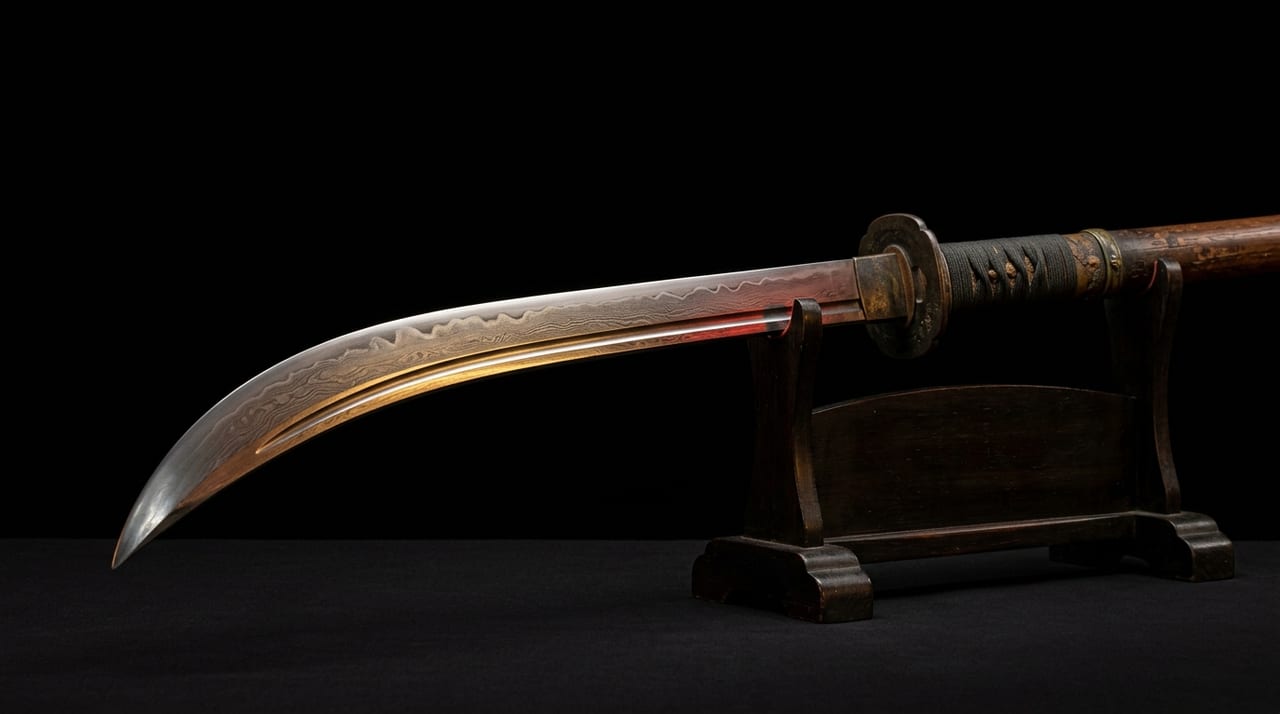 * Image is for illustrative purposes only.
Table of Contents
Types of Training Swords and the Basic Approach
In the training of martial arts such as iaidō, battōdō, and kendō, a wide variety of swords are used, ranging from shinken to mogitō. The first major challenge beginners face is the question of which to choose. Accurately understanding the legal and practical differences between each type is the first step toward safe and appropriate training.
Choosing a sword is not simply a matter of picking a tool. Weight, balance, and the feel of the material are directly linked to how quickly technique is acquired, and they also affect the degree of polish achieved in the school's kata. Having the knowledge to choose a sword appropriate to one's level — from beginner to advanced — is essential.
Shinken——Authentic Nihontō
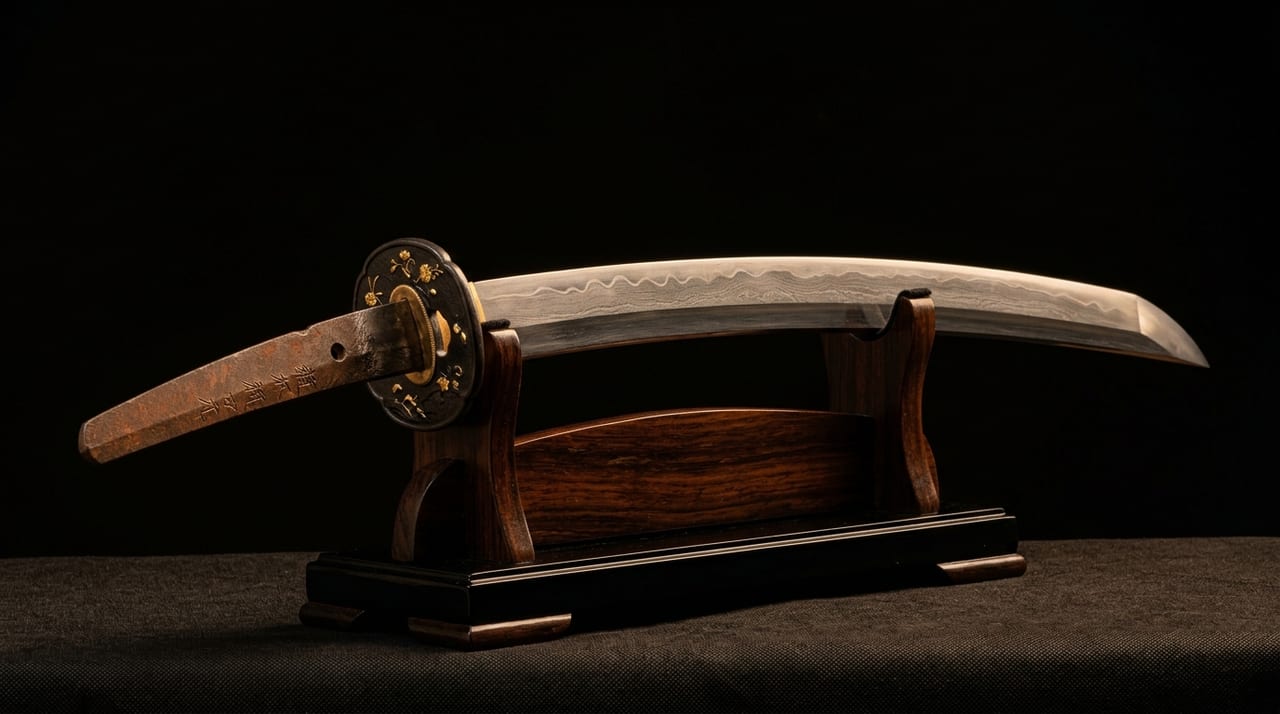
Shinken refers to authentic nihontō with a sharpened edge — katana, wakizashi, and tantō. Advanced practitioners of iaidō and battōdō train with shinken, which are considered indispensable tools for pursuing the true essence of technique.
Legal status: In Japan, a firearms and swords registration certificate is required. The certificate issued by the prefectural Board of Education must be kept together with the blade, and possessing an unregistered nihontō is illegal. When purchasing a used sword, always verify that a registration certificate is present.
Advantages: The greatest strength is the ability to train with the actual weight, balance, and feel of a blade. The sense of blade alignment in the iai nukitsuke and nōtō can in part only be developed with a shinken, and the sori and kasane of the blade serve as technical feedback, making them indicators of progress as well.
Disadvantages: They are expensive (a minimum of several hundred thousand yen, with works by renowned tōshō costing several million yen or more), and mishandling can lead to serious accidents. Regular maintenance costs — polishing, upkeep with oil, uchiko, and nuigami — are also required, and careful attention to storage is essential, as neglecting humidity control will cause rust.
Selection criteria: It is not recommended for beginners to start with shinken from the outset. The usual progression is to first acquire the fundamentals with an iai-tō, then introduce shinken after receiving permission from one's instructor to make the transition. When purchasing, it is advisable to choose either a newly made shinken by a contemporary tōkō or a kotō or Shinshintō that comes with a registration certificate.
Iai-tō——The Mainstay of Training
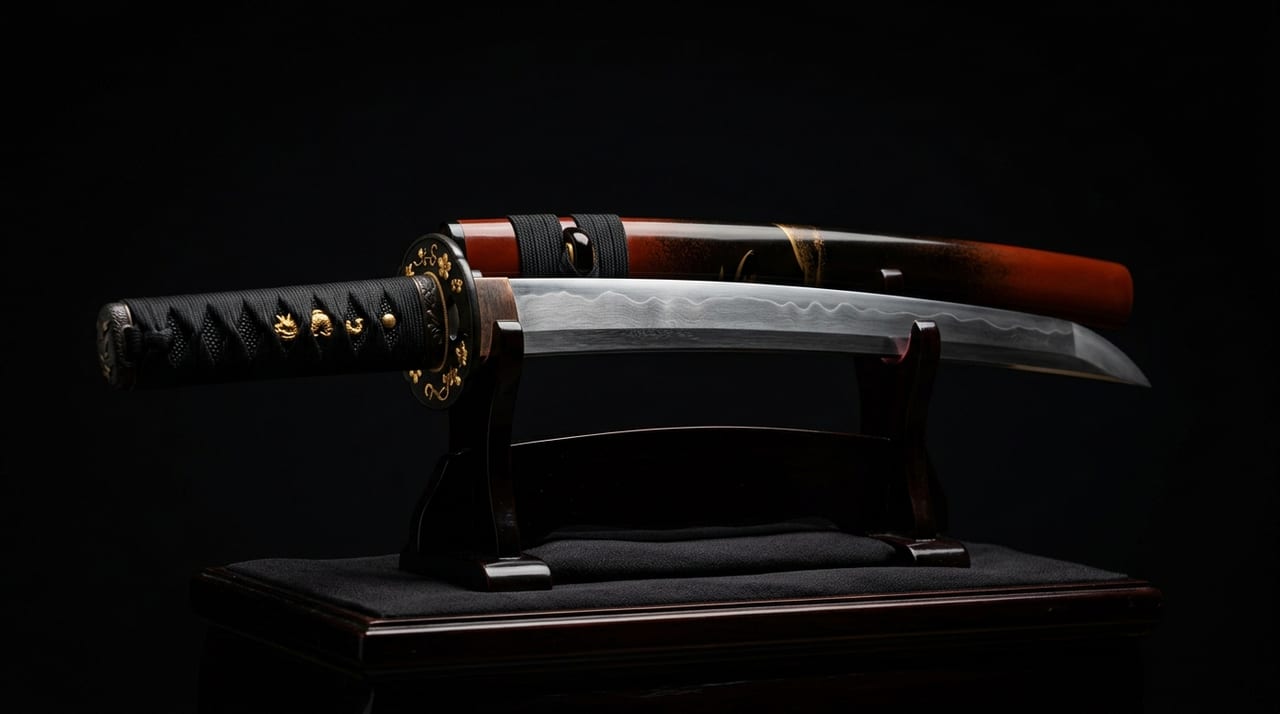
An iai-tō is an alloy training blunt sword modeled on the form of a nihontō, with no cutting edge. Materials vary — aluminum alloy, zinc alloy, and iron alloy — and the price range differs greatly depending on quality.
Legal status: Because the blade carries no edge, an iai-tō does not fall under the category of "swords and bladed weapons," and it can be purchased and possessed without a registration certificate. However, even a blunt sword becomes subject to the Minor Offenses Act and the Penal Code if carried or used as a weapon, so carrying one for any purpose other than training is strictly prohibited.
Advantages: They are relatively affordable at roughly 10,000 to 100,000 yen, and easy to maintain. Because the blade carries no edge, the risk in the event of an accident is low, allowing beginners to repeat basic movements with confidence. They are also widely used for demonstrations and kata training in the dōjō.
Selection points: It is essential to choose one whose weight is close to that of a shinken. An excessively light iai-tō does not develop awareness of blade alignment, and correcting bad habits when transitioning to a shinken becomes difficult. The standard blade length is 2 shaku 3 sun to 2 shaku 4 sun (approximately 70 to 73 cm), but a choice suited to one's height, arm length, and the specifications of one's school is necessary. The durability of the tsukamaki, tsuba, and mekugi are also important points to verify when planning for long-term use.
Mogitō and Decorative Swords——Not Suitable for Training
The mogitō and kazaritō made for display or historical exhibition must be clearly distinguished from iai-tō. Materials vary — stainless steel, zinc alloy, resin, and others — and prices range widely from a few thousand yen to tens of thousands of yen.
Unsuitability for training: The strength and weight balance of decorative replica swords are in most cases not suited for training. Repeated swinging in kata practice carries the risk of the blade bending or the tsuba and tsuka breaking. A blade snapping during training can directly cause a serious accident, so decorative swords must never be used for training.
Legal notes: Replica swords with a sharpened edge may be subject to regulation as "items similar to swords and bladed weapons." Always verify the legal position before purchasing or possessing one.
Bokutō and Shinai
The bokutō is a sword-shaped training implement made from wood such as kashi or hō, and is widely used for basic training in kendō, iai, and kobudō. The shinai is a bamboo striking implement used exclusively in kendō for striking practice.
The bokutō does not fall under the category of "swords and bladed weapons," so there are no restrictions on purchasing or carrying one (though carrying it as a weapon is illegal). Many schools of iaidō use the bokutō for suburi and checking basic kata movements, and it plays an important role especially in the early stages immediately after joining a dōjō. Kashi is the most common material, but among practitioners who desire greater weight, some choose keyaki or kurogashi.
Iai-tō, Mogitō, and Shinken at a Glance
The terminology for training swords is confusing and beginners tend to mix them up. Let us once more set out the differences between the three.
Iai-tō (iai-renshūtō) refers to an alloy sword with a blunted edge, made for training. It is often called iai-renshūtō, and the two terms refer to the same thing. Because the blade carries no edge, no registration certificate is required, and the weight and balance are made to approximate those of a shinken, making it the most suitable sword for kata training in iaidō and battōdō. The price range is generally 10,000 to 100,000 yen.
Mogitō (mozōtō, bijutsutō) are swords intended for tokonoma display, appreciation, or exhibition. Although they resemble nihontō in appearance, their strength and weight balance are not designed with training in mind. Continued swinging causes damage such as blade bending or tsuka breakage, and they must not be repurposed for training. They are inexpensive at a few thousand to tens of thousands of yen, but it is important to note that their intended purpose is fundamentally different.
Shinken are authentic nihontō with a sharpened edge, for which a firearms and swords registration certificate is mandatory. They are tools for the stage at which advanced practitioners use them with the permission of their instructor.
In short, the basic rule is to choose by intended use: "an iai-tō (iai-renshūtō) if buying for training, a mogitō if buying for display, and a shinken at the stage of mastering technique." Even if they look similar, their legal treatment, strength, and price ranges are completely different, so confirming the intended use before purchase is the ironclad rule for choosing a sword without regret.
Differences by Dōjō and School, and a Summary of Selection Criteria
The standards for the length, weight, and shape of the swords used differ subtly depending on the major schools of iaidō (Musō Shinden-ryū, Musō Jikiden Eishin-ryū). When joining a dōjō, it is best to first consult the instructor about which sword to prepare. By choosing the sword specified by the instructor, one can equip oneself with a tool optimized for the school's kata.
The decision criteria when selecting a training sword can be summarized in the following four points.
- Training stage: Beginners start with an iai-tō and transition to shinken under the instructor's guidance.
- Legal knowledge: A registration certificate is mandatory for shinken. Confirm in advance the regulations on sharpened-edge replica swords.
- Budget: Allow roughly 10,000 to 100,000 yen for an iai-tō, and upward of several hundred thousand yen for a shinken.
- Dōjō regulations: The specifications of the recommended sword are set by the school and dōjō.
If one has chosen martial arts as an entry point into nihontō culture, learning carefully under a suitable instructor with appropriate tools leads to the advancement of technique and the preservation of the culture. Taking a measured, step-by-step approach to sword selection — without rushing — is the surest path to continuing training over the long term.