Neuheiten — Aktuelle Neuzugänge finden Sie in unserem Katalog. Ansehen →
Einblicke in das Wissen über japanische Schwerter und die Kultur
High-quality tsuba with proper documentation and condition can maintain or appreciate in value over time. This article examines the investment characteristics of tsuba, the factors that drive long-term value, and practical exit strategies for collectors considering the financial dimension.
Zogan (inlay) is a technique for decorating tsuba by embedding contrasting metals into the ground metal, among the highest forms of expression in Japanese sword fitting art. This article explains kome-zogan, nunome-zogan, and kiri-kane inlay principles, visual effects, school usage, and appreciation guidance.
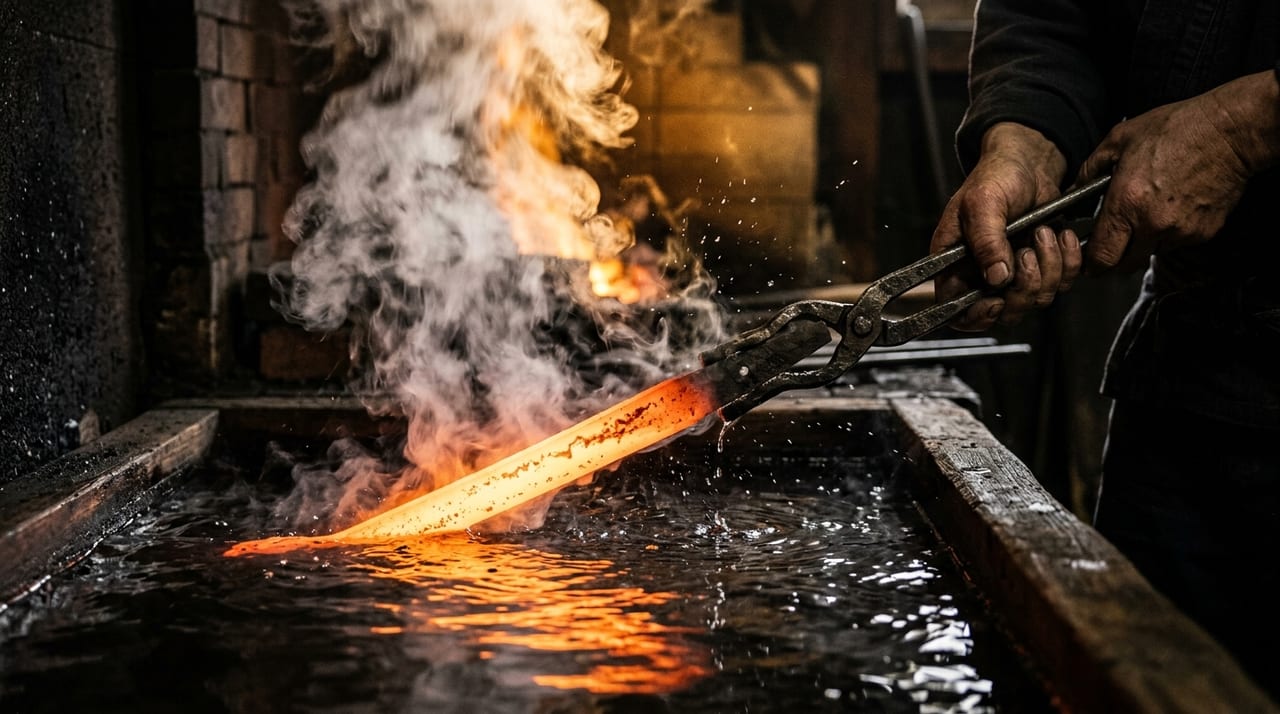
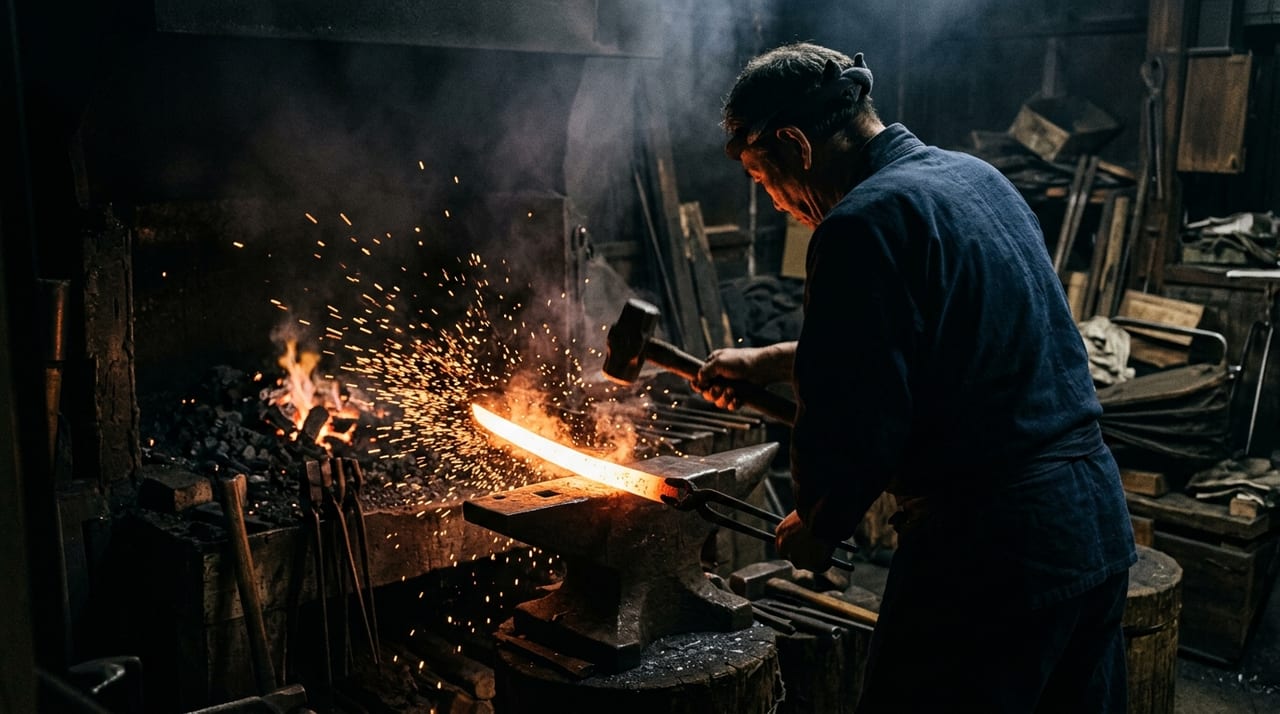
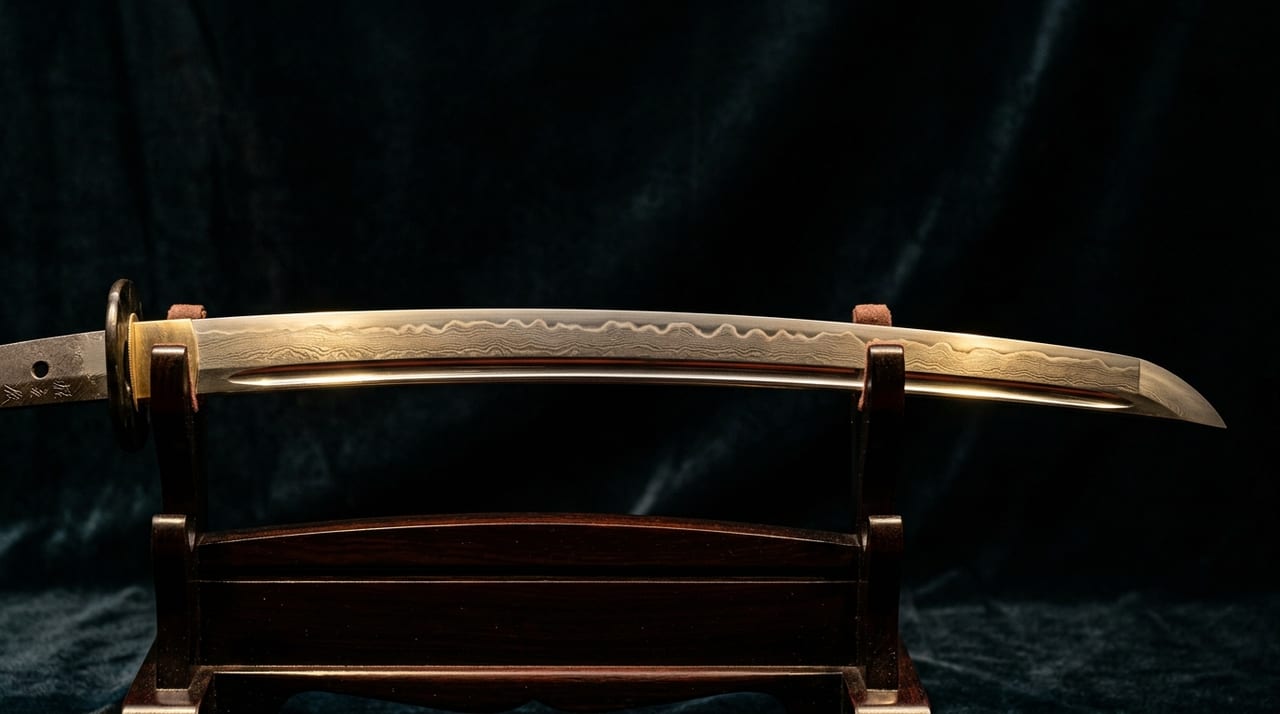
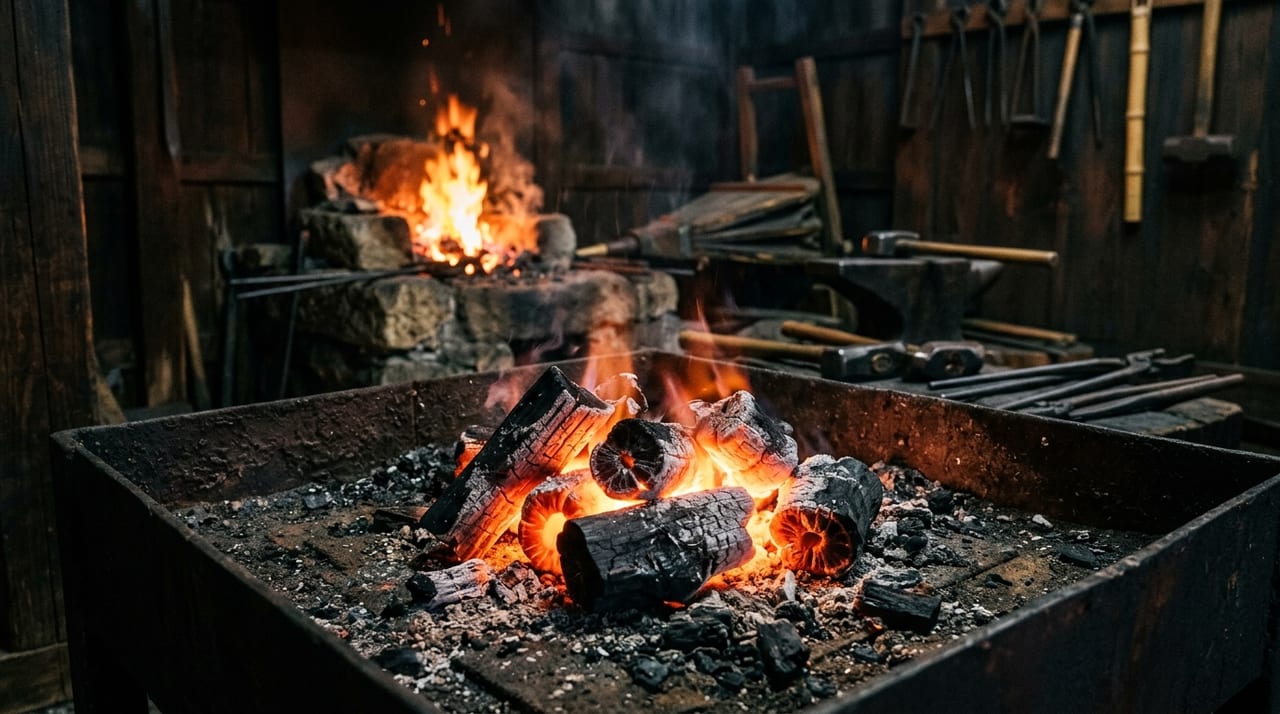
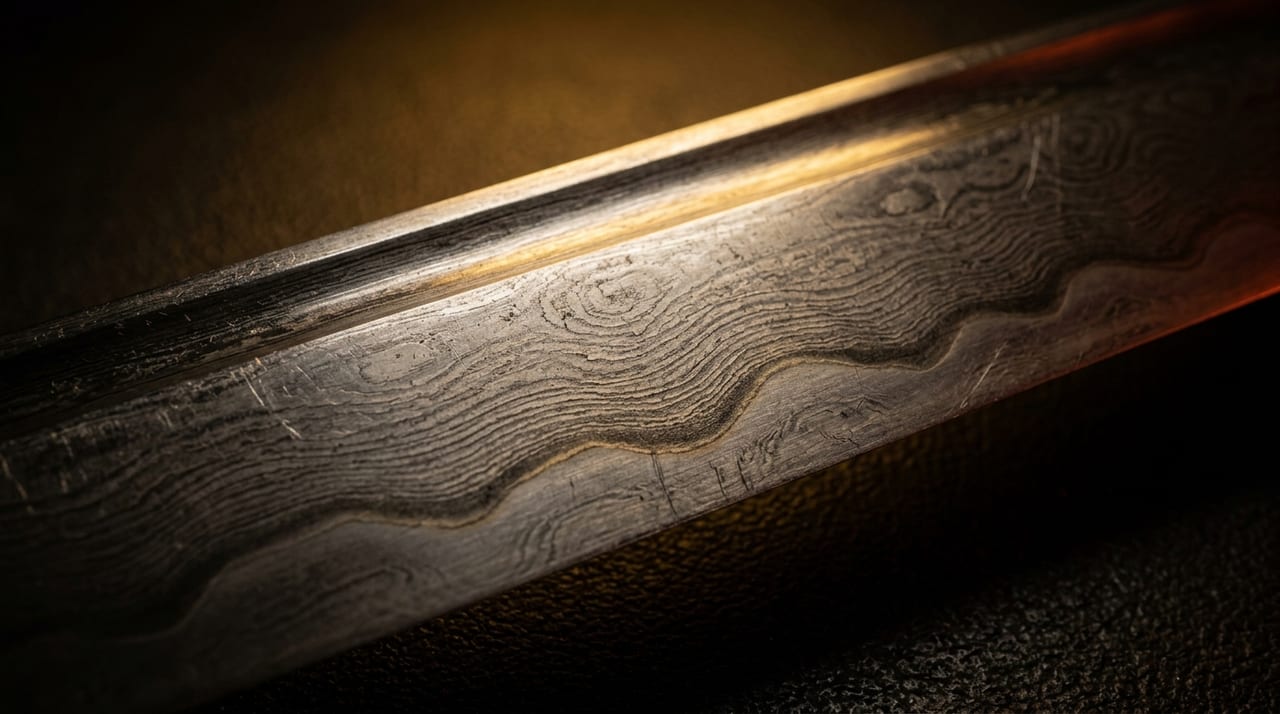
Tsuchioki — the application of refractory clay to the blade surface before quenching — is the most secretive and consequential technique in nihonto making. The clay's composition, application method, school variations, and its precise role in determining hamon shape are explained here from both scientific and historical perspectives.
The Type 94 military sword, adopted in 1934, was the definitive 'Japanese-style' regulation sword of the Showa era, shedding Western influences. This guide covers mount structure, how to distinguish authentic forged blades from industrial ones, and collector market values.
Adopted in 1935, the Type 95 military sword was mass-produced as standard equipment for NCOs. These machine-manufactured blades fitted with military mounts were fundamentally different from traditional nihonto. This article examines production realities and the sword industry's complex relationship with this industrial product.
The Type 98 military sword, adopted in 1938, was the most widely produced of all Showa-era military sword regulations. This article details its distinctive brown leather scabbard, the design changes from Type 94, and its current collector market position.
The Umetada family of Momoyama-period Kyoto — simultaneously accomplished swordsmiths and sword fitting metalworkers — brought revolutionary change to Japanese sword fittings. This article examines Umetada Myoju and the school's distinctive carving, inlay techniques, and aesthetic legacy.
Awataguchi in Yamashiro Province (Kyoto) produced nihonto's classical peak. The Awataguchi school and its supreme master Awataguchi Yoshimitsu established the refined standard against which all other traditions were measured. This article covers the school's history, techniques, masterworks, and Yoshimitsu's legendary status.
The Yasukuni Shrine forge (1933-1945) gathered skilled smiths from across Japan. Who were these craftsmen, what swords did they forge, and what paths did they follow after the war? This article profiles the major smiths who worked at the Yasukuni forge and examines their lasting influence on Japanese sword culture.
During Japan's prewar Showa era, the Imperial Army established a certified swordsmith system and even operated a forge within the Yasukuni Shrine grounds. This article examines the system's origins, the smiths who received official recognition, and the quality and historical significance of Yasukuni swords from an industry perspective.
Yasukuni swords — made at the forge within Yasukuni Shrine — are among the most highly valued traditionally forged Showa swords, but forgeries and misidentifications are common. This guide covers the distinctive stamps and signature formats, steel and hamon characteristics, and the process for obtaining expert authentication.
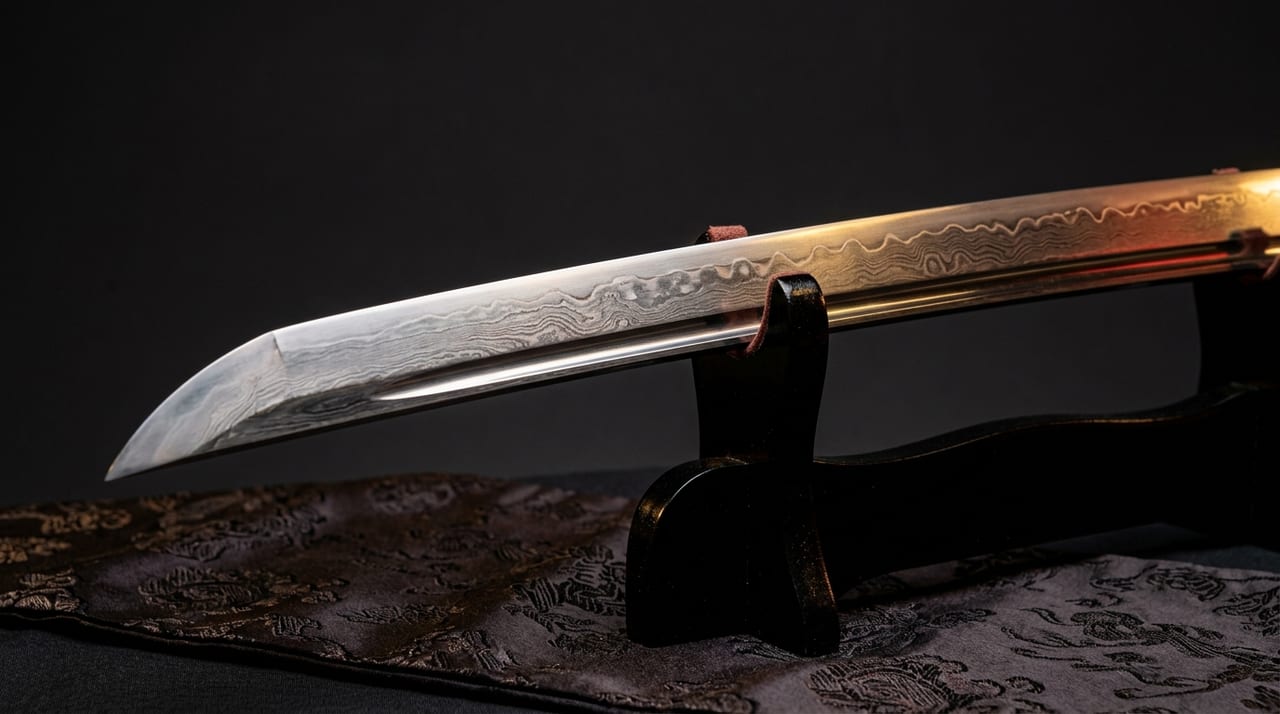
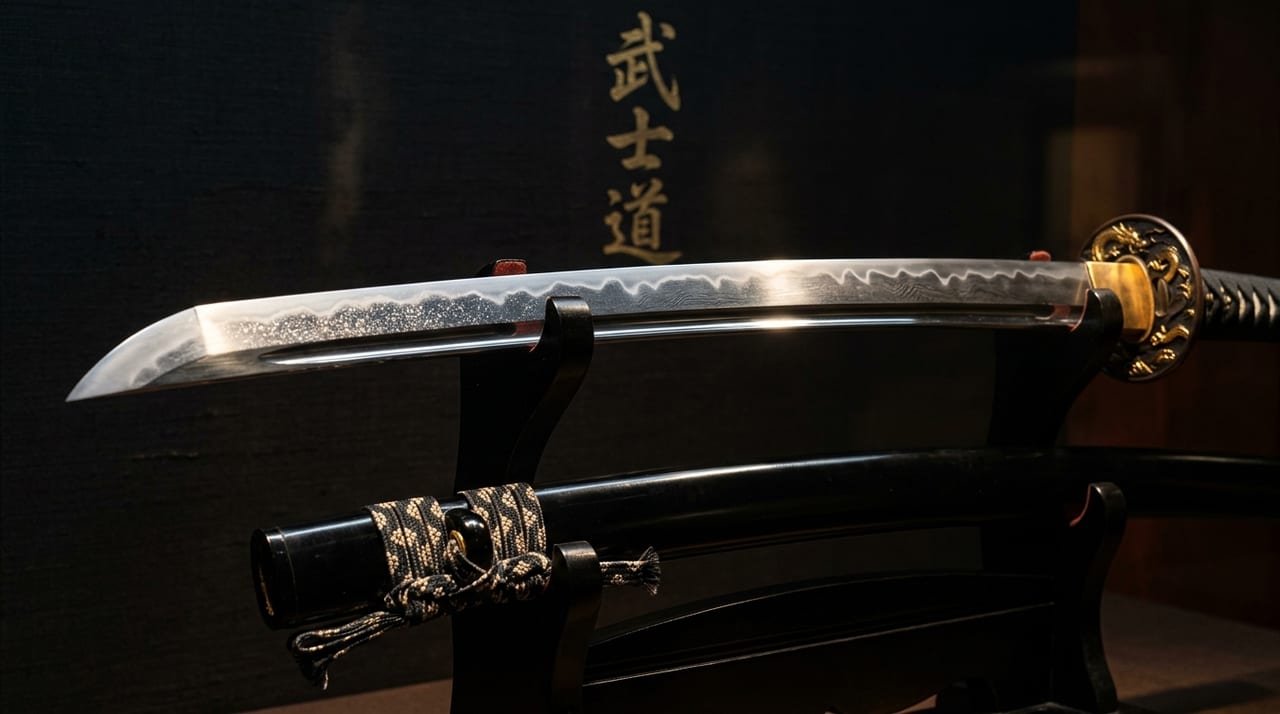
The kissaki — the distinctive tip geometry of a Japanese sword — is one of nihonto's most recognizable design elements. The yokote line separating blade from tip, the historical evolution of kissaki size and form, and the relationship between boushi (the hamon within the kissaki) and the overall sword aesthetic are examined here.