Neuheiten — Aktuelle Neuzugänge finden Sie in unserem Katalog. Ansehen →
Einblicke in das Wissen über japanische Schwerter und die Kultur
An examination of how the assassination of Shogun Ashikaga Yoshinori in 1441 reshaped the mid-Muromachi sword industry, including surging demand driven by power vacuums among daimyo and how swordsmiths in Bizen, Mino, and Yamato adapted their production.
Explores the modern challenges confronting Japanese sword merchants (刀剣商), including successor shortages, inventory financing problems, authentication fraud, legal liabilities, competition from unregistered online sellers, and complex export regulations for international collectors. Examines structural problems: aging merchant population (60+ comprise 40%), lengthy training requirements (10-15 years), and accelerating business closures. Reviews industry responses including ethics codes, apprenticeship programs, and AI-assisted authentication systems. Analyzes the profession's future as it adapts traditional expertise to digital marketing and multilingual customer engagement.
The Kyōhō Reforms (享保の改革), implemented by the eighth shogun Tokugawa Yoshimune (徳川吉宗), significantly impacted policies governing the manufacture, wearing, and possession of nihonto (日本刀, Japanese swords). The austerity decrees altered the style of tōsōgu (刀装具, sword fittings), while the collection of meitō (名刀, famous swords) fundamentally redefined samurai culture—tracing the true nature of this transformative era.
A detailed examination of the Muromachi shogunate's Goban-Kaji system, which recruited top swordsmiths from across Japan to Kyoto on a rotational basis, covering its origins, operation, and eventual decline with examples from Bizen, Yamashiro, and Yamato smiths.
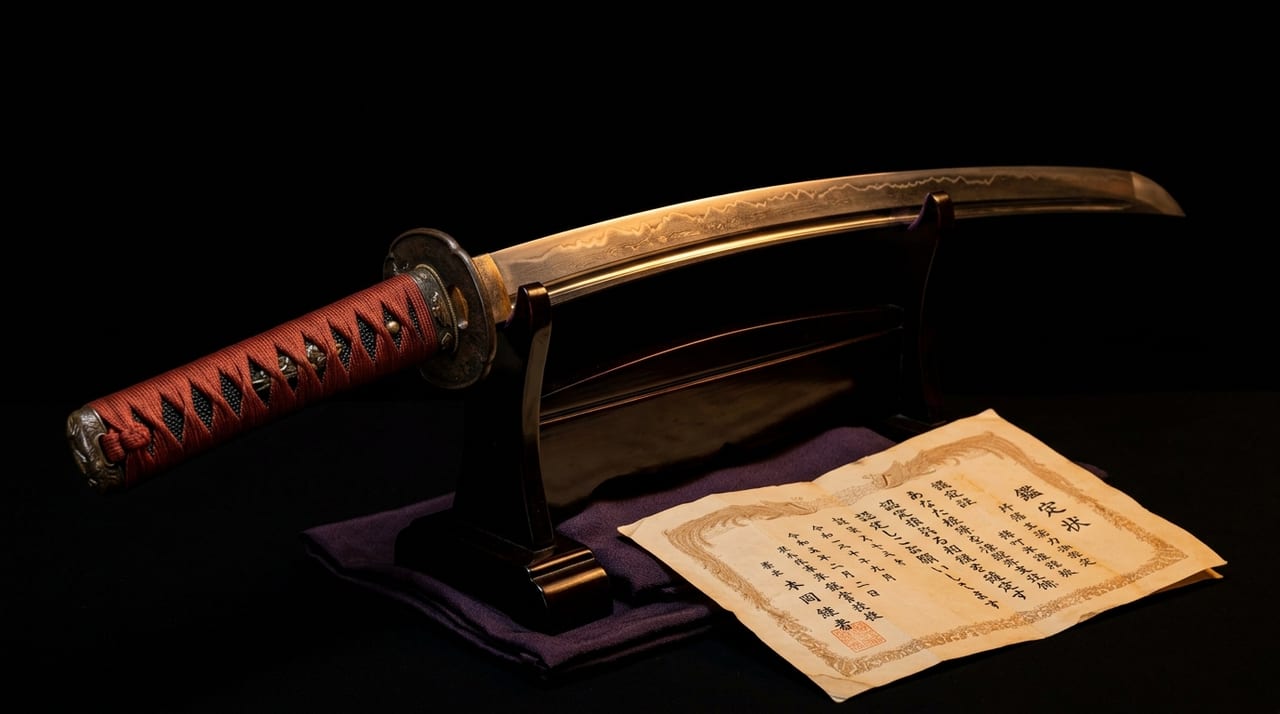
Comprehensive guide to NBTHK certification for Japanese swords, covering the four certification grades—Hozon (保存刀剣), Tokubetsu-Hozon (特別保存刀剣), Juyo (重要刀剣), and Tokubetsu-Juyo (特別重要刀剣). Details application procedures, fee structures, examination timelines, and how certification significantly influences market prices and value for international collectors and insurance purposes.
From the Honami family (本阿弥家) authentication practices in the Edo period to the modern NBTHK certification system, this article traces 400 years of Japanese sword distribution history. It examines major turning points including the price collapse following the Haitorei (廃刀令), wartime military demand, market democratization through internet proliferation, and the contemporary multi-layered distribution structure of the sword market.
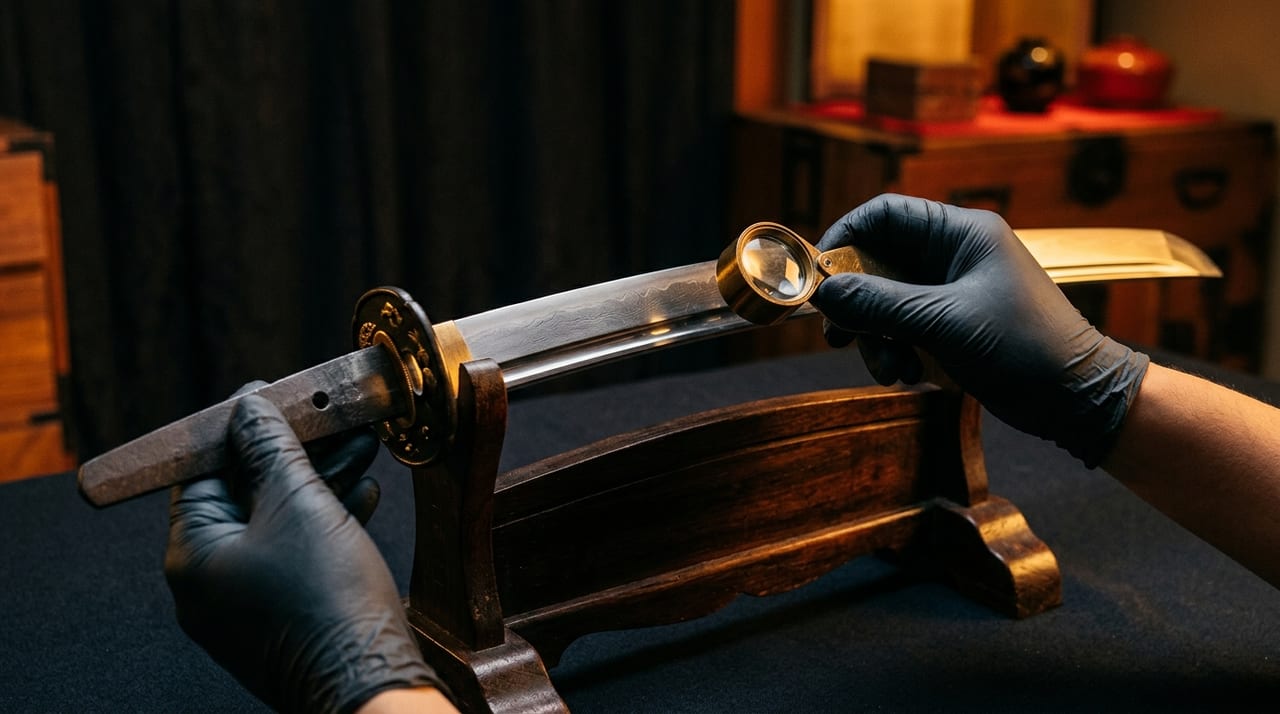
How Japanese sword authentication experts are trained through a combination of apprenticeship, research, practical experience, and NBTHK verification. This guide covers the full training spectrum—from apprenticeship with sword dealers and toko (刀工) smiths to NBTHK study groups and academic research paths. Essential knowledge includes sword school history, authentication techniques examining hamon (刃文) patterns and jigane (地鉄) characteristics, forging processes, and legal frameworks. Becoming an independent master authenticator requires developing ganryoku (眼力)—the discerning eye—through 10–20+ years of rigorous, hands-on training and experience analyzing swords across centuries.
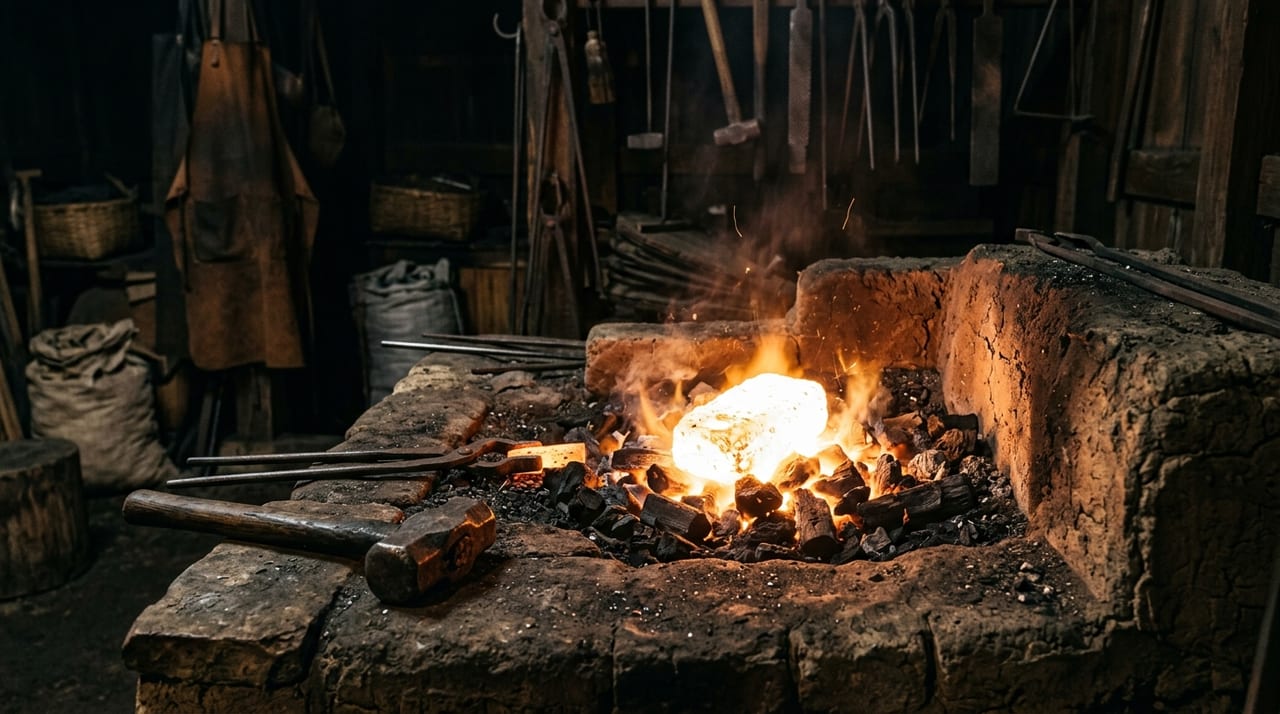
A scientific explanation of the oroshigane process by which swordsmiths refine tamahagane steel, covering slag removal, carbon homogenization, and impurity elimination from the perspective of modern metallurgical science.
During the Sengoku period following the Onin War, sword makers (toukou, 刀工) navigated conflicting demands: mass-producing utility blades (kazuuchi mono, 数打ち物) for soldiers while crafting prestigious masterpieces for warlords. This article traces how craftsmen met these pressures, profiles legendary makers like Sogoroku Kanemoto (孫六兼元) with his distinctive sanbon sugi hamon (三本杉刃文) pattern, explores daimyo patronage of craftsmen, and explains how battlefield experience drove sword design evolution—wider blades, shorter lengths, and broader hamon widths that enhanced cutting power while maintaining durability.
Shinken (真剣, real Japanese swords) and mock swords (mozōtō 模造刀), including training blades (iaito 居合刀), differ fundamentally in materials, manufacturing process, legal status, and value. Shinken are forged from tamahagane (玉鋼)—a high-carbon steel—through traditional tempering and require government registration to possess legally in Japan. Mock swords and training iaito are machine-molded from stainless or manganese steel, lacking authentic edges and the hamon (刃文) hardening line created in true forging. The article systematically compares their materials, manufacturing, cutting ability, price ranges from thousands to millions of yen, and legal requirements, then guides collectors, martial artists, and investors in choosing the appropriate type.
The inevitable end-of-life planning challenge for aging collectors. Explains practical options for passing Japanese swords to the next generation, with the specific procedures for each approach: donation, consignment sale, and transfer to family.
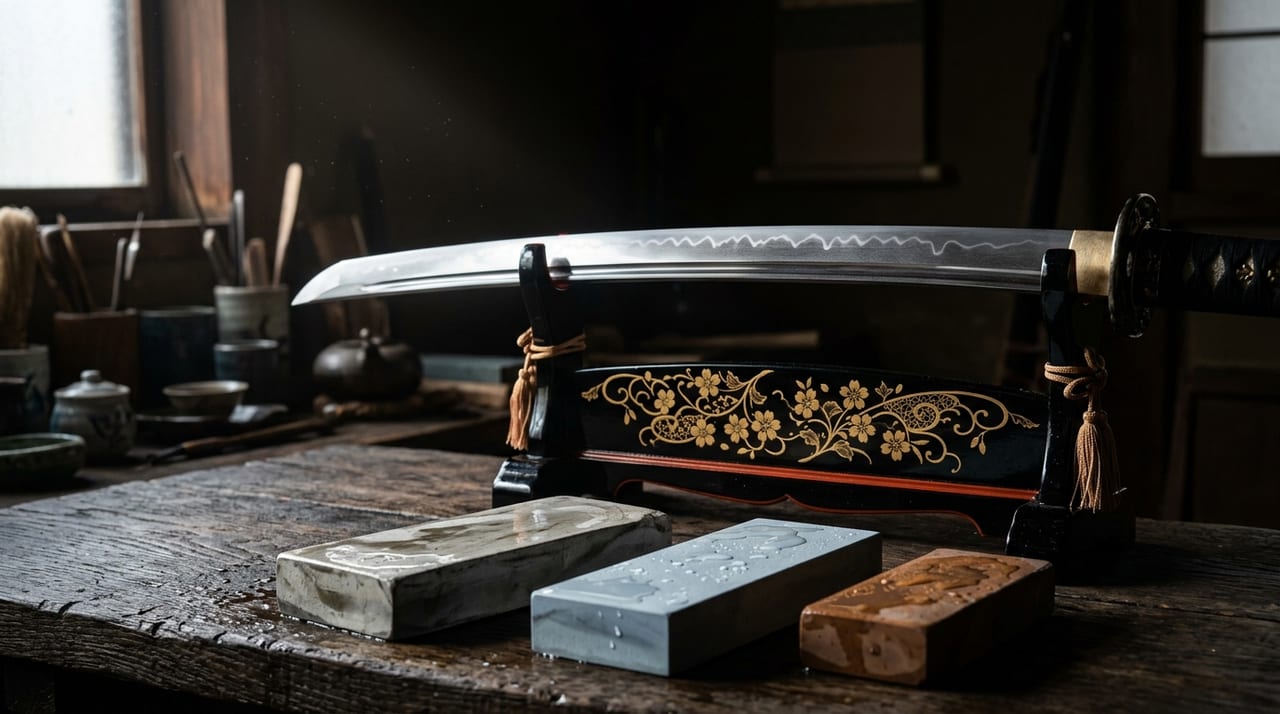
Natural whetstones (toishi) used in polishing Japanese swords: where are they mined and what types of stone are selected? This article explains the major production areas centered on Kyoto and Kamaoka, along with whetstone types, grades, and the selection criteria employed by polishers (togishi).