最新消息 — 最新入荷資訊請查閱商品目錄。 查看 →
深入了解日本刀知識與文化的見解
An explanation of the process and scientific significance of orikaeshi tanren (repeated forge folding), the core technique in nihonto production. Covers the mechanisms of impurity removal, carbon homogenization, and fiber structure formation; the relationship between folding count and grain structure; the lamination of kawagane and shingane; and the formation principles behind the four main jihada patterns.
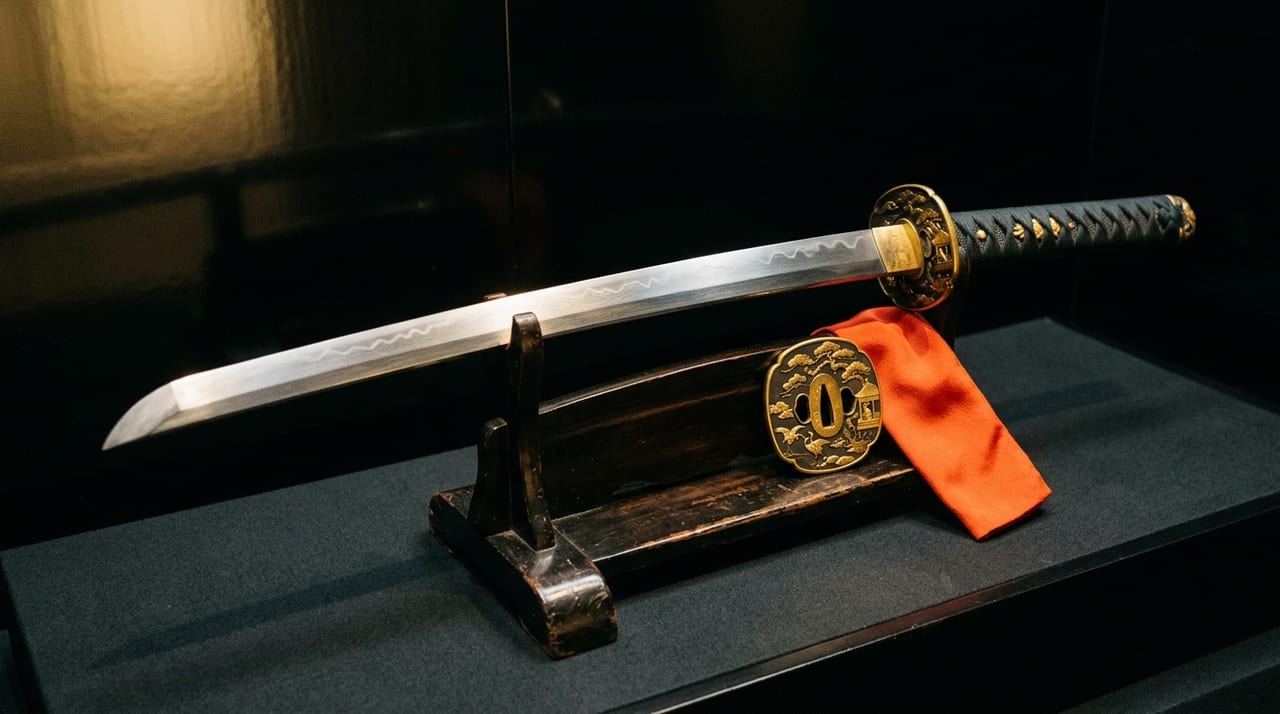
An exploration of the craftsmen who specialize in the metal fittings that make up a sword's koshirae (mounting). Covers the technical systems and production processes of craftsmen who make the habaki (blade collar), koiguchi (scabbard mouth), tsuba (guard), menuki (grip ornaments), and kozuka (utility knife), along with the modern supply-demand situation and training challenges.
An explanation of yaki-ire (quenching), the most important step in creating the hamon—the defining feature of Japanese swords. Covers the full process from tuchi-oki (clay application) to water quenching, the science of martensitic transformation, hamon types (suguha, gunome, choji, notare, etc.) and their school associations, and the risks of quenching failure.
What every nihonto collector needs to know about fine art insurance and appraisal: movable property insurance, fine art policies, how appraisal values are determined, and coverage gaps for fire, theft, and earthquake risks.
A systematic guide to the classification of kissaki (blade tip) and boushi (hamon in the tip zone) forms. Covers the comparison of ko-kissaki, chu-kissaki, o-kissaki, and inokubi-kissaki; the types and historical evolution of boushi (ko-maru, o-maru, kaeri, midare-boushi, haki-kake, etc.); how tip shape is used to identify period and school; and how modern swordsmiths approach tip design.
A systematic guide to the togishi (sword polisher), whose work ultimately determines the value of a nihonto. Covers the 7+ stage polishing process from rough shaping to final finish, the types and properties of polishing stones, the lineage of polishing traditions rooted in the Hon'ami family, and the modern certification system.
How to preserve Japanese swords for the long term: optimal temperature and humidity ranges, sword box and bag selection, proper use of uchiko powder and choji oil, mechanisms of rust and mold formation, and the option of professional storage.
A comprehensive overview of Japan's modern swordsmith licensing system: the Agency for Cultural Affairs certification examination, prefectural sword guild registration, the structure of the All-Japan Swordsmith Association, and the technical criteria for achieving Mukansa (unjuried) status.
How the explosive demand for swords in the Sengoku period transformed production: the distinction between mass-produced kazuuchi and custom-ordered pieces, the arming of ashigaru foot soldiers, and the rise of regional production centers including Bizen Osafune.
A systematic overview of Imperial Japanese military swords of the Showa period: the structural differences between Type 94 and 98 officer swords and the Type 95 NCO sword, the roles of Yasukuni smiths, army-designated smiths, and civilian smiths, and the fate of military swords after GHQ confiscation.
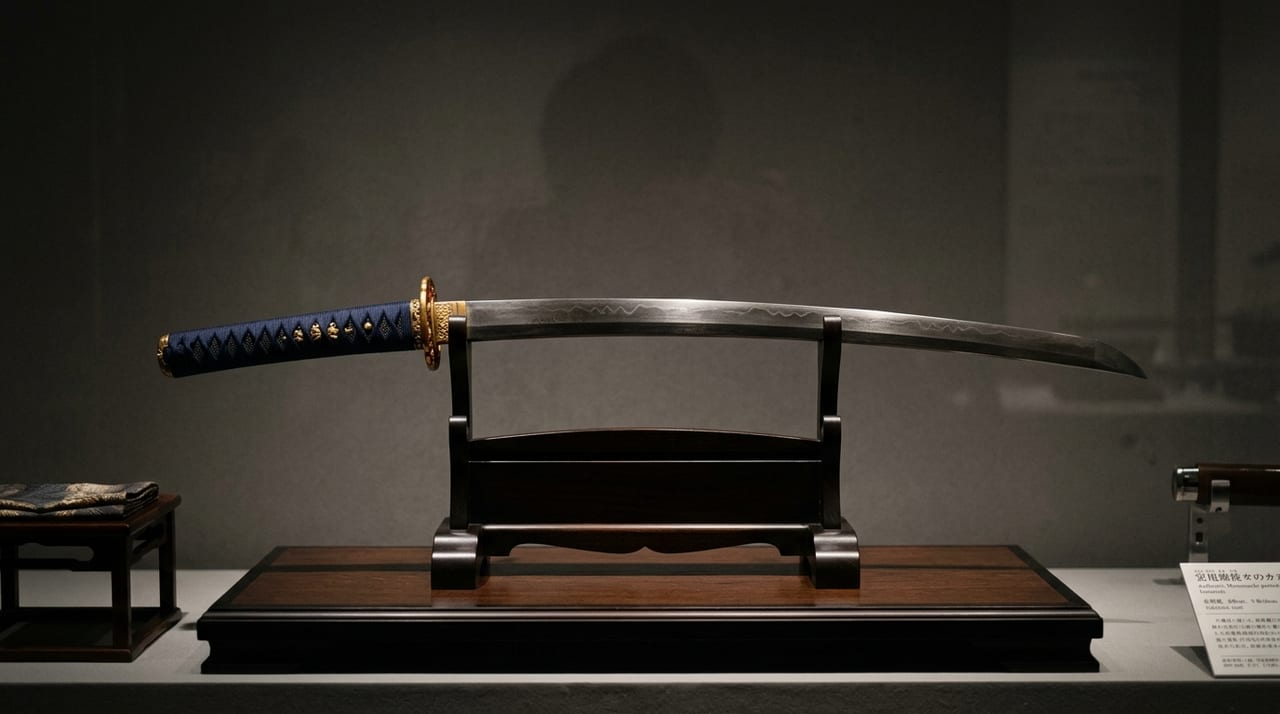
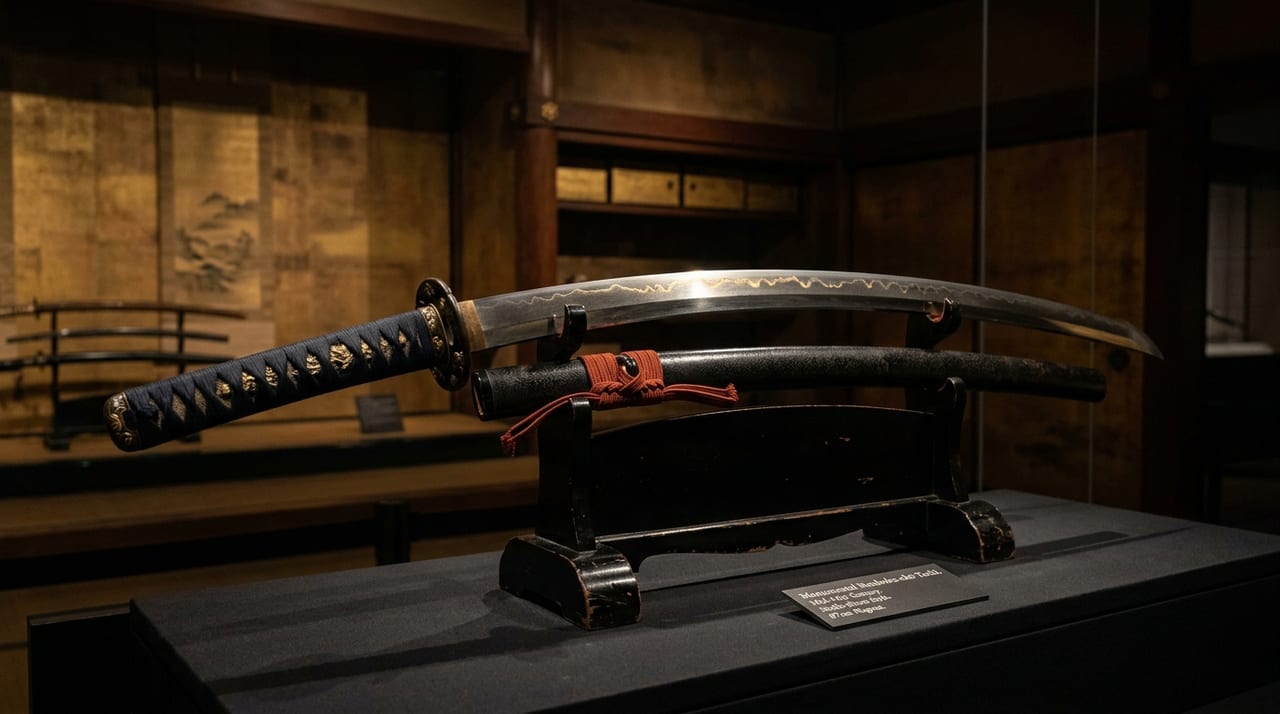
A systematic comparison of tachi and uchigatana: edge orientation (tachi edge-down, uchigatana edge-up), wearing method (tachi suspended vs. uchigatana thrust through belt), location of curvature (koshi-zori, naka-zori, saki-zori) and its relationship to combat style, and the historical transition between the two types.
This article explains the manufacturing process of tamahagane (jewel steel), the raw material used in Japanese swords, and the technical system of tatara ironworking that produces it. It details the mechanisms of the bellows (tatara) that produce tamahagane from iron sand, the 72-hour continuous operation, the structure of the furnace (kerajou), the selection and carbon content management of tamahagane, and the Nittouhoutatsara, the only modern production site.