最新消息 — 最新入荷資訊請查閱商品目錄。 查看 →
深入了解日本刀知識與文化的見解
An explanation of the Edo-period swordsmith ranking charts (toko banzuke), modeled after sumo rankings. Covers the master smiths who occupied the top positions during the Shinto and Shinshinto periods, the intentions of the sword appraisers and dealers who created the charts, the content and evaluation criteria of major rankings, and their lasting influence on modern sword valuation.
The types of ritual swords in Shinto and Buddhist contexts: the Three Sacred Treasures (Kusanagi-no-Tsurugi), the Kurikara-ken of Fudo Myoo iconography, the history and significance of shrine and temple votive swords, and how to appreciate divine swords in shrines and museums.
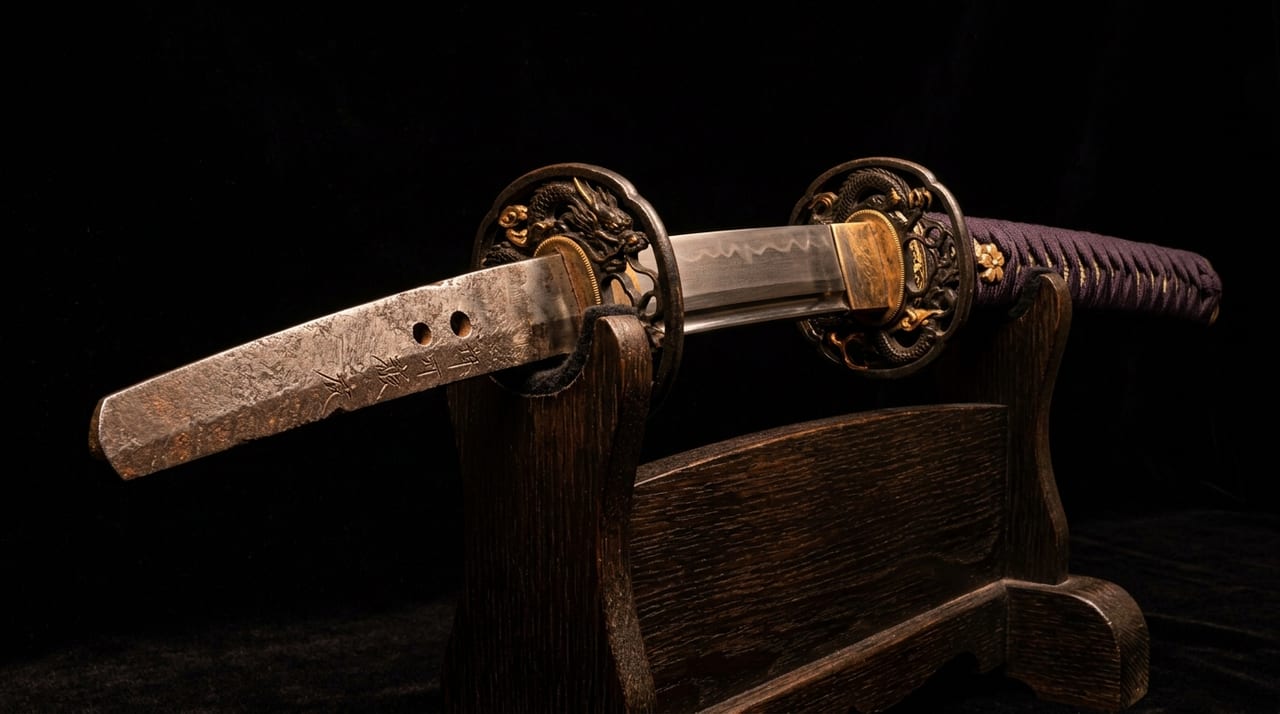
This article explains the functions, designs, creators, and market value of the three auxiliary components—small blades, sword hilt ornaments, and hair pins—incorporated into Japanese sword mountings (koshirae). These small pieces serve as the artistic foundation for unified sword decoration, and as independent crafted works, they hold significant market value as subjects of appreciation and collection.
The catastrophic impact of the 1876 sword prohibition (Haitōrei) on the nihonto industry and smiths, and the subsequent revival through the 'art sword' concept: the transformation of sword dealers into art merchants, the imperial museum's antique sword collection program, and the reframing of nihonto as cultural heritage.
A systematic classification of naginata types by form, period, and use: the ko-naginata of Heian through Muromachi, conversion to swords through suriage (shortening), the rise of women's naginata in the Edo period, and the significance of naginata-naoshi as a distinct sword type.
Sword culture in the Nara and Heian courts: the ceremonial swords and Tang-style fittings in the Shoso-in, sword-carrying regulations under the ritsuryo legal system, the symbolic role of swords in aristocratic culture, and the evolution of combat swords up to the rise of the warrior class in the late Heian period.
A realistic look at modern swordsmith apprenticeship in Japan. Covers finding a master, the daily life of live-in and commuting apprentices, the realities of pay and working conditions, the 5–7 year training timeline, preparation for the certification exam, and the business challenges faced after independence.
A practical guide to buying nihonto at auction: research methods before bidding, what to check at preview, factors that drive hammer prices (provenance, accessories, NBTHK ranking), and the specifics of online bidding.
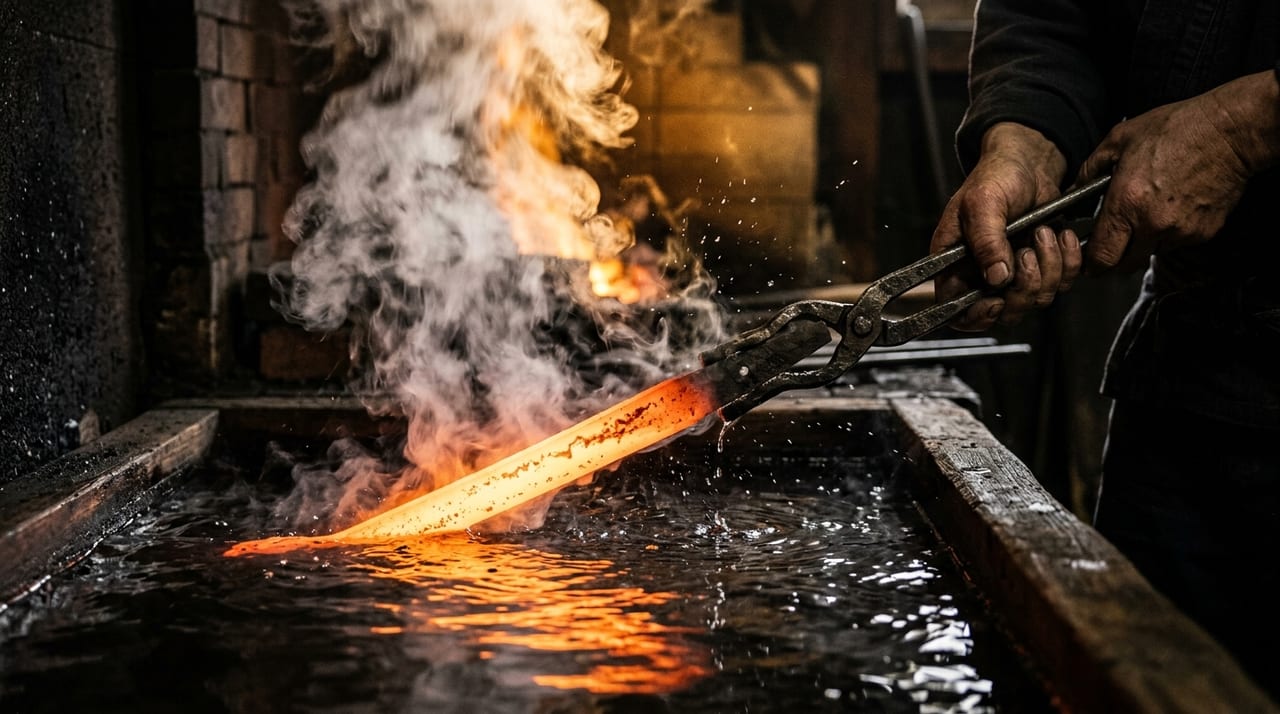
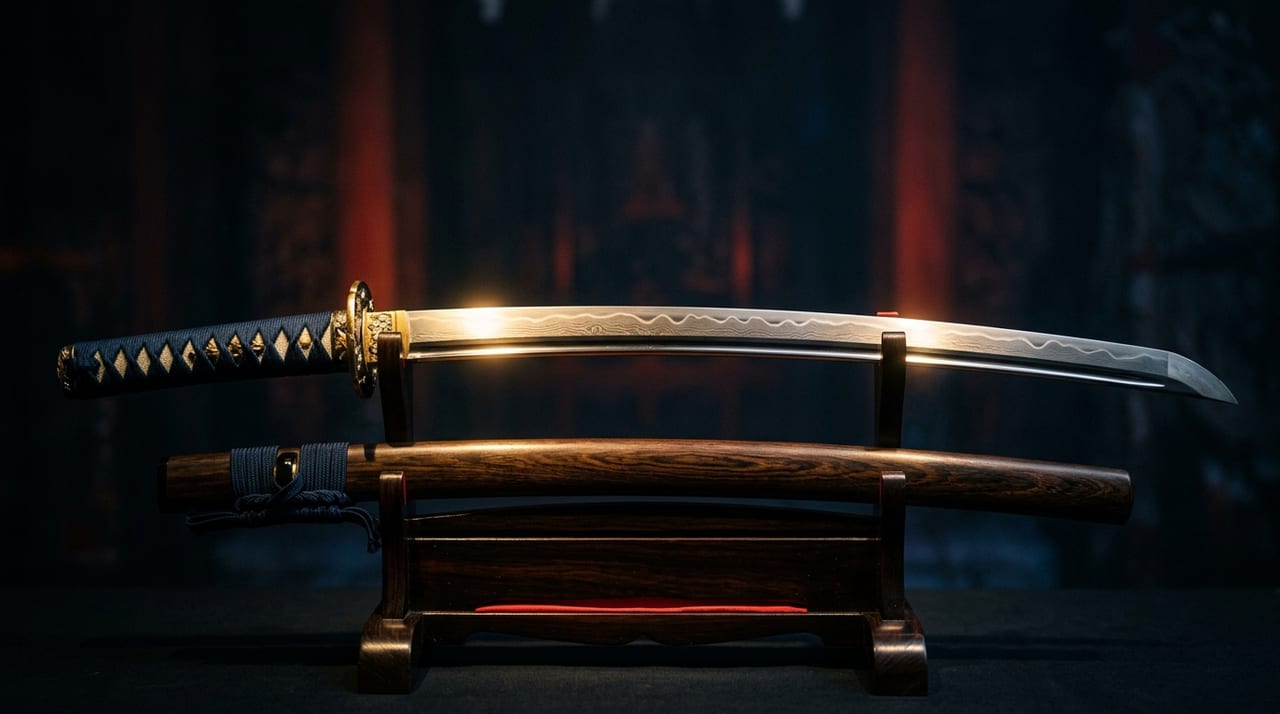
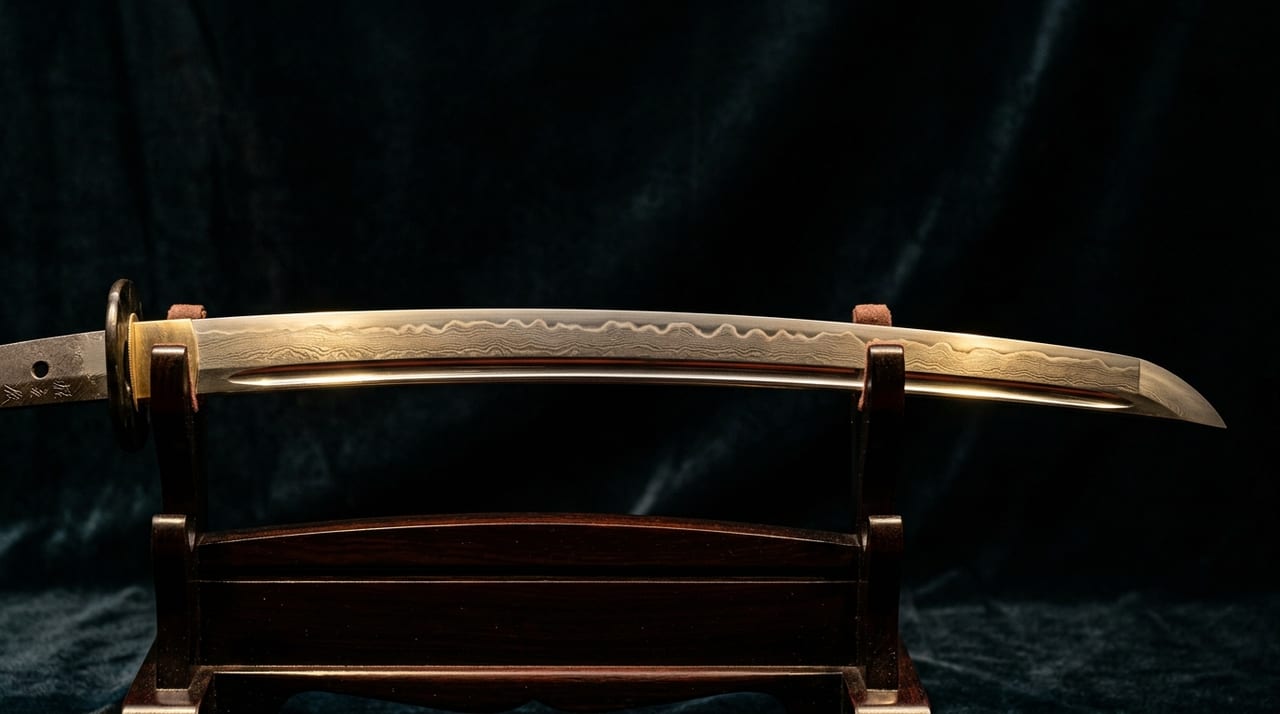
An explanation of sori—the characteristic curvature of the Japanese sword—covering its physical origin and functional significance. Details the mechanism by which thermal stress during quenching produces the curve, the naming and measurement system for all major blade dimensions (hachō, motohaba, sakihaba, etc.), and the three types of sori and their optimal applications.
A comprehensive practical guide for Japanese sword collectors on proper storage and maintenance, covering uchiko powder, clove oil, optimal storage conditions, sword bags, and display stands.
Everything a first-time nihonto collector needs to know: budget tiers, suitable sword types for beginners, verifying registration certificates, finding reputable dealers and auctions, and criteria for choosing your first sword.
A practical legal guide to exporting Japanese swords: restrictions under the Law for the Protection of Cultural Properties, export procedures for antique and modern blades, customs declarations, and compliance with weapons export regulations.