Yari and Naginata: The World of Japanese Bladed Polearms Made by Swordsmiths
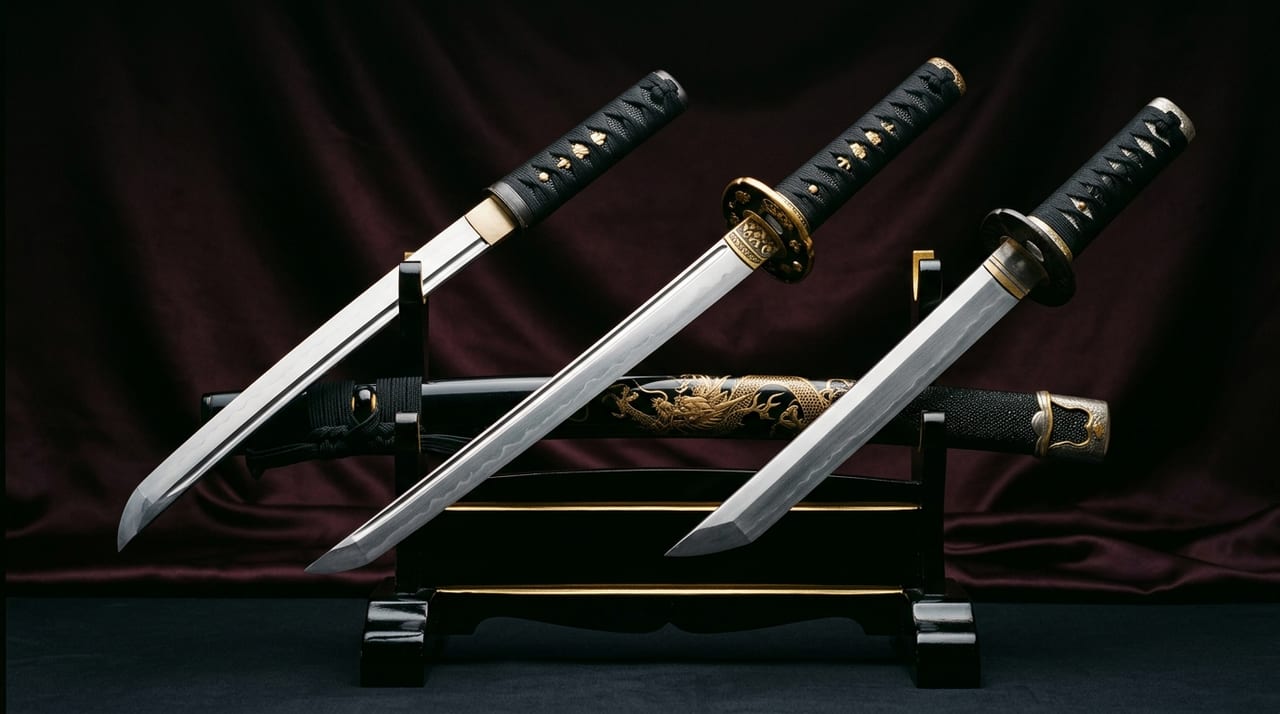 * Image is for illustrative purposes only.
Table of Contents
Blades Other Than Swords Made by Swordsmiths
It is often thought that Japanese swordsmiths (katana-kaji) only made Japanese swords (katana, wakizashi, tanto), but in reality, spears (yari), naginata, and nagamaki were also manufactured by the same groups of swordsmiths. These, as "blades" (hamono), were completed through the same processes as swords: the use of tamahagane, repeated folding and forging, and clay-hardening heat treatment. In the modern system of firearm and sword registration, spear heads, naginata, and nagamaki are all registered as "swords and blades" (toukenrui) and possess equal legal and cultural status to swords.
The bladed weapons with handles that swordsmiths crafted were not mere weapons, but also highly sophisticated works of craftsmanship nurtured by Japanese forging culture. By understanding their manufacturing backgrounds and historical roles, the depth of Japanese blade culture becomes increasingly vivid.
Spears (Yari): The Strongest Infantry Weapon of the Warring States Period
Spears were the most important infantry weapon throughout the Warring States Period. According to modern military historical research, the majority of casualties in Sengoku-period battles were caused by spears, making it worthy of being called "the age of spears." Oda Nobunaga's organizational use of long spear units is widely known, and at the Battle of Nagashino (1575), his tactics are said to have functioned significantly.
Structure and Types of Spears
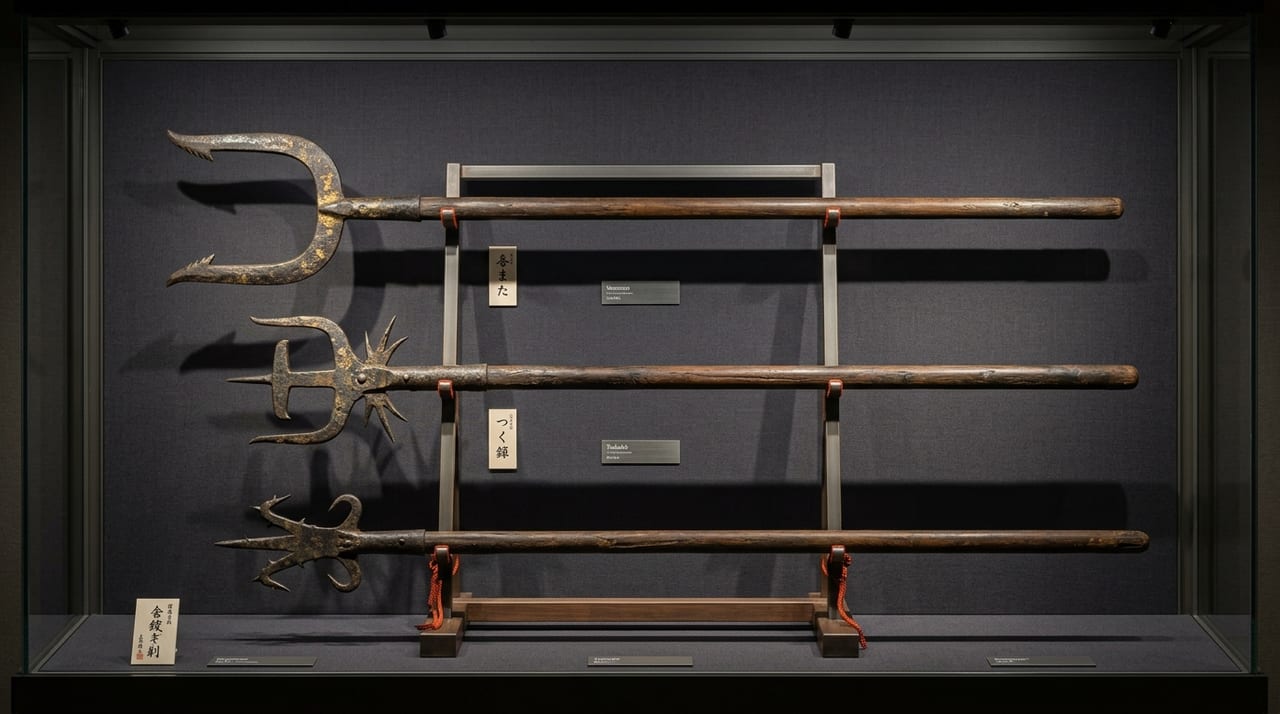
Spears are divided into two main parts: the "blade" (ho) and the "shaft" (e). The blade is the sharpened portion forged by the swordsmith, while the shaft is made of wood such as oak or bamboo. The shape of the blade varies by its purpose and school of use.
- Suyari (ordinary spear): A linear double-edged blade. A simple structure focused on thrusting, the most widely prevalent standard form
- Jumonjiyari (cross-shaped spear): The base of the blade has symmetrical "hooks" (kagi) on both sides. A practical battle type allowing the technique of entangling and pulling down the enemy's weapons
- Kamayari (sickle spear): Equipped with a sickle-shaped protrusion at the base of the blade, allowing three movements: thrusting, sweeping, and hooking. Said to be favored by Kato Kiyomasa
- Kikuchiyari (Kikuchi spear): A single-edged spear with a rhombic cross-section, originating from the Kikuchi region of Kyushu. Frequently used by samurai in the Northern and Southern Courts period
The blade length is generally around 15-45 cm. The total length including the shaft is 180-240 cm for infantry use, while "long spears" could reach 450 cm or more.
Renowned Swordsmiths and Spears
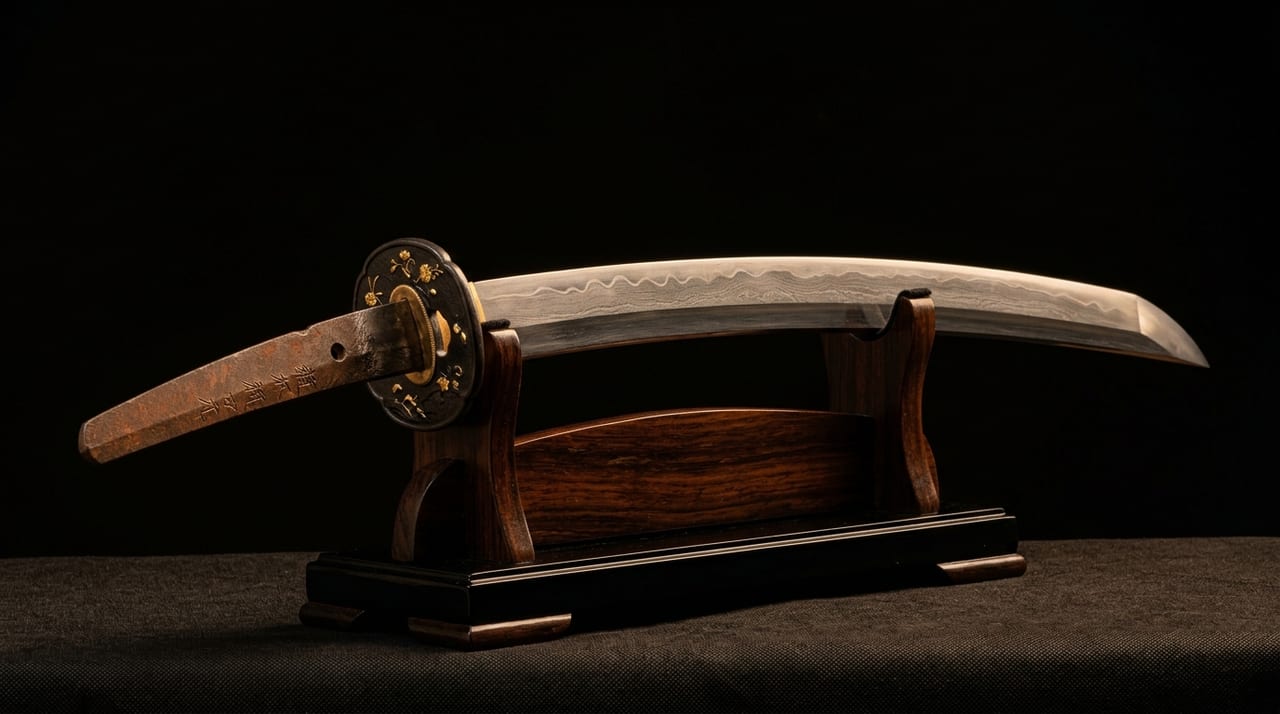
The swordsmith groups of Seki (Gifu Prefecture) were known as a center of production for spear blades as well as swords. Just as swords bearing the name "Magoroku Kanemoto" are famous as masterpieces, many spear blades made by Seki swordsmiths still exist today. The Edo period swordsmith Nagasone Kotetsu, known as a master of sword making, also left behind multiple spear blades, showing the same meticulous jihada (surface iron) and hamon (blade pattern) as his swords. Swordsmith groups from various regions such as Bizen (Okayama) and Soshu (Kanagawa) produced regionally distinctive spear blades, and research into identifying place of origin, period, and maker from the hamon, jihada, and signature (mei) on the nakago continues today, just as with sword authentication.
Naginata: From Sweeping Weapon to Women's Martial Art
The naginata is a weapon combining a curved, long blade with a long shaft, widely used as a major warrior weapon from the late Heian period through the Kamakura and Muromachi periods. In picture scrolls of the Genpei War, warriors carrying naginata appear frequently, and there is no doubt about its status as a leading weapon of that era. When spears became prominent in the Warring States period, it yielded its leading role, but its refined techniques have been passed down to the present day as "naginatado" (naginata martial art).
Structure and Classification of Naginata
The blade length of the naginata is generally around 45-60 cm, while the shaft length is standardized at 120-180 cm. The blade is finished thinner and sharper than a sword, with a shape specialized for horizontal "sweeping" motions. Its practical application—sweeping the legs of mounted enemies, cutting through gaps in armor—is directly reflected in the blade's form.
Nagamaki: Intermediate Form Between Naginata and Sword
A weapon easily confused with the naginata is the "nagamaki." With a blade length and shaft length of around 90-120 cm each, it is characterized by having cord or leather wrapped around the entire shaft for easier grip. It became popular in the Northern and Southern Courts period (14th century) and was frequently used as a weapon suited to combat between warriors wearing large armor. Existing nagamaki are fewer in number than naginata and have high rarity value.
Women and Naginata: The Tradition of "Nyoubou Naginata"
From the medieval period onward, the naginata became established as a weapon that women of the samurai class learned to protect their estates. A custom developed where women of the daimyo and samurai classes would bring naginata as part of their dowry, leading to its being called "nyoubou naginata" (women's naginata). Many were adorned with decorative fittings, possessing both the character of weapons and aspects as works of art and craft. Records remain of female warriors, including Nakano Takeko, carrying naginata and participating in actual combat during the Boshin War (1868) in the Aizu Domain, testifying that the naginata was not merely a ceremonial weapon.
Tanto and Kaiken: The Smallest Blades Made by Swordsmiths
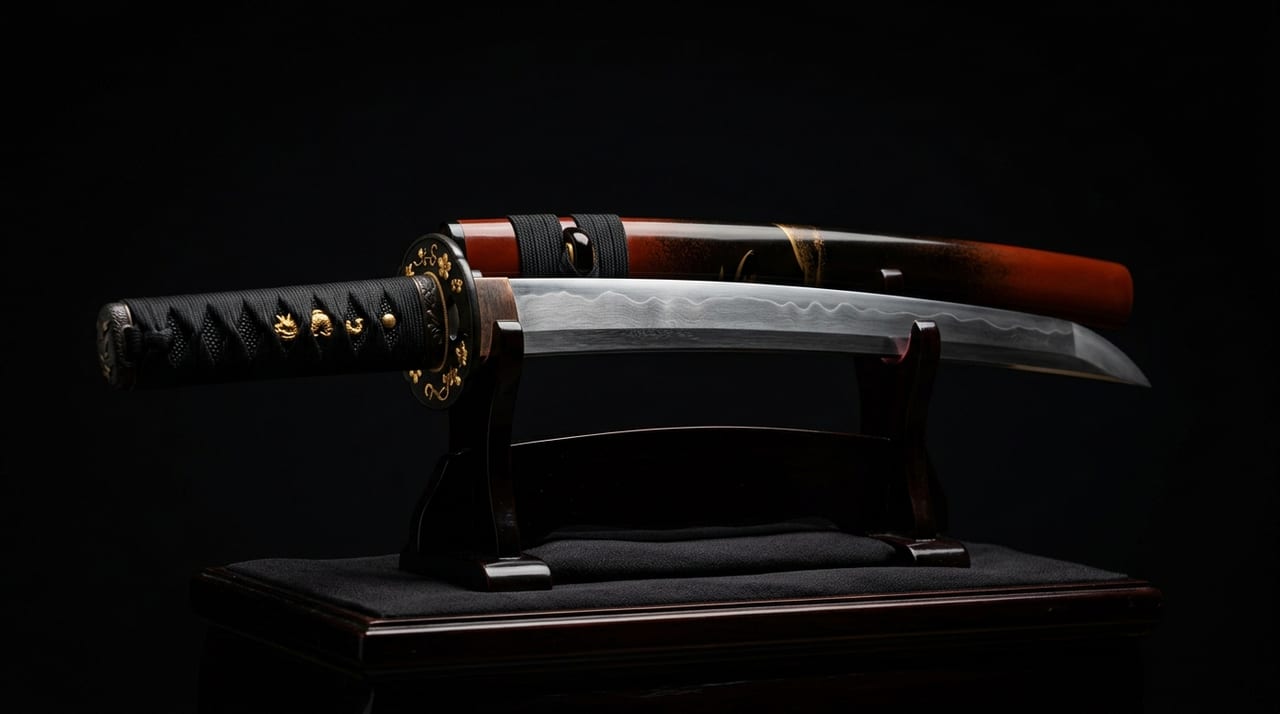
The tanto is a straight sword or sword with a shallow curve having a blade length of less than 30 cm, carried by warriors as a personal-defense weapon and for ceremonial purposes. While a practical item concealed in one's bosom, tanto made by master craftsmen receive artistic evaluation equal to that of swords. Awataguchi Yoshimitsu of the Kamakura period is regarded as the supreme master of the tanto, and many existing tanto by Yoshimitsu are designated as national treasures or important cultural properties.
The kaiken is a small sword used by women. Kept in a white scabbard (shirasaya) and wrapped in a brocade bag (nishiki-bukuro) for carrying, it was an essential accessory for samurai women. The custom of adorning a bride's wedding attire with a kaiken during Shinto wedding ceremonies remains even today, with the techniques of the swordsmith breathing into contemporary wedding culture.
The Reality of Swordsmith Manufacturing Techniques
Spear blades, naginata, and tanto all undergo the same basic processes as swords—selection of tamahagane, removal of impurities through repeated folding and forging, combination of outer iron (kawagane) and core iron (shingane), and formation of the blade pattern through clay-hardening heat treatment—to completion.
However, differences in form and function generate manufacturing innovations. Because spear blades prioritize toughness to withstand the impact of thrusting, the hardening temperature and clay-placement pattern may differ from those used for swords. Naginata, designed for horizontal sweeping motions, tend to be finished thinner and lighter than swords. Tanto demand high sharpness and beautiful blade patterns in a small blade, concentrating the swordsmith's skill.
While most modern swordsmiths specialize in swords, some artisans continue to produce spears and naginata, with spear blades and naginata submissions seen at the Cultural Affairs Agency's "Modern Swordsmith Exhibition." From the perspective of technical transmission, these works hold importance equal to swords.
Summary: Japanese Blade Culture Supported by Swordsmith Techniques
Spears, naginata, nagamaki, tanto, kaiken—all of these blades were born from the extension of the same forging techniques. The term "Japanese sword" often refers only to the katana, wakizashi, and tanto, but Japanese blade culture extends far beyond this scope. The techniques of swordsmiths crystallized not only in individual swords but supported the entirety of Japanese weapons culture at its foundation.
From the perspective of collectors and researchers, spear blades and naginata are fields not to be overlooked. They have fewer existing examples than swords and high rarity value, and if made by renowned swordsmiths, they receive evaluation equal to swords. The ability to authenticate era, origin, and maker is the same as for swords. To deeply understand Japanese swords, it is essential to look at all the blades that swordsmiths created. Online catalogs handle a wide range of offerings including spear blades, naginata, and tanto, so it would be worthwhile to verify their differences through comparison with swords themselves.