Lacquer and Saya — The Craft and Beauty of Lacquer Artisans Who Adorn the Saya of Nihontō
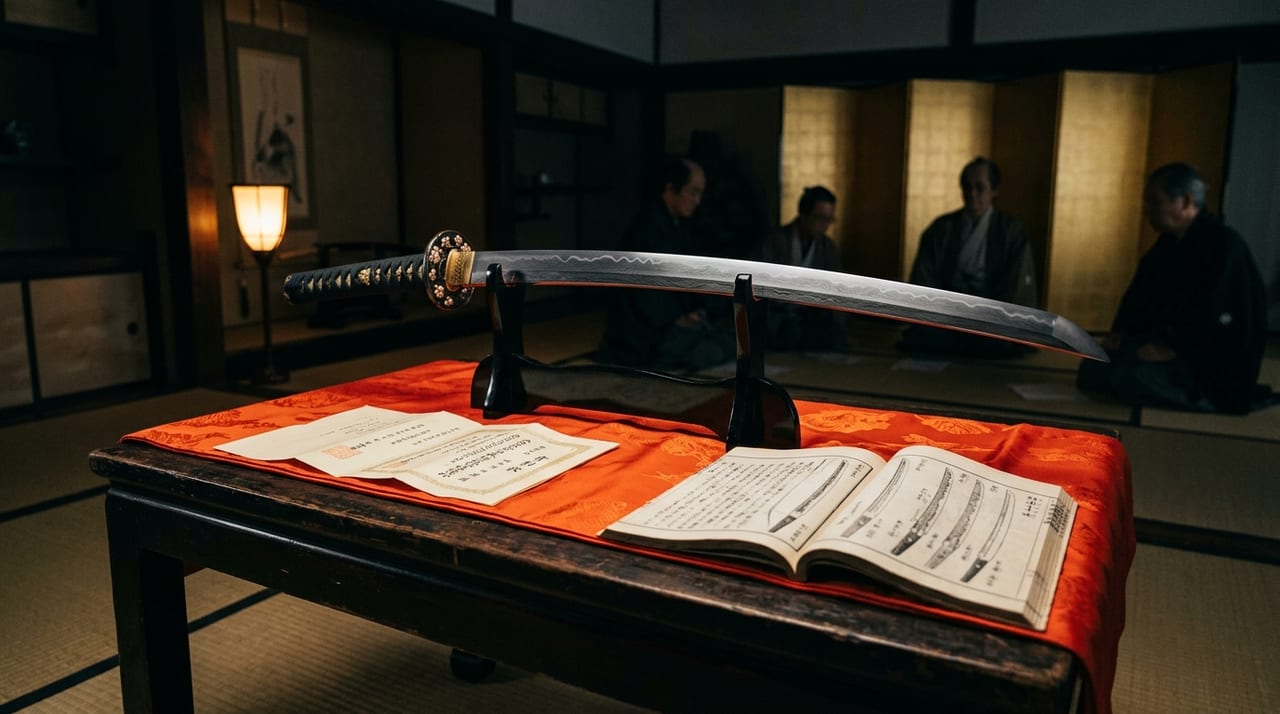 * Image is for illustrative purposes only.
Table of Contents
The Saya of the Nihontō and the Role of Lacquer Artisans
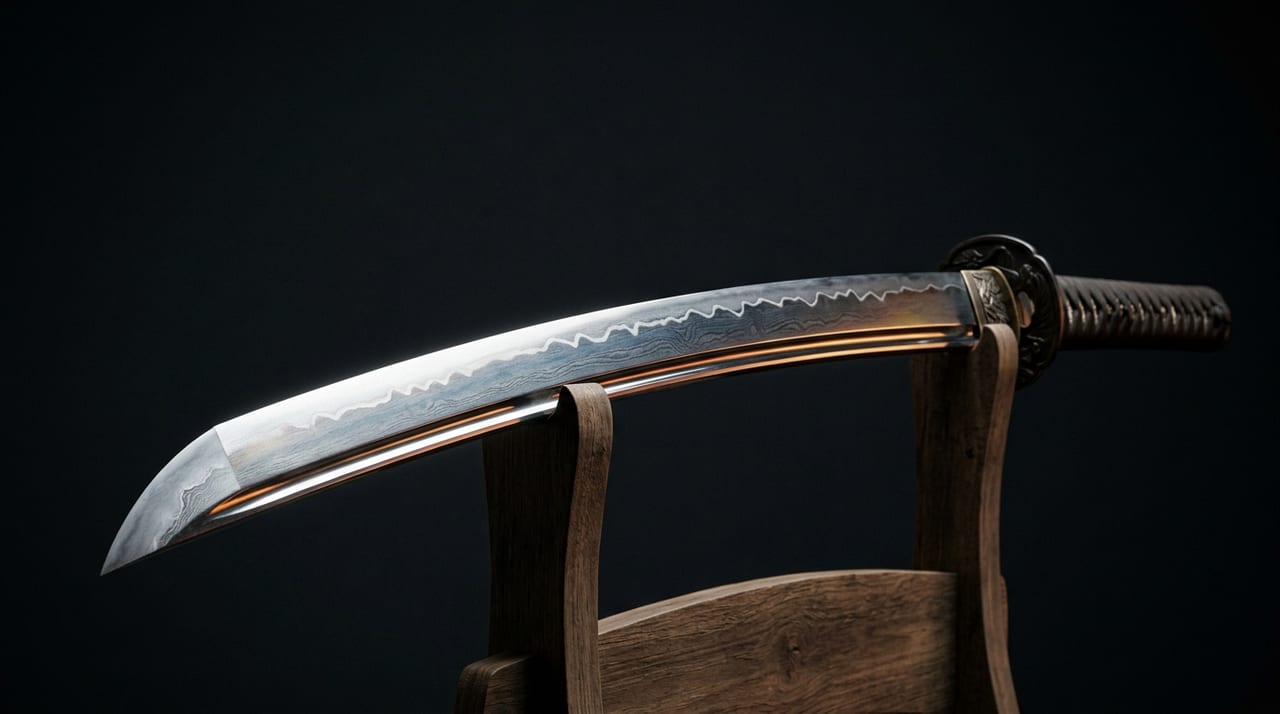
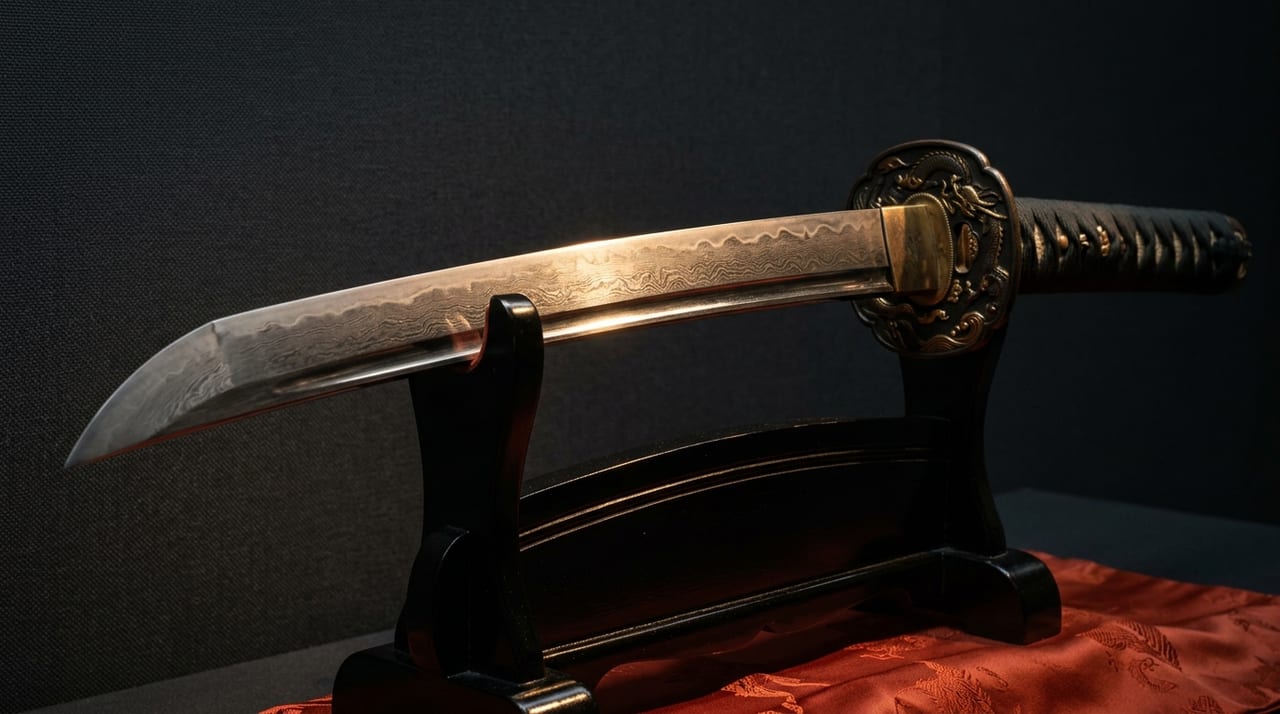
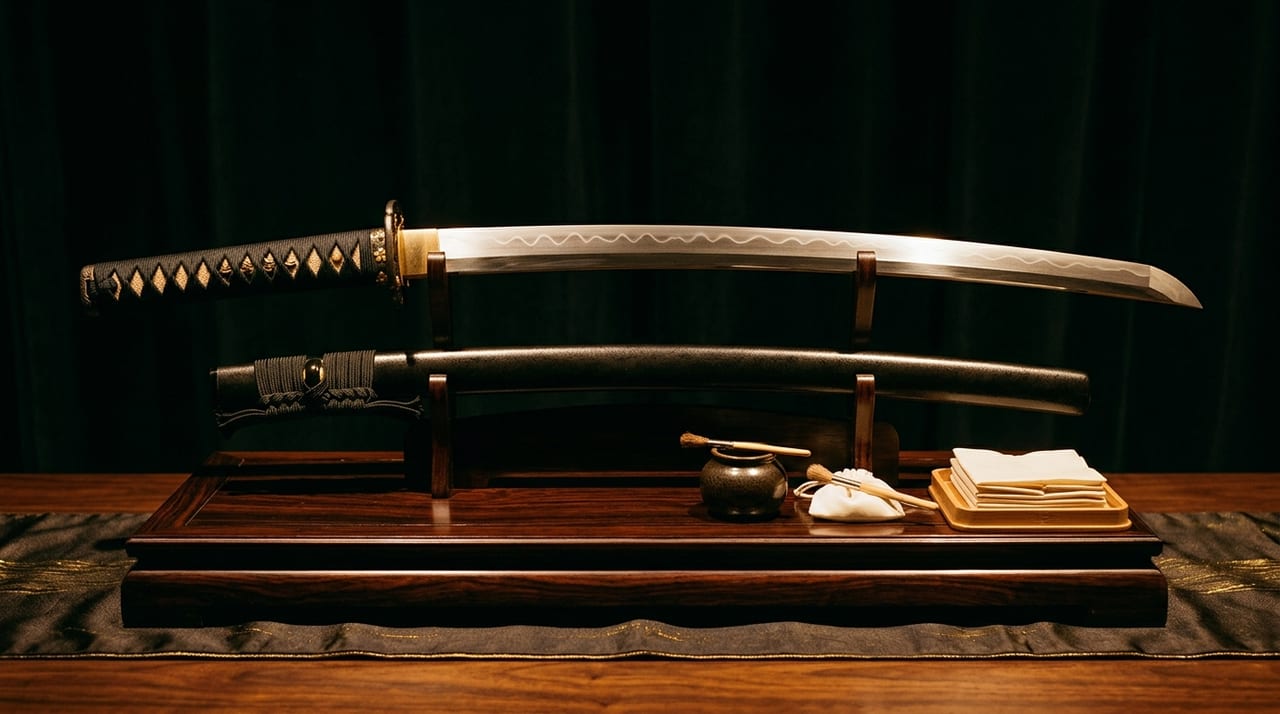
The beauty of the nihontō is not confined to the blade alone. The decorative parts — the saya, tsuka, and tsuba — hold an aesthetic value equal to that of the blade. The degree of refinement of the saya in particular is a factor that greatly determines the "dignity" of the sword.
The material at the core of saya production is urushi (lacquer). From this natural material derived from tree sap, Japanese craftsmen have achieved a diverse range of color expression, from black to vermilion-red and even gold.
Characteristics of Urushi and Historical Background
The Urushi Tree and Techniques of Harvesting
Urushi is harvested from the sap of a deciduous tree called the urushi tree. The largest current domestic production area for cultivated urushi trees in Japan is Jōbōji, Ninohe City, Iwate Prefecture, which is known to produce approximately 70 to 80 percent of domestically grown lacquer. As a byword for high-quality domestic lacquer, "Jōbōji urushi" commands particularly high esteem.
Harvesting sap from the urushi tree involves scoring the bark and collecting the liquid that flows out. The amount of lacquer that can be obtained from a single tree is limited, and the harvesting process demands skilled technique. From the Heian period through the Edo period, lacquer harvesters were established as a specialized professional class.
Records of Use from Ancient Times
The use of urushi in Japan dates back to the Jōmon period. Archaeological excavations have uncovered lacquer-coated wooden objects from sites of the Middle Jōmon period (approximately 8,000 years ago).
The use of urushi on sword saya, however, is thought to have begun from the middle of the Heian period. Before that, saya were primarily made of plain wood and were not lacquered. With the development of decorative culture in the aristocratic society of the Heian period, lacquered saya became established as luxury items.
The Process of Saya Production and Craftsmen's Techniques
From Shaping the Wood Base to Lacquering
The production of a saya is accomplished through a collaboration involving multiple craftsmen.
- Wood-base craftsman (kijishōkunin): Carves the body of the saya from dense, warp-resistant wood such as hōnoki or mizuki. This work demands a high level of skill to match the shape of the blade precisely.
- Lacquering craftsman (urushikō): Applies lacquer repeatedly over the dried wood base. In general, 5 to 10 coats are applied to ensure durability and aesthetic refinement.
The Production of Colored Lacquer and the Artistry of Color Composition
The most common color for saya of traditional nihontō is kuro-urushi (black lacquer). However, from the Heian period through the Edo period, shu-urushi (vermilion lacquer), or aka-urushi (red lacquer), was sometimes used as a more prestigious decorative finish.
The vermilion color is produced by mixing shusha (a compound of mercury and sulfur) into the lacquer. By adjusting the amount of shusha, subtle gradations of color are achieved, ranging from deep red to pale vermilion. This color adjustment is based on the craftsman's many years of experience, and even when the same formula is used, subtle differences in hue emerge from one craftsman to the next.
Maki-e and Advanced Decorative Techniques
Decoration with Gold and Silver Powder
The technique of decorating the lacquered surface of a saya by sprinkling gold or silver powder is called maki-e. This technique causes golden motifs to emerge against the black lacquer ground, producing an effect of exceptional elegance and splendor.
The basic process of maki-e is as follows.
- Draw a pattern on the lacquered ground using a brush
- Sprinkle gold powder over it
- Wait for it to dry and brush off the excess gold powder
This sequence of steps demands a high degree of artistic sensibility and precise technique.
Achievements of Maki-e Craftsmen Across the Various Schools
From the Heian period through the Edo period, groups of maki-e craftsmen formed in various parts of Japan. The maki-e craftsmen of Kyoto in particular enjoyed high esteem, and daimyō and wealthy merchants competed to obtain their work.
In the Edo period, the styles of maki-e diversified, and techniques such as chinkin — the embedding of gold into the lacquered ground — and raden — decoration using shells — also came to be employed. Through these compound decorative techniques, the saya of a sword increasingly acquired value as a pure work of art.
Durability and Practicality of the Saya
The Waterproofing and Anti-Decay Effects of Lacquer Coating
Urushi does not merely provide aesthetic value; it serves a practical function in protecting the wood base of the saya. The thick lacquer coating shields the wood from changes in external humidity and temperature, and also prevents the growth of rot-causing fungi.
In particular, nihontō are worn in a variety of environments and are frequently exposed to moisture such as sweat and rain. The waterproofing effect of the lacquer coating greatly improves the durability of the saya and has continued to contribute to the preservation of swords from the Edo period to the present day.
Restoration and Transmission
When an old saya deteriorates, restoration is carried out by urushikō craftsmen. When maki-e in particular has flaked away, restoring it using the same technique is important for maintaining the value of the piece.
Today, craftsmen who have inherited traditional lacquerwork techniques exist throughout Japan and are engaged in restoring the saya of swords that have deteriorated over the years. Through this work of transmission, the aesthetic intentions of craftsmen from centuries ago are carried forward into the present.
Cultural Significance and Transmission to the Modern Day
Saya Decoration as a Marker of Samurai Status
For samurai of the Edo period, the splendor of a sword's saya was an important indicator of the samurai's rank and refinement. Daimyō and hatamoto expressed their social standing by wearing saya adorned with elaborate maki-e.
Lower-ranking samurai and townspeople used saya with simpler lacquer finishes, but many among them still sought the work of the finest craftsmen, and urushikō craftsmen were kept extremely busy.
Transmission of the Craft in the Modern Age
Today, the techniques of maki-e and lacquer coating receive national support as subjects of cultural property protection. Among nihontō enthusiasts, works by urushikō craftsmen with advanced skills are highly regarded and traded at high prices.
In the new era, the number of young craftsmen learning traditional lacquer art is also increasing, creating a situation in which the future of these ancient techniques is guaranteed to a certain degree.
Conclusion
The craft and beauty of the lacquer artisans who adorn the saya of the nihontō contribute to the overall refinement of the nihontō as much as the forging techniques applied to the blade. The golden maki-e set against the black lacquered ground is a symbol of the samurai's rank and refinement, and a work that represents the pinnacle of Japan's traditional crafts.
Through the ingenuity and inventiveness of lacquer artisans, the nihontō was elevated from a mere weapon to a work of art. Its beauty continues to captivate the hearts of many people today, and it is highly esteemed as part of Japan's cultural heritage.