Uesugi Kenshin and Echigo Sword Culture — The Military God Who Patronized Swordsmiths
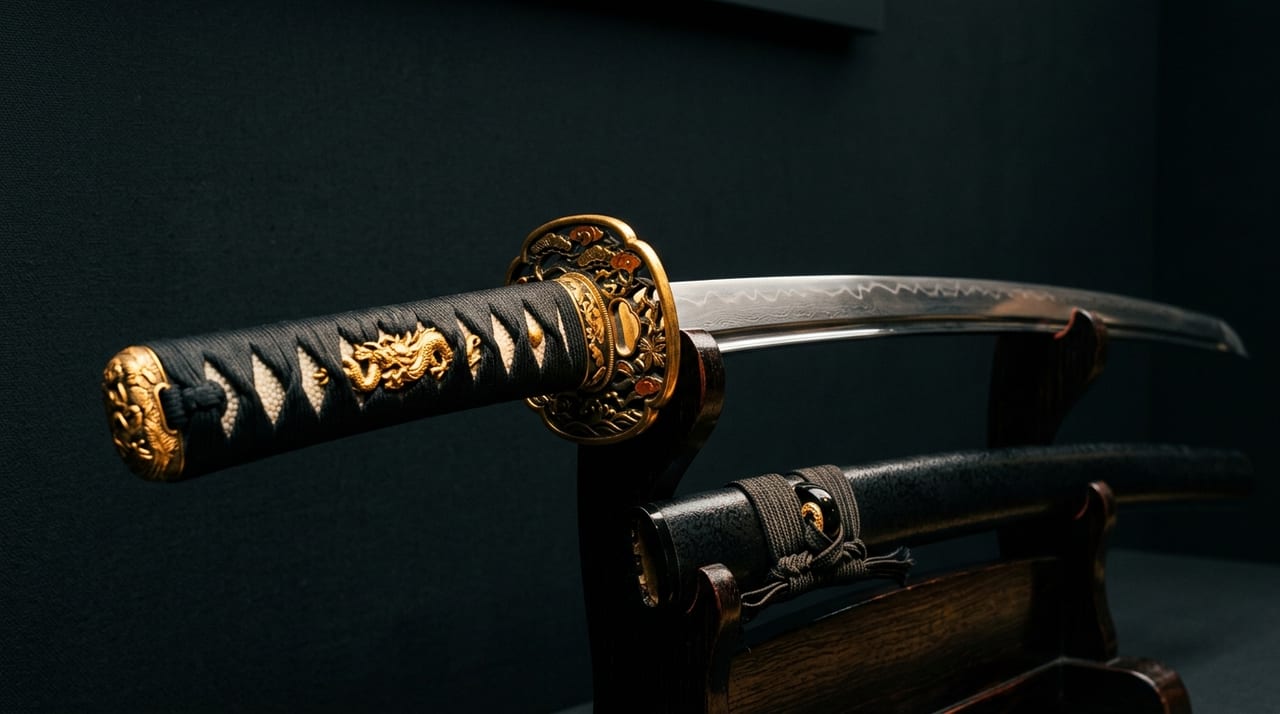 * Image is for illustrative purposes only.
Table of Contents
Uesugi Kenshin as a Historical Figure
Uesugi Kenshin (1530–1578) was a Sengoku daimyo who ruled Echigo Province (present-day Niigata Prefecture) and was hailed as the "Dragon of Echigo" and a "Military God (gunshin)," embodying military genius. He is particularly renowned for clashing five times with Takeda Shingen at the Battle of Kawanakajima and was a rare commander with scarcely any record of battlefield defeat throughout his lifetime.
What distinguished Kenshin as a figure was his fervent faith in Bishamonten and his positioning of himself as one who fought only for the sake of "righteousness." Kenshin's motto of "fighting for righteousness" was deeply reflected in his relationship with swords. Bishamonten is a deity of martial prowess, and the sword, as a symbol of that martial virtue, held special significance for Kenshin as an object of both faith and practical use.
Kenshin and Sword Collecting
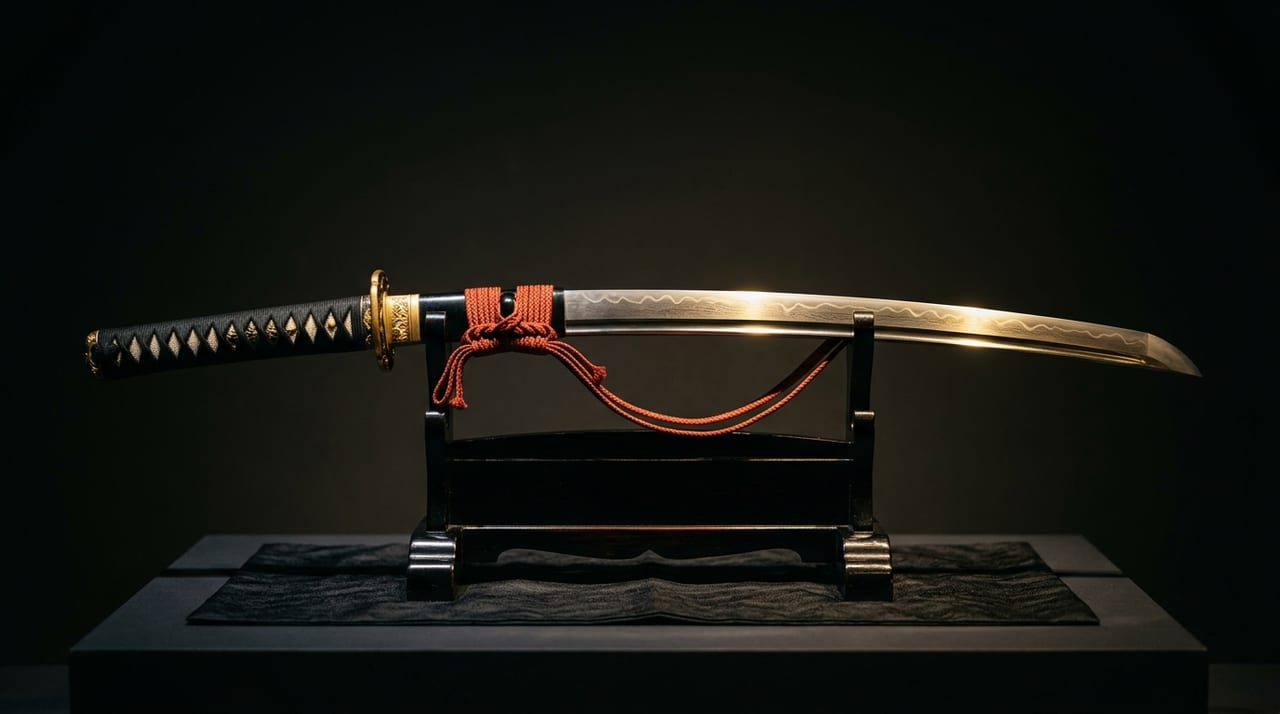
Uesugi Kenshin was known as a connoisseur of swords and was an enthusiastic collector of fine blades. In the Uesugi family's inventory of treasures, preserved in the Yonezawa domain (the successor domain of the Uesugi clan), numerous swords collected and exchanged during Kenshin's time are recorded, including masterpiece blades considered of the highest rank at that time. The most notable swords favored by Kenshin are as follows.
| Sword Name | Designation | Holder | Overview |
|---|---|---|---|
| Sanchōmō | National Treasure | Bizen Osafune Sword Museum | An unsigned tachi of the Ichimonji school. One of Kenshin's most famous cherished swords. |
| Himetsuru Ichimonji | Important Cultural Property | Yonezawa City Uesugi Museum | Believed to be the work of the Fukuoka Ichimonji school, it is said to possess unparalleled beauty among Bizen blades representative of the Kamakura period. A tradition remains that Kenshin valued this sword highly when ruling Echigo. |
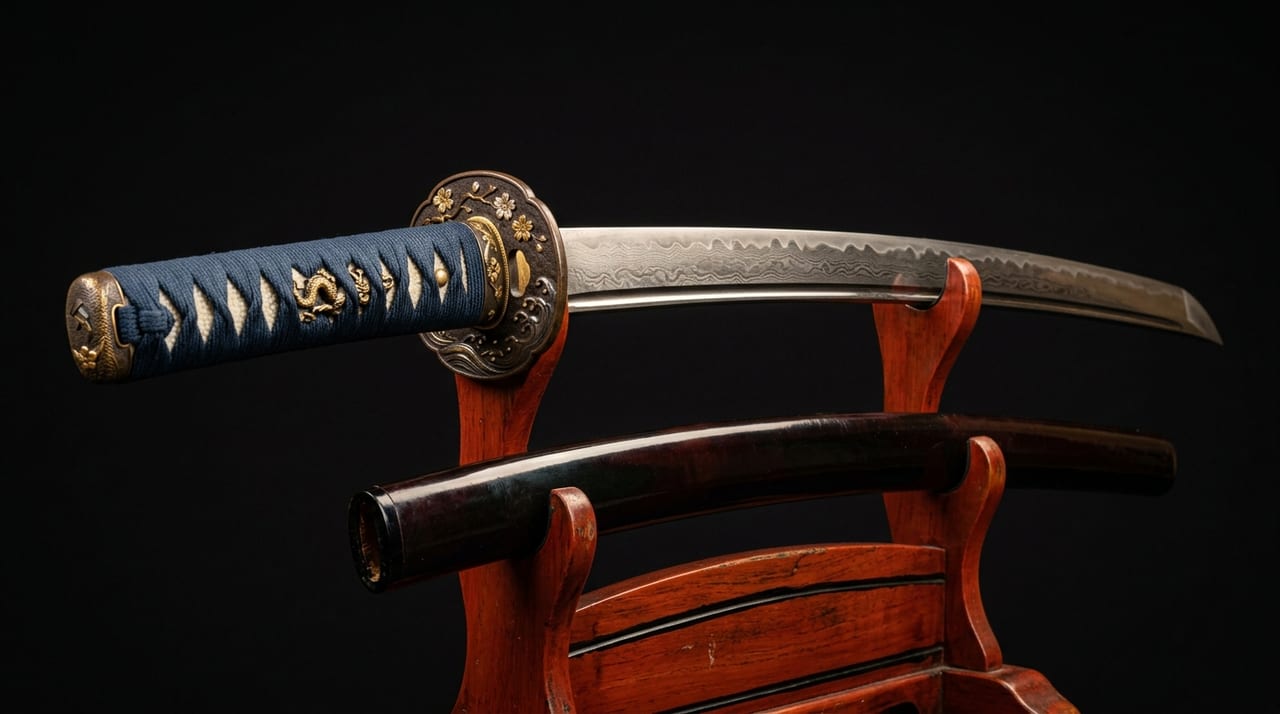
| Ryuko no Tachi | — | — | Named in later eras to liken the fated opposition between Takeda Shingen and Kenshin to a battle between "dragon (Kenshin)" and "tiger (Shingen)." It is said that Kenshin indeed favored a tachi decorated with a dragon carving. |
Echigo Sword-Making Communities
During the time of Uesugi Kenshin, a distinctive sword-making culture had developed in Echigo Province. Echigo, which faced the Japan Sea, was a prosperous agricultural region and an area rich in high-quality iron sand and abundant water, providing a favorable environment for sword makers to work.
Among sword makers representing Echigo were groups who followed the lineage of "Echigo Masamune." While it is said that the techniques of Soshu Masamune were transmitted to Echigo, the reality was that sword makers residing in Echigo learned the Soshu tradition while forging blades with their own distinctive regional character. Echigo sword makers were characterized by the appearance of deep, coarse nie in the base metal, and they produced numerous practical, durable blades.
Kenshin actively protected and encouraged the sword makers of Echigo. He established a system in which sword makers were employed as retained artisans with domain funds, ensuring a stable supply of armor and swords. This system of daimyo protection of sword makers became a precursor to the han-retained sword maker system of the later Edo period.
Tozen — Kenshin and the "Spirit of the Sword"
Kenshin's perspective on swords transcended mere weapons or collectibles and was deeply spiritual. Kenshin also held faith in Zen Buddhism (Rinzai school), and it is said that he practiced a perspective close to what would later be called "tozen" — the idea that "polishing a sword is polishing one's own heart."
The view of sword maintenance, appreciation, and the bearing of a sword as part of spiritual cultivation influenced later bushido thought and the philosophy of martial arts schools. The sword teachings Kenshin received from those he revered as martial arts masters (according to one account, disciples of Kamiizumi Nobutsuna) emphasized the unity of sword and spirit.
Kawanakajima and Swords in Combat
The Battle of Kawanakajima between Uesugi Kenshin and Takeda Shingen (1553–1564, five campaigns) is one of Japan's most famous battles, and in particular, the Fourth Battle of Kawanakajima in 1561 (Eiroku 4) is noted for the fierce close combat that unfolded.
In this battle, various swords including tachi, uchigatana, and wakizashi were used in combat. The practical use of swords in samurai close combat appeared on the Sengoku battlefield in scenes such as these:
- Short dagger use in grappling
- Sword exchanges using uchigatana
- The ceremonial aspects of battle tachi
In later legends, the famous anecdote of Kenshin charging alone into Shingen's main camp and striking down from horseback (the episode of "Kenshin's uchigatana, Shingen's war fan") is well known. While there are various theories as to whether this actually occurred, it is a typical example of how a general's sword and the memory of battle became legendary in later generations.
The Uesugi Family's Sword Legacy
After Kenshin's death, the Uesugi family was inherited by his adopted heir Kagekatsu, and because he sided with the Western Army at the Battle of Sekigahara, the family was transferred to Yonezawa in Dewa Province (present-day Yonezawa City, Yamagata Prefecture). At this time, vast family treasures were moved from Echigo, including Kenshin's collection of swords.
The Uesugi family treasures moved to Yonezawa are preserved to the present day as the "Uesugi Library," and the Yonezawa City Uesugi Museum holds and displays some of the sword collection. Among these, Sanchōmō (National Treasure) and Himetsuru Ichimonji (Important Cultural Property) are particularly famous swords, and when they are exhibited publicly on a regular basis, sword enthusiasts visit from across Japan.
Moreover, by displaying swords alongside Kenshin's armor, war fan, and horse insignia, these cultural treasures provide a multidimensional understanding of the Sengoku "Military God's" true nature and the relationship between him and sword culture. The Uesugi family's sword collection serves as a living testament to how Sengoku daimyo regarded swords as complex objects of political, spiritual, and aesthetic value.