Tsushima Domain and the Korean Embassies: How Swords Connected Japan-Korea Diplomacy and Trade
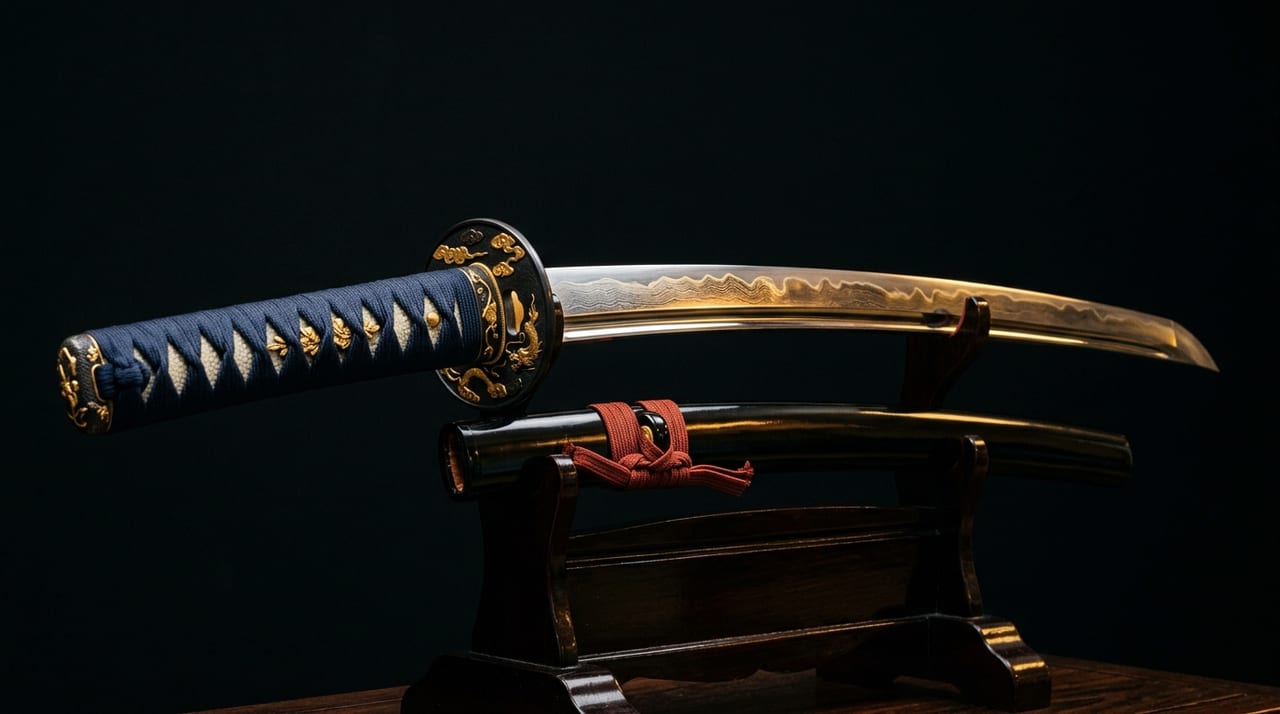 * Image is for illustrative purposes only.
Table of Contents
What Kind of Domain Was Tsushima Han—Geography and the Window to Korean Diplomacy
Tsushima was an island located roughly midway between Kyushu and the Korean Peninsula, and served as the territory of Tsushima Han, ruled by the So clan throughout the Edo period. Being mountainous with little arable land, rice harvests alone could not sustain the domain's finances. For this reason, the So clan had long supported the domain's livelihood through trade with the Korean Peninsula. It was precisely this geographical condition that made Tsushima Han the sole window for the Edo bakufu's diplomacy and trade with Korea.
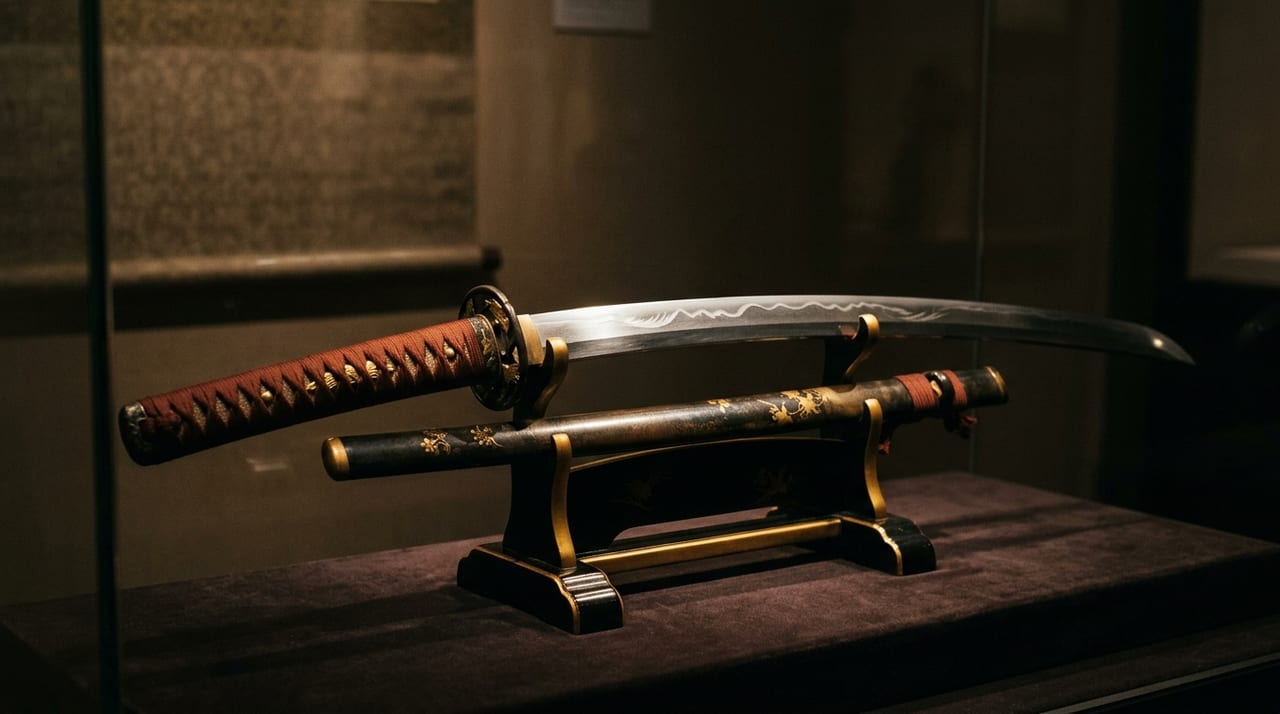
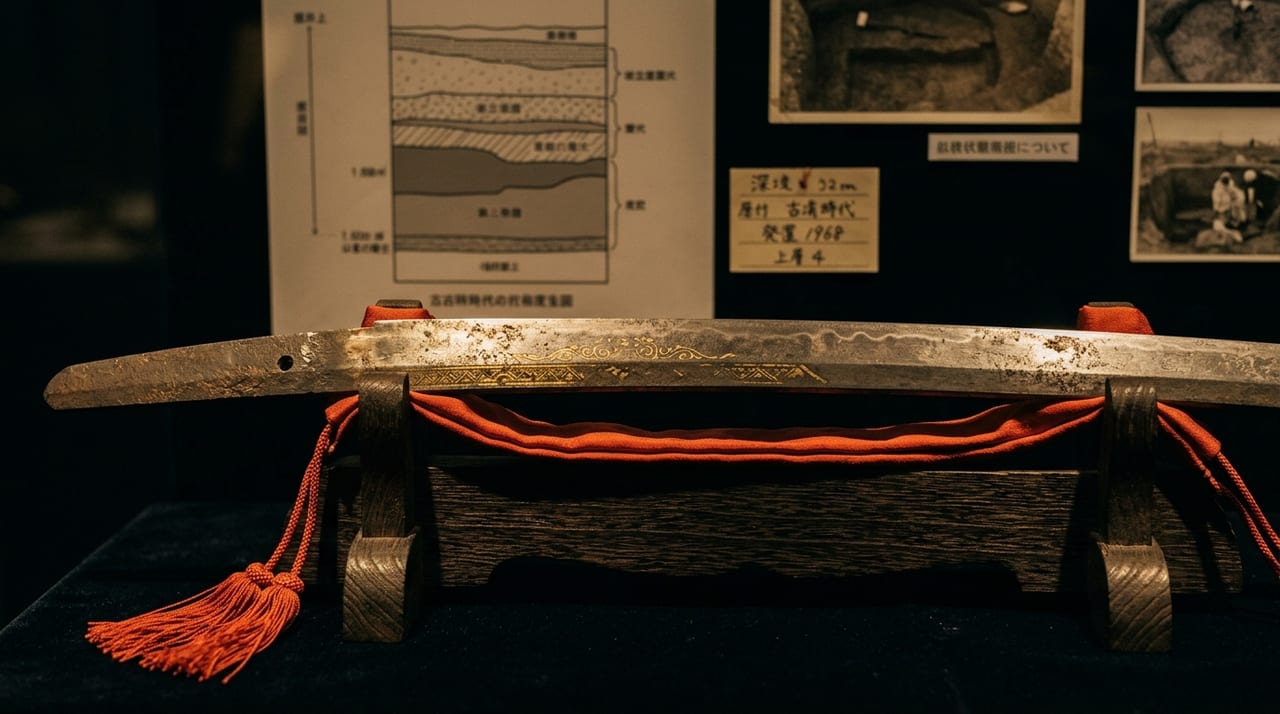
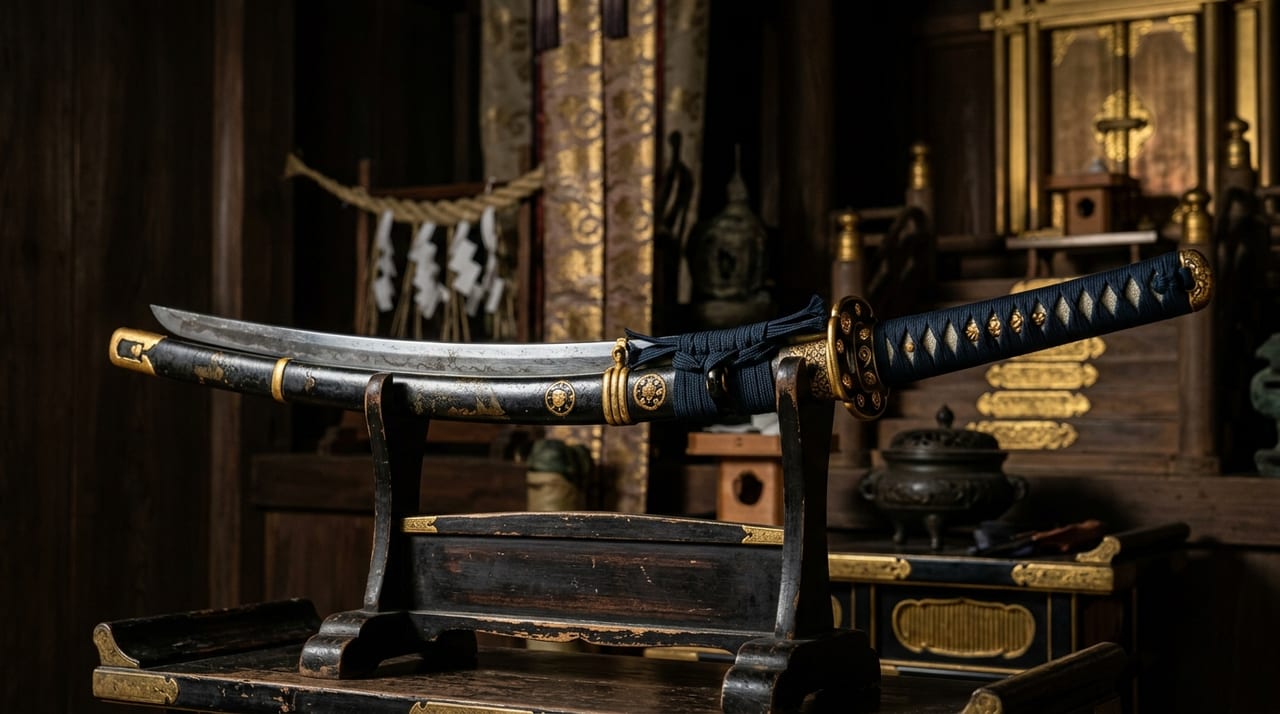
When discussing the history of swords and blades, attention tends to focus on domestic production centers such as Kyoto, Kamakura, and Bizen, as well as tales of battle. However, Japanese swords of the Edo period were also connected to the Korean Peninsula through Tsushima Han. Understanding the reality of this external exchange provides a clue to comprehending Japanese swords not merely as domestic crafts, but as goods positioned within East Asian networks of diplomacy and trade.
Restoration of Diplomatic Relations in the Keichō and Genwa Eras—The Kiyu Treaty and Tsushima Han's Role
The Bunroku and Keichō campaigns (1592–1598) conducted by Toyotomi Hideyoshi severely damaged relations between Japan and Korea. Diplomatic relations between the two nations were effectively severed, and Tsushima Han's trade revenues suffered greatly.
When Tokugawa Ieyasu took power, Tsushima Han's daimyo Sō Yoshitoshi engaged in repeated negotiations with the Korean side to restore diplomatic relations. As a result, the Kiyu Treaty (Kiyū Yakujō) was concluded in 1609 (Keichō 14), and Tsushima Han obtained the privilege to resume trade with Korea. This treaty institutionally established Tsushima Han's position as the "window" standing between the Edo bakufu and the Korean dynasty.
Korean Embassies (Chōsen Tsūshinshi)—Diplomatic Missions That Visited Japan During the Edo Period
Following the normalization of diplomatic relations through the Kiyu Treaty, the Korean dynasty began dispatching official diplomatic missions called "Korean Embassies" (Chōsen Tsūshinshi) to Japan at key moments such as the succession of shoguns. Between 1607 and 1811, the embassies visited Japan on multiple occasions, traveling in grand processions all the way to Edo.
Tsushima Han undertook all the duties of guidance, security, and interpretation for these embassy visits. The So clan's retainers included individuals versed in the Korean language across generations, and Tsushima Han handled the practical aspects of diplomatic correspondence and ceremonial procedures. The embassy's journey to Edo was a major event for the daimyos along the route, and it also provided an opportunity for contact with Korean culture within Japan. Note that the final embassy in 1811 was received in the format called "Ekichi Heire" (alternative reception procedure), in which it was received at Tsushima rather than Edo due to the Edo bakufu's financial circumstances and other factors.
Wakan Trade—Japanese Settlement in Busan and the Export of Swords
The trading hub for Tsushima Han's commerce was the "Wakan" (Japanese settlement) established in Busan on the Korean side. Samurai from Tsushima Han and merchants resided at the Wakan, conducting both official and unofficial trade while communicating with Korean institutions.
In this trade, copper and domestically processed crafts were brought from the Japanese side, while cotton, ginseng, and Buddhist scriptures were brought from the Korean side to Japan. Regarding swords and sword fittings, Japanese-made blades and small fittings were treated as one of the goods traded through the Wakan, and it is known that they played a role in the flow of goods between Japan and Korea through Tsushima Han. The fact that Japanese swords of the Edo period were connected not only to the domestic market but also to such external trade routes is an aspect often overlooked when considering the history of Japanese sword circulation.
Diplomatic Ceremony Involving Swords—Tachi as Gifts
In Japanese samurai society, the practice of using tachi as formal gifts (known as "shinmono") had been established since ancient times. A representative example of this is the custom of "tachi-mokuroku," in which a tachi was presented with a catalog listing at ceremonial gift-giving occasions between shoguns and daimyos.
It is recorded that swords and blades served as objects of exchange as an extension of such samurai ritual in the context of Japan-Korea diplomacy conducted by Tsushima Han. However, specific details regarding which embassies and what kinds of tachi were presented require verification through historical sources. In this article, we wish to emphasize the point that "there existed a cultural foundation in Edo-period Japan where swords and blades were treated as part of official diplomatic ritual."
The Japan-Korea relationship mediated by Tsushima Han can be summarized as being composed of the following elements:
- Diplomacy: Normalization of relations through the Kiyu Treaty (1609) and approximately a dozen visits of Korean Embassies
- Practical Administration: Interpretation, guidance, and security provided by Tsushima Han, and the successive training of Korean language specialists
- Trade: Exchange of copper, cotton, ginseng, swords and blades, and other goods based at the Wakan in Busan
- Ceremony: The positioning of swords and blades as part of gift-giving ritual, exemplified by tachi-mokuroku
The Significance of the Tsushima Route from a Modern Perspective
The Japan-Korea diplomatic and trade route via Tsushima Han demonstrates that Japanese swords were not merely domestic crafts that remained self-contained throughout the Edo period, but were also traded goods incorporated into East Asian international relations. When appreciating and collecting swords and blades, understanding the background of the era and the distribution networks within which a particular blade was made and used contributes not only to appreciating its value as an object, but also to enjoying the historical depth it embodies.
In TOUKENZA's online catalog, one can browse a diverse array of Japanese swords from different eras and origins. By comparing the works on display while paying attention to the historical background of the swords and blades, one should be able to appreciate the value of each blade from a perspective different from before.