The Evolution of the Jūyō Bijutsuhin System — From the 1933 Old Law to the Enforcement of the Act on Protection of Cultural Properties in 1950
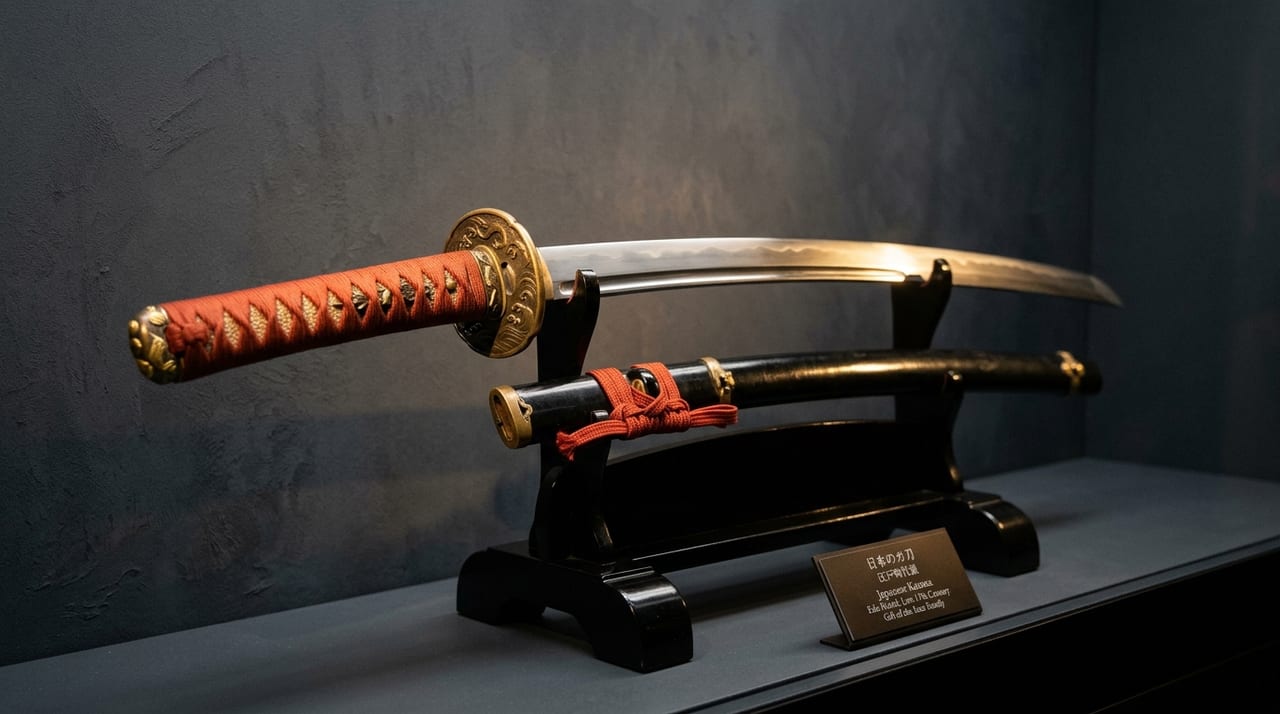 * Image is for illustrative purposes only.
Table of Contents
The term jūyō bijutsuhin appears in old kanteisho (appraisal certificates) and works on antique art as referring to a system separate from the "jūyō bunkazai (Important Cultural Property)" under the current Act on Protection of Cultural Properties. This article organizes, based on materials from the Agency for Cultural Affairs, what purpose the prewar jūyō bijutsuhin designation system was created for and how its treatment changed with the enforcement of the Act on Protection of Cultural Properties in 1950. Understanding the correct names and dates of the system helps reduce misunderstandings when reading old records.
1933: The Old Law Created to Prevent Outflow Abroad
The Law Concerning the Preservation of Important Works of Art, Etc. was promulgated and came into force on April 1, Shōwa 8 (1933). According to materials from the Agency for Cultural Affairs, the background to its enactment was the outflow of valuable works of art abroad, and its purpose was to prevent their export and transfer out of the country. A system was thus created under national law to designate works of art as jūyō bijutsuhin and to secure their preservation.
The standard for designation was set at the kokuhō (National Treasure) level, with "quasi-kokuhō" — works that qualified as kokuhō but had not yet been so designated — serving as the benchmark. In practice, however, items for which there was no risk of export or transfer were also included among designations. Because designations were carried out as an emergency measure to halt exports, the Agency for Cultural Affairs notes that many items whose value had not yet been fully established were also included.
Source: Agency for Cultural Affairs, "On the Organization of Jūyō Bijutsuhin, Etc."
Number and Breakdown of Designations — The Majority Were Works of Art and Craft
Designations were made until Shōwa 24 (1949). According to the Agency for Cultural Affairs materials, the number of designated items was 7,898 works of art and craft and 299 structures, for a total of 8,197 items. Since the great majority of items were works of art and craft, it can be seen that the old law was operated primarily for the preservation of works of art including craft objects.
However, the materials do not reveal how many swords were included in this breakdown. If one wishes to verify individual prewar designations, it is necessary to consult the provenance of each work and the records of the holding institution. Concluding that "many swords were designated" based on numbers alone is a reading that lacks sufficient grounds.
Source: Agency for Cultural Affairs, "On the Organization of Jūyō Bijutsuhin, Etc."
The Act on Protection of Cultural Properties of 1950 and the Repeal of the Old Law
The Act on Protection of Cultural Properties was promulgated on May 30, Shōwa 25 (1950), and came into force on August 29 of the same year. The old law was repealed with this enactment. However, the supplementary provisions stipulated that already-designated items would "retain their effect for the time being," meaning that designations under the old law did not immediately lose their validity.
The Agency for Cultural Affairs has compiled catalogs classifying the designated jūyō bijutsuhin items and has proceeded with review and investigation. Where possible, the revoking of designations and subsequent re-designation as jūyō bunkazai (Important Cultural Property) has been promoted. The "kokuhō (National Treasures)" under the old law came to be treated as jūyō bunkazai under the current Act on Protection of Cultural Properties.
Source: Agency for Cultural Affairs, "On the Organization of Jūyō Bijutsuhin, Etc."
How to Read Prewar Designation Records
When you encounter the term "jūyō" in old sword materials, it is important to first distinguish whether it refers to jūyō bijutsuhin under the prewar old law, a rating by a private examination, or a designation as jūyō bunkazai (Important Cultural Property) under the current law. Even with the same term "jūyō," the meaning and treatment differ depending on the underlying system.
- Read designations under the old law as records made between 1933 and 1949.
- Check whether designations under the old law may have been revoked or upgraded after 1950.
- Verify current designations using public databases such as the Cultural Heritage Online.
A System Separate from Private Examinations
The system widely known today for indicating the value of swords is the appraisal and examination carried out by the NBTHK (Society for the Preservation of Japanese Art Swords). This is a private system separate from the Agency for Cultural Affairs designation system. Since the NBTHK's examination categories also include the term "jūyō," care must be taken as it is easy to confuse them with the jūyō bijutsuhin of the old law.
Even if system names are similar, the body that granted the designation, the underlying law, and the scope of its effect are each different. When reading descriptions of sales or provenance, it is advisable to confirm explicitly which system is being referred to.
Knowing the old law's system allows you to correctly distinguish, when reading the provenance of prewar works of art, under which era's system an item was considered "jūyō."
Items designated under the old law may have had their treatment changed through subsequent review — including re-designation as jūyō bunkazai (Important Cultural Property) or revocation of designation. To determine the current treatment of an individual item, it is safest to consult the publicly available information from the holding institution or the Agency for Cultural Affairs' designation records. Reading materials with an understanding of the system's history allows you to avoid misidentifying the scope to which the term "jūyō" refers.