The International Standing of Tsuba — Tsuba Collections in Western and Asian Markets Today
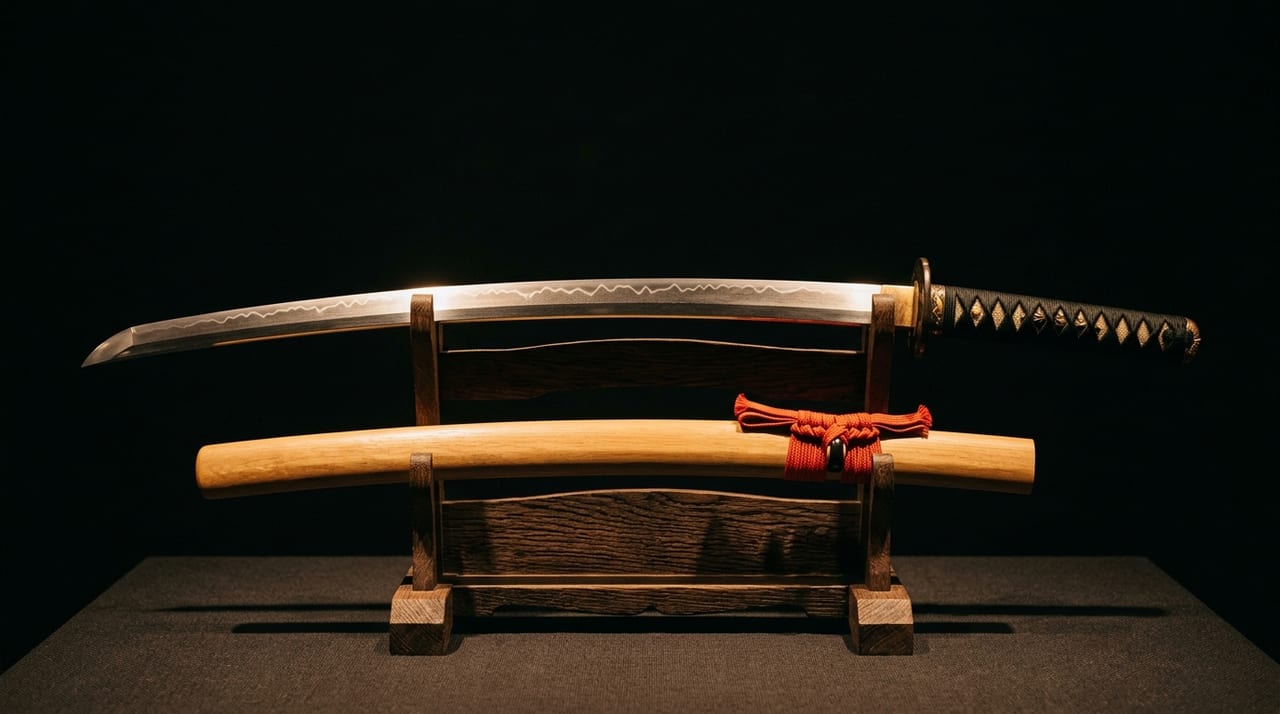
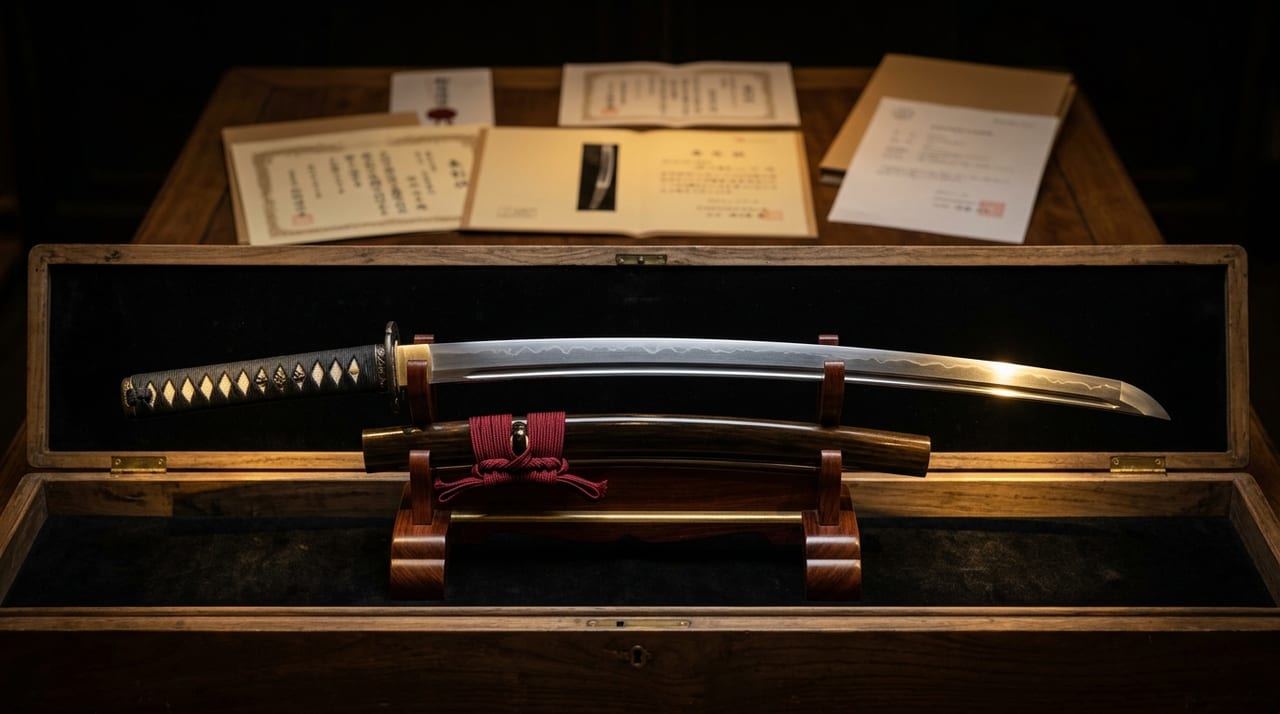
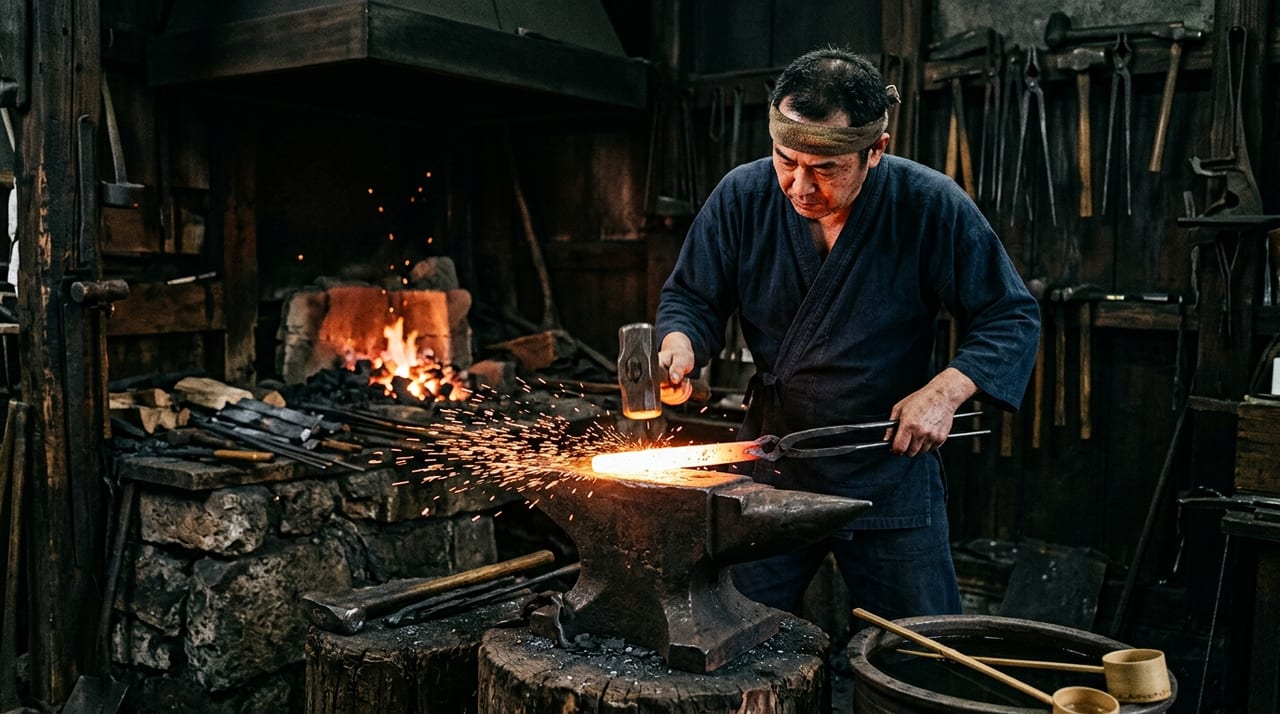
 * Image is for illustrative purposes only.
Table of Contents
Historical Background of Tsuba's Recognition Abroad
Tsuba (hand guard) first became a serious object of collection in the West with the boom in Japanese art during the Meiji period (1868–1912). The Sword Abolishment Edict (Haitōrei) (1876) sent large numbers of tōsōgu (sword fittings) into the antiques market, and combined with the Meiji government's policy of Westernization, Japanese art was exported in quantity to wealthy individuals and museums in Europe and America.
During this period, figures such as Ernest Fenollosa and Okakura Tenshin, who actively promoted the value of Japanese art, heightened interest in tōsōgu including tsuba. In France, against the backdrop of the Japonisme craze, Impressionist painters drew heavily on the aesthetic forms of Japanese art, and the decorative patterns of tsuba played a part in that influence.
Prominent collectors in Europe and America actively purchased tōsōgu including tsuba, and these pieces entered the holdings of major museums in many countries. The British Museum (London), the Metropolitan Museum of Art (New York), and the Museum of Fine Arts, Boston, among others, still hold high-quality tsuba collections that serve research and exhibition purposes today. The former Fenollosa holdings at the Museum of Fine Arts, Boston, and these other collections continue to serve as foundational material for international academic research.
Current Trends in the Overseas Market
The overseas tsuba market in the twenty-first century is characterized by several major trends.
- Western markets: Christie's (London and New York) and Bonhams (London), among others, hold regular Japanese art sales at which high-quality tōsōgu are offered. Edo-period kinko pieces of high decorative quality, in particular those of the Nara kinko (machi-bori) and Gotō family (ie-bori) lineages, maintain a firm following. In recent years, not only individual tsuba but also the sale of entire tōsōgu collections as a group has been seen, and lot purchases of substantial numbers have attracted attention among Western collectors.
- Asian markets: Wealthy collectors in China, Taiwan, and Hong Kong have been growing their interest in Japanese art broadly, and tsuba and tōsōgu are among the works attracting attention. Japanese art sales at Asian auction houses have also become more active, with a tendency for works depicting auspicious subjects to draw particular interest. Because market price trends are also affected by exchange rates and economic conditions, it is advisable to check current prices with a specialist dealer before considering a purchase or sale.
- Online international trade: Person-to-person transactions through eBay, Ruby Lane, and Japan-based sword specialty sites with international service have also been increasing. However, the risk of forgeries is high, and purchasing works accompanied by NBTHK (Society for the Preservation of Japanese Art Swords) papers or from sellers with a proven, trustworthy track record is indispensable.
Characteristics of Tsuba Favored by Overseas Collectors
From the long-term movements of the international market, the categories of tsuba that overseas collectors particularly value have come into focus.
- Decorative tsuba with strong visual impact: Edo-period kinko tsuba with lavish decoration in gold, silver, and shakudō are works whose value communicates visually even to overseas collectors without knowledge of Japanese. Works by artists in the lineage of Nara kinko (machi-bori) and the refined chasing of the Gotō family (ie-bori) lineage belong to separate traditions, yet both are held in particularly high regard.
- Internationally popular subjects: Subjects such as dragons, tigers, warrior scenes, and crashing waves are motifs common to Asian art broadly and are accessible to audiences outside Japan. For Western collectors, works that depict natural subjects — birds and flowers, insects among grasses, landscapes — with refinement have strong appeal as works of art.
- Iron tsuba with elaborate sukashi openwork: The technique of applying complex openwork patterns to iron alone is recognized as a uniquely Japanese achievement, and is especially favored by Western collectors who value sculptural sensibility. The austere beauty of the Himeji (Myōchin school) and Tosa (Tosa tsuba) traditions has been undergoing a notable reappraisal in recent years.
- Works with clear provenance and publication history: Works with a record of inclusion in renowned collections, exhibition in museums, or publication in specialist texts command high credibility in the international market, and carry a clear price premium.
Export from Japan and Legal Procedures
When exporting tsuba overseas, it is necessary to have an accurate understanding of Japan's legal regulations.
A tsuba alone does not in principle fall under the category of "swords and the like" under the Act for Controlling the Possession of Firearms or Swords and Other Such Weapons (Jūtōhō), and the export of tōsōgu alone without a blade is generally regarded as outside the scope of that Act's regulations. However, works designated as jūyō bunkazai (Important Cultural Property) or jūyō bijutsuhin (Important Art Object) may require procedures under the Act on Protection of Cultural Properties for export. The laws of the importing country (regulations related to weapons and cultural properties in each country) must also be confirmed in advance. Because the application of these laws varies depending on the condition of each individual work and whether it carries a designation, please be sure to check the latest legislation and guidance from the relevant authorities.
In practice, international auction houses and domestic sword dealers with extensive experience in overseas transactions are well versed in legal procedures, so selling through these specialists is more reliable and less prone to problems than personal export.
How to Participate in the International Market
- When selling from Japan: The basic route is to request an appraisal from the Japan office of an international auction house such as Christie's Tokyo, or to consult a domestic sword dealer with a track record of dealing with overseas collectors. Obtaining NBTHK papers in advance often works in one's favor in terms of both international evaluation and sale price.
- When purchasing from abroad: Use the English-language online shops of reliable Japanese sword dealers and specialty stores, or established overseas dealers who handle works with NBTHK papers. Purchases at international auctions offer clear auction history and provenance, and their high degree of transparency tends to ensure credibility.
Explore Japanese Sword Craftsmanship
TOUKENZA (operated by M-Assets Co., Ltd.) is a nihontō marketplace that sells Japanese swords online. Swords currently listed can be viewed in the online catalog, where they are also available for purchase. If you find a sword that interests you or have any questions, please feel free to contact us via the inquiry form.
Conclusion — The Outlook for a Globalizing Tsuba Market
Some hold the view that the international tsuba market is poised for further expansion. Growing global interest in nihontō culture and the globalization of information and transactions via the internet are among the factors converging to suggest that high-quality tsuba will continue to hold long-term value while sustained by international demand. That said, market movements are subject to economic conditions, exchange rates, and the provenance of individual works, so it is advisable to avoid judgment based on optimism alone.
In particular, younger overseas collectors are finding more opportunities to encounter nihontō culture through social media and video platforms, and awareness of tsuba as works of art is spreading. Opportunities for masterpieces that have lain dormant within Japan to receive proper recognition on the international stage will only continue to increase going forward.