Guide to Collecting Tsuba: Market Trends and Getting Started in 2026
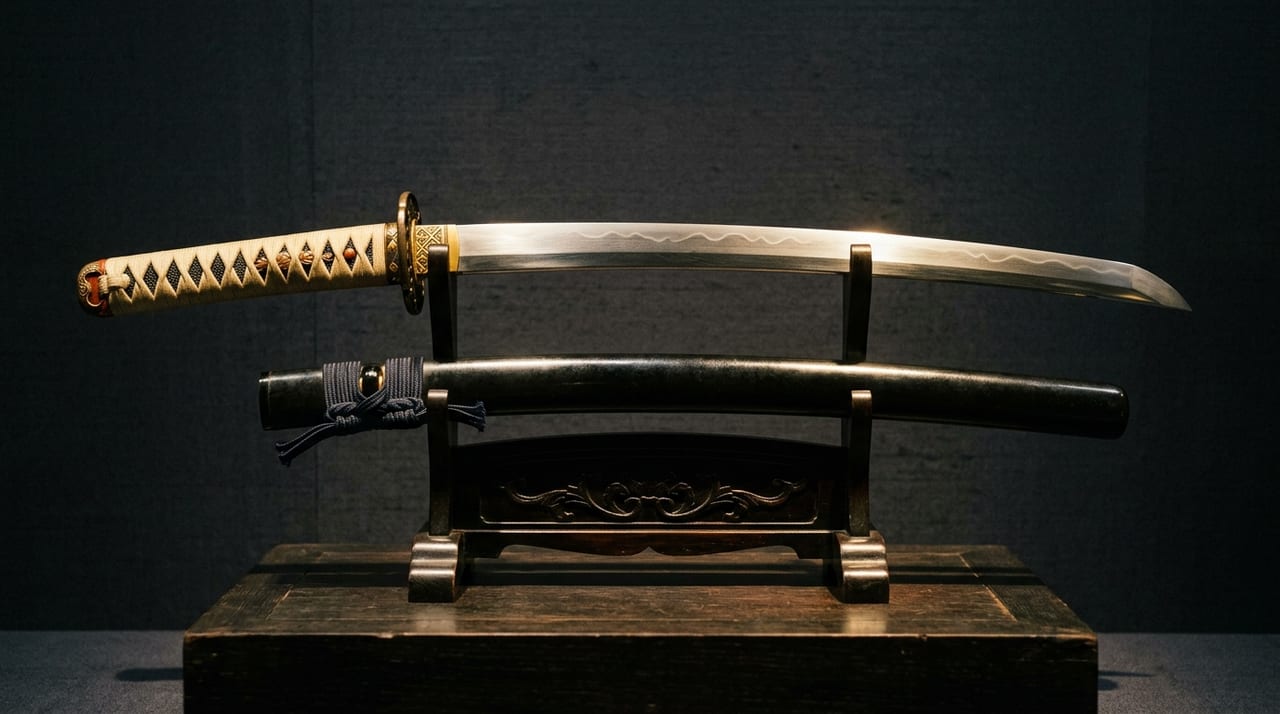 * Image is for illustrative purposes only.
Table of Contents
Why Tsuba (Guard) is Gaining Attention as an Entry Point to Collections
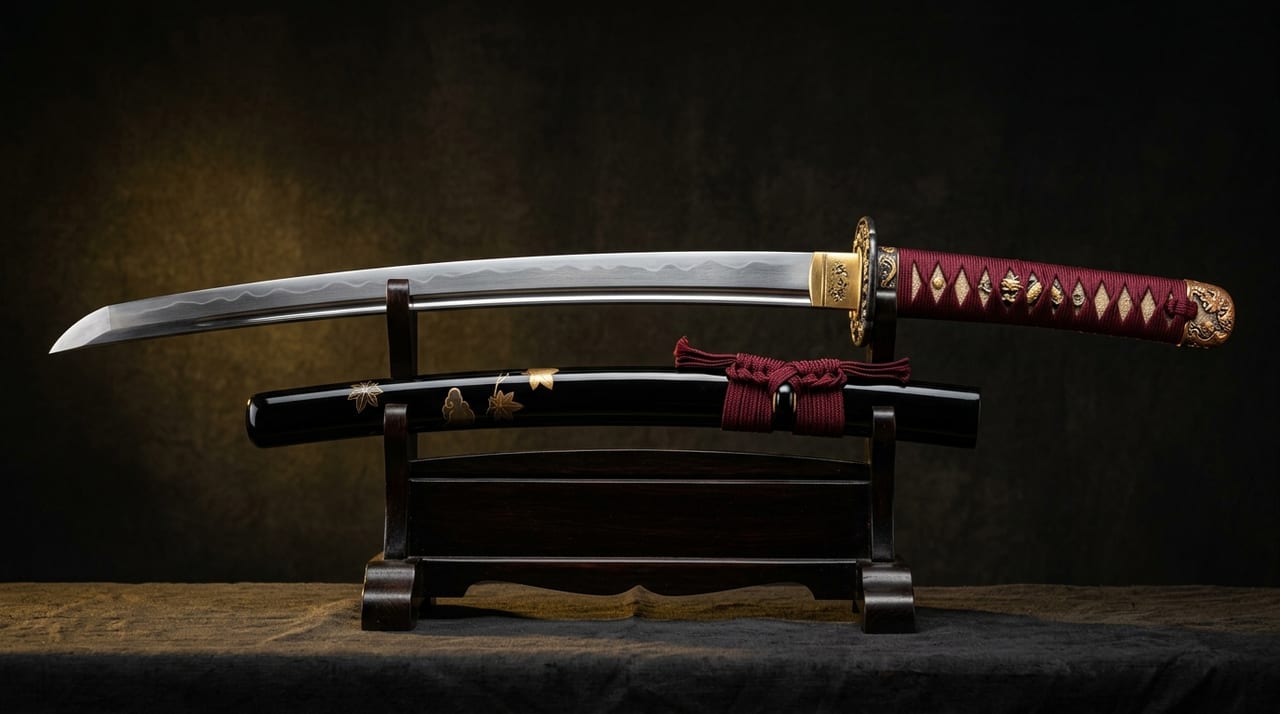
Japanese swords themselves are expensive, ranging from several hundred thousand to several million yen per blade, and require considerable storage and maintenance effort. Tsuba, on the other hand, can often be acquired starting from tens of thousands of yen, are compact and easy to store, and are artworks that embody the essence of Japanese metalworking and iron-working technique. For this reason, collectors both domestically and internationally are increasingly enjoying tsuba collections as a preliminary step before purchasing an entire sword, or as an independent collecting genre.
Valuation in overseas markets is also high. Western auction houses maintain consistent demand for Japanese sword fittings (tsuba, menuki, fuchi-kashira), and particularly the highly decorative metalwork from the Edo period enjoys steady popularity within the Asian Art category.
The 2026 Tsuba Market—Price Ranges and Distribution Channels
The current tsuba market is divided into several tiers.
| Tier | Characteristics |
|---|---|
| Beginner (¥30,000–¥300,000) | Mass-produced works from Edo period Shoami and Higo metalworkers, unsigned iron tsuba, and decorative tsuba from Nagoya and Osaka schools whose period can be identified. Well-preserved examples offer high viewing value and learning benefit. |
| Intermediate (¥300,000–¥1,500,000) | Fine works by signed Shoami, Umetada, and Higo metalworkers; Goto family metalwork tsuba; tsuba with NBTHK (Japan Art Sword Preservation Society) Special Preservation or Preservation certification. High reliability and expectation of value retention. |
| Advanced (¥1,500,000+) | Important Designated Sword Fittings, tsuba equivalent to Important Art Objects (jūyō bijutsuhin) from the Old Sword period, signed masterworks by renowned masters. Circulated through antique markets, specialist dealers, and auctions. |
Distribution channels include the following:
- Sword specialty shops (Tokyo, Osaka, Kyoto)
- Sword fairs across Japan (held several times per year)
- Internet auctions (Yahoo Auctions, sword specialty sites)
- International auctions (Christie's, Bonhams, etc.)
Primary Schools and Identification Methods for Beginners
When beginning tsuba collecting, the five primary schools to understand first are as follows:
- Shoami School (Shōami-ha): The largest group of tsuba makers that spread nationwide from the late Muromachi through the Edo period. With branches in various regions (Kyoto, Edo, Nagoya, Kaga, etc.), their works feature diverse pierced and carved designs on iron grounds. With many mass-produced examples, this is an accessible school for collectors.
- Higo Metalworkers (Higokinkou): A collective term for the metalworkers who served the Kumamoto domain (Higo Province). Known lineages include Hayashi, Nishigaki, Hirata, and Shimizu. Their characteristic iron tsuba display a rugged, utilitarian aesthetic. Their work embodies the samurai spirit of the Hosokawa domain and is valued for its austere and robust beauty.
- Umetada School (Umetada-ha): A prominent metalworking and sword-making group representing Kyoto from the Azuchi-Momoyama through early Edo periods. They created highly decorative tsuba notable for their skilled carving and inlay work. Umetada Myōju was also renowned as a sword maker.
- Goto Family (Gotoke): A prominent lineage of metalworkers dating to the Muromachi period. Renowned for unified designs across complete sword fittings (tsuba, menuki, fuchi-kashira, kozuka), they are characterized by precise work in gold and shakudō. Pure Goto family tsuba are rare and expensive.
- Nara Metalworkers (Narakinkou): A group of decorative metalworkers active primarily in Nara during the mid-Edo period. Known figures include Sugiura Jōi, Nara Toshinaga, and Tsuchiya Yasuchika. They are characterized by realistic carving and high decorative sensibility.
NBTHK Certification System and Tsuba Value Assessment
When objectively assessing tsuba value, the NBTHK (Japan Art Sword Preservation Society) certification system for sword fittings serves as an important standard.
| Rank | Description |
|---|---|
| Preservation Certified Sword Fittings | The most basic certificate issued to sword fittings authenticated as genuine works. |
| Special Preservation Certified Sword Fittings | Issued to particularly outstanding examples among Preservation Certified works. |
| Important Certified Sword Fittings | A higher rank than Special Preservation, awarded to works receiving high evaluation as artworks. |
| Special Important Certified Sword Fittings | The highest ranking. Evaluated on par with National Treasures and Important Art Objects. |
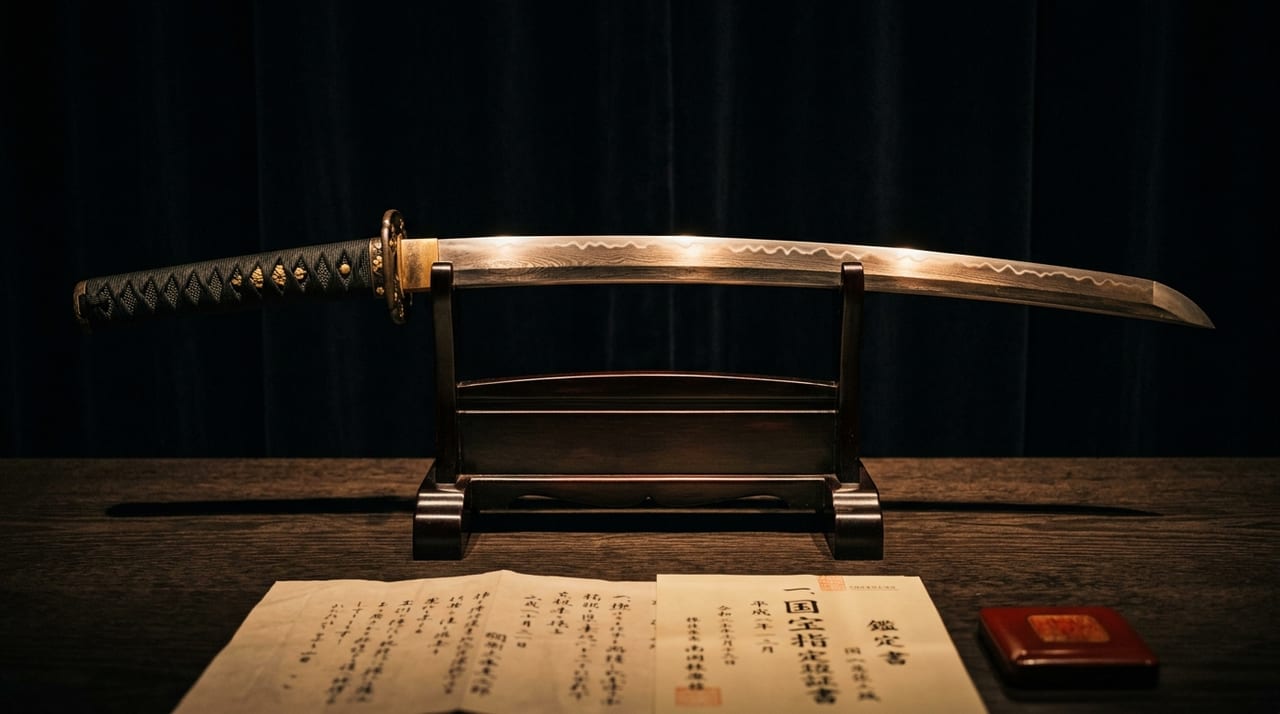
Tsuba that pass NBTHK certification gain dramatically increased authenticity reliability and market value. For collectors, the presence or absence of certification documentation becomes a critical criterion in purchase decisions.
Practical Advice for Tsuba Collecting
A summary of advice to help beginners avoid common pitfalls:
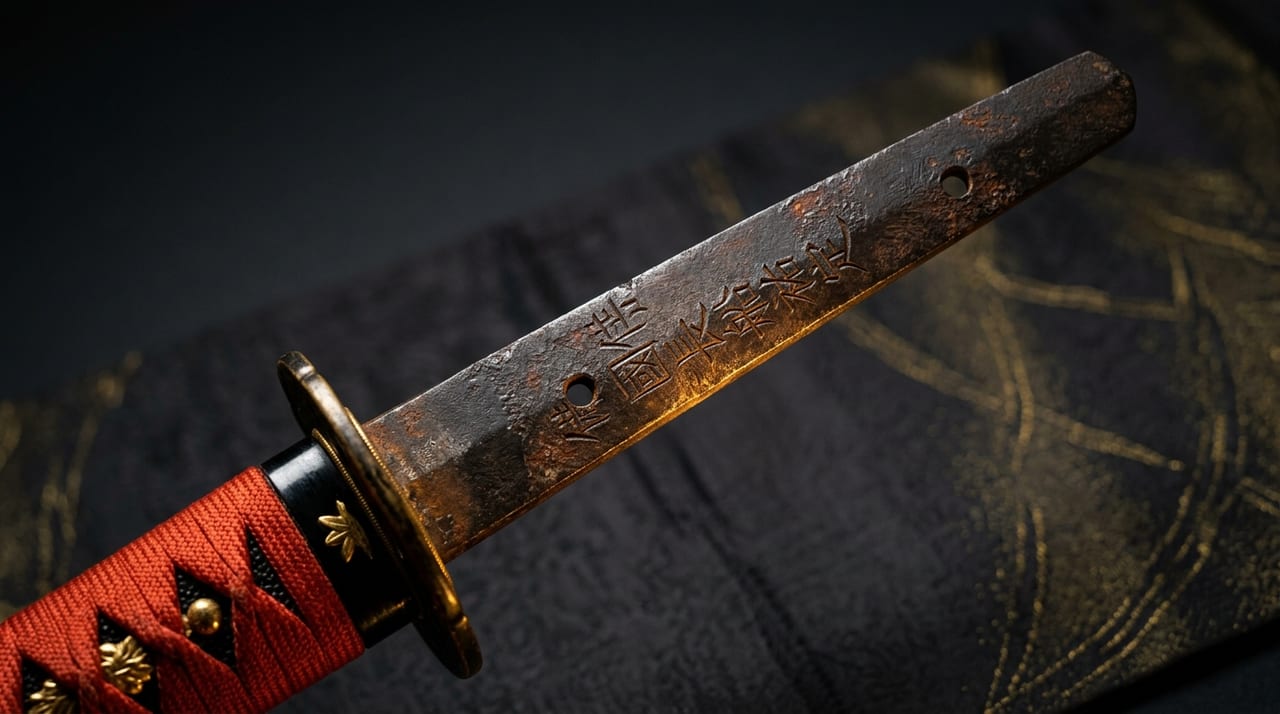
- View the object in person first: Do not judge from photographs alone. Whenever possible, handle the piece yourself and confirm the iron's texture, condition of patina, and sharpness of carving with your own eyes and hands. Make active use of opportunities to attend sword fairs and exhibitions.
- Prioritize learning schools and periods: Before considering price, study the characteristics of each school and key appreciation points through books and exhibitions. The sword fitting collections at the Tokyo National Museum and Kyoto National Museum are invaluable teaching resources.
- Prioritize condition: Verify the presence or absence of corrosion, chips, and later repairs (areas restored after aging). Tsuba with extensive later repairs may see dramatically reduced value.
- Purchase from trustworthy sellers: Utilize specialty dealers holding sword dealer licenses or dealers affiliated with the National Sword Merchants Association (Zentōshō) to minimize risks of counterfeits and overvaluation.
Conclusion—The Essence of Tsuba Collecting
The essence of tsuba collecting lies in how Japanese craftsmanship, history, and aesthetic sensibility are condensed into a compact size that fits in the palm of the hand. From the rugged beauty of Old Sword period iron grounds to the delicate decoration that Edo period metalworkers competed to create—the diversity of expression never fails to captivate viewers. As a collection of small artworks and as a deep gateway into Japanese sword culture, the world of tsuba continues to fascinate enthusiasts both domestically and internationally.