2026 Nihontō Export Trends: The "Traditional Blade" the World Demands
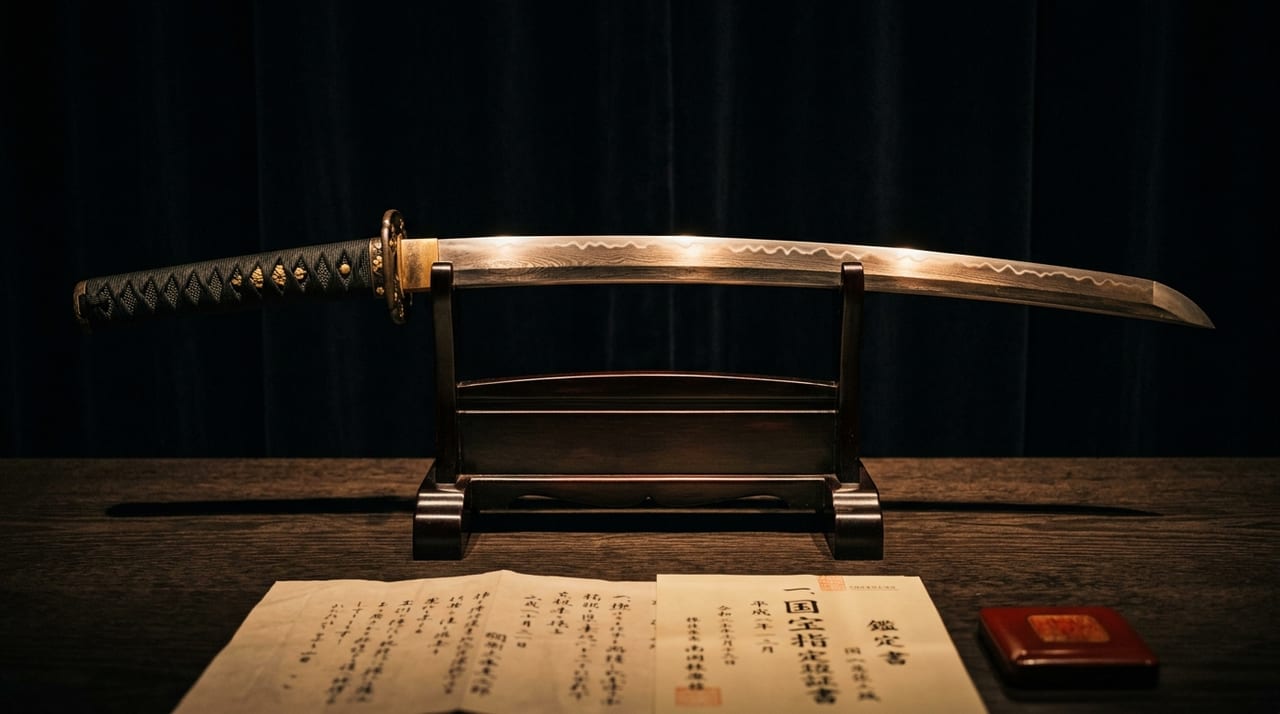 * Image is for illustrative purposes only.
Table of Contents
What Is a Nihontō — Background Knowledge for Understanding the Export Market
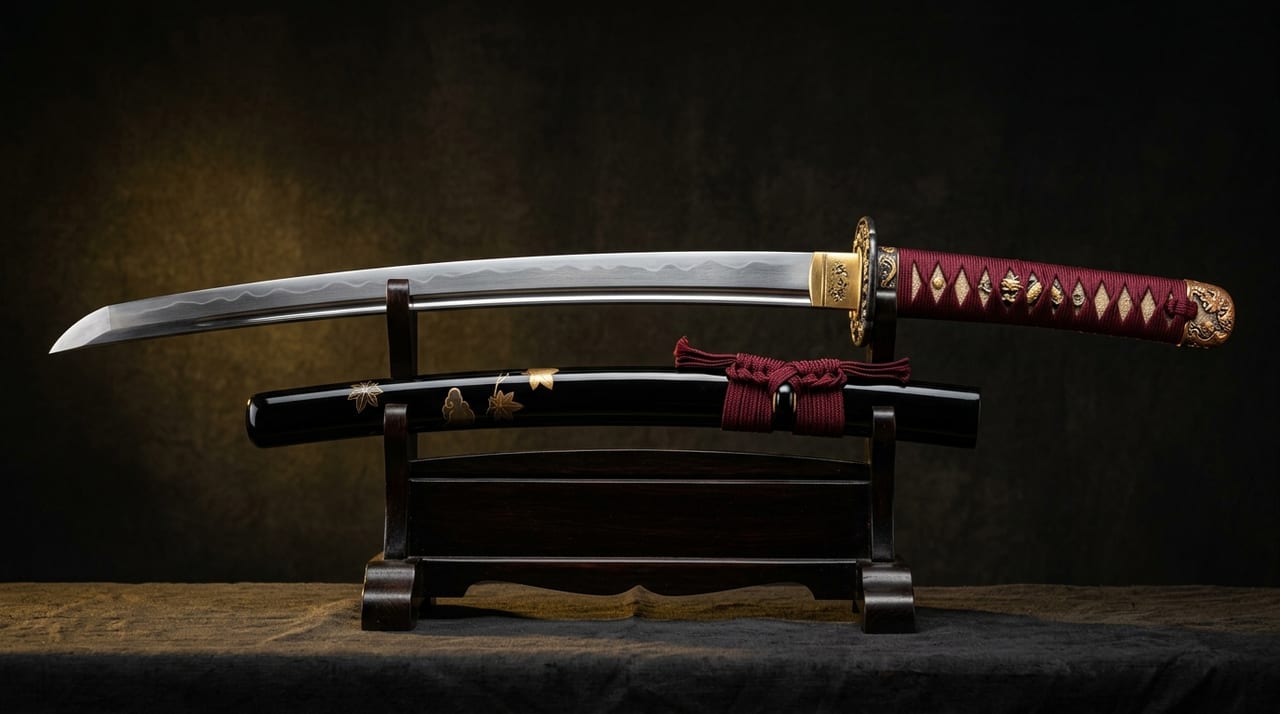
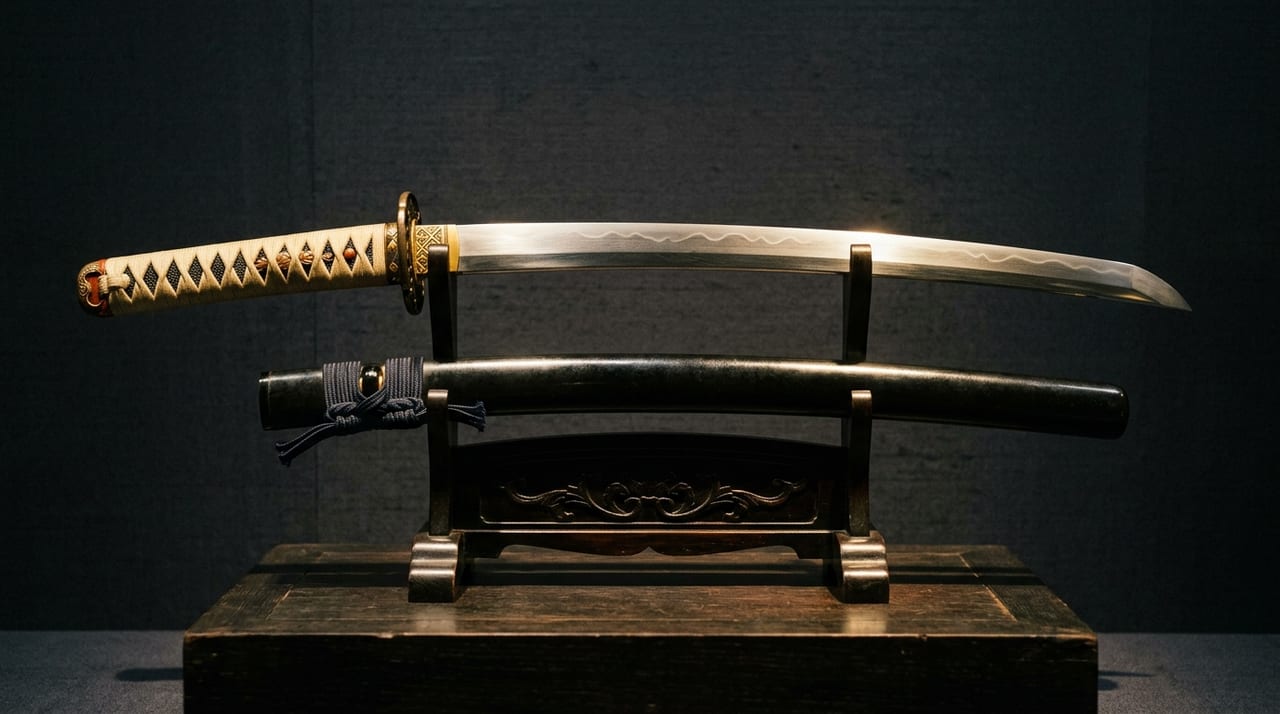
A nihontō is not merely a bladed tool; it is treated as a "work of art" subject to Japan's Act on Protection of Cultural Properties. To produce a nihontō as a work of art in contemporary Japan, approval must be obtained for each sword from the Board of Education of the prefecture in which the tōshō (swordsmith) resides. For a tōshō seeking approval for the first time, the Director-General of the Agency for Cultural Affairs confirms that the applicant has continued to hone their skills for five or more years under a previously approved tōshō, or has completed training conducted by the Director-General, before granting approval (Act for Controlling the Possession of Firearms or Swords and Other Such Weapons (Jūtōhō) (e-Gov Law Search) Article 18-2; Rules for Approval of Manufacture of Art Swords (e-Gov Law Search) Article 2). To complete a single sword, a special steel called tamahagane must be used, and the process requires several weeks of tanren (forging), polishing, and koshirae (mounting).
For export purposes, the prerequisite in Japan is the existence of a registration certificate issued under the Act for Controlling the Possession of Firearms or Swords and Other Such Weapons (Firearms and Swords Control Act (Jūtōhō)). Since unregistered swords may not in principle be possessed within Japan (Firearms and Swords Control Act (Jūtōhō) Article 3, Paragraph 1), all swords in legitimate circulation have been registered with a prefectural Board of Education and are accompanied by a registration certificate. When taking a sword abroad, an Export Inspection Certificate for Antique Works of Art from the Agency for Cultural Affairs must be obtained; since the registration certificate becomes invalid at the point it is taken outside Japan, it must be returned to the prefectural Board of Education where it was registered (Tokyo Metropolitan Board of Education, "When Exporting Firearms or Swords"). Swords designated as kokuhō (National Treasures), jūyō bunkazai (Important Cultural Properties), jūyō bijutsuhin (Important Art Objects), and the like may not in principle be exported (Agency for Cultural Affairs, "Export Inspection Certificate for Antique Works of Art"). Grasping this institutional background is the first step toward an accurate understanding of the export market.
Growing Collector Demand Across Europe, the Americas, and Asia
Since the 2020s, overseas demand for nihontō has been expanding steadily. In Europe and the Americas, interest in "katana" has historically been strong, with the samurai film boom of the 1980s–1990s and the spread of martial arts (kendō and iaidō) having laid the groundwork. More recently, Japanese anime and game content ("Kimetsu no Yaiba," Ghost of Tsushima, etc.) has been drawing younger generations toward nihontō. It should be noted, however, that demand originating from such derivative works is centered more on gendaitō (swords produced by currently active tōshō) and art swords than on antique craftsmanship swords.
In Asian markets, the presence of wealthy collectors concentrated primarily in Taiwan, Hong Kong, and Singapore is growing. Legitimate individual importation in mainland China is difficult due to the import regulations described below, but in Southeast Asia there is also a trend of viewing nihontō as an "alternative asset" for inheritance and wealth preservation purposes. In South Korea, historical circumstances lend social sensitivity to importing nihontō, yet demand has been confirmed among some martial artists and art-investment collectors.
According to officials at the Japan Sword Dealers Cooperative Association (Zentōshō), the industry association, the number of inquiries from overseas buyers has shown a marked upward trend since 2022, with particularly notable interest from the United States, Germany, France, and Australia.
Import Regulations in Each Country — The Risk of a Transaction Being Voided If You Are Unaware
When exporting and importing nihontō, the regulations of the destination country can present a significant barrier. Let us summarize the situation in the major countries.
| Country/Region | Overview of Regulations |
|---|---|
| United States | There is no federal law that uniformly prohibits the importation of swords, and regulations regarding blade length and the like are left to state law. States such as California have regulations concerning concealed carry, but storage in the home and collection as works of art are legal in most states. However, declaration to U.S. Customs and Border Protection (CBP) is required at the time of import, and customs treatment depends on the classification of the item. |
| Germany / EU | The EU weapons directive (Directive (EU) 2021/555) regulates firearms as a distinct category; weapons other than firearms, such as swords, are governed by the domestic law of each member state (EUR-Lex, "Directive (EU) 2021/555" Annex I). In Germany, domestic law (Waffengesetz) prohibits the carrying of cutting and thrusting weapons (Hieb- und Stoßwaffen), except when transported in a closed container or when there is a legitimate interest (Waffengesetz §42a), making home storage and treatment as works of art the general rule. |
| China | Swords and bladed weapons are subject to regulation in China, and it is practically extremely difficult for an individual to import a nihontō through official channels. For this reason, transactions destined for China often go through Hong Kong or are conducted via local companies, and this carries the risk of gray-area dealings. |
| Australia | In Australia, whether a permit is required to import a sword and what conditions apply to possession depend on the type of weapon and the laws of each state and territory. Because the procedures are complex, transactions through specialist dealers are recommended. |
The existence of these complex legal regulations raises the barriers to entry in the nihontō export business while at the same time generating demand for specialist dealers who are well-versed in regulatory compliance.
The Rise of Online Sales Platforms and Their Challenges
The role of the internet in overseas sales of nihontō has grown year by year. Whereas direct face-to-face transactions at domestic sword dealers and antique markets were previously the mainstream, transactions between individuals via platforms such as eBay, Etsy, and Yahoo! Auctions increased from the latter half of the 2010s. Furthermore, in the 2020s, the development of specialized auction sites focused on nihontō and cross-border e-commerce platforms has been advancing.
Even within Japan, web media such as Tōken World have been strengthening their content for overseas audiences, with information dissemination in English and Chinese becoming more active. Cases in which overseas buyers research in advance and contact reliable domestic dealers directly have also increased.
However, challenges unique to online transactions also exist.
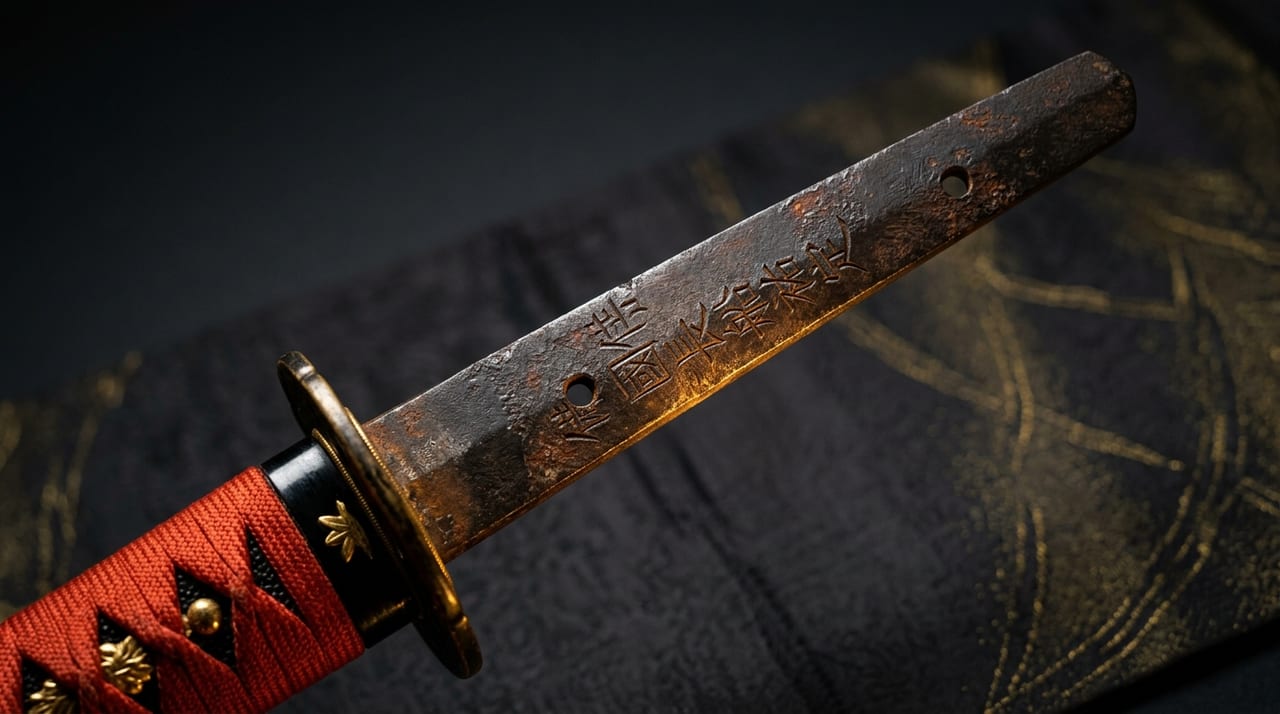
- The problem of authentication: The value of a nihontō depends on the tōkō (swordsmith), the period, the condition, and the presence or absence of accessories (koshirae and registration certificate), but accurately assessing these from photographs alone is difficult even for experts.
- Legal risks in international shipping: There is a risk that a sword may be confiscated or seized due to failure to obtain the Export Inspection Certificate for Antique Works of Art or due to customs problems in the destination country.
- Payment problems and fraud risk: Because these are high-value items, reports of damage from unauthorized credit card use and the sending of counterfeit goods are occasionally seen on overseas forums.
To address these challenges, some dealers have introduced "escrow services" and "transactions with a third-party kanteisho," and industry-wide efforts to ensure reliability are advancing.
The Impact of Yen Depreciation on Nihontō Exports
Since 2022, the Japanese yen has fallen sharply against the US dollar and the euro, and historically low yen levels have continued through 2024–2026. This currency trend has affected the nihontō export market in two ways.
- Improved price competitiveness: For example, a sword priced at 1,000,000 yen on the domestic market could be purchased for approximately $9,090 before yen depreciation (when 1 USD = 110 yen), compared to approximately $6,667 at 1 USD = 150 yen. For overseas buyers, nihontō has in effect become "cheaper," and this is stimulating purchasing motivation. In the antique and art market, there is a notable movement of European and American buyers visiting auction houses and sword dealers across Japan, seizing on yen depreciation as an opportunity.
- Concern over the outflow of inventory overseas: Within Japan, there is a growing sense of alarm that masterworks and kotō (swords made before the Muromachi period) are flowing overseas as a result of yen depreciation. The Agency for Cultural Affairs and Zentōshō take the position that nihontō of high cultural property value should be prioritized for preservation and transmission within Japan. It should be noted that the Act for the Preservation of Important Art Objects, Etc., which served as the basis for recognition as jūyō bijutsuhin, was abolished with the enactment of the Act on Protection of Cultural Properties, and its effect remains only for items that had already been recognized, for the time being (Act on Protection of Cultural Properties (e-Gov Law Search) Supplementary Provisions Articles 2 and 4). New recognition as jūyō bijutsuhin can no longer be granted.
The prevailing view among industry experts is that "yen depreciation is a temporary tailwind, and the key to a long-term export strategy is to use that period to cultivate customers in overseas markets and build relationships of trust." Beyond mere price advantage, accurately conveying the cultural value and technical background of nihontō is considered indispensable for a sustainable export business.
The Outlook for the Export Market as Envisioned by Sword Industry Experts
When considering the future of nihontō exports, what industry figures commonly point to is the importance of "eliminating the information asymmetry." At present, many potential buyers overseas have poor access to basic information such as "where to buy," "what criteria to use for selection," and "how to import." To fill this gap, a growing number of dealers are investing in the production of educational content in English, Chinese, and Korean.
On the technical side, research into provenance management for swords using blockchain and AI-assisted tools for reading tōkō mei is advancing both in Japan and overseas. If such technologies become widespread, they are expected to contribute to improving the reliability of online transactions.
On the other hand, there is also a structural problem in that the training of new tōshō is not keeping pace. The number of active tōshō has been on a long-term declining trend, and it has been pointed out that the supply of high-quality gendaitō may not be able to keep up with demand. While this creates upward price pressure, it also works in the direction of pushing up the value of kotō and used swords on the antique market.
In terms of export regulations, raising the international standing of legitimate nihontō trade while maintaining consistency with the framework of UNESCO's Convention on the Means of Prohibiting and Preventing the Illicit Import, Export and Transfer of Ownership of Cultural Property (the 1970 Convention) has become the long-term goal of the industry as a whole.
Nihontō continue to attract attention from the world as embodiments of Japan's traditional techniques and spiritual culture, transcending the status of mere collector's items. The expansion of their export market holds potential to contribute to Japan's cultural diplomacy as well, under an appropriate framework of regulation and information sharing.