Japanese Swords and the Next Generation: The Future of Nihontō Culture in the Digital Age
 * Image is for illustrative purposes only.
Table of Contents
The Reality of the "Sword Boom" Ignited by Games and Anime
The browser game Tōken Ranbu -ONLINE-, released in 2015, became a historic turning point in the popularization of nihontō culture. The game, featuring anthropomorphized characters based on famous swords, gained explosive popularity primarily among women in their twenties and thirties, drawing people who had previously had little connection to swords toward museums and sword dealers. Some museums held sword exhibitions in collaboration with the game, and young visitors began to appear.
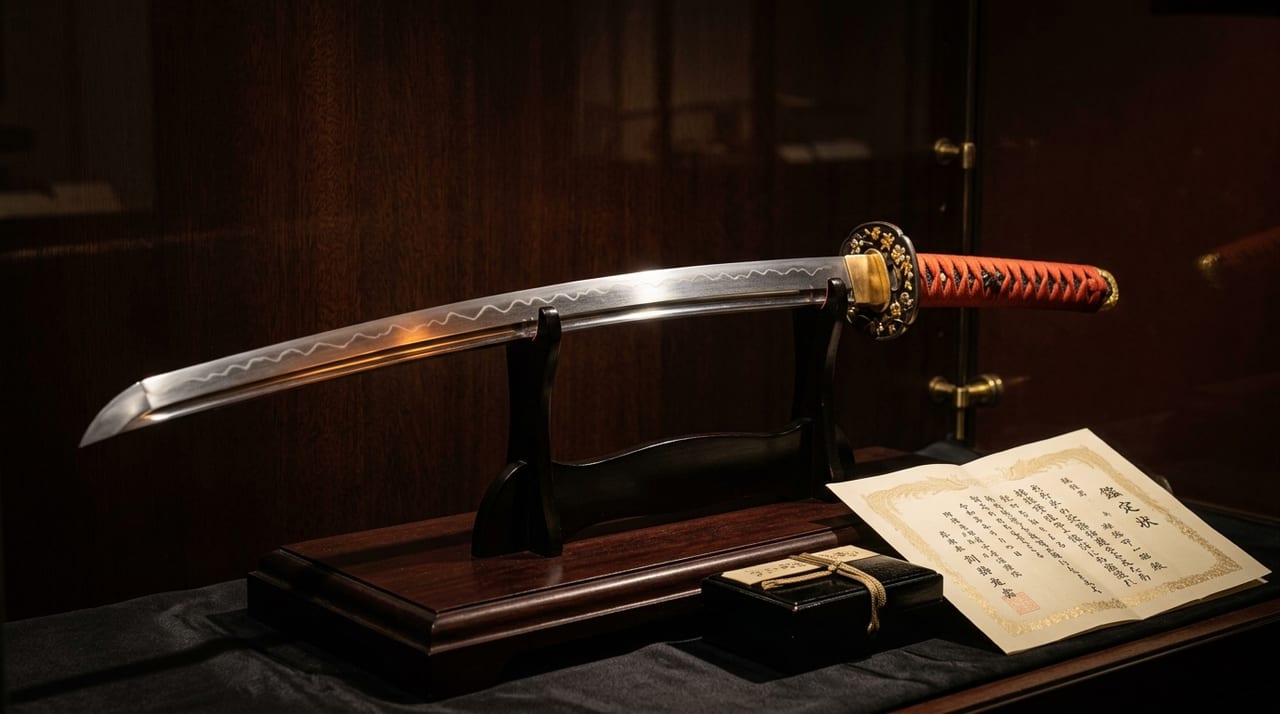
This movement did not remain a mere "game boom." Some of the young people who encountered real swords through the game were captivated by the beauty of the hamon, the depth of the jigane, and the intricacy of kaji craft, and began walking the path toward becoming serious collectors and researchers. Combined with media mix expansions into anime and stage productions, nihontō is gradually reshaping its image from "an inaccessible weapon and art object" to "a familiar symbol of historical culture." On social media, sword-related hashtags continue to spread among younger generations, and the speed of information transmission is incomparable to that of traditional sword specialty magazines or word of mouth.
The "Entry Barrier" Facing Young Enthusiasts
Entering the world of swords comes with unique hurdles. On the legal side, in Japan under the Act for Controlling the Possession of Firearms or Swords and Other Such Weapons (Jūtōhō), only art swords registered with the Board of Education may be possessed, and prescribed notification procedures are required for transfer and sale. The complexity of these procedures creates both psychological and practical barriers for beginners.
Moreover, specialized knowledge such as authentication, evaluation criteria, appraisal, togi, and maintenance is difficult to acquire through self-study. The NBTHK (Society for the Preservation of Japanese Art Swords) classification system of Tokubetsu Jūyō Tōken, Jūyō Tōken, Tokubetsu Hozon Tōken, and Hozon Tōken, as well as the cultural property designation system, is also difficult to grasp in its entirety without systematic study.
In response to these challenges, in recent years sword dealers and preservation societies across the country have been developing introductory programs, including workshops for beginners. The Japanese Sword Museum (Sumida, Tokyo) regularly holds appreciation seminars where participants can handle actual swords and learn the fundamentals. Through experiences of "touching, learning, and connecting," the base of young enthusiasts is steadily expanding.
How Online Communities Have Transformed Information Sharing
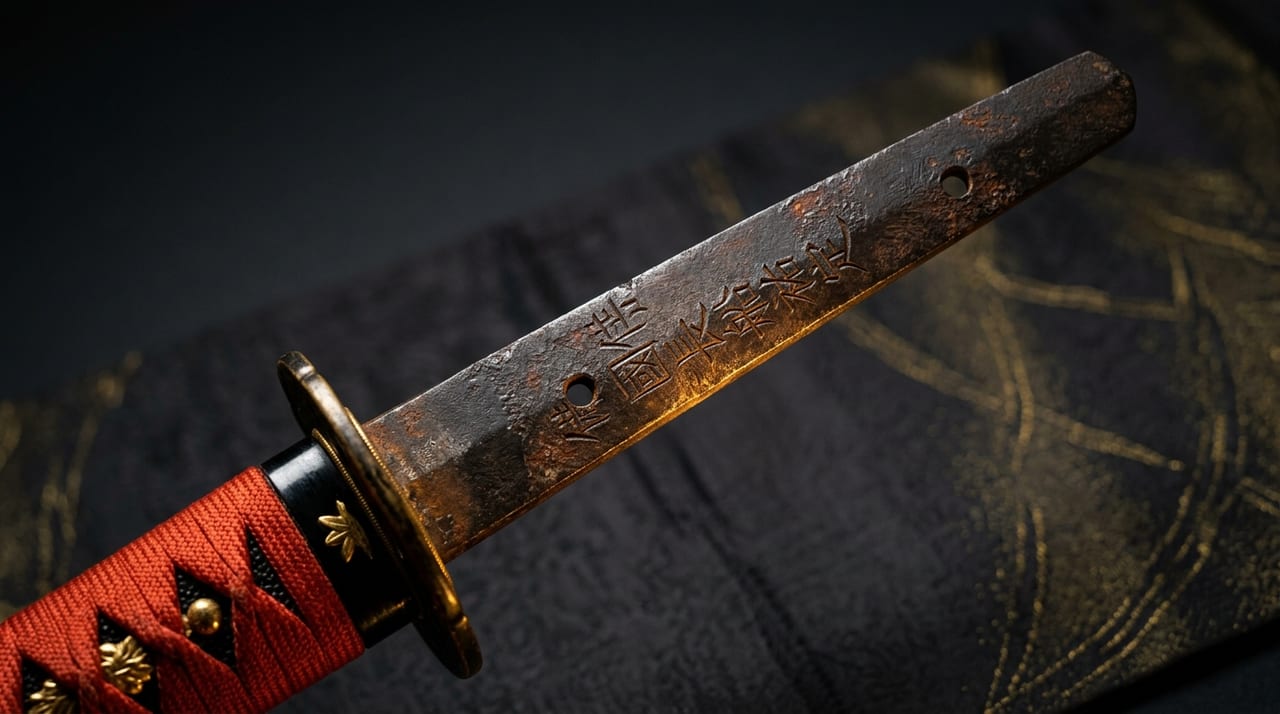
The spread of social media has fundamentally transformed the structure of the sword community. Sword dealers and appraisers sharing content on YouTube and Instagram — covering types of hamon, how to read the mei on a nakago, and demonstrations of maintenance — has made it possible for people living in rural areas and overseas enthusiasts to access the latest knowledge and market trends.
In informal communities using platforms such as Discord, experienced enthusiasts and beginners interact directly, with lively discussion of purchasing consultations, appraisal consultations, and historical analysis. These grassroots communities complement the formal services of specialists while fostering lateral connections among enthusiasts.
The connection with overseas is also significant. Interest in "nihonto" remains strong, particularly in English-speaking regions, and information sharing with overseas collectors is bringing new perspectives to the domestic market. Through participation in international online sales and overseas auctions, the nihontō market is steadily expanding across national borders.
Transmission of Traditional Techniques and the Development of the Next Generation of Tōshō
When speaking about the future of sword culture, one cannot avoid the issue of succession for tōshō (swordsmith). After World War II, the tradition of nihontō forging was brought to the brink of extinction by the GHQ's ban on sword manufacture (1945–1953). After the ban was lifted in 1953, sword-making continued under a system in which approval must be obtained for each sword made (today, Act for Controlling the Possession of Firearms or Swords and Other Such Weapons (e-Gov Law Search), Article 18-2), but the number of active tōshō across Japan today remains limited.
When young people aspire to become tōshō, they must apprentice under a tōshō who has previously received production approval, refine their skills there for at least five consecutive years, complete the training conducted by the Commissioner for Cultural Affairs, and then receive their first production approval (Rules on Approval of the Production of Art Swords (e-Gov Law Search), Article 2). At the same time, among young tōshō, some have begun sharing the forging process on social media and opening hands-on workshops for the general public in an effort to broaden the audience, giving rise to a new current where tradition and innovation intersect. Open exhibitions such as the annual New Masterwork Sword Exhibition serve as a gateway for young tōshō, and a foundation for supporting the development of the next generation across the entire industry is steadily taking shape.
A Path toward Sustainable Sword Culture
For the sword industry to sustain itself over the long term, three pillars are indispensable.
- "Expanding the collector base": The most important priority is to promote the distribution of more accessible price ranges such as gendaitō and Hozon Tōken class swords, to develop experiential events, and to make that "entry point" visible to younger generations.
- "Developing specialist personnel": Address the succession problem for peripheral craftspeople in fields such as appraisal, togi, and koshirae making, and establish a comprehensive personnel development program utilizing subsidy systems from local governments and foundations.
- "Democratizing information access": Advance the development of digital archives for swords, build a database of sword photographs, provenance, and appraisal records, and create an environment that both researchers and enthusiasts can reference.
Building such an environment will simultaneously enhance academic value and market transparency, and accelerate the transmission of knowledge to the next generation.
The process whereby young people of the digital age encounter sword culture through games and anime as an entry point, and are eventually captivated by the beauty of real hamon and the weight of history — this process can become a new model case for the popularization of traditional culture. Building an ecosystem that is "easy to enter, sustains continuous learning, and can be passed on to the next generation" through the cooperation of industry stakeholders, cultural institutions, and enthusiast communities — that is surely the greatest key to handing down a thousand years of sword culture to the next generation.