Films and Nihontō — Truth and Fiction of Swords on Screen
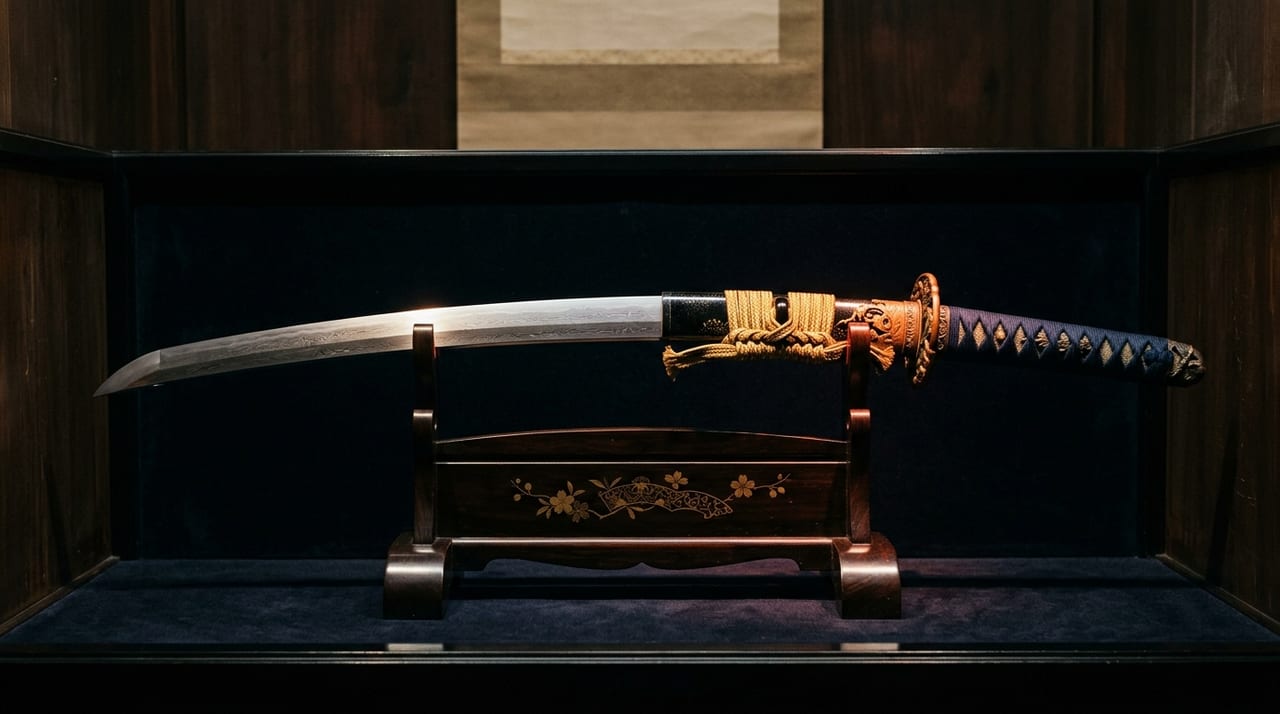 * Image is for illustrative purposes only.
Table of Contents
The World of Nihontō as Depicted in Film
Nihontō have always commanded a powerful presence on the cinematic stage. From the historic masterworks of Kurosawa Akira to contemporary Hollywood action films, nihontō are depicted in a wide variety of ways on screen. Yet given the nature of film as an art form, expressions that prioritize visual impact and dramatic effect are found throughout, and there are no small number of ways in which these portrayals differ greatly from the reality of genuine nihontō. Comparing cinematic depictions with the reality of nihontō both deepens one's understanding of swords and leads to a richer enjoyment of film as a creative medium.
Kurosawa Akira's Films and the Truth of the Sword
Director Kurosawa Akira's "Seven Samurai" (1954) and "Yojimbo" (1961) have long been highly regarded worldwide for their realism in depicting nihontō. The tate in Kurosawa's films was staged through meticulous study of actual koryū kenjutsu and iai movements, and the weight and quality of the swords' motion set them apart from other films. The actors handle the sword as a living tool, which gives the footage a distinctive realism. This sincere approach had an enormous influence on subsequent generations of filmmakers and raised the aesthetic standard for films featuring swords. The details of sword presentation in Kurosawa's films are explored further in Kurosawa Akira's Films and Nihontō. When you hold a real sword after watching a Kurosawa film, you gain a deeper understanding of just how faithfully those films sought to reproduce the weight and texture of the sword.
Hollywood and the Influence of Nihontō
George Lucas has openly acknowledged his deep debt to Kurosawa's films, and that influence is clearly evident in the lightsaber duels of the "Star Wars" series. The tate of the lightsaber fights, based on movements from kendo, iai, and koryū kenjutsu, is a fine example of how Japanese sword culture has come to wield global cultural influence. In director Tarantino's "Kill Bill" (2003–2004), the nihontō forged by Hattori Hanzō is placed at the heart of the story, giving the sword a unique position as not merely a weapon but the protagonist of the narrative. There are many other examples of nihontō functioning as a special cultural symbol in Western cinema, proof that the universal beauty and powerful individuality of nihontō are recognized throughout the world.
The "Lies" and "Truths" of Swords as Depicted in Film
Films feature scenes of swords slicing through iron gates or cleaving stone pillars in two. This is exaggeration for visual impact and bears no resemblance to the reality of nihontō. Nihontō are extremely finely engineered cutting tools, optimized for efficiently cutting through the human body, but they chip when they come into contact with hard inorganic materials. The sound effects unique to film — the exaggerated drawing sound "shakīn" — are also entirely fictional. The actual sound of drawing a sword is no more than a faint whisper of metal parting the air. Yet these "lies" are a rational choice within the expressive form of film for moving the audience's emotions, and they are not something to be criticized as film art.
Key Points for Distinguishing Film Swords from Real Ones
Knowing the differences between the swords that appear in films and genuine nihontō that are treated as works of art or collectibles allows you to enjoy films more deeply while also serving as a guide when choosing a real sword.
- Most swords used in tate are replica swords (mozōtō, also called mogitō) made from resin, aluminum, or similar materials to protect the safety of actors and crew, and they are not given a sharp edge like a real blade.
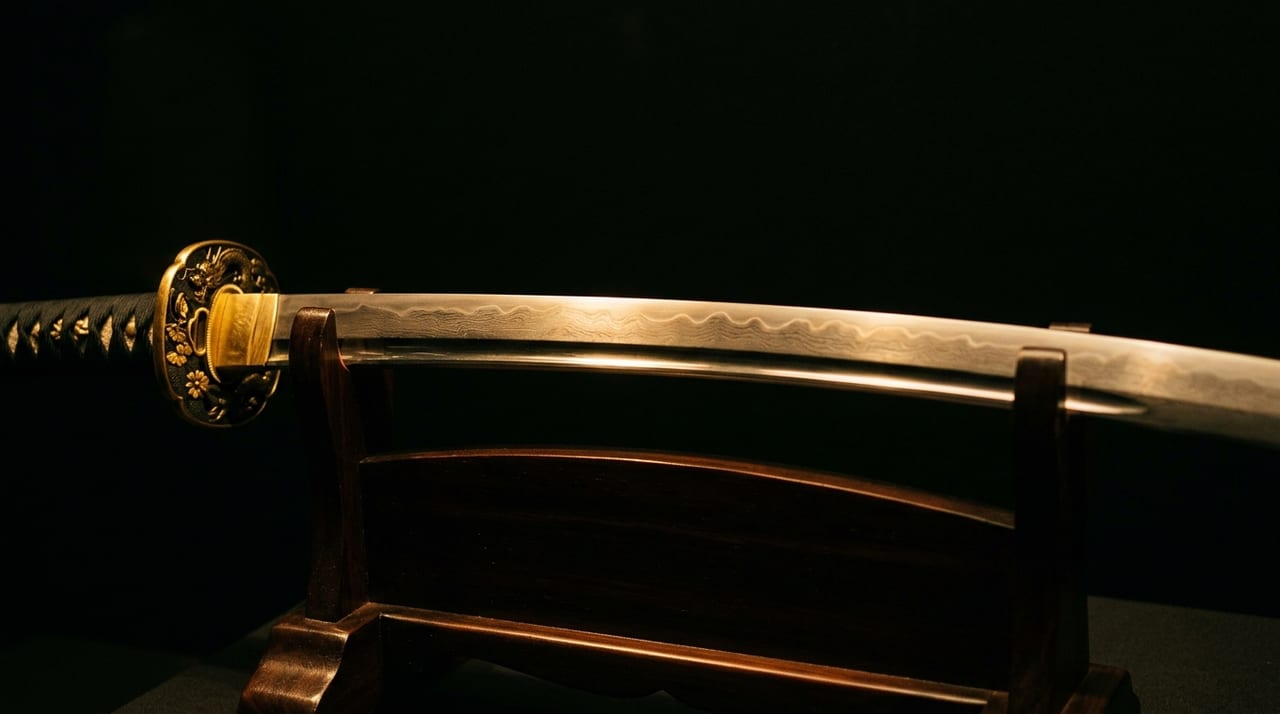
- Genuine nihontō have a distinctive visual character born from the activity of the jigane (steel of the blade surface) and the hamon (temper line) produced through tanren (forging) and yaki-ire (quenching), aspects that cannot be reproduced in footage or in replica swords.
- When appreciating or collecting genuine nihontō, the presence or absence of a kanteisho (appraisal certificate) issued by an appraisal body such as NBTHK (Society for the Preservation of Japanese Art Swords) is an important clue for determining authenticity and provenance.
- Most of the metallic clashing sounds and impact sounds when blades meet in films are sound effects added for dramatic effect; in reality, forcefully striking swords against each other is avoided as it leads to chipping and warping of the blade.
- Replica swords used in tate are often made lightweight to make the actors' movements look larger, and they differ from the unique weight balance of a real nihontō and the feel of gripping the tsuka (hilt). Once you know the weight of the real thing and go back to watch the film, you begin to notice how the tate choreographer expresses the sword's weight through performance.
The Role Film Has Played in the Spread of Nihontō Culture
Film is one of the greatest promotional media for nihontō culture. Countless people around the world have been captivated by "Seven Samurai" or "Kill Bill," developed an interest in nihontō, and stepped into the world of appreciation and collecting. Even where cinematic depictions differ from the real thing, their role as a gateway to the beauty of nihontō is immeasurable. The world of sword props that support film sets is covered in detail in The Sword Prop Industry for Film and Period Drama. Please do let your encounter with swords through film develop into a real appreciation experience.
When you have the opportunity to handle a genuine nihontō, it is also important to know the basics of handling — such as not touching the blade directly with bare hands. This is because the oils from your hands can adhere to the blade and cause rusting. Visiting a sword shop or an appreciation event hosted by a sword shop, prompted by your interest in film, and learning the correct way to handle swords from an expert is also a first step toward a long relationship with genuine nihontō. By handling a real sword while recalling the movements you saw in a film, the differences between theatrical presentation and reality should become more concretely apparent.
As a Bridge Between Film and Reality
Film vividly illuminates one facet of nihontō, while reality offers a depth that film cannot reach. These two experiences are complementary, and without either of them one cannot fully enjoy the rich world of nihontō. After being moved by the swords of film, try experiencing for yourself the weight, the gleam, and the historical gravity of the real thing. There is something there that film can never fully convey, and that is the essence of what nihontō are. When you go back to watch a film with genuine knowledge and sensibility, you will begin to see more clearly the expressive ingenuity of the director and the tate choreographer. The interest that began in the world of film eventually developing into real appreciation and collecting — that too is one path for enjoying nihontō culture.