Inbound Tourism and the Japanese Sword Industry: From Blacksmith Visits to Legal Procedures
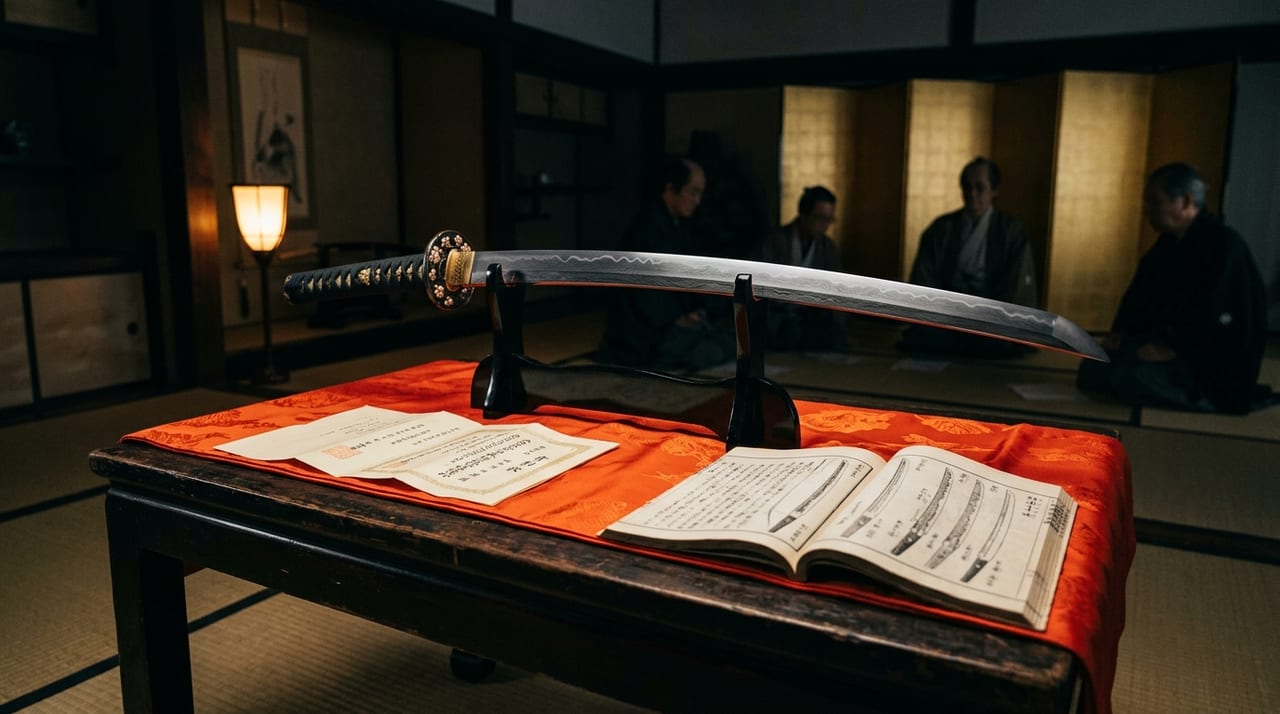 * Image is for illustrative purposes only.
Table of Contents
New Opportunities in Inbound Tourism for the Japanese Sword Industry
According to data from the Japan National Tourism Organization, the number of foreign visitors to Japan reached 25.06 million in 2023, marking an all-time high. Within this inbound tourism boom, interest in experiencing Japanese culture deeply has expanded rapidly beyond traditional tourist destinations. A prime example is the growing demand for sword-making experience and educational programs.
For the sword industry, inbound tourism represents more than just a commercial opportunity—it is directly linked to the preservation and development of Japanese sword culture. As the aging of master craftspeople and the shortage of successors becomes increasingly serious, foreign tourist demand offers the potential to revitalize the industry and open new customer markets. In fact, preparation of tourism programs is advancing in sword-producing regions such as Seki City in Gifu Prefecture, Ogori City in Fukuoka Prefecture, and Hikone City in Shiga Prefecture.
Current State and Practical Examples of Blacksmith Workshop Visits
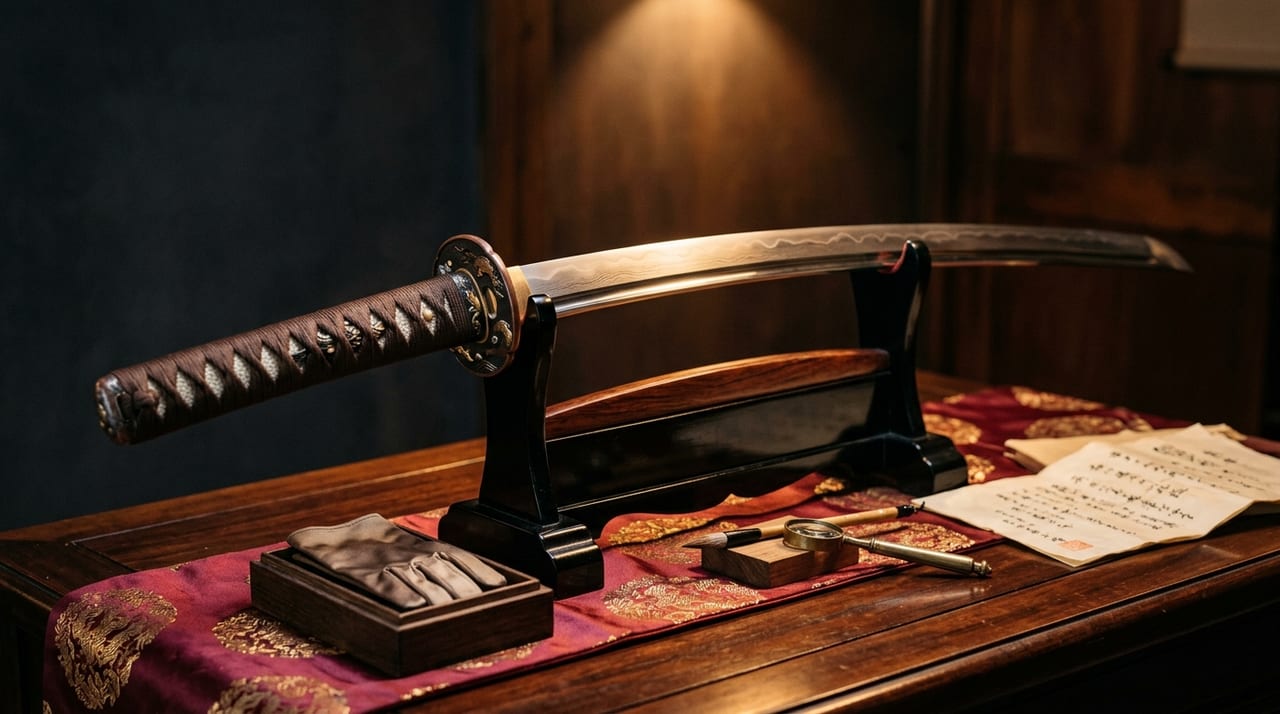
Programs allowing visitors to observe the manufacturing process of Japanese swords have become extremely popular among foreign tourists. Particularly in Seki, multiple sword-making workshops have begun accepting visitors, and by reservation, visitors can observe each stage from heating and forging the steel to final finishing.
Key characteristics of workshop visit programs include:
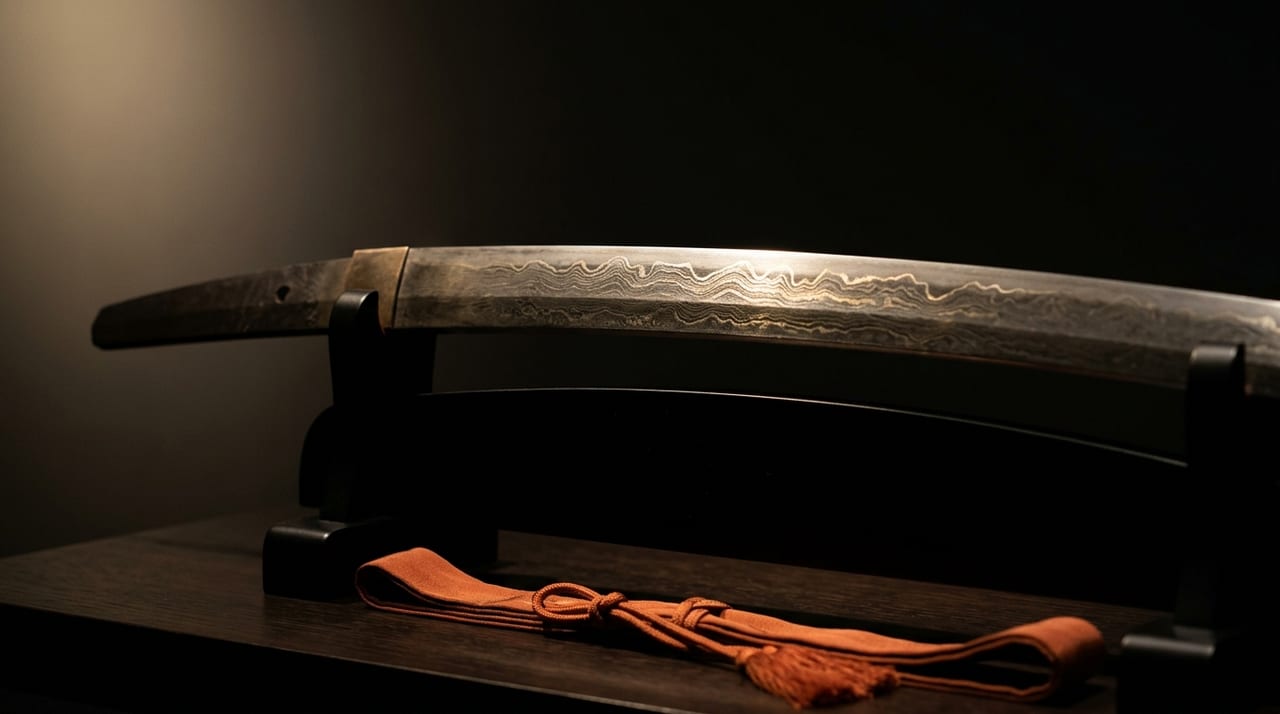
Process Observation: Visitors can observe the complete process over 3 to 4 hours, from "fire forging" where steel is heated and hammered, to "polishing" where the blade is refined, and the attachment of handles and sheaths. Foreign visitors come to understand that the Japanese sword is not merely a cutting tool but a craft object containing concentrated technical expertise and spiritual refinement of its creator.
Experience-Based Programs: In addition to observation, many workshops now offer hands-on programs where participants can experience making simplified blades or small knives. The experience of working with fire significantly changes foreign visitors' impressions of Japanese culture and leads to high satisfaction ratings.
Interpretation Services: Many workshops employ trained interpreters who provide explanations in English, Chinese, French, and other languages, discussing both the craft techniques and historical contexts. The quality of interpretation significantly influences the overall assessment of the tourist experience, making personnel training a critical issue for the entire industry.
Multi-Faceted Development of Sword Experience Tours
In response to the growing inbound tourism demand, sword experience tours have expanded in multiple directions.
Iaido (Draw-Sword) Experience: Under the guidance of masters of traditional sword-drawing schools, foreign tourists learn iaido—the art of drawing and cutting with a Japanese sword. Programs range from brief sessions of a few hours to intensive multi-day courses. Through this experience, the stereotypical view of the sword as merely a tool of warfare is dispelled, revealing its role as an instrument of spiritual cultivation.
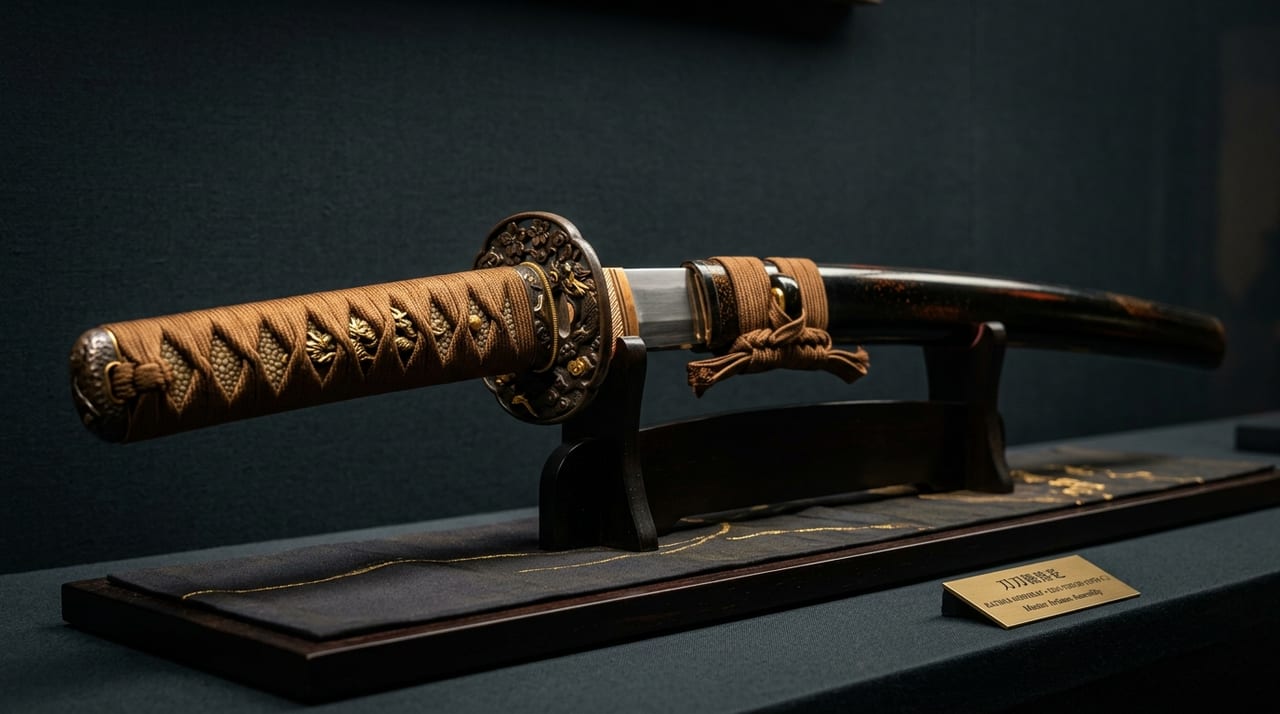
Museum Partnership Tours: Collaborating with renowned Japanese museums such as the Kyoto National Museum, Tokyo National Museum, and the Japanese Sword Museum, these tours allow visitors to appreciate historically significant swords while learning about their manufacturing techniques and historical contexts. Such programs have become increasingly popular.
Regional Collaboration Programs: Tours combining sword-producing areas with surrounding tourism resources have also increased. For example, Seki City offers multiple travel agency packages that integrate blacksmith workshops with local cuisine and hot spring experiences in one or two-day formats.
Legal Procedures for Overseas Collectors Purchasing Swords in Japan
As inbound tourism expands, an increasing number of foreign visitors wish to purchase swords during their stay in Japan. However, the purchase, possession, and export of Japanese swords are subject to complex legal regulations, and misunderstanding these requirements can lead to serious problems.
Act for Controlling the Possession of Firearms or Swords and Other Such Weapons (Jūtōhō): In principle, the only swords that may be possessed in Japan are those registered with a prefectural Board of Education (swords that have a registration certificate) (Act for Controlling the Possession of Firearms or Swords and Other Such Weapons (e-Gov Law Search)). However, when foreign tourists purchase newly made swords in Japan with the intention of exporting them after return home, the procedures become quite complex. In practice, reputable dealers often accept temporary storage of purchased swords until export arrangements can be made.
Cultural Property Protection Law: Japanese swords are legally classified as either "old swords" (ko-katana, pre-Muromachi period) or "new swords" (shin-katana, Edo period onward). When exporting a registered sword, regardless of its period or whether it is signed, you obtain the Agency for Cultural Affairs' "Certificate of Export Inspection for Antique Art Objects." National Treasures, Important Cultural Properties, Important Art Objects and similar items cannot in principle be exported, and this certificate is issued after the Agency for Cultural Affairs confirms that the sword is none of these. Applications are made by post, and the standard is 10 working days from the day all documents are complete, but the Agency for Cultural Affairs notes that applications have increased sharply and processing is taking longer (Agency for Cultural Affairs, "Certificate of Export Inspection for Antique Art Objects"). The registration certificate becomes invalid the moment the sword leaves the country and must be returned to the Board of Education of the prefecture where it was registered (Tokyo Metropolitan Board of Education, "When Exporting Firearms and Swords").
Export Procedures: When foreign purchasers export swords from Japan, keep the following points in mind:
1. Customs Declaration: All exported items must be declared at the customs office. Japanese customs duties are imposed on imported goods (Customs Tariff Act, Article 3), so no customs duty is charged on a sword exported from Japan.
2. Verification of Importing Country Regulations: Many countries including the United States, EU nations, and Australia impose strict restrictions on sword imports. Before purchase, it is essential to verify whether the importing country permits entry of the specific blade. For instance, the United States may classify certain sword shapes and dimensions as prohibited weapons.
In practical terms, reputable sword dealers verify the purchaser's country of residence, recommend only swords that can be legally exported, and often provide partial assistance with export procedures.
The Role of Interpreters and Cultural Guides and Their Development
With the expansion of inbound tourism, demand for interpreters and cultural guides specializing in the sword industry has increased dramatically. Beyond simple language translation, these professionals need deep specialized knowledge about sword history, manufacturing techniques, and cultural significance.
Required Competencies:
- Fundamental Sword Knowledge: Understanding the characteristics of swords across different historical periods, renowned sword makers, and the history of famous swords is essential.
- Ability to Explain Manufacturing Techniques: The capacity to translate technical terms such as "folding and forging," "tempering," and "polishing" into language that foreign visitors can readily understand.
- Cultural Context Understanding: Comprehension of bushido, Zen philosophy, Japanese aesthetics, and other spiritual and philosophical traditions underpinning sword culture, coupled with the ability to convey this context to international audiences.
- Multilingual Proficiency: While English is mandatory, guides proficient in Chinese (both simplified and traditional characters), French, German, and other languages are highly valued.
Current Personnel Development Status:
Until recently, systematic training programs for guides specializing in sword industry tourism were limited. However, since 2023, local governments and chambers of commerce in major sword-producing regions such as Seki, Hikone, and Ogori have begun establishing specialized training programs. For example, the Seki Chamber of Commerce and Industry has launched a "Sword Tourism Guide Certification Program" offering progressive learning from fundamentals to advanced topics.
These guides perform the crucial role of not merely transmitting information but deepening foreign visitors' cultural understanding and fostering respect and appreciation for Japanese sword culture.
Conclusion: Industrial Revitalization and Sustainable Development
The expansion of inbound tourism represents a significant opportunity for the Japanese sword industry. Through workshop visits and experience programs, the industry gains access to new customer segments while increasing international understanding and appreciation of sword culture. Simultaneously, challenges remain—including the complexity of legal procedures, the need for trained guide personnel, and multilingual capacity requirements.
Through collaboration among industry stakeholders, regional administration, and travel operators—supported by accurate information provision, high-quality experience programs, and appropriate legal support systems—inbound tourism can achieve both the preservation of Japanese sword culture and industrial revitalization. Looking forward, sword-producing regions themselves have the potential to be positioned as international tourist destinations, rivaling traditional destinations such as Kyoto and Nara.