PR and Branding Strategy for the Japanese Sword Industry: Media, Exhibitions, and Differentiation
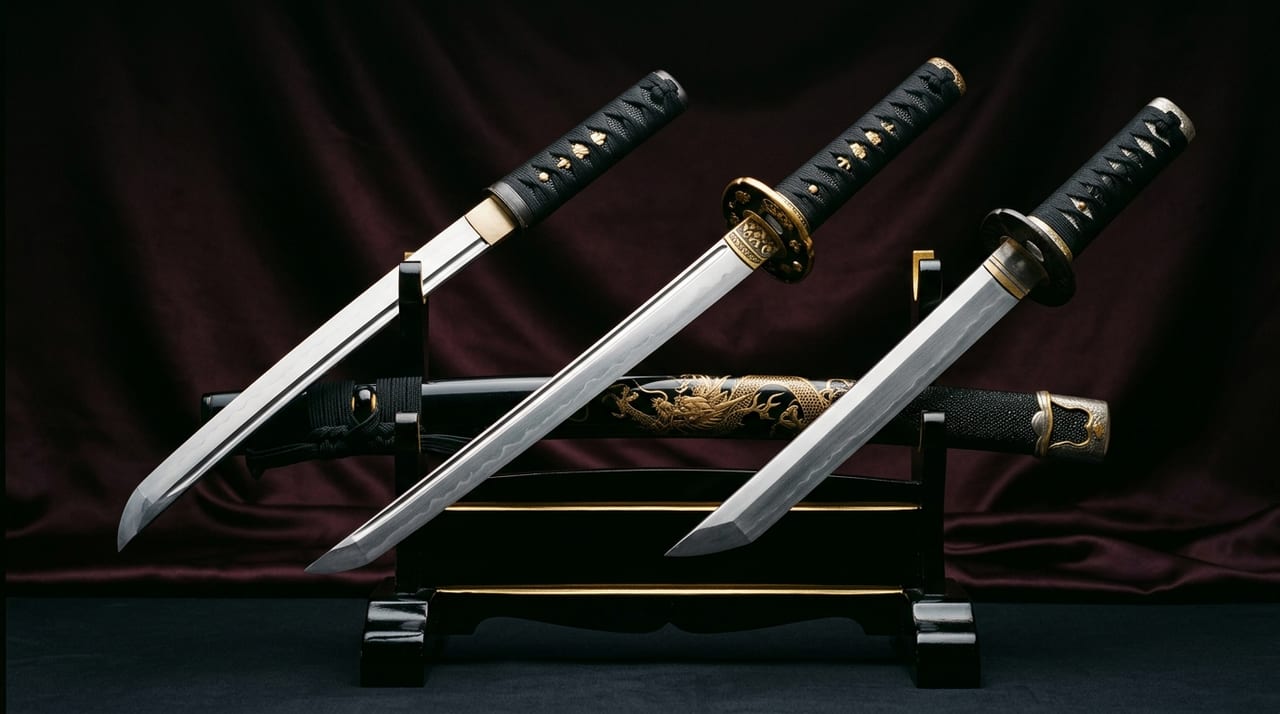 * Image is for illustrative purposes only.
Table of Contents
Why PR Strategy Has Become Essential in the Japanese Sword Industry
In the world of traditional crafts, the belief that "good products sell themselves through word-of-mouth" has long been dominant. From master to apprentice, from collector to collector——reputation spread through personal networks served as the primary sales tool and proved effective to a certain degree. However, with the 2020s came a complete shift of information distribution to the internet and social media, creating an era where even sword dealers and sword makers with excellent blades cannot reach new customers without a digital presence.
The generational transition presents a particular challenge. Existing experienced collectors remain connected through traditional networks, but new collectors in their 30s and 40s, as well as overseas collectors, begin their information search with Google searches, social media, and YouTube. Online information dissemination is nearly the only touchpoint for reaching this demographic. Choosing not to engage in PR means handing future customers to competitors. For the Japanese sword industry to survive the next 50 years, strategic PR efforts are essential.
Media Coverage Strategy: Acquiring Press Coverage
Approaching domestic media begins with providing information with "news value." Information with timeliness, topicality, and rarity captures reporters' attention. Examples include:
- A ○○ sword maker is designated as an Important Intangible Cultural Property holder (Living National Treasure)
- A masterpiece blade from the Edo period is unveiled after ○○ years
- New non-destructive inspection technology improves the attribution accuracy of blades with unknown makers
Conversely, simple announcements like "we created a new blade" are difficult to get published.
The structure of a press release should include four essential elements:
- Headline
- Lead
- Body
- Photo
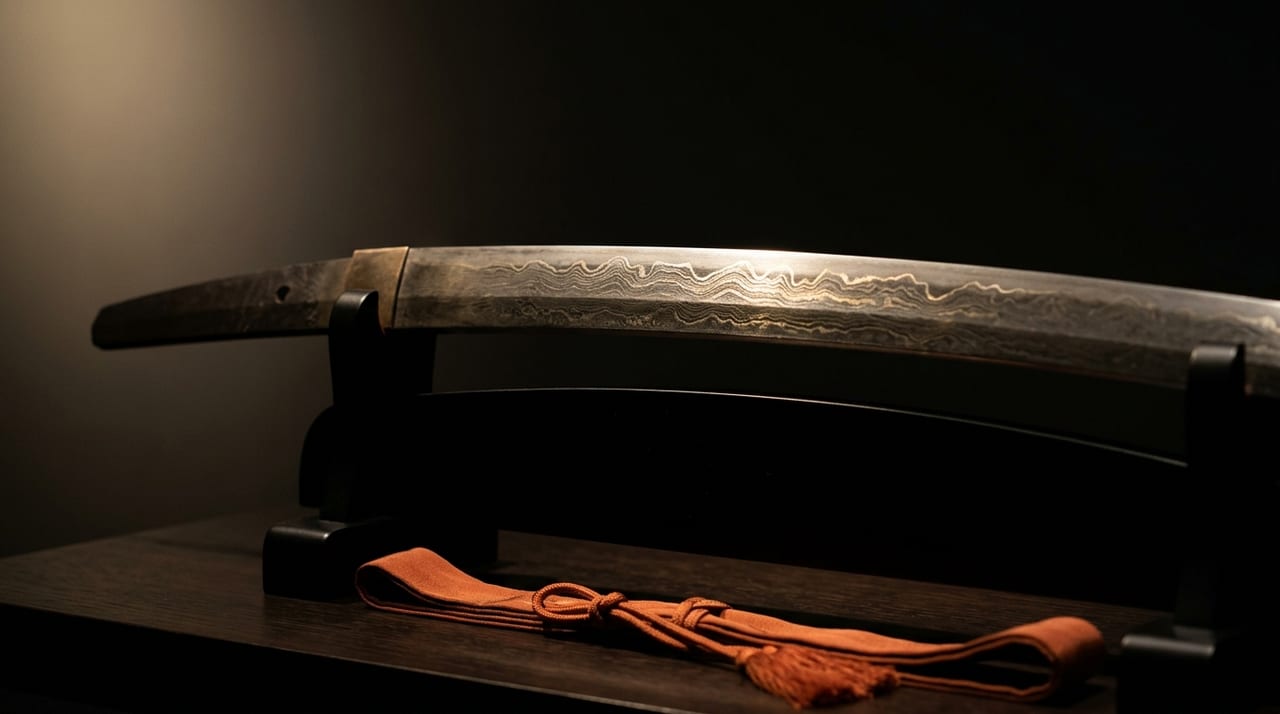
The quality of photographs is critically important, and whether professional photographers have captured high-resolution images of the hamon and jihada can significantly affect media coverage rates. Initial investment in lighting equipment and photography expertise is one of the highest-return expenditures in PR costs.
Approaching NHK and commercial television is often more effective through direct contact with responsible directors rather than sending press releases. Particularly for production companies creating "Japanese Craftsmanship" and "Professional" style programs, there is also the option of directly proposing ideas through the production company's website. English-language press releases become essential for approaching overseas media (sword specialty magazines, martial arts magazines, art media). Providing information to English-language professional communities such as Sword Forum International (SFI) and Katana Collectors is also effective, and sparing no cost in English translation is the first step toward international expansion.
Exhibition and Event Strategy: Securing Venues to Display Real Blades
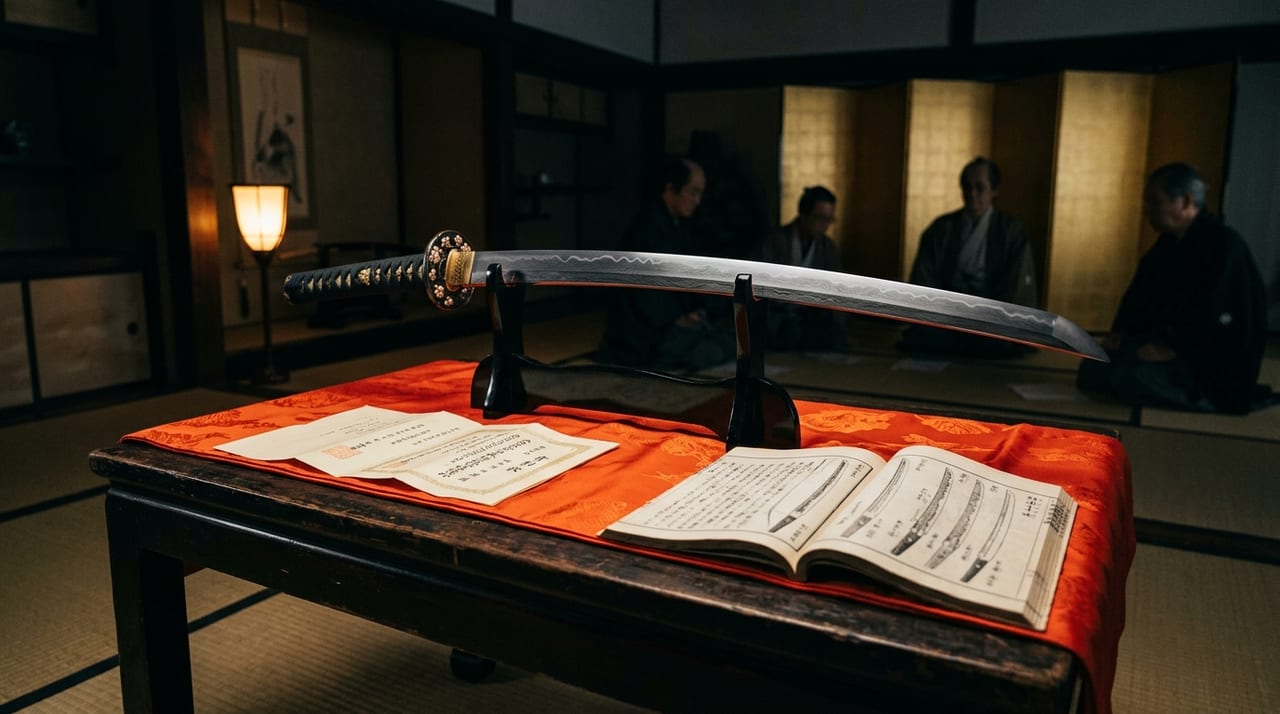
Japanese swords reveal their true value only when viewed in person, held with white gloves, and tilted toward a light source to examine the hamon's luster. The three-dimensional presence and weight——qualities impossible to replicate in photographs or videos——represent the greatest catalyst for converting potential customers into true collectors. Therefore, real exhibitions remain the most important PR opportunity even in the digital-first era.
Major domestic exhibition opportunities include:
- Sword exhibitions held by the Japan Sword Smiths Association (held several times annually in various cities)
- Fine art exhibitions
- Joint exhibitions with museums
- Participation in regional cultural events
Museum partnerships are particularly effective strategically, and titles like "Fine Blades Selected by ○○ Museum" function as significant brand authority that greatly enhances the credibility of sword dealers and sword makers. Museums also seek content enrichment through borrowing and display, so often a mutually beneficial partnership can be established depending on circumstances.
For overseas exhibitions, participation in Oriental art exhibitions or Asian art fairs held in New York, Los Angeles, London, and Paris, as well as European weapons and armor specialty events, are effective. When the cost of solo exhibition is high, a joint booth involving multiple sword dealers and sword makers is also an option. Through partnerships with local Japan Foundation offices, Japanese embassies, and JETRO, cases exist where travel and exhibition costs can be subsidized, making advance consultation with public institutions essential.
Building Brand Story: Conveying "Who and Why"
When collectors purchase a blade, the ultimate deciding factor is the narrative——"who made this sword and why (or who owned it)?" In a market where it is difficult to differentiate based solely on functional quality, brand story becomes the strongest weapon for avoiding price competition.
| Position | Content to Convey |
|---|---|
| Sword maker | Meeting with master, rigors of training, thoughts on tamahagane, the ideal hamon sought |
| Sword dealer | Why entering the path of swords, the aesthetic eye by which swords are selected, the circumstances surrounding a memorable encounter with a blade |
For sword makers: By continuously sharing these elements through video, photography, and text, customers come to understand the sword maker's "philosophy" and become supporters through "resonance with thought" beyond mere product purchase. For sword dealers: Personal narrative creates emotional connection with customers.
What is important is "not showing only the finished product." By continuously publishing process elements——forging, clay placement, hardening, polishing——even if only fragmentary, followers develop a sense of ownership of "having witnessed" when the finished product is unveiled. This feeling directly converts into purchasing motivation.
Digital PR in Practice: Instagram, YouTube, and Professional Forums
Instagram and YouTube are particularly compatible with sword PR. By showcasing the following elements through video, the sensory appeal of Japanese swords——qualities impossible to convey through text alone——can reach audiences worldwide:
- The luster of the hamon
- The skin of the jihada
- Before and after polishing comparison
- Sparks during forging
Instagram's Reel feature has the power to spread short-form videos on a global scale, and its affinity with Japanese sword content——which has high visual appeal——is particularly strong.
Japanese sword channels on YouTube include multiple with hundreds of thousands of subscribers in the English-speaking world. Collaboration with such influential channels, lending actual blades, and offering interview cooperation are means of reaching tens of thousands of overseas collector prospects with minimal advertising expenditure.
Active participation in professional forums is also an often-overlooked effective means. "Posts as an expert" to communities like the following function not as advertising but as "building trust":
- Sword Forum International
- Reddit/r/nihonto
- Facebook sword groups
The willingness to answer questions carefully and share knowledge of authentication freely ultimately leads to inquiries and purchases from these communities.
Conclusion: PR Strategy as Investment in the Future of the Japanese Sword Industry
PR strategy combining media exposure, exhibitions, digital social media, and brand storytelling extends beyond short-term sales increases——it is also a social investment in continuously attracting new entrants to the Japanese sword industry and passing Japanese sword culture to the next generation. The notion that "PR has nothing to do with blade quality" is no longer tenable. No matter how superior the technique of a sword maker or sword dealer, if their existence is unknown, they might as well not exist in the market.
The traditional world of Japanese swords and modern communication methods are not contradictory. The spirituality, history, and craftsmanship depth of swords possess the power to resonate on a global scale through digital media. To maximize this potential, continuous investment in and improvement of PR strategy represents the essential management decision demanded of Japanese sword industry professionals in the 21st century.