Etiquette Surrounding the Sword: Manners to Know for Nihontō
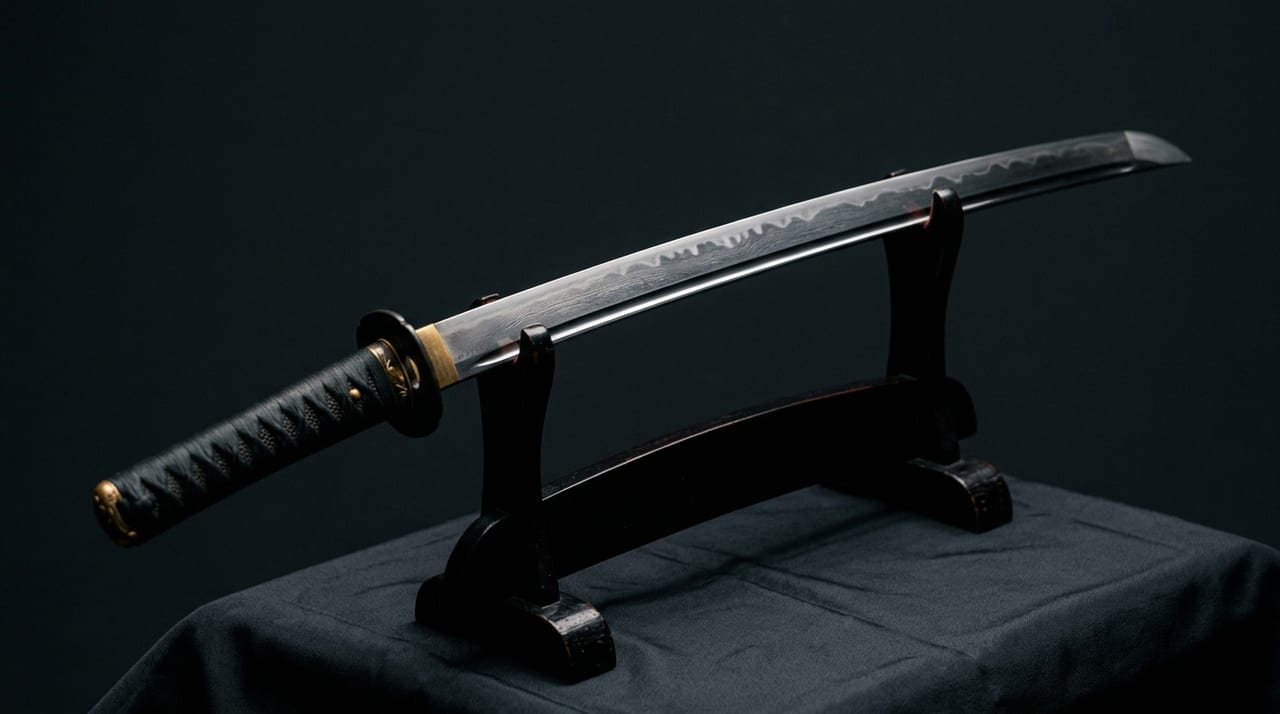 * Image is for illustrative purposes only.
Table of Contents
The Importance of Etiquette in Handling Nihontō
When handling nihontō, there exists a refined etiquette grounded in centuries of samurai society and tea ceremony tradition. These practices express respect for the sword as an object that is both a weapon and a work of art. In the context of sword appreciation gatherings and interactions with individual collectors, having mastered the correct etiquette is the best signal of a person's understanding of and sincerity toward swords. Conversely, handling a sword without knowledge of the proper etiquette is not only discourteous to the owner but also carries the risk of damaging the sword itself. Whether you are viewing a sword for the first time or are a seasoned collector, please take this opportunity to review the following practices.
Asking Permission and the First Words
The first and most important etiquette is to politely ask the sword's owner for permission to view it. The basic phrase is: "I beg your pardon, but may I have the honor of viewing it?" For the owner, a sword is rarely a mere object — it is most often a treasure passed down from a previous generation, or something cherished and maintained with care over many years. When receiving the sword after permission has been granted, do not touch it directly with bare hands; instead, use a silk cloth called a fukusa. This silk cloth serves to keep the blade from being soiled, and is an important implement that expresses both courtesy toward the owner and respect for the sword at the same time.
Steps for Drawing the Sword: The Meaning of Releasing the Koiguchi
There is a prescribed procedure for drawing the blade from the saya for appreciation.
- Perform the action of "releasing the koiguchi." Hook your thumb on the koiguchi (the opening of the saya where the blade is inserted) and release the tight fit between the sword and saya by a small amount.
- With the edge facing upward, slowly draw the blade out of the saya. Never pull it out hastily.
- Support the sword with both hands and, taking great care not to let it fall, quietly free the blade.
A hurried draw risks the blade rubbing against the inner wall of the saya, causing chipping of the edge or damage to the saya.
Observing the Hamon and Jigane: Hold Your Breath
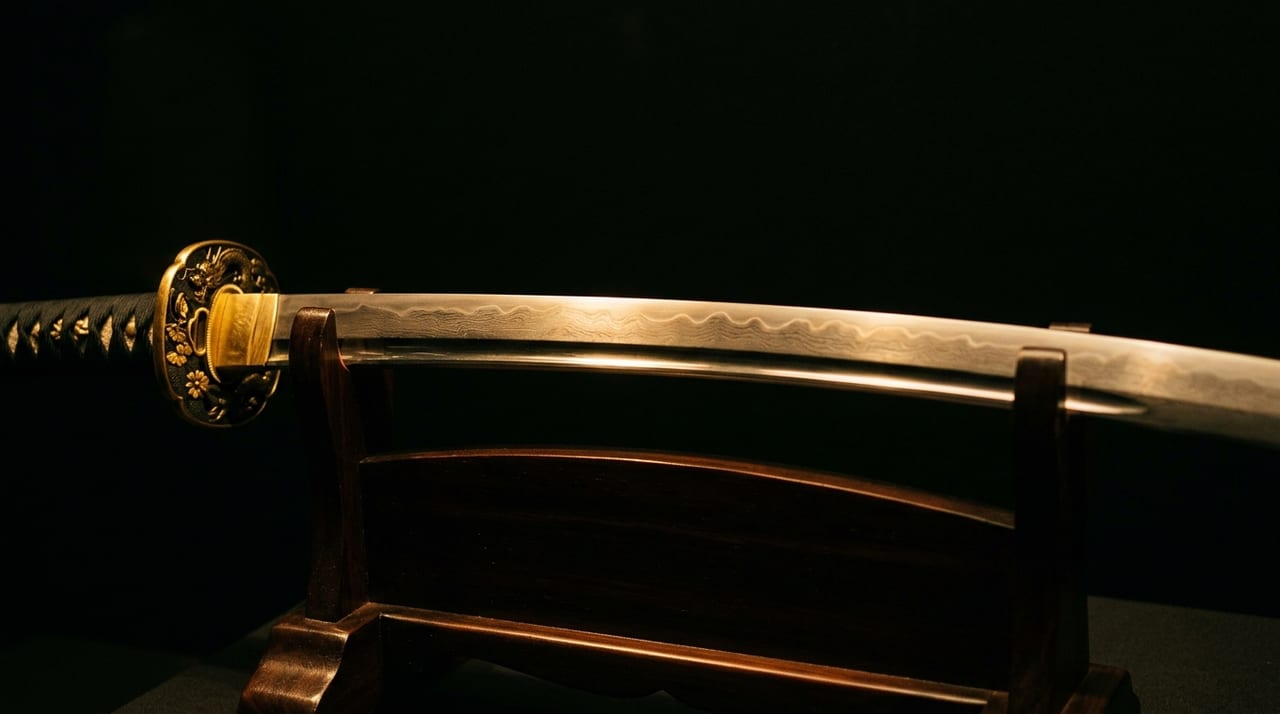
Once you have the blade in hand, begin by taking a deep breath and settling your mind. It is strictly forbidden to breathe on the blade. When the moisture and warmth contained in exhaled breath settle on the blade, they promote the advance of rust in places that are not visible. When appreciating the hamon (temper line), observe by gradually shifting the angle of the blade in relation to natural light or LED lighting. Depending on how the light strikes it, the appearance of the nie and nioi in the hamon changes dramatically. Observing the jigane (steel of the blade surface) requires yet another angle, and it is also good manners to spend an appropriate amount of time with it. The specialized appreciation process of a sword appraiser is introduced in detail in "The Work of a Nihontō Appraiser."
Avoiding Bare-Handed Contact
Touching the blade with bare hands is not only a matter of etiquette but also a serious concern for the preservation of the sword. The sebum and salt contained in the palm, once they adhere to the surface of the blade, will cause rust within a matter of days. If it becomes absolutely necessary to touch the blade during appreciation (for example, to support it for a closer look at the hamon), use a clean, dry white cotton cloth. The use of white gloves is also regarded as a mark of careful appreciation, and each of these small precautions embodies a true understanding of and respect for the sword.
Sheathing the Sword and Expressing Gratitude
When appreciation is finished, quietly return the sword to the saya. Sheathing, like drawing, must not be done hastily. With the edge facing upward, carefully insert the blade through the koiguchi and confirm that it is fully seated. Afterward, hold the sword with both hands and return it with a light bow toward the owner. Conveying gratitude with words such as "It was a great honor to have viewed such a magnificent sword" is proper etiquette and serves as a final expression of respect toward the owner.
The World of Swords That Etiquette Opens
This set of practices is not mere formality. It is a mental preparation for engaging with the sword, and an expression of the courtesy that cultivates a relationship of trust with the owner. By naturally mastering the correct etiquette, one earns the trust of other enthusiasts at sword appreciation gatherings and exhibitions, and opportunities for deeper exchange and learning arise. The quiet time spent with a sword is also a precious experience of stepping away from the busy pace of modern daily life and touching the depths of Japan's traditional culture. By learning the etiquette, one's relationship with swords becomes richer, and the joy of appreciation expands many times over. When introducing Japanese sword culture to visitors from abroad, explanations of these practices often evoke great admiration, and they play an important role in the international spread of nihontō culture. As a sword enthusiast who knows courtesy, please make it a practice to observe these manners in your daily interactions with swords. At first you will need to be conscious of each step, but as you repeat them they will become natural movements. Please also refer to "The Complete Legal Guide to Nihontō" for laws concerning the possession and sale of nihontō. Etiquette is not mere formality; it is a living culture, still breathing today, that prepares the space where sword and person meet.