The Shimabara Rebellion (1637–1638) and Nihontō — What the Largest Uprising of Early Modern Japan Revealed about Weapons and Warriors
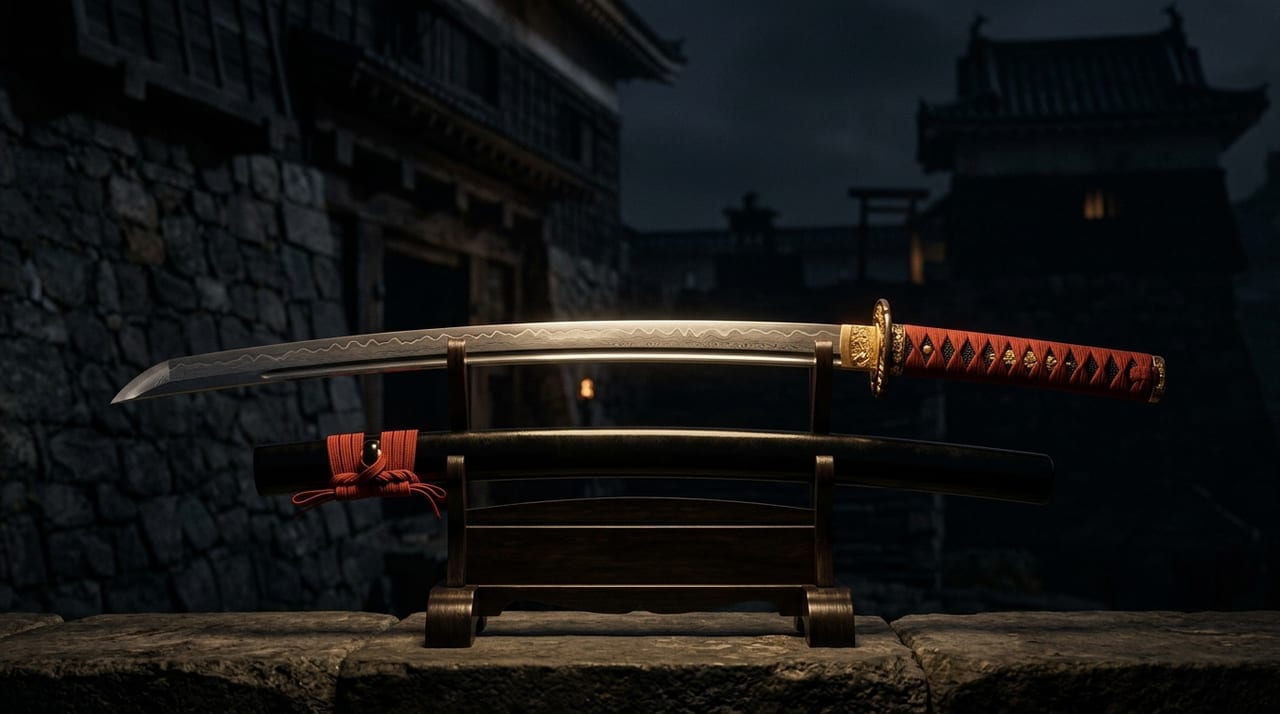 * Image is for illustrative purposes only.
Table of Contents
The Shimabara Rebellion (Shimabara-Amakusa Uprising), which occurred from Kan'ei 14 (1637) through the following year in Hizen Shimabara and Higo Amakusa, is known as the largest uprising in early modern Japan. It is an event that cannot be overlooked in the history of nihontō, as it represented large-scale actual combat in an era when the Edo shogunate had been established and the turmoil of the Sengoku period had receded into the past.
Background of the Uprising
Heavy annual tribute imposed by the Shimabara domain lord, the Matsukura clan, and by the Terasawa clan, who governed Amakusa, combined with harsh suppression of Christians, caused the resentments of the domain people to explode. As supreme commander, a person said to have been sixteen years old at the time, Amakusa Shirō (Masuda Shirō Tokisada), was enthroned.
What deserves attention is that among the rebel forces were individuals who had once served the Arima clan, lost their samurai status when their lord's domain was confiscated, and had become farmers. These individuals were skilled in the handling of weapons and fought as the core of the rebel forces. It is noteworthy that an uprising in a time of peace was still carried out by people who had inherited the actual combat experience of the Sengoku period.
The Siege of Hara Castle and the Shogunate Forces
The rebel forces eventually took refuge in Hara Castle, which had become a ruined castle. The number of people who took refuge in the castle is said to have been twenty or thirty thousand. The shogunate dispatched Itakura Shigemasa to attack, but the rebel forces' defense was firm, and Itakura was killed in battle. Thereafter, the shogunate committed a large army, and the general assault of Kan'ei 15 (1638) caused Hara Castle to fall; it is said that most of the people who had taken refuge in the castle lost their lives.
The Reality of Weapons in an Age of Peace
The Shimabara Rebellion is one of the rare cases in the early Edo period, a time of continued peace, where swords, spears, and firearms were actually used on a large scale. In an era when nihontō were shifting in emphasis toward ceremonial use and symbols of social status, this rebellion illustrates a phase in which weapons were wielded for their original purpose in actual combat. After the suppression of the rebellion, the shogunate further tightened its control over Christians and its maritime exclusion policy, and the long era of peace would further transform nihontō into "the soul of the samurai" and "works of art."
What the Excavations of the Hara Castle Site Tell Us
At the Hara Castle site (Minamishimabara City, Nagasaki Prefecture), excavations have uncovered numerous human bones along with musket balls and devotional objects such as crosses and medals. These are artifacts that simultaneously speak to the ferocity of the fighting and to the faith of those who took refuge in the castle. The Hara Castle site was registered as a UNESCO World Cultural Heritage Site in 2018 as a component of "Hidden Christian Sites in the Nagasaki Region," and today it has been developed as a historic site that conveys the memory of the rebellion. The fact that one can now approach the true picture of this uprising not only through documentary records but also through the findings of archaeology is a reassuring development for learning history.
Policy Shifts after the Rebellion — Maritime Exclusion and Control of Religious Sects
The shock of the Shimabara Rebellion decisively shaped the shogunate's foreign policy and religious control. In Kan'ei 16 (1639), the year following the rebellion, the arrival of Portuguese ships was prohibited, and the system known as sakoku was consolidated. Within the country, shūmon aratame (inspections of religious affiliation) were strengthened, and a mechanism was established to confirm that people were affiliated with a Buddhist temple. The memory of a large-scale uprising and a clash over religion continued to cast a long shadow over shogunate politics thereafter.
The Kan'ei Period in the History of Nihontō
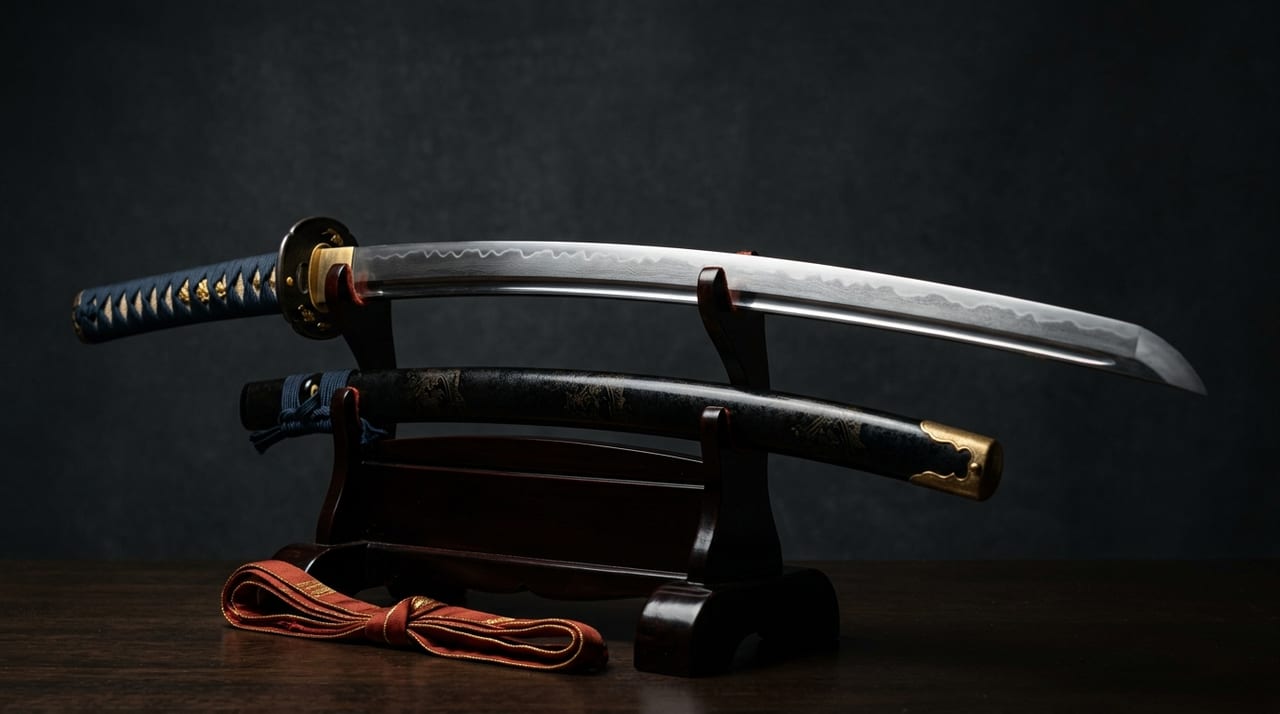
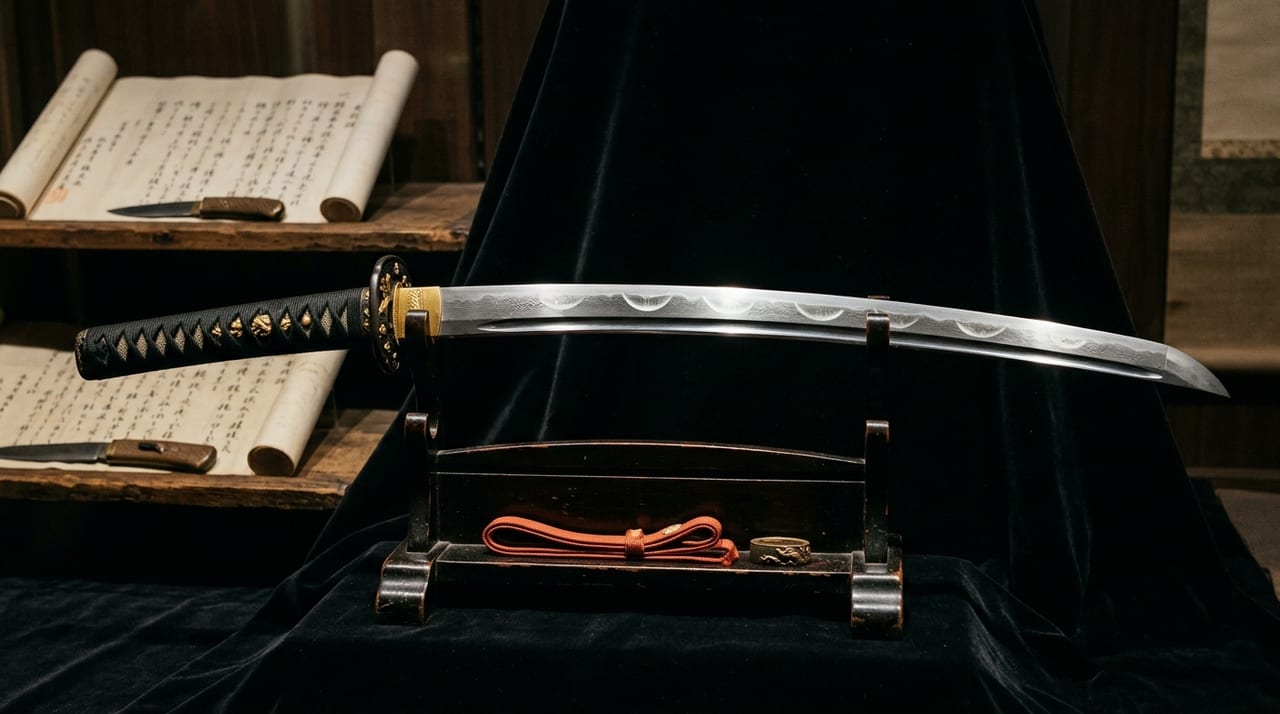
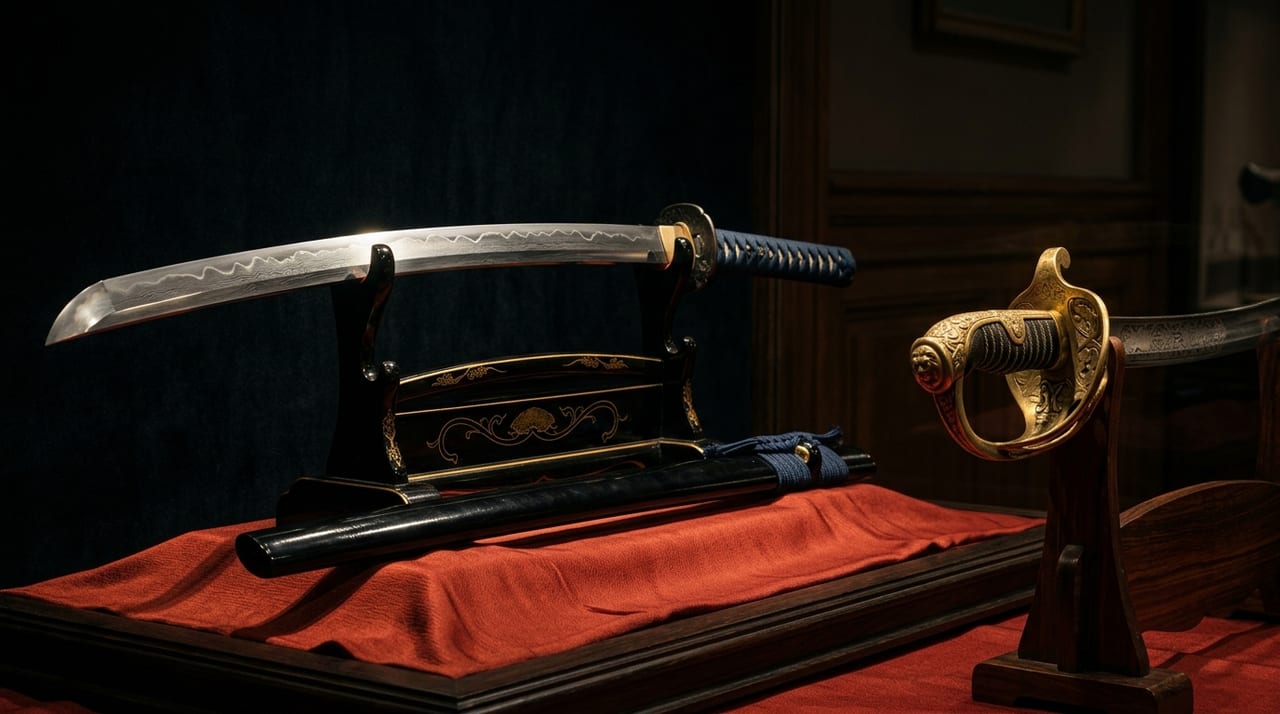
In the periodization of nihontō, swords made from roughly the Keichō period (from 1596) onward are generally called shintō, and the Kan'ei period when the Shimabara Rebellion occurred falls in the early shintō era. In this era, when the demand for actual Sengoku combat had waned, swords shifted their center of gravity in role toward the paired swords (daishō) worn by samurai as markers of status, and styles reflecting the preferences of patrons also developed. The Shimabara Rebellion was an exceptional phase in this period of transformation in which weapons were used on a large scale in actual combat, and for that very reason it illuminates the boundary between "the era when swords were tools of battle" and "the era when swords became the formal paraphernalia of the warrior class."
Checkpoints for Studying the Rebellion
When studying the Shimabara Rebellion from the perspective of nihontō and weapons, understanding is deepened by keeping three points in mind. First, that the core of the rebel forces included veterans of actual combat. Skill in handling weapons is not acquired overnight, and this speaks to a historical background in which the memory of the Sengoku period was still alive. Second, the form of combat known as a siege. Firearms played an important role on both the attacking and defending sides, while swords and spears were employed in close-quarters engagements such as the fighting at the castle walls. Third, that the meaning of weapons and warriors changed before and after the rebellion. After this rebellion, large-scale actual combat became rare, and nihontō moved away from practical use toward becoming objects of formal prestige and beauty. Moreover, adopting the perspective of cross-referencing excavated artifacts with documentary records will also provide practice in measuring the distance between tradition and fact. By viewing a single event from multiple angles, one should be able to see the texture of the era that lies beyond textbook descriptions.
Brief Glossary of Terms
- Ikki: Collective action taken by people banding together to make demands of or resist their lord.
- Kaieki: A punishment by which a daimyō or samurai's status and domain were confiscated. The kaieki of a lord's domain led to the rōnin-ization of his retainers.
- Rōjō: A tactic of taking refuge in a castle to defend against enemy attack. Maintaining provisions and morale determined success or failure.
- Shintō: A classification of swords made roughly from the Keichō period onward. Distinguished from kotō, the swords made before that era.
Those with an interest in nihontō culture of the Edo period and the relationship between warfare and weapons are invited to explore the changes in the role of swords across different eras in TOUKENZA's columns and sword listings.