A Guide to Attending Japanese Sword Appraisal and Appreciation Events — What to Know Before Your First Visit
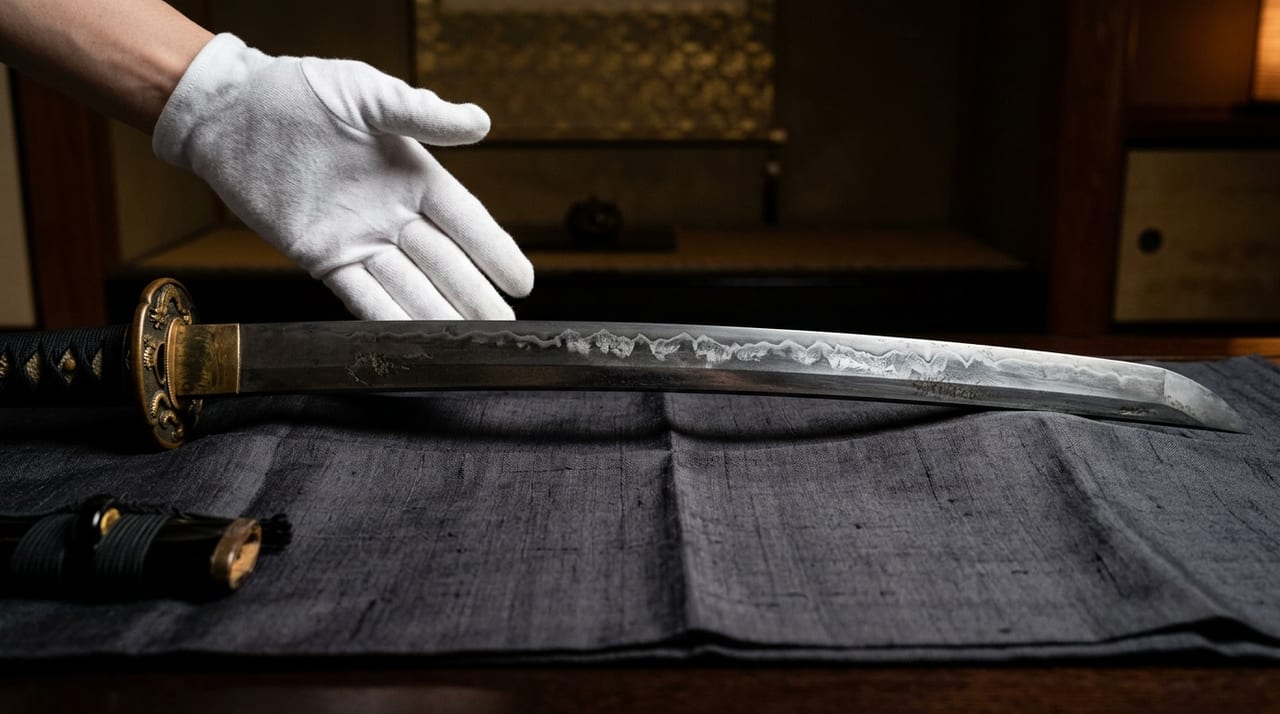 * Image is for illustrative purposes only.
Table of Contents
What Appraisal and Appreciation Events Are
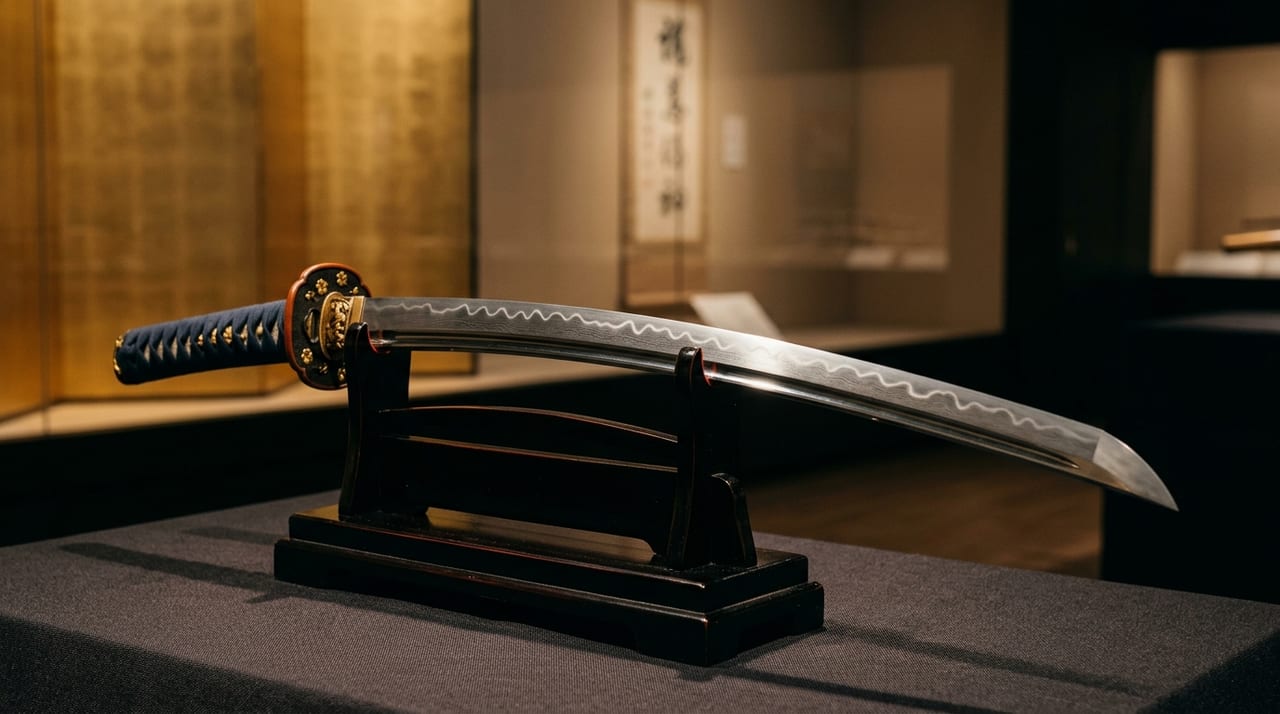
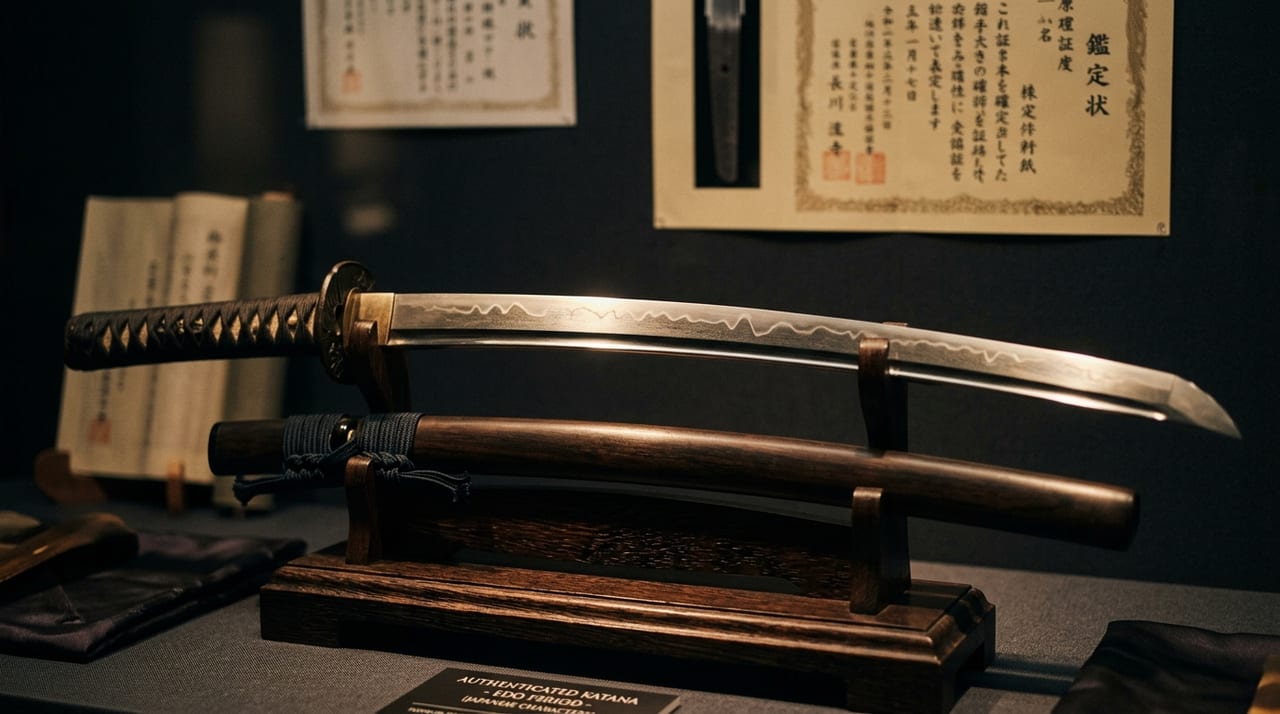
A Japanese sword appraisal event (kantei-kai) is a hands-on learning setting in which participants handle actual swords and judge their mei (signature), period, and school with their own eyes. Appreciation events (kanshō-kai) place greater emphasis on viewing, offering the opportunity to observe works by outstanding tōkō (swordsmiths) up close. Organizers range from the public-interest incorporated foundation NBTHK (Society for the Preservation of Japanese Art Swords) and its regional branches to local sword-enthusiast groups, and events range in scale from small monthly gatherings to large multi-participant meets.
For beginners, the most accessible entry point is the monthly appraisal meeting or study group held regularly by local organizations. Participation fees are typically a few thousand yen, and many events require no advance registration. Specialized institutions such as the Japanese Sword Museum (Ryōgoku, Tokyo) also occasionally offer lectures and appreciation sessions tied to their exhibitions, and are well regarded as venues where notable works can be observed with accompanying commentary.
Preparation Before Attending
Attire and What to Bring Because appraisal events involve handling swords — delicate cultural artifacts — neat, clean attire is appropriate. Those wearing long sleeves should take care that cuffs do not hang down and touch the blade. The following items are convenient to bring.
- White cotton gloves (the organizer often provides them, but having your own is safer)
- A notebook and writing utensils for taking notes
- A loupe (around 10×)
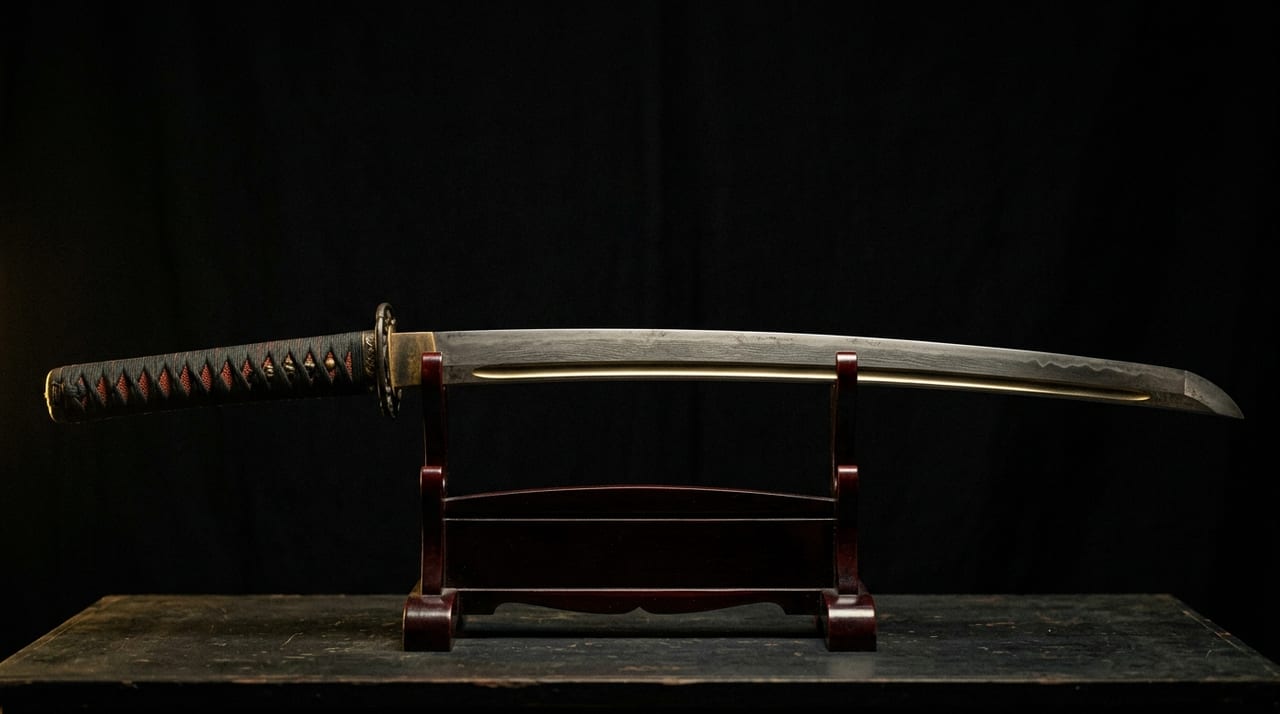
Reviewing Prior Knowledge Having at minimum a working knowledge of the jihada (grain pattern of the steel) and hamon (temper line) characteristics of the Gokaden (five traditions) — Bizen, Sōshū, Mino, Yamato, and Yamashiro — and the basic form distinctions among tachi, uchigatana, wakizashi, and tantō will significantly increase how much you absorb at the event. Reading sword reference books and illustrated catalogues in advance clarifies what to look for when viewing the actual objects.
Basic Rules for Holding and Handling a Sword
Strict etiquette governs the handling of swords at appraisal events. Improper handling can damage the blade, so the following basics must always be observed.
- Receiving the sword When the person before you passes the sword, receive it with the edge facing upward (ha-ue). Support it with both hands near the tsuka (hilt) and the mune (back of the blade), taking care that your fingers do not touch the edge (ha). Finger oils cause rust, so use white gloves or handle the sword through a hand cloth.
- Posture during observation Place a knee pad or fukusa (wrapping cloth) on your lap and observe the sword while resting it flat on top. Holding the sword upright in one hand is unstable and risks an accident, so avoid it. For lighting, use natural light or the angled reflection of fluorescent light, and observe the hamon (temper line), jigane (steel of the blade surface), and bōshi (temper line in the point) in order.
- Passing to the next person When you have finished observing, pass the sword to the next participant with the edge facing upward. Do not rush; confirm that the other person has a firm grip before releasing your hands.
How to Fill Out an Appraisal Slip and How Results Are Announced
At most appraisal events, participants write their judgments on a piece of paper called a kantei-fuda (appraisal slip), which is then compared against the correct answer (hon-tō) at the end. The fields to fill in are typically the following three.
- Period (kotō, shintō, shinshintō, or gendaitō)
- Place of origin (province within the Gokaden, or province name)
- Tōkō (swordsmith) name or school name
Beginners do better to aim for accuracy in identifying place of origin and period rather than pinpointing an exact tōkō name. Writing at a level of detail such as "Bizen, late Kamakura, Osafune school" is entirely in keeping with the spirit of the event. Commentary from instructors and more experienced participants carefully explains the characteristic jigane and hamon tendencies of the correct tōkō, making this the best opportunity to learn how to train one's eye.
Things to Watch Out for as a First-Time Attendee
At your first appraisal event, nerves can lead to unexpected mistakes. Common points to keep in mind are as follows.
- Remove watches, rings, bracelets, and other accessories. Even a momentary contact with the blade can cause a scratch. Sleeve buttons and zippers require the same caution.
- Do not talk over the sword. The etiquette is to turn your face away from the sword when speaking; droplets cause rust.
- Photography at the venue is often subject to the organizer's permission, so refrain from taking photographs without authorization.
- It is fine to ask questions without hesitation, but choose the right moment — a break in the commentary or a rest period.
- When other participants are waiting, avoid monopolizing a single sword for too long; this is an important consideration.
- If you feel at all uncertain about handling a sword, there is no need to force it — simply ask a staff member for assistance.
Not trying to put on a brave face when you are still unaccustomed is the single best way to prevent accidents.
Major Organizing Bodies and How to Find Information
Information on appraisal events across Japan is often available through the regional branches of NBTHK (Society for the Preservation of Japanese Art Swords). Sources and what they provide are as follows.
| Source | Information Available |
|---|---|
| Branch websites and newsletters | Schedules for monthly meetings and special appraisal events |
| Japanese Sword Museum official website | Announcements of events tied to special exhibitions |
| NBTHK's journal Tōken Bijutsu | Event listings, coverage of meetings in distant regions |
Local sword organizations often operate on a membership basis, but many are open to observers and trial participants. In most cases, simply contacting them through an inquiry form or by phone to express your interest will result in a staff member providing guidance.
Continuing to Train Your Appraisal Eye
A single visit to an appraisal event is not enough to develop a trained eye; the accumulation of continuous experience is essential. As you attend more events, an intuitive sense of "the atmosphere of a province" and "the texture of a period" gradually becomes part of your physical knowledge. Developing the habit of recording your observations from each event in a notebook — the shape of the hamon, the tone of the jigane, the yasurime (file marks) on the nakago (tang) — along with brief sketches, directly contributes to long-term improvement.
Online sword communities and video platforms now offer an abundance of commentary content on appraisal, but these should remain a supplementary learning tool; the tactile experience of standing before an actual sword must take priority. The appeal of Japanese swords lies in the moistness of the jigane and the dynamic movement of hataraki (activity within the steel) — qualities that are difficult to convey in images. Making regular visits to appraisal events and accumulating direct encounters with genuine swords is the only path to developing a true appraisal eye.