Mass Sword Production in the Sengoku Period: Kazuuchi, Custom Orders, and Ashigaru Armament
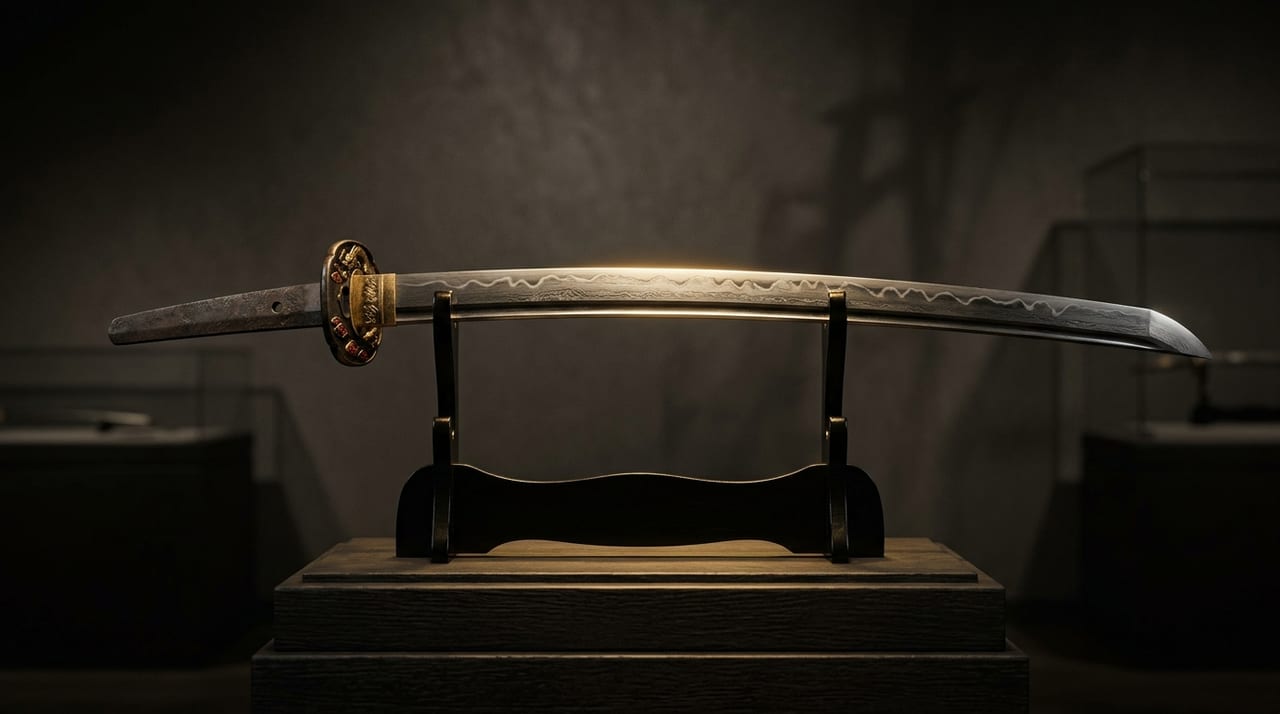 * Image is for illustrative purposes only.
Table of Contents
The Surge in Sword Demand During the Sengoku Period
The Sengoku period, which began with the Ōnin War (1467), was an era that drove demand for Japanese swords to the largest scale in history. From daimyo and regional lords to foot soldiers, warriors of all ranks required katana and wakizashi, and the quantities needed far exceeded the previous production scale of custom-made swords for court nobility.
What Are Kazuuchimono?
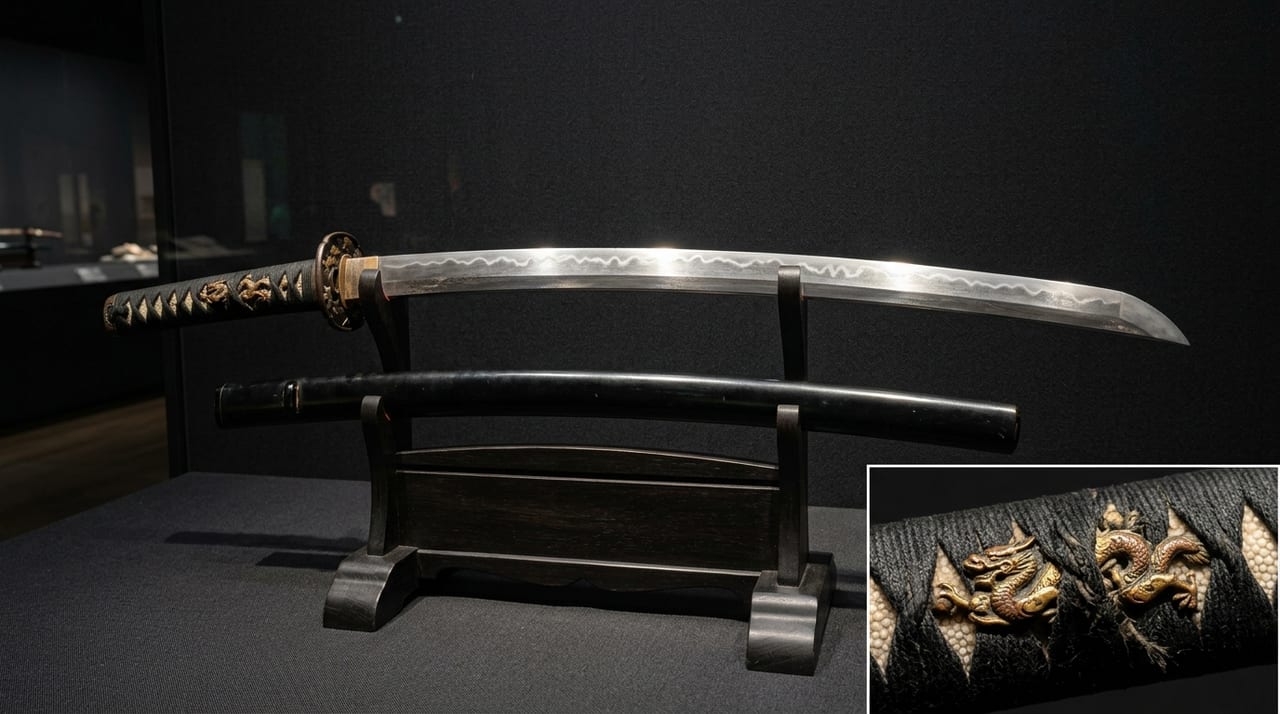
Kazuuchimono refers to standardized swords manufactured in large quantities without individual orders. In modern terms, they correspond to industrially mass-produced goods, and while the precision of materials and finishing was inferior to custom-made swords, they were designed to possess sufficient strength and sharpness for practical use on the battlefield.
The characteristics of kazuuchimono are as follows:
- Blade length, curvature, and width conformed to fixed standards
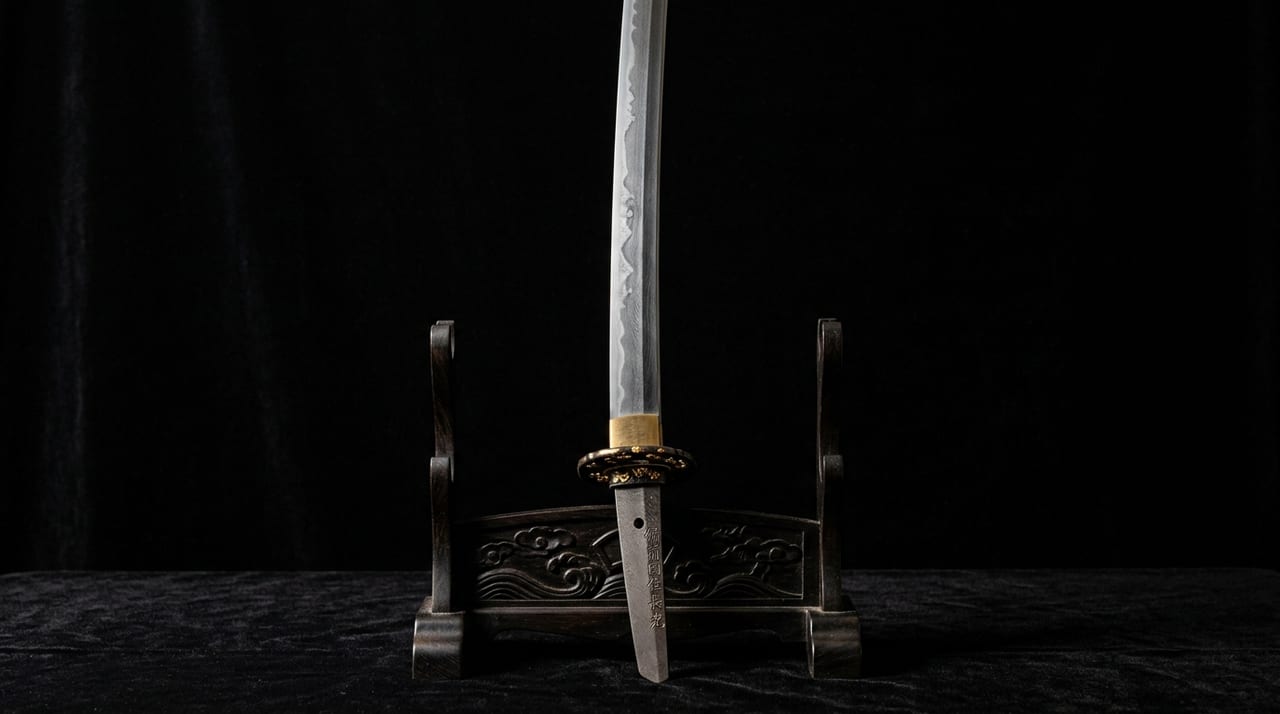
- Signatures (names of swordsmiths) were often omitted, or group names and place names were inscribed instead
- The precision of finishing polishing and shirasaya was inferior to custom-made swords
- Prices ranged from several hundred to several thousand mon (equivalent to approximately 80,000 to 300,000 yen in modern terms), a fraction of the cost of master-forged swords (around 10 kan or over 600,000 yen in modern terms)
Mass-produced kazuuchimono were often treated as loaned weapons for foot soldiers and conscripted farmers going to war, responding to wartime demand where "quantity available for procurement" was prioritized over "quality."
The Production System of Osafune in Bizen
Osafune in Bizen (present-day Okayama Prefecture) was the largest sword production center during the Sengoku period and formed a major industrial cluster where hundreds of swordsmiths lived in close proximity. The Osafune school of swordsmiths was collectively known during the Sengoku period as Suebizen, and they established a division-of-labor system with craftsmen bearing the names of such masters as Katsumitsu, Sukeada, and Kiyomitsu.
The Sukeada name in particular was used as a group signature, with all workshop members inscribing "Sukeada" on their blades, and it is said that there were over 50 swordsmiths bearing this name. Through this system, the processes of steel refinement, forge-welding, hardening, and polishing were optimized by specialization, covering a wide range of quality from inexpensive kazuuchimono to custom-made swords for daimyo. The total production of Suebizen is estimated to have exceeded one million swords, and they virtually dominated sword distribution during the Sengoku period.
Because of their large numbers, Osafune-made Sukeada-signed blades still circulate abundantly in the market today, and Bizen Sukeada pieces bearing late Muromachi period dates are recognized among collectors as "witnesses to Sengoku-period mass production." Because swords bearing the same signature vary greatly in quality, appraisal requires careful examination of jihada, hamon, and dimensions.
The Rise of Mino (Seki)
Alongside Bizen, Seki in Mino (present-day Gifu Prefecture) was a production center that experienced rapid growth during the Sengoku period. Swordsmiths of the Mino tradition possessed a technical foundation drawing from the Shizu smithing lineage, and during the period of upheaval they received demand from Sengoku daimyo throughout the country. Seki is still known worldwide today as a "center for blade production," and the medieval sword industry laid the foundation for this. While Bizen specialized in tachi and uchigatana, Mino experienced high demand for longer-hafted weapons such as spears and naginata.
The Spread of Armed Foot Soldiers
During the Sengoku period, foot soldiers wore light armor—a breastplate, gauntlets, leg wraps, and a campaign hat (totaling less than 10 kilograms)—and wearing a katana became the standard in combat. By the early modern period, foot soldiers carried two swords of different lengths. The proliferation of kazuuchimono enabled the general arming of foot soldiers and became one of the economic foundations that propelled the growth of large-scale battles during the Sengoku period. The organized foot-soldier armies that Oda Nobunaga assembled alongside large quantities of firearms were composed based on the premise of procuring vast quantities of katana and wakizashi, and they could not have been realized without the mass production systems of Osafune in Bizen and Seki in Mino.
Differences from Custom-Made Swords
Presentation pieces for famous daimyo and custom-made swords for senior retainers and high-ranking warriors remained primarily custom-forged by master craftsmen. In custom sword production, detailed consultations took place between the swordsmith and the patron regarding blade length, curvature, and hamon design, and the completed piece bore the smith's signature. These fine works formed a body of works that would come to be known as meito and have been preserved to the present day as objects of collection and appreciation.
The Sengoku period was also an era in which the broadest range of quality levels in Japanese sword history coexisted, with mass-produced kazuuchimono and refined works by master smiths in circulation simultaneously. This bipolar production structure became the origin of evaluation criteria in the modern sword market, such as jidaiuchi, denraichi, and kazuuchi. The ability to distinguish between kazuuchimono and custom-made swords can be said to be fundamental literacy for properly evaluating Sengoku-period swords.
The Sengoku-Period Sword Market and Its Legacy to the Modern Era
The mass production systems established during the Sengoku period continued to influence the regional distribution of swordsmiths and trading practices even during the stable Edo period. Osafune in Bizen continued to have active swordsmiths after Sekigahara in Keichō 5 (1600) and remained one of the shinTo production centers of the Edo period. Seki in Mino also transformed from the Edo period onward into the Seki smithing production center, handling a wide range of blades including forged implements and kitchen knives, becoming the prototype of the modern blade industry.
Sengoku-period swords receive a certain degree of evaluation as jidaiuchi from the perspective of later eras, but even in the modern era, the distinction between kazuuchimono and custom-made swords remains an important criterion for assessing sword value. Even Suebizen kazuuchimono, if in good condition with clear hamon and jihada, can become subjects of research and appreciation. The collection of swords left behind by the turbulent Sengoku period is also a valuable primary source that demonstrates the diversity of Japanese sword history.