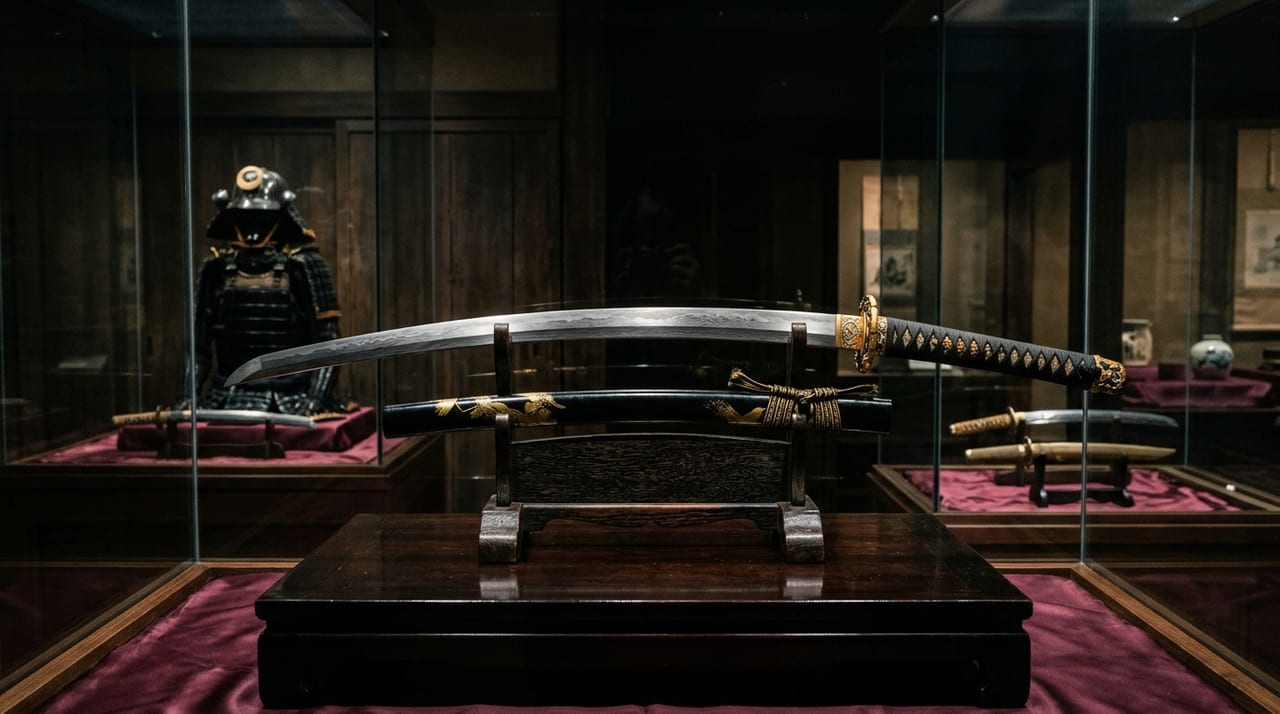
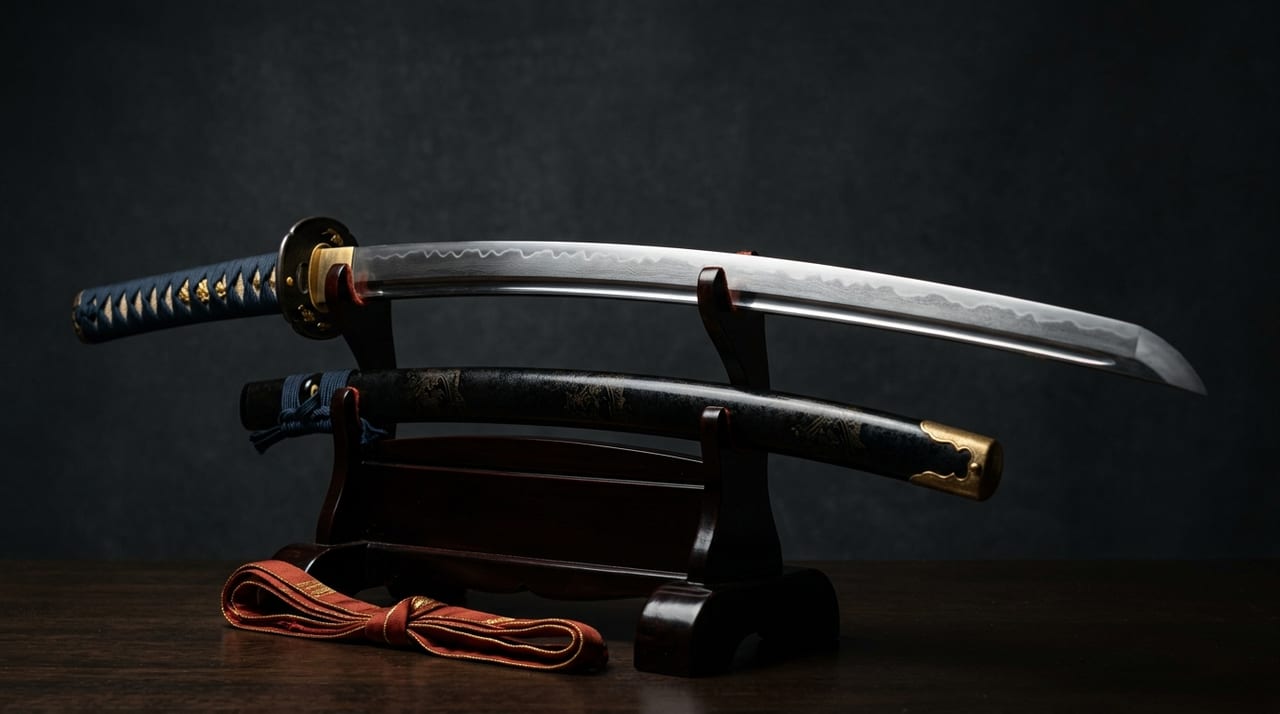
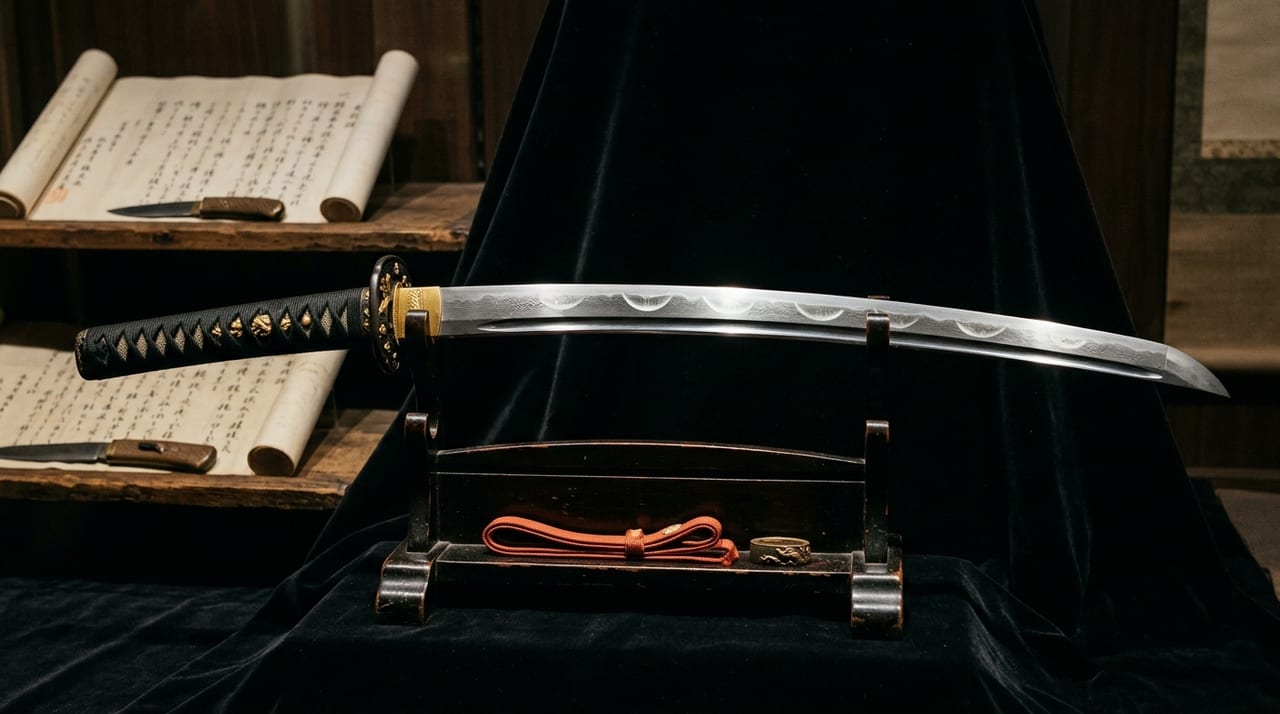
The Reality of Swords Used in Sengoku-Period Battles — How the Tachi, Uchigatana, and Wakizashi Were Used in Different Situations, and the Truth of Real Combat
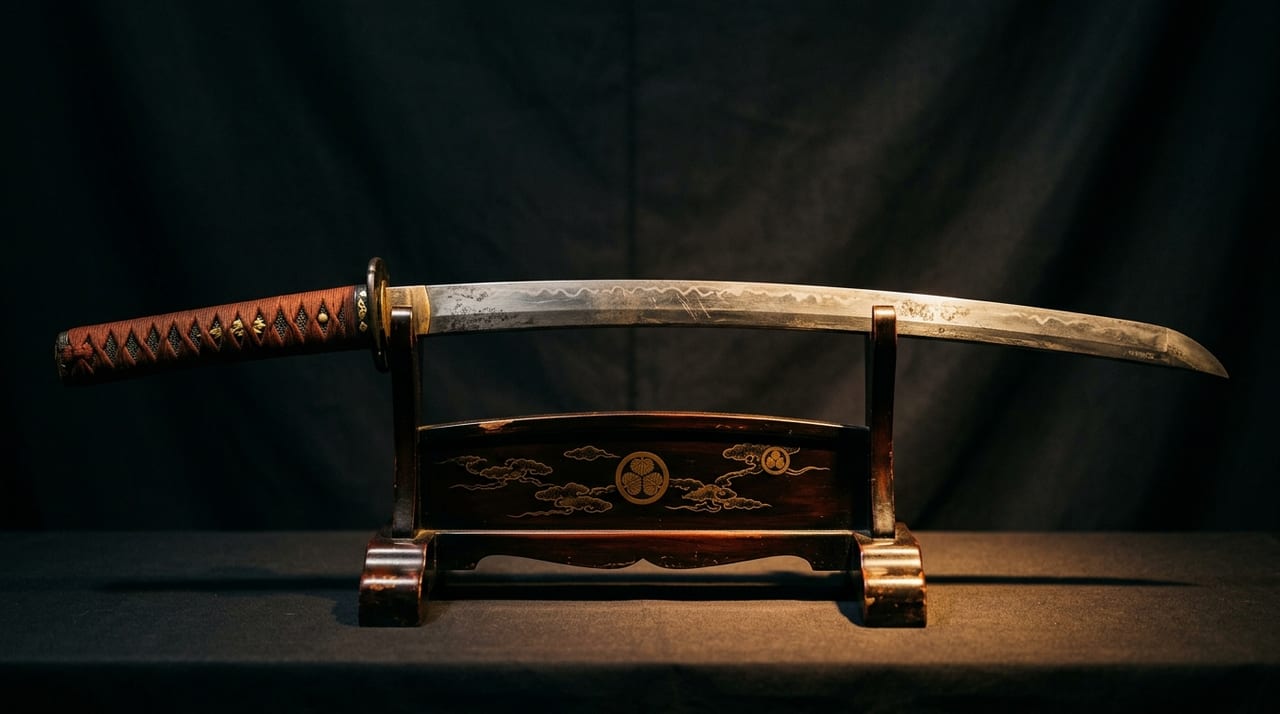 * Image is for illustrative purposes only.
Table of Contents
The Sengoku period (1467–1615) was the most violent era of warfare in Japanese history. During this time, the nihontō was neither a work of art nor a ceremonial object — it was a pure combat tool on which lives depended. Yet among modern sword enthusiasts, the basic question of how the tachi, uchigatana, and wakizashi were used in different battlefield situations is surprisingly seldom discussed. This article draws on primary sources, military treatises, and archaeological knowledge to examine the reality of swords in Sengoku-period battles.
The Reality of Sengoku Battles — Swords Were Not the Main Weapon
Let us first establish an important foundational fact. The primary weapons in Sengoku-period battles were the spear and the bow and arrow, with the firearm added after the Tenbun era (1543). Swords took center stage only in specific situations.
Analysis of battle accounts including the Shinchōkōki shows that the majority of combat wounds were caused by spears, arrows, and firearms, with sword wounds accounting for a small proportion. Military treatises of the Edo period also contain passages to the effect that "in open field battle, the spear is primary and the sword is secondary."
So in what situations were swords used? Broadly, four main situations stood out:
- Delivering the killing blow in grappling combat (kumiuchi)
- Close-quarters fighting inside castles and buildings
- Pursuing fleeing enemies
- Taking heads
Tachi — The Prestige and Ceremony of Mounted Warriors
The tachi is a sword worn suspended at the hip with the edge facing downward; it was the dominant weapon of the Heian-Kamakura period, but its role had changed by the Sengoku era.
The main situation in which the tachi was used in actual Sengoku combat was the mounted charge and pursuit. When a mounted warrior cut at an enemy from horseback, a longer tachi (with a blade over 70–80 cm) was effective. "Hikigiri" — a technique of cutting while drawing the blade back, using the horse's movement — was a mounted-combat-only technique that took advantage of the tachi's length and sori.
By the late Sengoku period, however, massed spear formations (yaribusuma) by foot soldiers had become the dominant tactic over individual mounted combat, further limiting the tachi's role. Many Sengoku warriors continued to treasure the tachi as a symbol of rank and ceremony, while increasingly turning to the uchigatana in actual combat.
Among tachi, the nodachi and ōdachi served specialized purposes. These enormous blades reaching 90–120 cm were said to have been used for intimidating enemy formations, cutting at the legs of enemy horses, and smashing open castle gates. In practice, however, transporting them across a battlefield required enormous physical strength, and only a limited number of warriors could wield them effectively.
Uchigatana — The Standard Equipment of the Sengoku Soldier
The uchigatana is a sword thrust through the belt with the edge facing upward; it spread rapidly from the mid-Muromachi period onward and was the most versatile sword in Sengoku-period combat.
There were several reasons the uchigatana was suited to actual fighting. The first was the speed of the draw. By inserting the sword edge-up through the belt, it was possible to grip the tsuka with the right hand while pushing out the saya with the left, drawing and cutting in a single motion — the "nukitsuke" technique. A tachi worn suspended at the hip did not allow for this kind of swift draw.
The second reason was ease of handling. The standard blade length of the uchigatana was about 2 shaku 3 sun (approximately 70 cm), shorter and lighter than the tachi. In close-quarters fighting inside narrow castles or among trees, it was easier to handle than an overly long tachi.
The uchigatana became standard equipment for Sengoku foot soldiers, but quality varied enormously. Mass-produced blades known as "kazuuchimono" were inferior in steel quality and edge work compared to individually commissioned masterwork swords, and some would lose their edge after cutting only a few times. Commissioning a master tōkō was expensive and accessible only to high-ranking warriors.
In grappling combat, the common practice was either to draw the uchigatana and thrust at the opponent or to switch to a tantō. Cutting against an armored opponent was ineffective; thrusting into the gaps in the armor was what worked.
Wakizashi — The Ace in Close Combat and the Killing Blow
The wakizashi is a sword with a blade of 1 shaku (approximately 30 cm) or more but less than 2 shaku, serving as the companion blade in the "daishō" pairing with the uchigatana. In the Edo period it took on a ceremonial significance as a symbol of samurai status, but during the Sengoku period it was a purely practical close-combat weapon.
The wakizashi's primary use in actual combat was in kumiuchi. Kumiuchi was grappling combat between armored warriors at close range, a situation where a long blade like the uchigatana actually got in the way. In this situation, the technique of drawing the wakizashi (or tantō) and thrusting into the gaps around the neck, under the arms, or through the openings in the face guard (menpō) was employed.
The wakizashi was also used in the work of "head-taking" (kubitori). In the Sengoku period, carrying back a defeated enemy's head as evidence was a mark of martial achievement and an important custom. Records survive of small wakizashi and tantō being used for this cutting work.
The wakizashi was also important as a self-defense weapon for mounted warriors who had been unhorsed. It served as the weapon of last resort in situations where a spear or naginata could not be used.
The Actual Use of Each Sword by Situation
Organizing the use of swords according to the flow of a battle produces the following picture.
| Situation | Use of swords |
|---|---|
| Long-range to mid-range combat (bows, firearms, spears) | At this stage swords have almost no role. Bows, firearms, and spears are the main actors; swords are carried sheathed while moving and waiting. |
| Dense spear fighting and general melee | The uchigatana is drawn when the spear becomes unavailable — when it breaks, is dropped, or the distance closes too far to use it. A technique of sweeping away a spear shaft with the uchigatana also existed, as suggested by the phrase "yariuchi no tachi." |
| Kumiuchi and close-range grappling | The uchigatana is drawn to pin down the opponent, or the fighter switches to a wakizashi or tantō to thrust into the gaps in the armor. Military treatises contain the note that "in kumiuchi, a blade of 2 shaku 5 sun or longer is conversely inconvenient." |
| Fighting inside castles and buildings | Indoors, where ceilings are low and pillars are plentiful, even swinging a long uchigatana becomes difficult. This is where a wakizashi of around 1 shaku 8 sun to 2 shaku comes into its own. |
| Pursuit and flight | When the outcome of the battle has been decided and fighters are pursuing fleeing enemies, speed is essential. Pursuit on foot is carried out with a light uchigatana or tantō. |
Conclusion — Swords Were the "Weapon of Last Resort" and "a Warrior's Pride"
The fact that in Sengoku-period battles swords were "not the main weapon but a supplement and final resort" may come as a surprise to modern sword enthusiasts. Yet paradoxically, it is precisely for this reason that sword quality was directly tied to a warrior's pride.
When the spear broke, when the arrows ran out, when it came to grappling — the blade at the hip was the last thing to depend on. Whether or not that "weapon of last resort" was worthy of trust was a matter of life and death. One reason individually commissioned work from master tōkō was so highly valued was precisely this reliability in actual combat.
Tachi for prestige and mounted combat, uchigatana for general close-quarters fighting, wakizashi for grappling and the killing blow — understanding the role of each deepens one's appreciation of sword form, dimensions, and the properties of the steel enormously.