The Sengoku Period's Arms Industry — The Reality of the Weapons Industry Formed by Tōkō, Armor Makers, and Bow Makers
 * Image is for illustrative purposes only.
Table of Contents
The Mass Demand for Weapons Generated by Warfare
Following the Ōnin War (1467–1477), Japan entered approximately one hundred years of warfare. Battles during the Sengoku period grew in scale beyond any comparison with the medieval era that preceded it, and the forces mobilized by powerful daimyo sometimes numbered in the thousands to tens of thousands. The force Oda Nobunaga mobilized at Okehazama (1560) numbered approximately 2,000; at the Battle of Nagashino (1575) it reached approximately 38,000, and the scale of mobilization expanded rapidly.
Equipping forces of such size required weapons production on an unprecedented scale. Even outfitting a single ashigaru required a sword, spear, armor, and bow and arrows (and later a firearm), and procuring weapons for troops numbering in the tens of thousands was a matter that determined the very foundations of a daimyo house's finances.
Before the Sengoku period, tōkō were essentially makers of fine swords, finishing each blade with care. But as warfare intensified, a shift was demanded toward a mass-production system oriented toward practical utility — toward assembling numbers above all else. This change fundamentally transformed the structure of Japan's arms industry.
Specialization and the Division of Labor Among Artisan Groups
The arms industry of the Sengoku period was sustained by the highly coordinated operation of multiple specialized artisan groups.
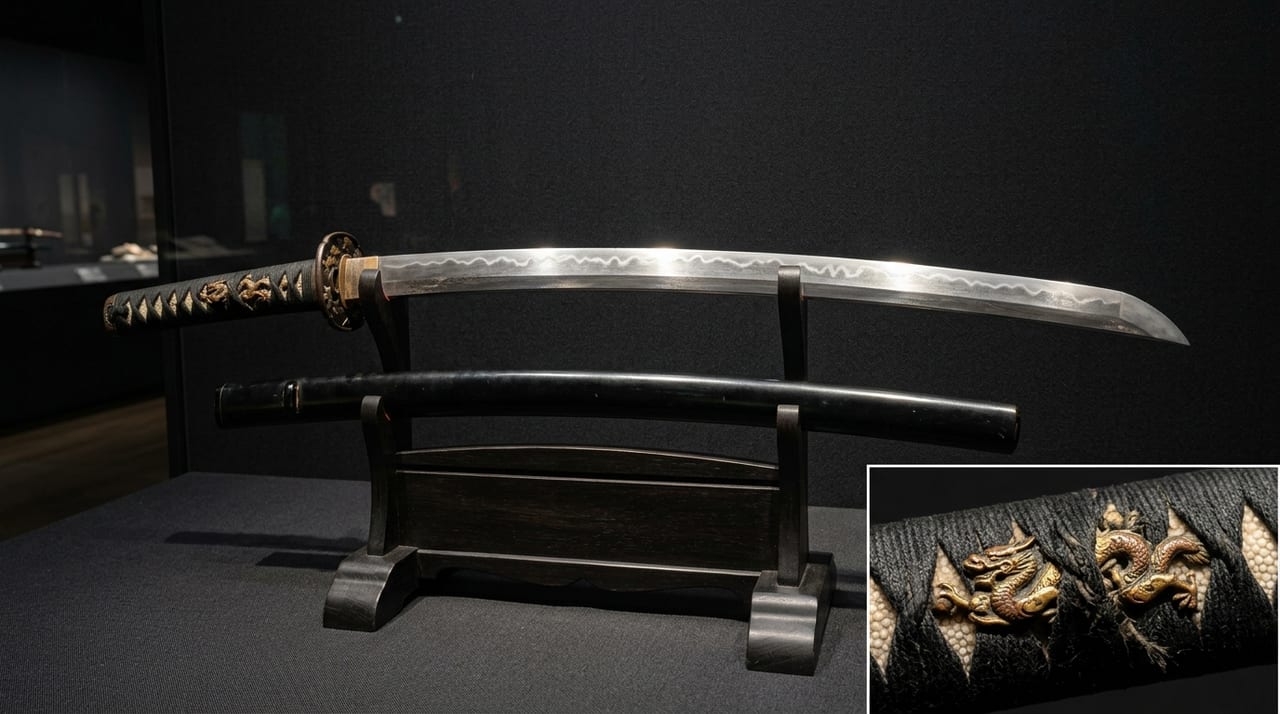
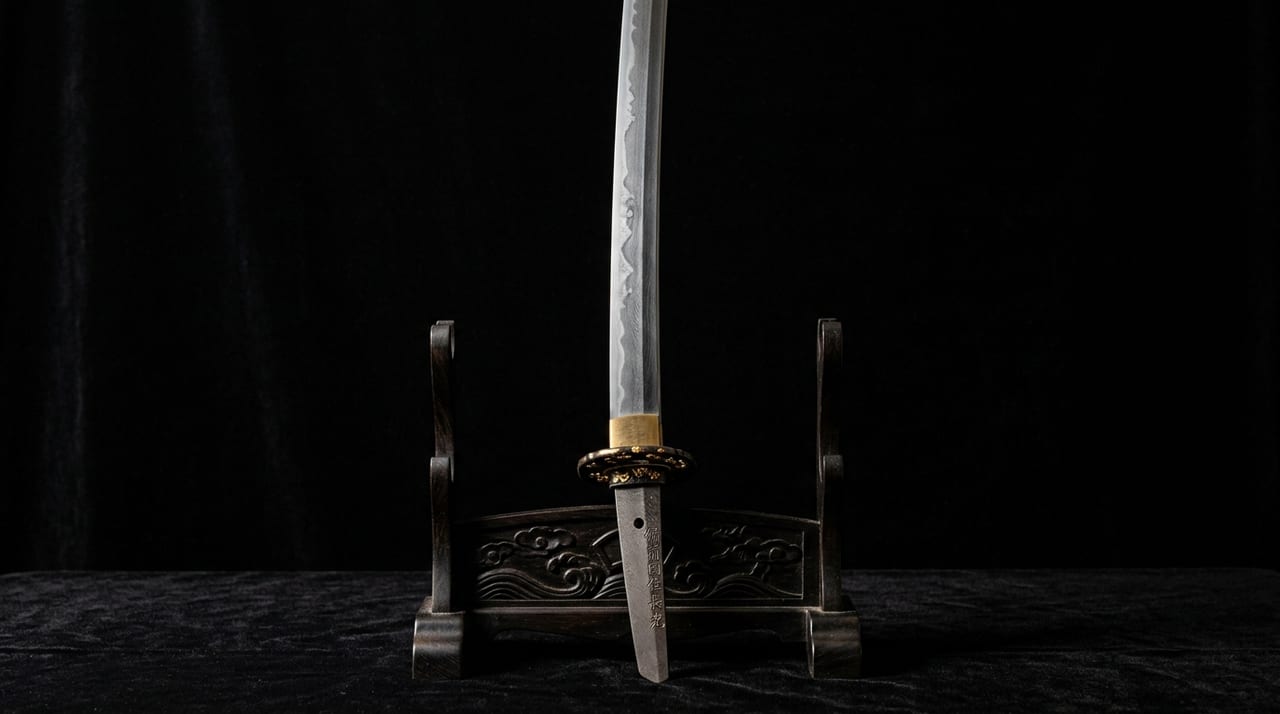
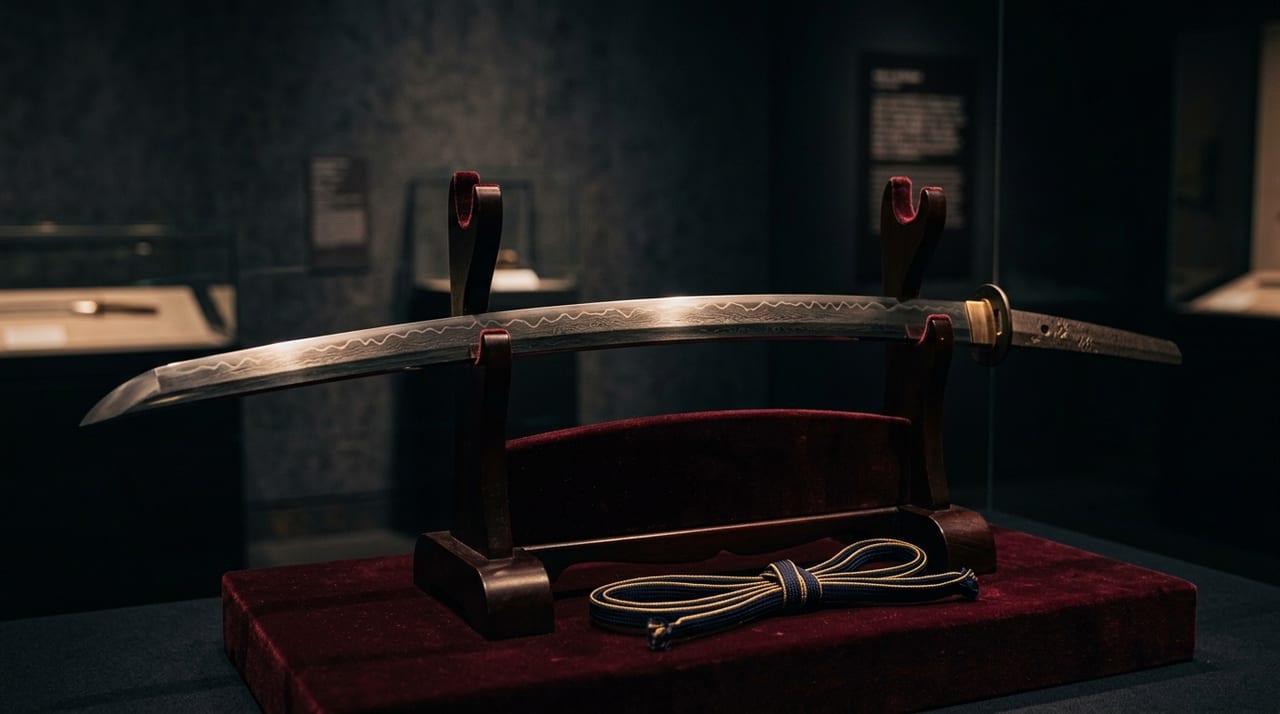
Tōkō (katanakaji) manufactured the blade portions of swords, spears, and naginata. During the Sengoku period, mass-produced swords known as "kazuuchi" were made in large numbers. Whereas a conventional tōkō would spend several weeks finishing a single blade, kazuuchi production adopted a division-of-labor system in which separate artisans handled blade shaping, yaki-ire (quenching), and polishing. This was close to what we would today call a manufactory system, demonstrating the advanced state of manufacturing in Japan at the time.
Gusokushi (gusokushi) were artisans who crafted armor; during the Sengoku period, demand surged for a new form of armor emphasizing practicality, known as tōsei gusoku (tōseigusoku). Unlike the conventional ō-yoroi, tōsei gusoku featured a lightweight and simple design that even ashigaru could wear, and had a structure suited to mass production. The main production regions were Echizen (Fukui), Mino (Gifu), and Sagami (Kanagawa), and in each production region a division-of-labor system was established, forming regional "brands" for armor.
Yumishi and yashi continued to play an important role even after the spread of firearms. Because their characteristics differed — bows excelling in rate of fire while firearms surpassed them in power and range — the two were used alongside each other. Yumishi shaped bows from composite materials of bamboo, wood, and horn, while yashi specialized in making fletching and arrowheads.
Teppō kaji (teppōkaji) were a trade that specialized rapidly after the introduction of firearms to Tanegashima in 1543. Sakai (Osaka), Kunitomo (Shiga), and Negoro (Wakayama) became the main production centers, and within just a few years of their introduction, domestic production was successfully achieved. The speed at which Japan mastered firearm production technology astonished Western observers, and the Kunitomo kaji remained a major source of firearms and artillery through the Bakumatsu period.
Daimyo Protection of Artisans and Industrial Enclosure
Powerful daimyo took skilled artisans on as retained craftsmen in order to secure a stable supply of the weapons they needed. This protective policy was a form of "intellectual property enclosure" that also served a military purpose in preventing the leakage of techniques to rival daimyo.
| Daimyo | Artisans/Regions Protected | Outcomes |
|---|---|---|
| Oda Nobunaga | Teppō kaji and merchants of Sakai | Achieved the concentrated deployment of what are said to have been 3,000 firearms at the Battle of Nagashino |
| The Takeda clan | Tōkō of Kai (Yamanashi) | Stabilized the supply of swords to their retainer band |
| The Shimazu clan | Tōkō of Satsuma | Cultivated a distinctive koshirae culture known as "Satsuma koshirae (satsuma-goshirae)" |
| Uesugi Kenshin | Kaji of Echigo | Formed a production region for sturdy practical swords known as "Echigo-uchi" |
This pattern of "daimyo protection + regional concentration" generated the distinctive characteristics of weapons and swords by region, and the regional brands that persist to this day — such as "Echizen armor," "Bizen swords," and "Satsuma koshirae" — were formed in this era.
The "Quality Polarization" of Swords Brought About by the Mass-Production System
The mass production of kazuuchi swords brought about a "quality polarization" in Japanese swords.
On one hand, fine swords crafted by master smiths continued to receive high esteem and were prized as diplomatic gifts exchanged between daimyo and as rewards for military valor. Works by renowned tōkō such as Masamune (Sōshū-den), Muramasa (Ise), and Chōgi (Bizen) were treasured even by Sengoku daimyo, and certain famous swords — like the "Tenka Goken" — even came to hold political and symbolic value. The anecdote that Tokugawa Ieyasu shunned Muramasa blades as "cursed swords of the Tokugawa house" demonstrates that swords had become symbolic objects transcending mere weapons.
On the other hand, mass-produced swords (kazuuchi) were treated in practice as consumables. The hardness of the blade, speed of manufacture, and cost performance were prioritized over the precision of yaki-ire (quenching) and the beauty of the hamon (temper line). Current research holds that a considerable number of surviving "Sengoku-period swords" are such mass-produced items; though their artistic value is low, their value as historical materials for understanding the manufacturing technology and war economy of the time is considered extremely high.
Distribution and Economics — The Infrastructure Supporting the Arms Industry
Mass production of weapons also required economic infrastructure to support it.
The distribution of raw materials — iron (iron sand and pig iron) — was supported by a wide-area distribution network linking the tatara (traditional smelting) production regions centered on the Chūgoku Mountains with tōkō and kaji across the country. Merchants and wholesalers handled this distribution, and Sengoku daimyo often advanced their weapons production advantageously by militarily controlling iron production regions and distribution routes.
Daimyo also frequently granted artisans, as compensation, not only rice, land (chigyō), and gold and silver, but also exclusive commercial rights (the privileges of the za). The artisans in turn used this relationship to exclude competitors, and a culture of "hiden" (secret transmission) emerged to prevent technical knowledge from leaking outside. This culture of hiden continued into the Edo period and beyond, forming the foundation of the tradition by which the techniques for crafting swords and armor were passed down within particular family lineages.
The Transition to the Edo Period and the Reorganization of the Arms Industry
When the Toyotomi clan was destroyed at the Summer Siege of Osaka in 1615 and a stable Tokugawa shogunate government was established, the arms industry was forced into rapid contraction and transformation.
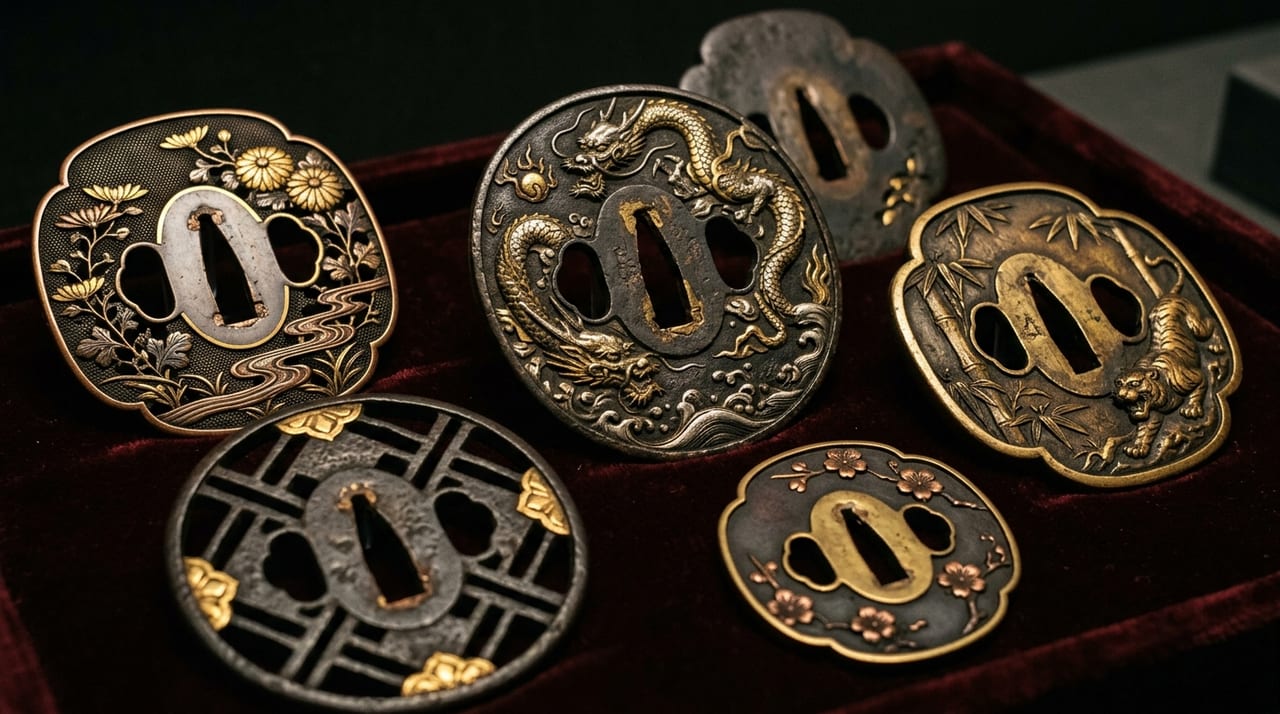
Tōkō shifted their focus from producing kazuuchi to producing fine swords, from practical utility to art. As the warrior class's culture of "wearing swords" took hold, swords came to be finished with great refinement as symbols of social status, and the elaboration of tōsōgu (sword fittings) — not only the blade itself but also the tsuba (hand guard), menuki, and kozuka — advanced greatly. Gusokushi shifted from making armor for actual combat to producing decorative armor and the elaborate "hina gusoku (hinagusoku)," supporting the decorative culture of the warrior class. Many teppō kaji switched to manufacturing farm tools and everyday goods, and their techniques were inherited in the form of civilian metalworking industries.
This transformation laid the foundation for the Edo period's "aestheticization of swords" and the "full flowering of koshirae culture." Many of the finely crafted Japanese swords and magnificent suits of armor we see today in museums are products of this Edo-period "transition from weapons to art."
The War Economy and Artisan Culture — A Complex Legacy
The arms industry of the Sengoku period is deeply intertwined with the development of Japan's artisan culture. The demands of mass production spurred the specialization and division of labor among artisans; the protection of daimyo cultivated regional brands; and the development of a distribution economy formed wide-area industrial networks.
It is one of history's ironies that the industrial technologies and artisan skills nurtured in the tragic context of warfare went on to underpin the richness of later Japanese sword culture and armor culture. At the same time, however, there is also the fact that by being elevated to the status of "art" in a peaceful era, these former practical objects have been preserved and passed down to the present day. The complex relationship between war and craftsmanship, destruction and beauty — that is the true legacy of the Sengoku period's arms industry.