Why Do Japanese Sword Prices Vary So Widely? The Structure of Value Based on Smith Rank, Steel, and Era
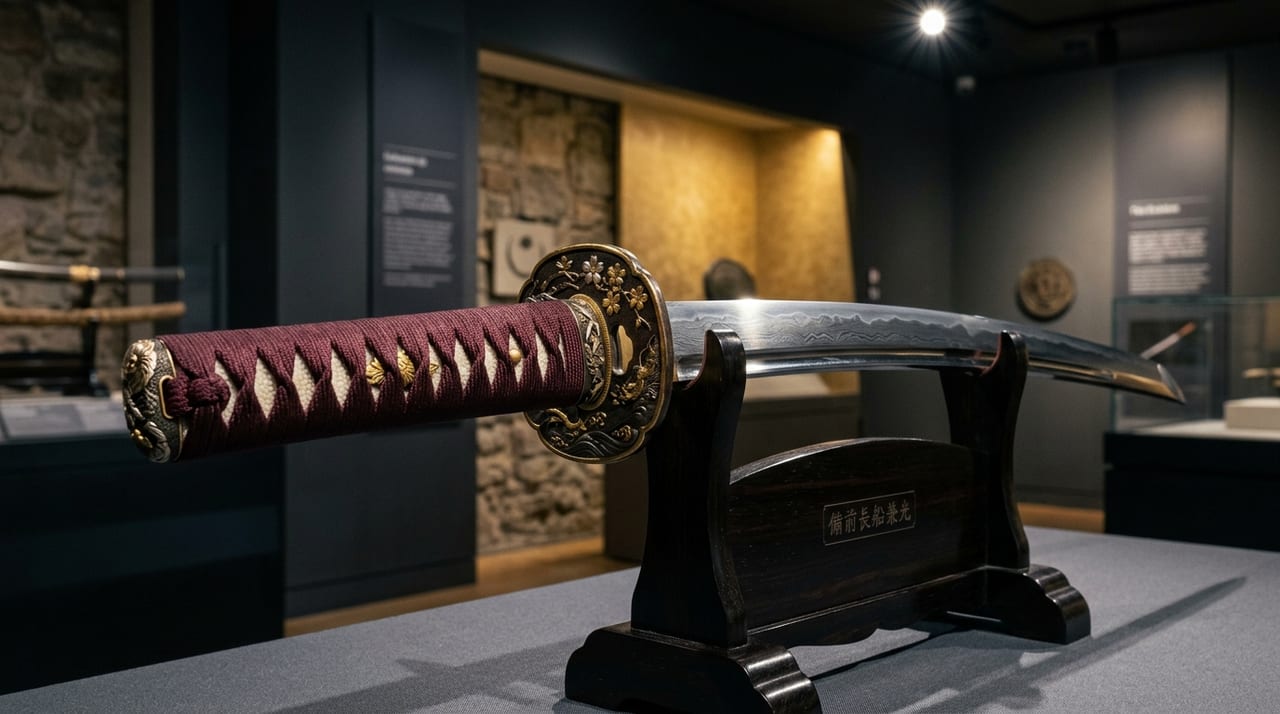 * Image is for illustrative purposes only.
Table of Contents
Why Do Japanese Sword Prices Vary So Dramatically?
The Japanese sword market encompasses everything from unsigned wakizashi available for tens of thousands of yen to national treasure tachi worth hundreds of millions. While this range may bewilder beginners, the price-determining factors can be understood systematically. Three primary axes work in combination: the smith's rank and prestige, the quality and forging method of the steel, and the historical era of production.
Axis 1: The Hierarchy Created by Smith Rank
The most influential factor in Japanese sword pricing is the smith's ranking. The Edo-period evaluation framework established classifications based on cutting performance ("saijo o-wazamono," "o-wazamono," "ryo-wazamono," "wazamono") combined with skill assessments. These double-layered evaluations persist in modern market valuations.
Today, designation as an Important Cultural Property (Juyo Bunkazai) or Important Art Object directly correlates with price. Designated blades command tens of millions of yen at minimum—several times to tens of times more than undesignated works by the same smith. The NBTHK (Society for the Preservation of Japanese Art Swords) certification hierarchy also matters: "Tokubetsu Juyo Token," "Juyo Token," "Tokubetsu Hozon Token," and "Hozon Token" represent descending grades with corresponding price tiers.
The prestige of the smith's school also matters greatly. Works from renowned Kamakura-era traditions—Soshu-den (Masamune, Sadamune), Bizen-den (Fukuoka Ichimonji, Osafune school), and Yamato-den (Senjuin, Tegai, Taima)—command far higher prices than contemporary anonymous work. In modern swords, the "Mukansa Tosho" (unjuried master smith) designation marks the highest commercial grade.
Axis 2: Steel Quality and Forging Method
The "jigane" (base steel) quality profoundly affects value. The highest quality material is tamahagane, produced at the NBTHK's Nitanbo smelter in Shimane Prefecture using traditional tatara iron-smelting with only sand iron and charcoal. Tamahagane's distinctive carbon distribution, balancing hardness and flexibility, fundamentally differs from industrial steel.
Modern swords using tamahagane command significantly higher prices:
- Tamahagane + Mukansa master: ¥1.5–5 million or more
- Tamahagane + competition-winning smith: ¥500K–¥2 million
- Industrial steel modern sword: ¥300K–¥800K
The "hada" (grain pattern) of the jigane—whether itame, mokume, or masame—and how well it was worked also affect assessment. A clear, powerful grain pattern is a premium indicator.
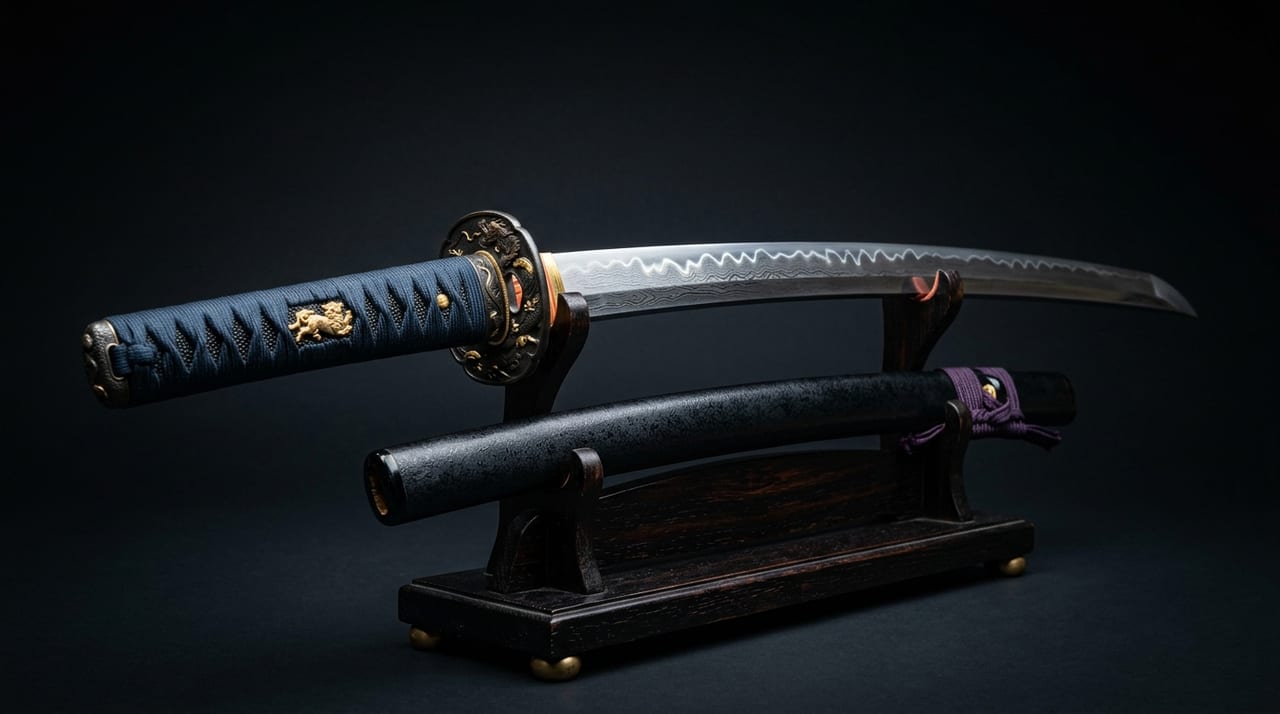
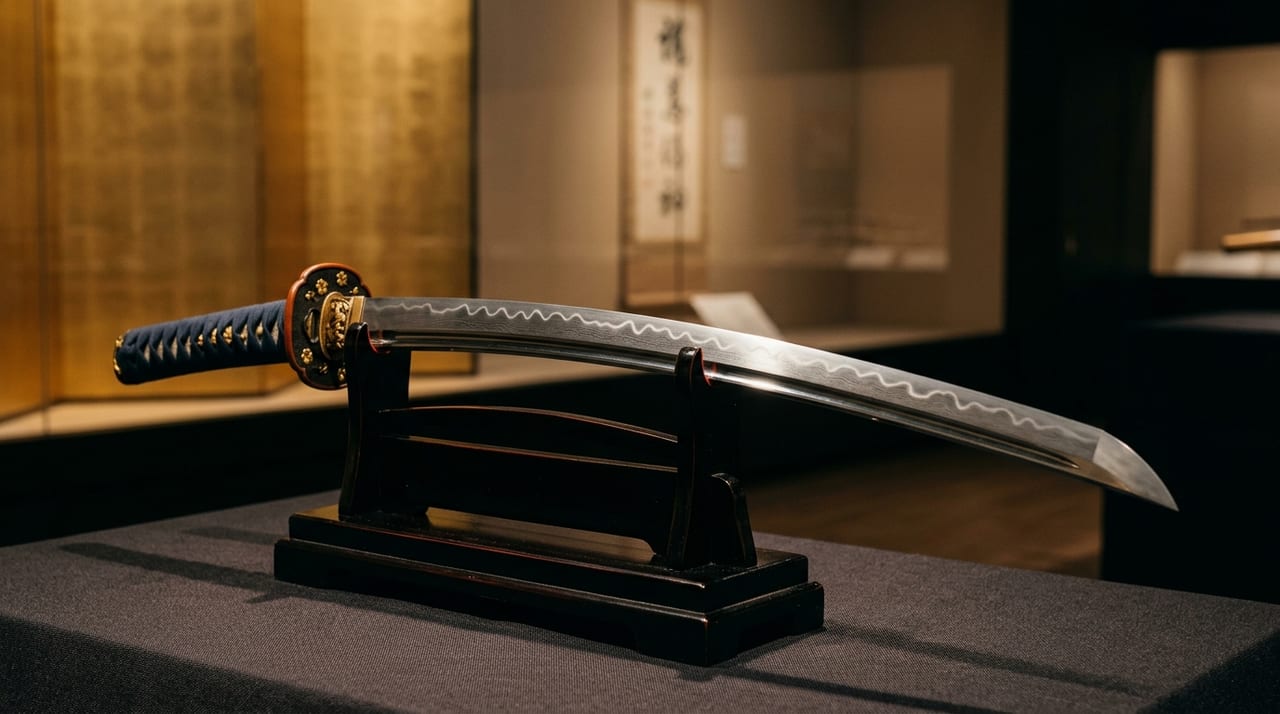
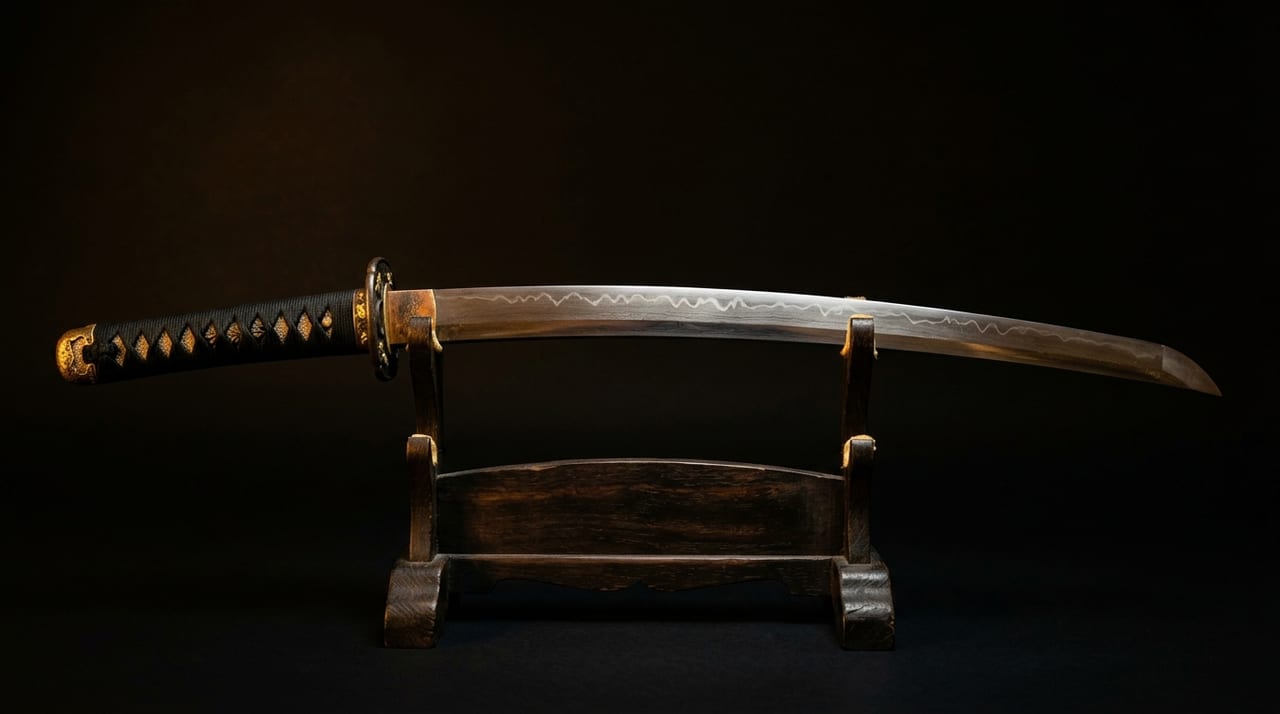
The hamon (temper pattern) similarly contributes: choji-midare, gunome-midare, and suguha (straight temper) each carry different values based on the difficulty and quality of execution. The elaborate choji-midare favored by Bizen-den masters represents the highest technical achievement.
Axis 3: Era Classification and Scarcity Premium
Japanese swords are classified by era: koto (ancient, through Keicho period), shinto (early Edo through late Edo), shinshinto (late Edo through sword prohibition), and gendaito (Meiji onward).
Koto (Heian–Muromachi period) swords generally command the highest prices due to scarcity. With limited surviving examples in good condition, market scarcity automatically elevates value. Late Heian Bizen works regularly trade at ¥20–30 million. However, era alone doesn't determine price. Some shinshinto masters like Koyama Munetsugu or Yamaura Kiyomaro command prices rivaling koto masterworks. The formula is "era × school × condition × certification grade."
Secondary Price Factors
Beyond the three axes, additional elements influence value:
Condition: Deep rust, chips, or surface flaws significantly reduce price. Recently polished blades in excellent condition receive premiums.
Koshirae (mounting): Complete period mountings increase value beyond the blade alone. Mountings with Tokugawa family crests or tsuba by renowned craftsmen carry independent premium value.
Provenance: Documentation of ownership by famous warriors, shrines, or daimyo families substantially increases value. Clearly documented provenance adds both trust and rarity value.
Price Range Quick Reference
| Category | Approximate Price |
|---|---|
| Hozon Token + modern tamahagane sword | ¥300K–¥1M |
| Juyo Token + mid-Edo period blade | ¥2M–¥8M |
| Juyo Token + Kamakura–Nanbokucho blade | ¥10M–¥50M |
| Tokubetsu Juyo + renowned smith | ¥50M–¥hundreds of millions |
| Important Cultural Property level | Effectively not privately traded |
Summary: Price Differences = Scarcity × Quality × Authority
Japanese sword price differentials boil down to the multiplication of scarcity, quality, and authoritative certification. The older the era, the more renowned the smith, the better the condition, and the higher the certification grade, the greater the value. Understanding these factors gives beginners the foundation to assess market pricing rationally. Start by learning the NBTHK certification hierarchy, then build your knowledge of major schools and era classifications.