Types of Kissaki and Bōshi——What the Tip Shapes of Japanese Swords Tell Us About Period and School
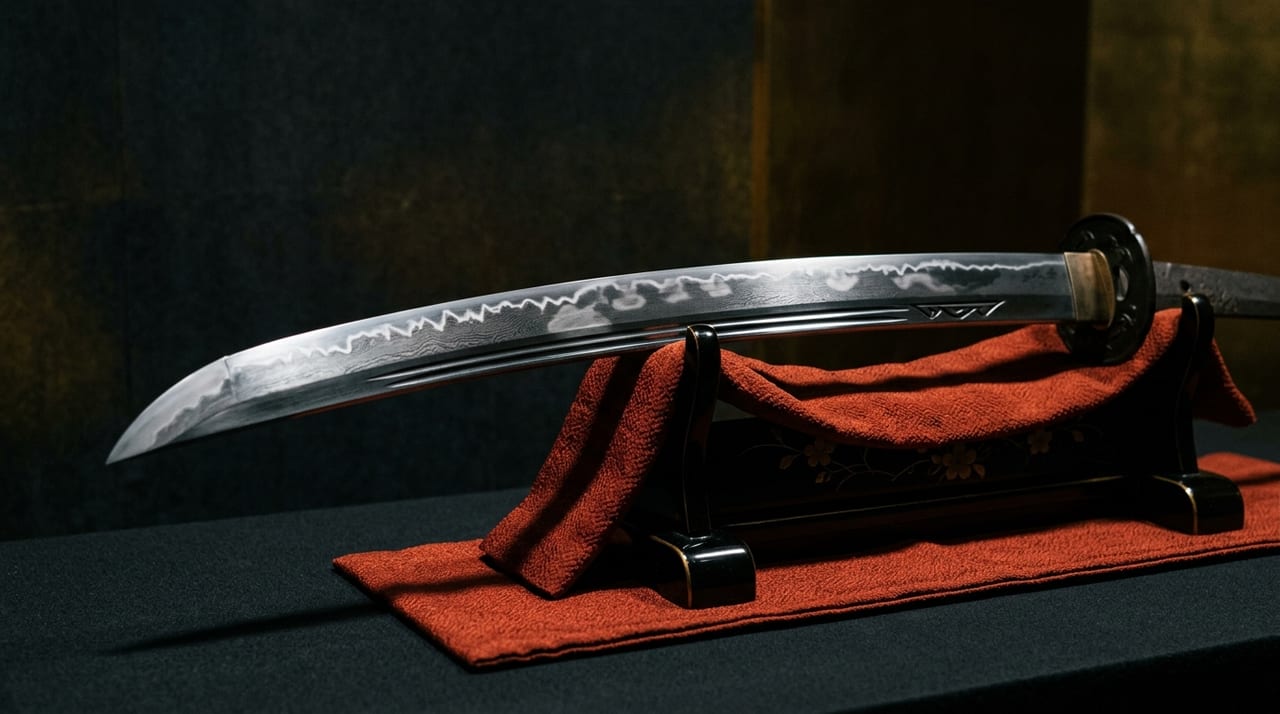 * Image is for illustrative purposes only.
Table of Contents
What Is the Kissaki?
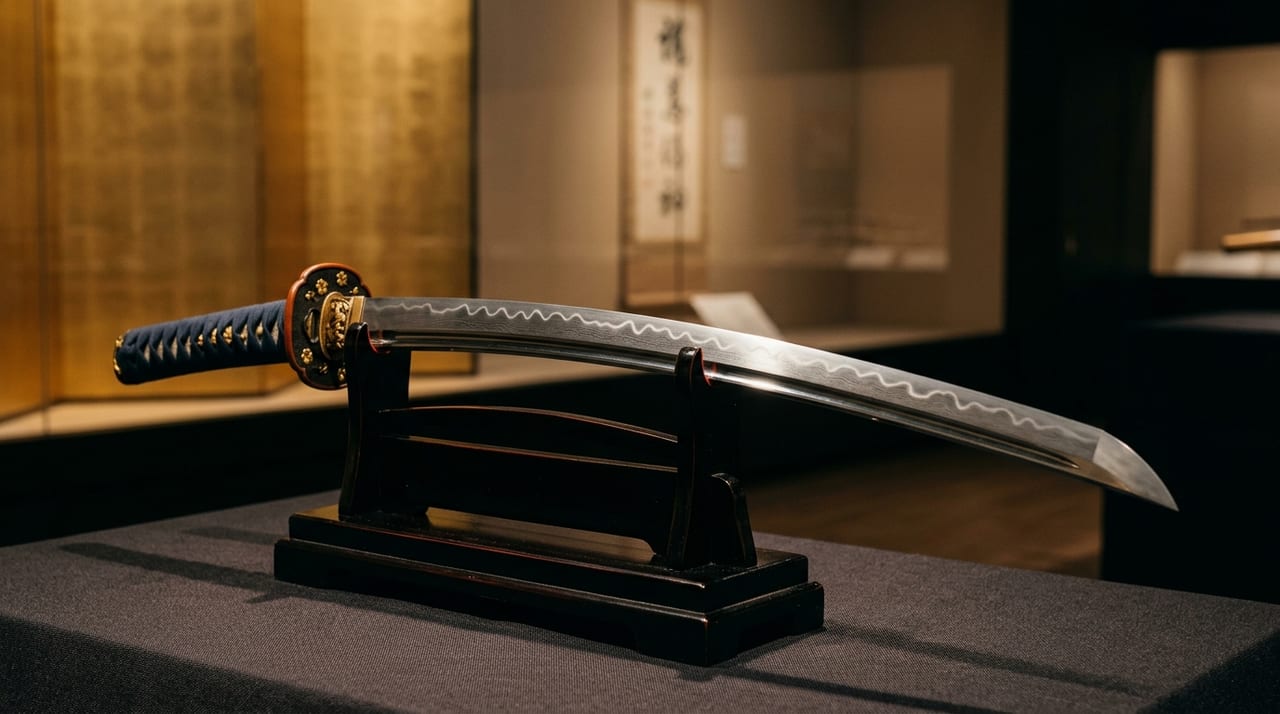
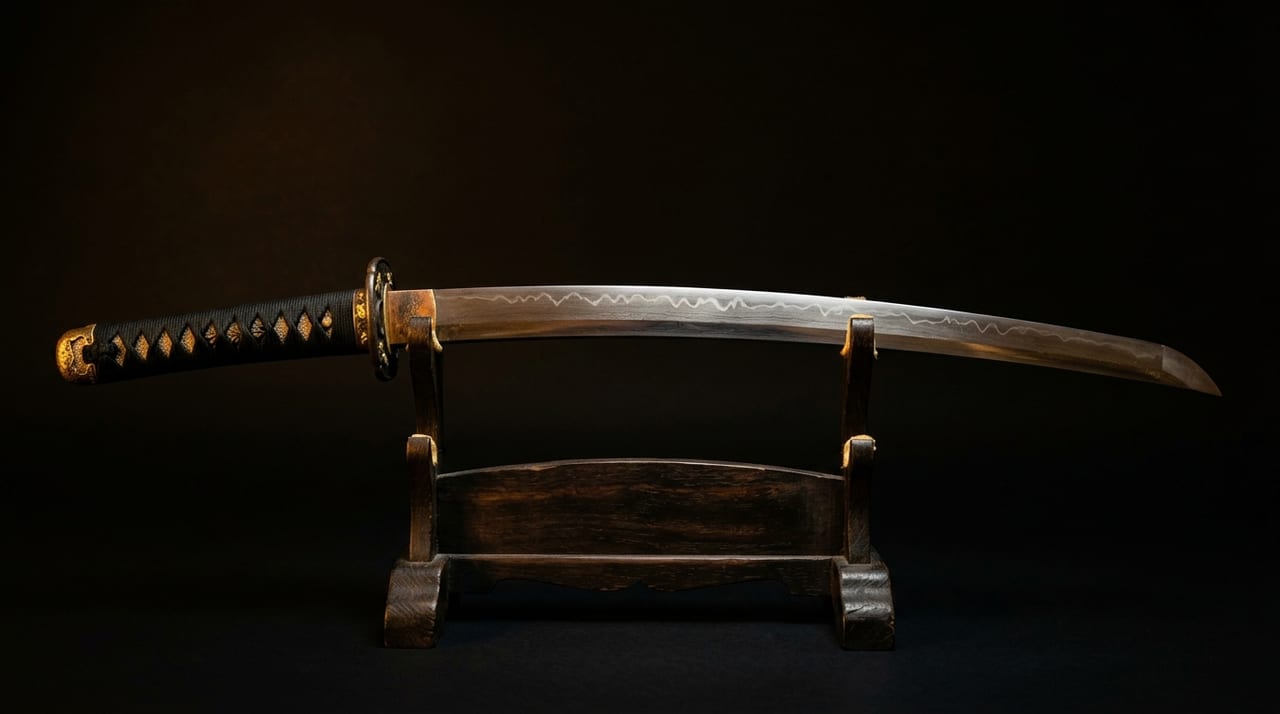
The kissaki is the general term for the tip section of a Japanese sword and is one of the most important functional areas of the blade. The shape of the kissaki changes significantly by period, school, and intended use, and in appraisal it is regarded as one of the most important indicators for period estimation.
The names of each part of the kissaki are as follows.
- Yokote: the boundary line between the kissaki and the edge
- Bōshi: the hamon in the kissaki section
- Kaeri: the portion where the bōshi folds back toward the spine
Classification by Kissaki Size
The kissaki is broadly divided into four types based on the length from the yokote to the tip (the length of the kissaki).
Ko-kissaki
- Size: short and compact kissaki (roughly 15 mm or less from yokote to tip as a guideline)
- Period: late Heian to early Kamakura; kotō of Yamashiro-den and Yamato-den
- Characteristics: a shape better suited to cutting down than to thrusting; accommodates a style of use that takes advantage of blade flex
- Representative examples: Ko-Bizen, Sanjō Munechika, various schools of Yamashiro-den
Chū-kissaki
- Size: standard size (approximately 15–25 mm)
- Period: mid-Kamakura through the Muromachi and Edo periods in general (the most widely used shape)
- Characteristics: a versatile shape with a well-balanced combination of cutting and thrusting
- Representative examples: the Osafune school and many schools after Sōshū-den
Ō-kissaki
- Size: a long, extended kissaki (30 mm or more)
- Period: the Nanbokuchō period (13th–14th centuries); some exceptional tōkō
- Characteristics: a grand, imposing appearance; high thrusting capability but prone to breakage
- Representative examples: ōdachi and nagamaki of the Nanbokuchō period
Inokubi-kissaki
- Characteristics: a stocky, robust kissaki shape; the edge line appears to fold back
- Period: a special shape seen in kotō of the late Heian through Kamakura periods
- Function: regarded as a sturdy, break-resistant, combat-practical shape
- Representative examples: some Ko-Sanjō and Ko-Bizen works
Types of Bōshi and Their Significance in Appraisal
The bōshi refers to the hamon in the kissaki section. The bōshi is the shape that the hamon of the blade takes as it passes the yokote and enters the kissaki, and it constitutes an independent evaluation point in sword appraisal.
Major Types of Bōshi
| Bōshi name | Characteristics | Representative school/period |
|---|---|---|
| Komaru | returns in a small, round curve | Yamashiro-den in general; Kamakura period |
| Ōmaru | returns in a large, round curve | Sōshū-den; Nanbokuchō period |
| Togari | returns in a pointed tip | some of Bizen-den |
| Asai kaeri | a short, shallow return | simple form seen across all periods |
| Fukai kaeri | a long, deep return | some of late Kamakura |
| Midarebōshi | irregular hamon enters the kissaki | Sōshū-den; shinshintō period |
| Hakikake | hamon enters in an irregular, sunagashi-like manner | Sōshū-den (Masamune, etc.) |
| Kaenbōshi | bōshi shaped like flames | specific tōkō |
Use of Bōshi in Appraisal
In sword appraisal, the bōshi is used in the following ways.
- Period identification: the shape of the bōshi follows consistent tendencies for each period
- School identification: characteristic bōshi shapes exist for each school (den)
- Identifying the tōkō: renowned tōkō have strongly individual bōshi, which serve as clues for identifying the maker
Summary of Kissaki and Bōshi Characteristics by Period
| Period | Kissaki tendency | Bōshi tendency |
|---|---|---|
| Late Heian | ko-kissaki; inokubi | komaru; asai kaeri |
| Early Kamakura | ko-kissaki | komaru |
| Mid-Kamakura | chū-kissaki | komaru to ōmaru |
| Late Kamakura–Nanbokuchō | ō-kissaki | ōmaru; midarebōshi |
| Muromachi | chū-kissaki | komaru to midare |
| Edo Shintō period | chū-kissaki | komaru to togari |
| Shinshintō period | chū-kissaki; copies of old works | various (restoration of old-work styles) |
Kissaki Design Philosophy of Contemporary Tōshō
Contemporary tōshō make comprehensive judgments on the following elements when designing the kissaki and bōshi.
- The school of kotō being emulated: designed primarily in the style of Bizen-den, Sōshū-den, Yamashiro-den, Yamato-den, or Mino-den
- Balance with the overall blade: harmony with the sori, motohaba, and sakihaba
- Intended use and the customer's wishes: differences for iai use, appreciation, or collecting
- The tōshō's own aesthetic: the reflection of individual artistic style in the kissaki
When viewing works by renowned contemporary tōshō, the shapes of the kissaki and bōshi serve as important clues for reading the tōshō's school background and aesthetic sensibility.
Conclusion
The kissaki and bōshi form the "face" of the Japanese sword — the final shape, so to speak — and are among the parts that most directly reflect the character of the period, school, and maker. Mastering how to read kissaki shapes is an important foundational knowledge that greatly improves one's ability to appreciate and appraise Japanese swords.