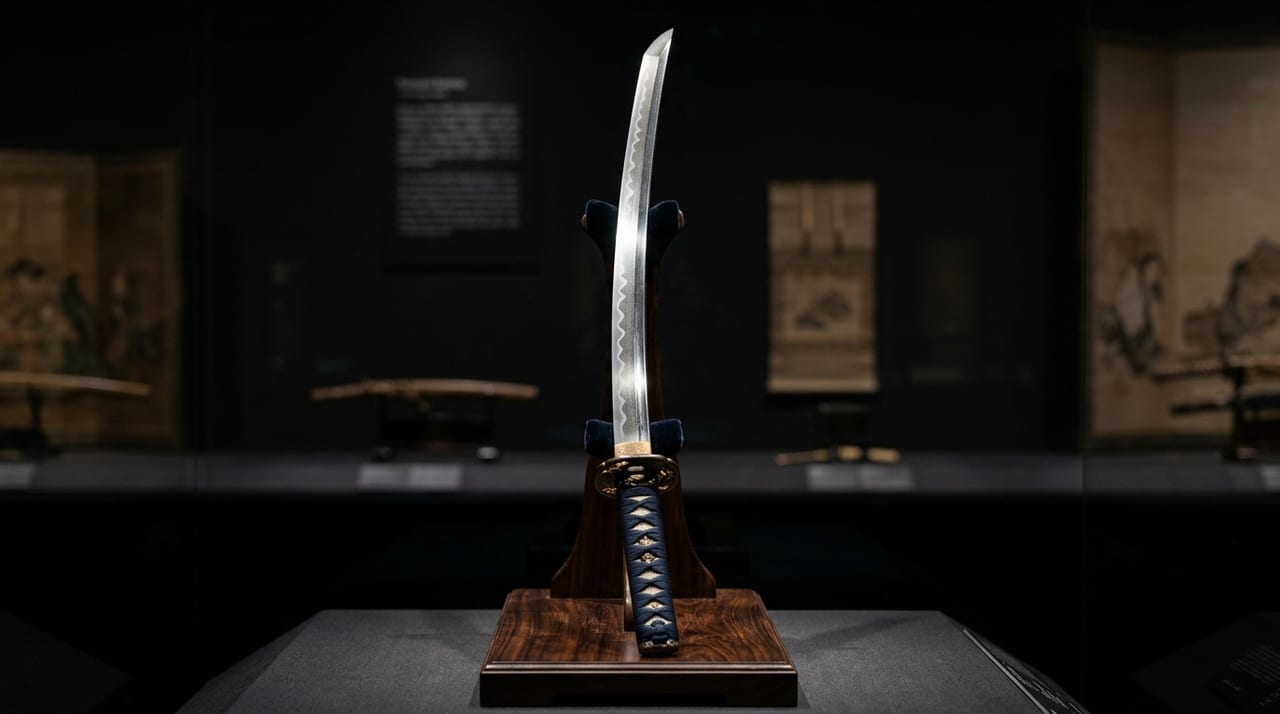
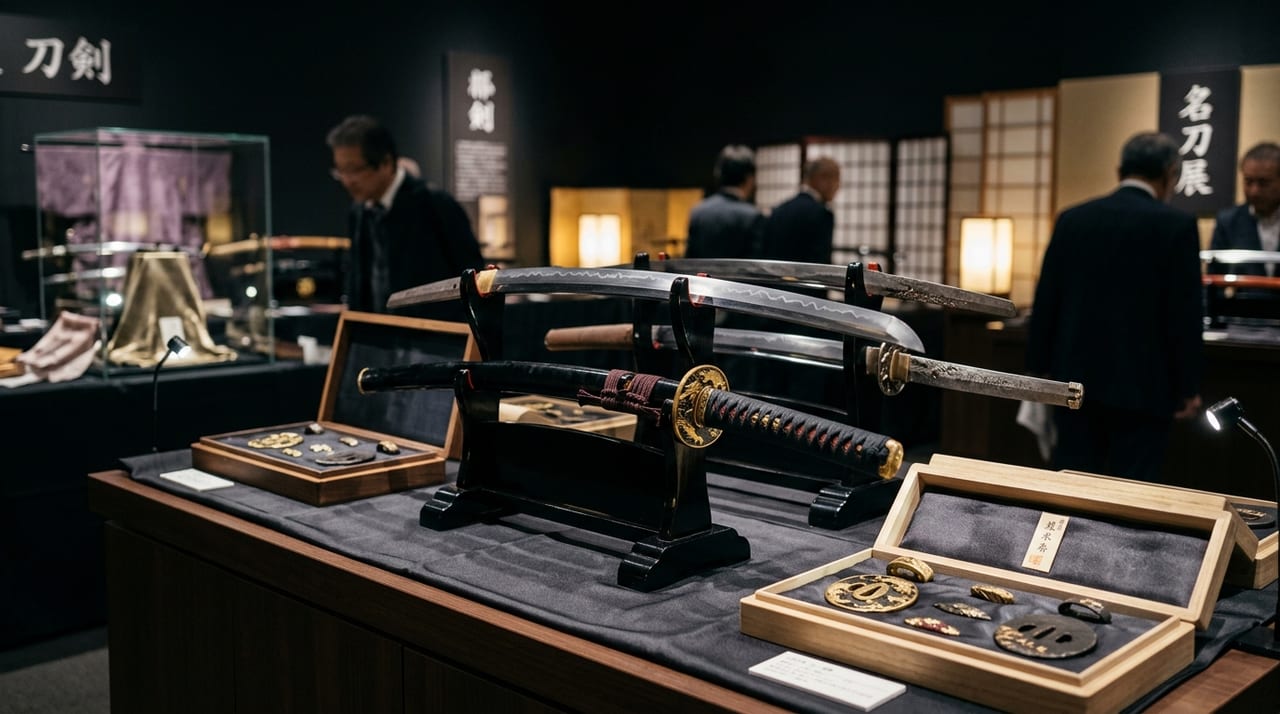
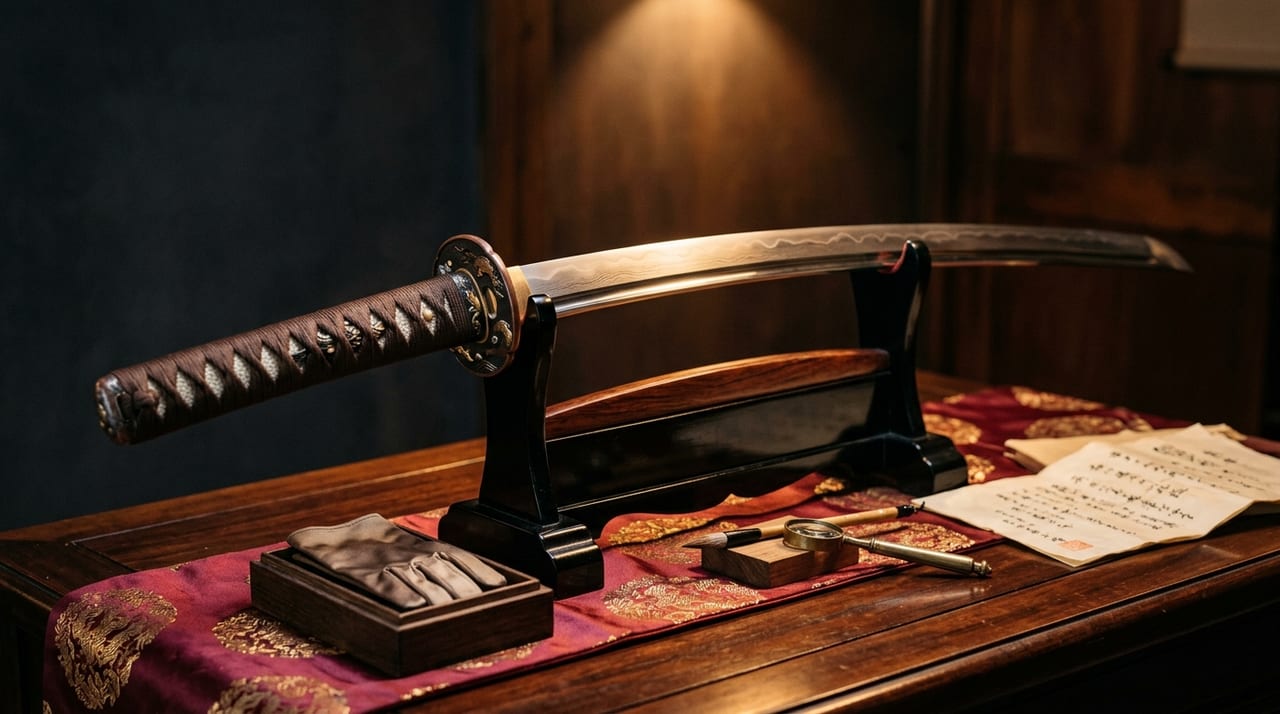
Japanese Sword Investment Returns: Comparing Modern, Antique, and National Treasure-Class Blades
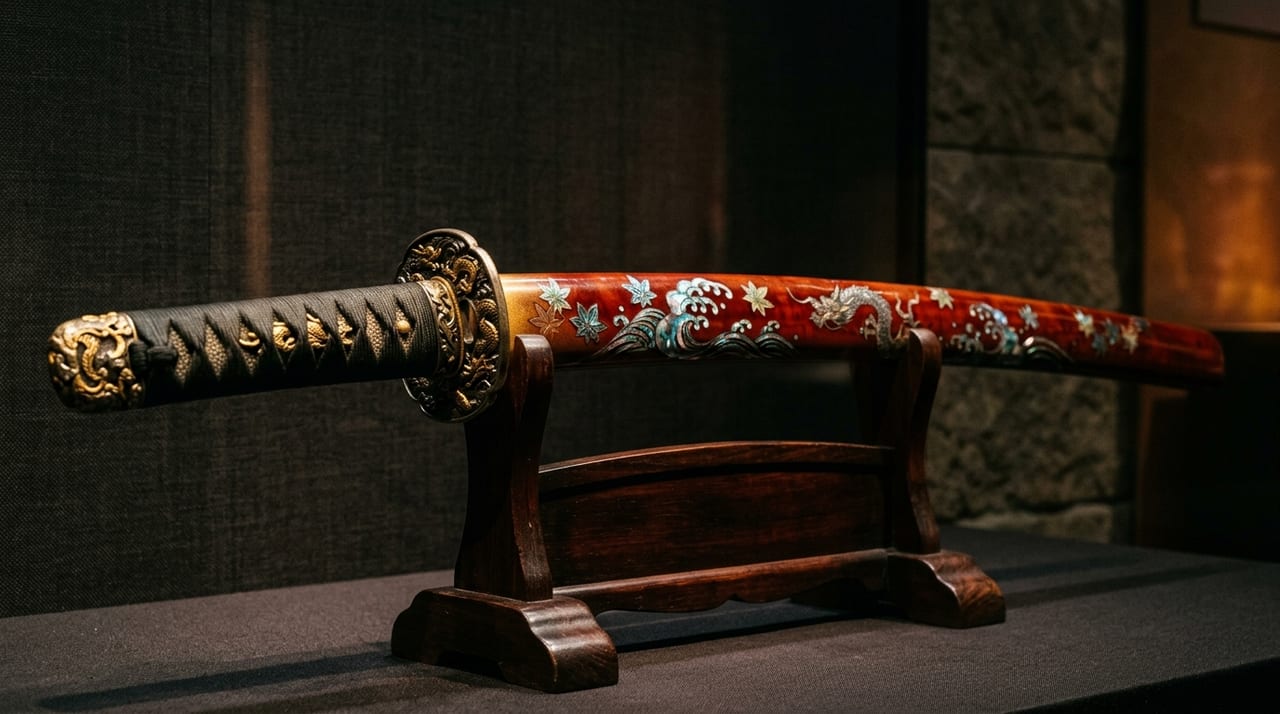 * Image is for illustrative purposes only.
Table of Contents
Key Points: High-ranking swords have shown price increases of 1.5 to 2 times or more compared to the 2010s. The market divides into four classes—preserved swords (2–8 million yen), specially preserved swords (8–30 million yen), important swords (30–200 million yen), and specially important swords (100 million yen and above)—with significantly different returns, liquidity, and risk profiles. There is zero income gain, and maintenance costs continue. A portfolio allocation of 5–15% is realistic.
Can Japanese Swords Function as "Investment Assets"?
The Japanese sword market has been active in recent years, buoyed by expanding inbound demand and yen weakness. Wealthy collectors from Europe, America, and Asia have entered the market, and high-ranking sword prices have recorded increases of 1.5 to 2 times or more compared to the 2010s in some cases. However, when "Japanese swords" are discussed as "investments," the reality is not monolithic. Return structures differ significantly between modern swords, old swords, and Important Cultural Property class pieces, and claims that guarantee exorbitant profits warrant caution. As a premise, Japanese swords are assets where price movements are extremely difficult to predict, unlike stocks or real estate. Please refer to the following with this in mind.
Return Characteristics of Modern Swords (Post-Showa forged works)
Modern swords refer to new swords manufactured after the Showa period. Works by Living National Treasures and holders of Important Intangible Cultural Properties command high prices at the time of creation (over 2–5 million yen), and scarcity premiums may develop after the swordsmith's death. However, general modern swords have low market liquidity, and finding buyers at resale is often difficult.
Regarding modern sword production volume, while there are no legal restrictions, the traditional craft nature means that the annual output of each swordsmith is customarily limited, and production is managed from the perspective of successor cultivation under the system of traditional crafts recognized by the Agency for Cultural Affairs. The number of active swordsmiths nationwide is estimated at approximately 250.
Characteristics:
- Initial investment: 500,000 to several million yen
- Liquidity: Low (limited to specialist collector market)
- Returns: Famous smiths may expect post-mortem premiums. General works often see maintenance costs (oil, storage) accrue more readily
- Risk: Evaluation changes of the smith, market extinction of schools due to lack of successors
Return Characteristics of Old Swords and Edo Swords (including Shinshin-to)
"Old swords" refer to works before Keicho; "new swords" (shin-to) to works from Keicho through the end of the Edo period; and "newer swords" (shinshin-to) to works from the late Edo period through the Meiji era. This tier is the mainstream of the Japanese sword market, and NBTHK (Nippon Bijutsu Touken Hozon Kyokai) certification grades directly reflect price. NBTHK's examination ranks are divided into four grades: preserved swords, specially preserved swords, important swords, and specially important swords.
Price ranges by certification rank (2026 market reference values):
| Certification Grade | General Price Range | Liquidity |
|---|---|---|
| Preserved swords | 2–8 million yen | Medium |
| Specially preserved swords | 8–30 million yen | Medium to high |
| Important swords | 30–200 million yen | Medium (limited buyers) |
| Specially important swords | 100 million yen and above | Low (ultra-high price tier) |
Over the past ten years, specially important swords (tokujo) have shown notable price appreciation supported by international demand. Preserved-class swords have trended stably, centered on domestic demand. However, markets are always subject to change, and past price movements do not guarantee future returns.
Uniqueness of Important Cultural Property and National Treasure Class
Swords designated as Important Cultural Properties (bunkazai) or National Treasures are prohibited from export abroad in principle under the Cultural Properties Protection Law, and are strictly managed under the Ministry of Economy, Trade and Industry's export licensing system. Domestic sales tend to be de facto limited to museums, public institutions, and certified collectors, making "investment" liquidity extremely low. On the other hand, from the perspective of long-term preservation of cultural value, asset qualities are of the highest standard.
Swords at the level of Important Cultural Property and above command valuations in the hundreds of millions to tens of billions of yen, and individual ownership by private investors is rare. Ownership through foundations or family trust schemes becomes the practical choice.
Japanese Swords as Investment: Summary and Precautions
Japanese swords are assets with zero income gain, unlike stocks or real estate. Returns consist solely of capital gains (price appreciation), and ongoing costs for storage, maintenance, insurance, and polishing must be considered. Buyer's premiums and brokerage fees at sale also add to real costs.
Absolute claims such as "prices are certain to rise" or "profits materialize in the short term" are not credible. The Japanese sword market exhibits high information asymmetry, and large investments without specialized knowledge carry substantial loss risk.
Structural tailwinds exist in the form of rarity as an art object, cultural value, and foreign currency-denominated demand during periods of yen weakness. However, positioning Japanese swords not as "pure investment" but as "part of tangible asset holdings," with a portfolio allocation of roughly 5–15% of an art collection, is the realistic strategy.
From a liquidity perspective, the "specially preserved to important swords" zone offers balance, and entering this zone is a rational choice for those acquiring Japanese swords for the first time for collection purposes. TOUKENZEN's online catalog lists swords by certification grade and price range, and is available for comparative review.
Toward Your First Acquisition
When acquiring a Japanese sword for the first time from an asset perspective, cultivating discernment and building relationships with trusted sword merchants and appraisers first becomes the foundation for long-term asset preservation. TOUKENZEN's online catalog features swords in the specially preserved to important sword zone, and you may inquire about condition and certification details via our contact form.