Inheriting Japanese Swords: Legal Obligations Under the Firearms and Swords Control Law
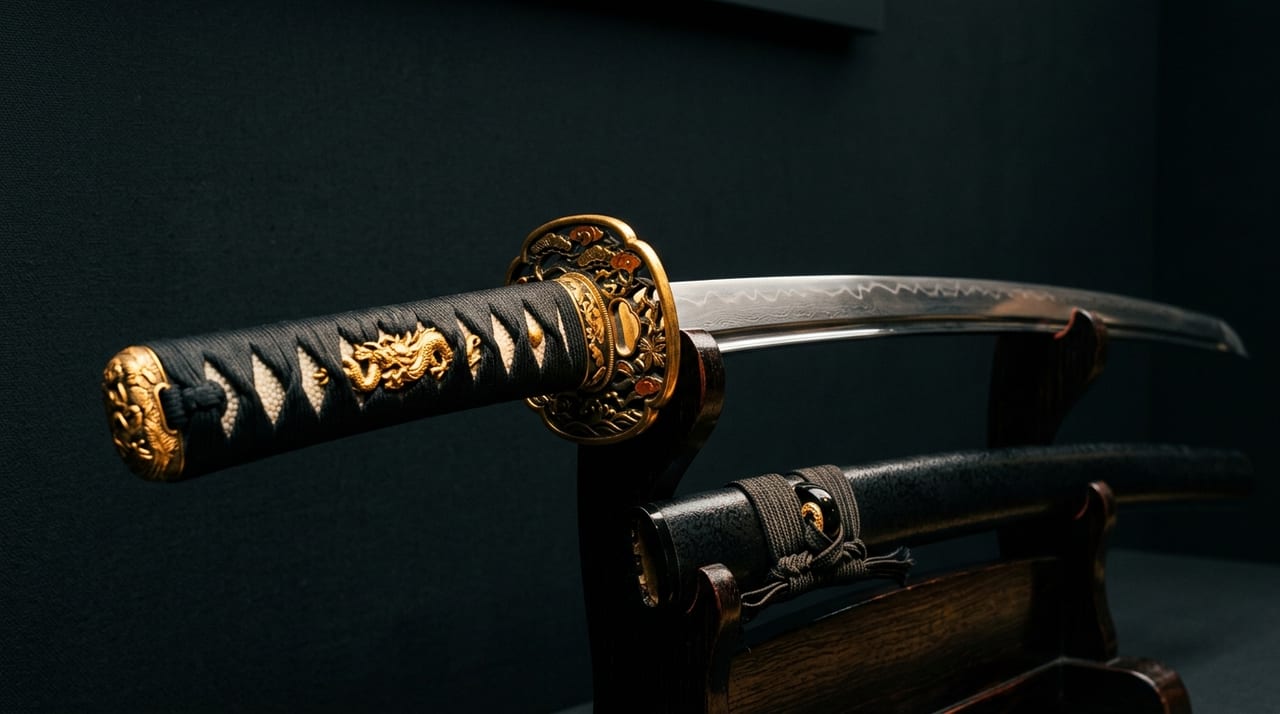 * Image is for illustrative purposes only.
Table of Contents
When a Japanese Sword Appears in Inherited Estate—First Things to Check
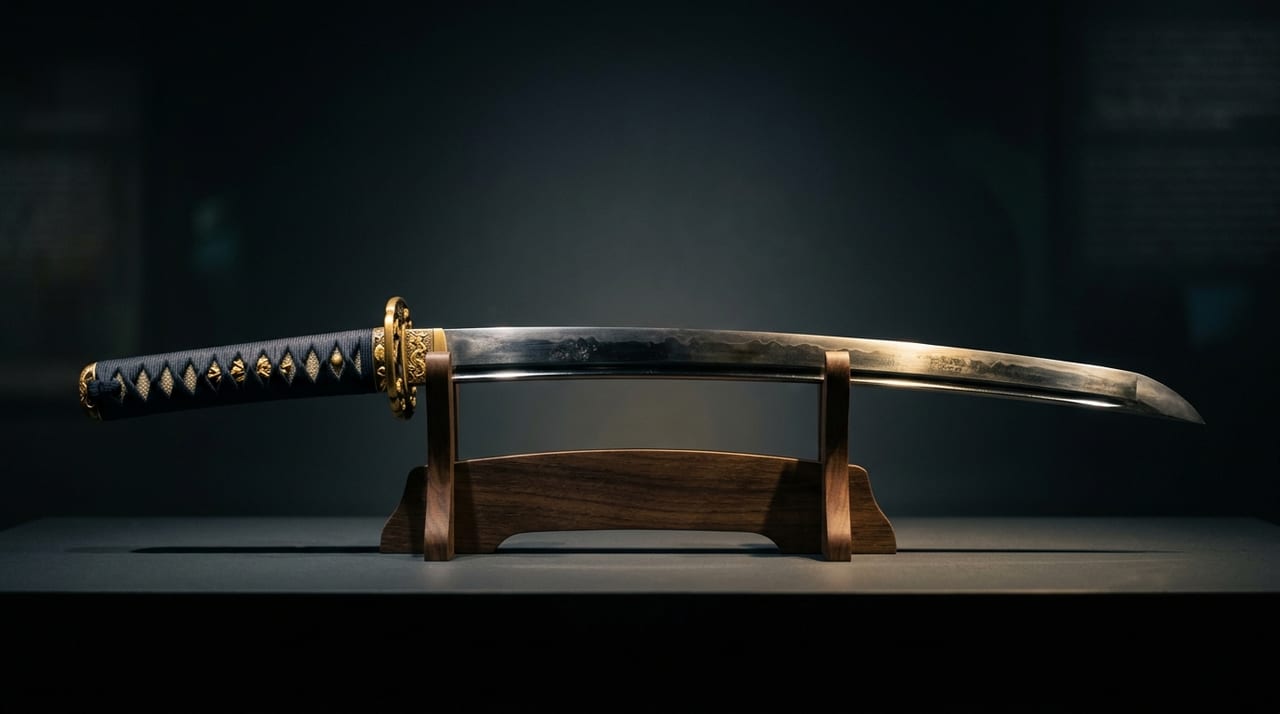
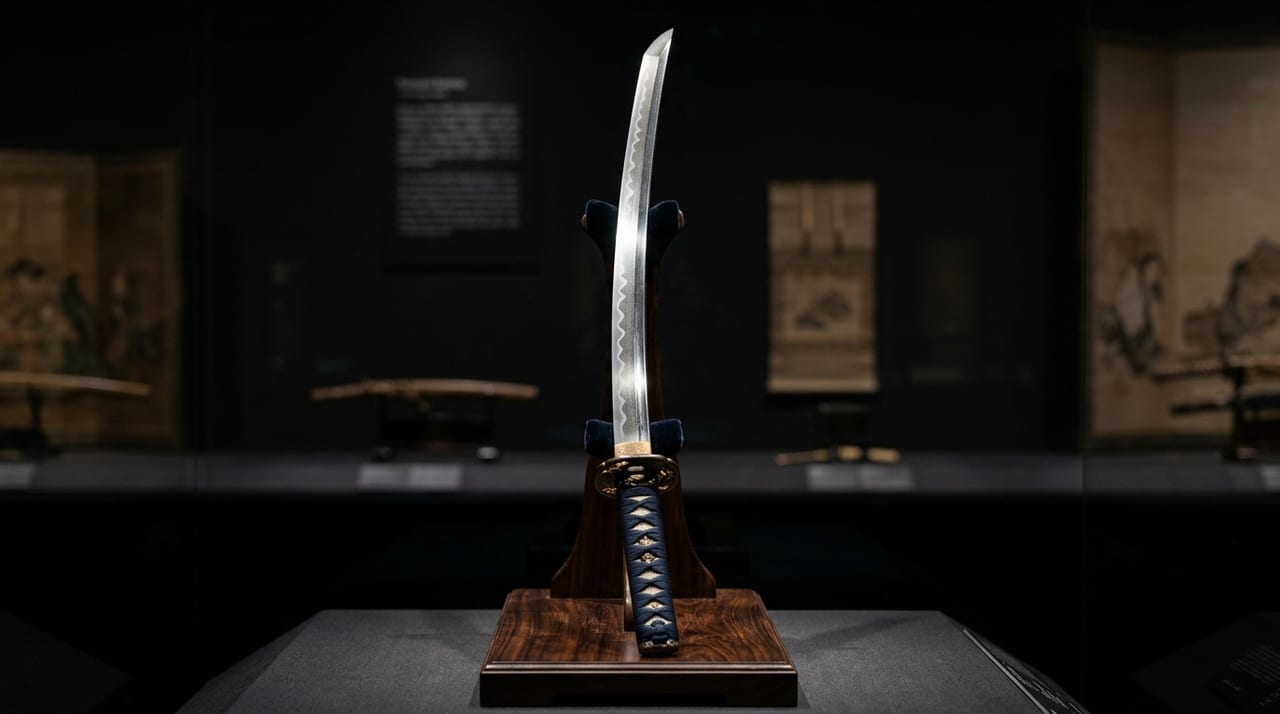
When organizing inherited estate items from relatives, it is not uncommon to discover a Japanese sword in the back of a closet or in a storehouse. In such cases, since there is a change in the holder, procedures based on the Law Regulating the Possession of Firearms, Swords, and Blades (the Sword and Firearms Control Law) are necessary. The first thing to check is whether there is a registration certificate (firearms, swords, and blades registration certificate).
A registration certificate is a document issued by a prefectural board of education that certifies the legal possession of a Japanese sword. While it is often kept with the sword itself, it may also be stored in a different location in the house, so it is necessary to check throughout the home.
Note that legally, "firearms, swords, and blades" refers to Japanese swords made as real blades; training swords and replica swords used in iaido or demonstration are excluded. If you cannot determine on your own which category the discovered sword falls into, it is advisable not to make a judgment hastily, but to consult with a board of education or a sword dealer. Furthermore, regardless of whether a registration certificate exists, during the process of organizing inherited items, be careful not to carelessly remove the blade from its scabbard or touch the edge directly with bare hands.
Procedures When a Registration Certificate Exists
When a registration certificate exists and the sword information (blade length, curvature, and signature) matches the actual object, the heir should perform the following procedures.
1. Notification of Change of Holder (Legal Obligation)
Under Article 17, Paragraph 1 of the Law Regulating the Possession of Firearms, Swords, and Blades, when a Japanese sword is acquired through inheritance, there is a legal obligation to notify the prefectural board of education of the change of owner within 20 days of acquisition. This is not optional but a legal obligation, and the notification form should include information about the former holder (the deceased) and the new holder (the heir). Submit it in the format specified by each board of education.
2. Notification Upon Relocation
When moving a sword to another prefecture (such as moving), it may be necessary to notify the board of education of the destination prefecture. Confirm the procedures with the board of education.
3. Valuation in Estate Tax Filing
When reporting a Japanese sword as inherited property, the valuation is in principle based on the market price at the time of the start of inheritance (fair market value). The specific valuation method is to have a professional sword dealer or art appraisal organization (such as the NBTHK) prepare an appraisal report and submit it to the tax office. For swords designated as important cultural properties or equivalent to important cultural properties, the valuations of the Agency for Cultural Affairs or the National Museum may be referenced.
4. Handling When There Are Multiple Heirs
When there are multiple heirs, determine through estate division consultation who will inherit the sword, and then submit notification of the change of owner. Since a sword is difficult to divide in its physical form, it is advisable to proceed with consultation while considering the balance with other inherited property.
Confirming the Contents of the Registration Certificate
The registration certificate includes the type, period mark (estimated period), dimensions (blade length and curvature), maker's signature, registration date, registration number, and the name of the prefectural board of education that issued it. It is important to confirm that the inherited sword matches the registration certificate, particularly regarding blade length and maker's signature. If the contents do not match the actual object, or if it is suspected that the registration certificate and the actual object may be different swords, do not dispose of or sell it based on your own judgment; consult with the issuing board of education.
If the registration certificate itself is lost, first confirm with the issuing prefectural board of education whether it can be reissued. If reissuance cannot be obtained, or if it cannot be confirmed whether registration exists in the first place, you should follow the procedures described in the next section, "When There Is No Registration Certificate."
When There Is No Registration Certificate—Actions to Avoid and Proper Procedures
During the process of organizing inherited items, it is not uncommon to not know whether the deceased had registered the sword during their lifetime. If you are uncertain, it is advisable to consult with the police or board of education before taking action, rather than disposing of it or transferring it to a third party based on your own judgment.
Possessing an unregistered sword is a violation of the Sword and Firearms Control Law, and legal obligations arise at the stage of discovery or inheritance. Follow these steps:
Proper Procedures:
- Store the sword in a safe place (a place where people cannot easily remove it)
- Promptly report it to the nearest police station (Community Safety Division)
- Receive a "discovery report certificate" from the police
- With the discovery report certificate, apply to receive the registration review hearing (registration examination) with the board of education
- If confirmed as a sword by the review committee, a registration certificate is issued
At the review hearing, professional appraisal committee members determine the authenticity of the sword and decide whether to issue a registration certificate. Registration is usually approved for authentic blades from the Edo period or earlier. Replica swords and inferior quality blades may not be approved for registration.
Risks of Not Reporting:
Illegal possession of an unregistered sword may constitute a violation of the Sword and Firearms Control Law (punishable by up to three years imprisonment or a fine of up to 500,000 yen), so it is important to promptly report it to the police if discovered.
When Considering the Sale or Disposal of a Sword
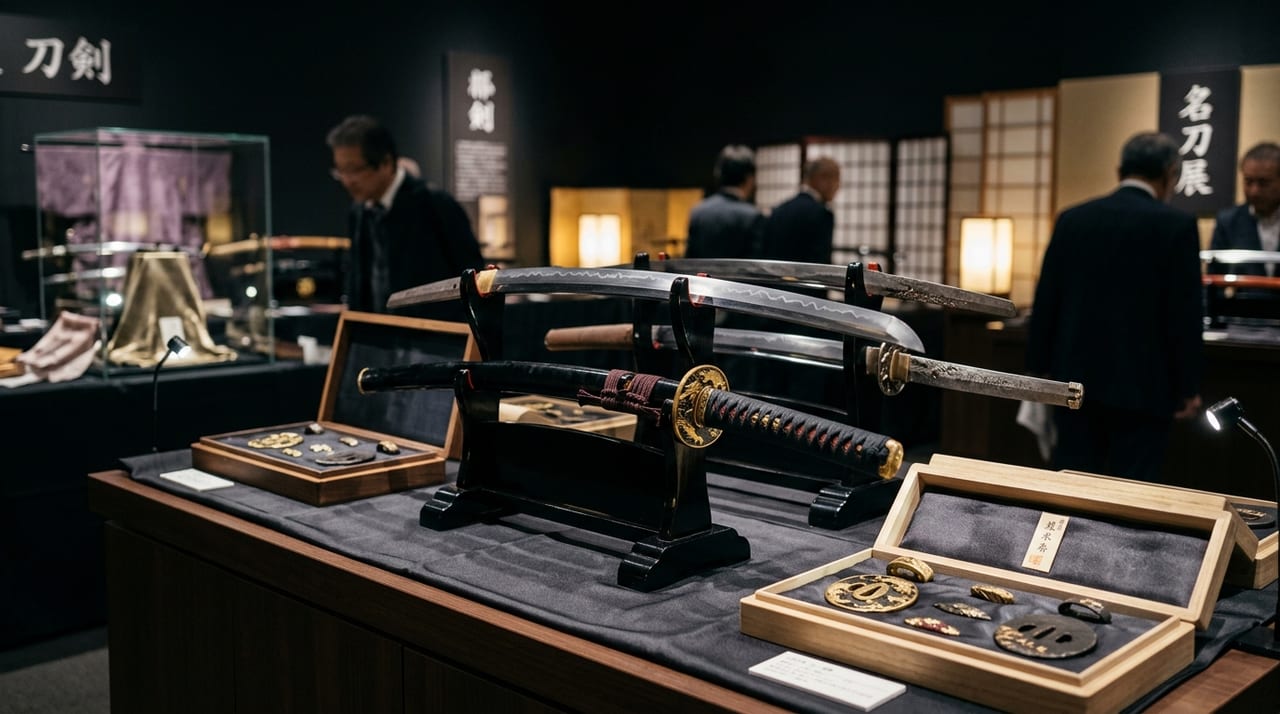
When selling or disposing of an inherited sword, the safest method is to consult with a sword dealer licensed as an antique dealer, on the premise that the registration certificate is complete. Since sword dealers conduct transactions in accordance with legal requirements (the Antiquities Business Law), the risk of legal issues after sale can be reduced.
When consulting with a sword dealer, it is good to prepare a copy of the registration certificate and photographs of the sword, and if possible, bring the actual sword for appraisal that takes into account its period, maker, and condition of preservation. Since the appraised value varies depending on the condition and rarity of each sword, consulting with multiple sword dealers and comparing the appraisal details is also an option.
An unregistered sword cannot be sold unless the registration certificate is obtained after the aforementioned police report and registration review.
Frequently Asked Questions
Q. If I renounce the inheritance, will I be released from the obligation to manage the sword?
Renouncing an inheritance cannot be done by selecting only specific property; it must be done for all inherited property. Note that it is not possible to choose to renounce only the sword while inheriting other property.
Q. Are there costs for changing the name on a registration certificate?
Since the details of procedures may differ by board of education, it is advisable to confirm in advance with the competent board of education whether there are any costs involved.
Q. If I inherit multiple swords, can they be handled together with one registration certificate?
A registration certificate is issued for each individual sword, and it is not possible to handle multiple swords together with a single registration certificate. It is necessary to individually confirm the presence or absence of a registration certificate and its contents for each inherited sword.
Summary
Inheritance of a Japanese sword requires complex procedures involving three intersecting laws: estate tax law, the Sword and Firearms Control Law, and cultural property protection law. The basic response flow involves first confirming the presence or absence of a registration certificate; if one exists, submitting notification of change of owner and estate tax valuation within 20 days; if one does not exist, promptly reporting to the police and obtaining a discovery report certificate. It is recommended to consult with the nearest prefectural board of education or a law firm specializing in swords regarding any unclear points.